
How to Make Your Manicure Last Longer – 8 Proven Tips for Chip-Free Nails
There is nothing quite like freshly painted nails to pull an entire look together. You spend time picking the perfect shade, carefully applying every coat, and then — two days later — a chip appears. It is one of the most frustrating beauty moments.
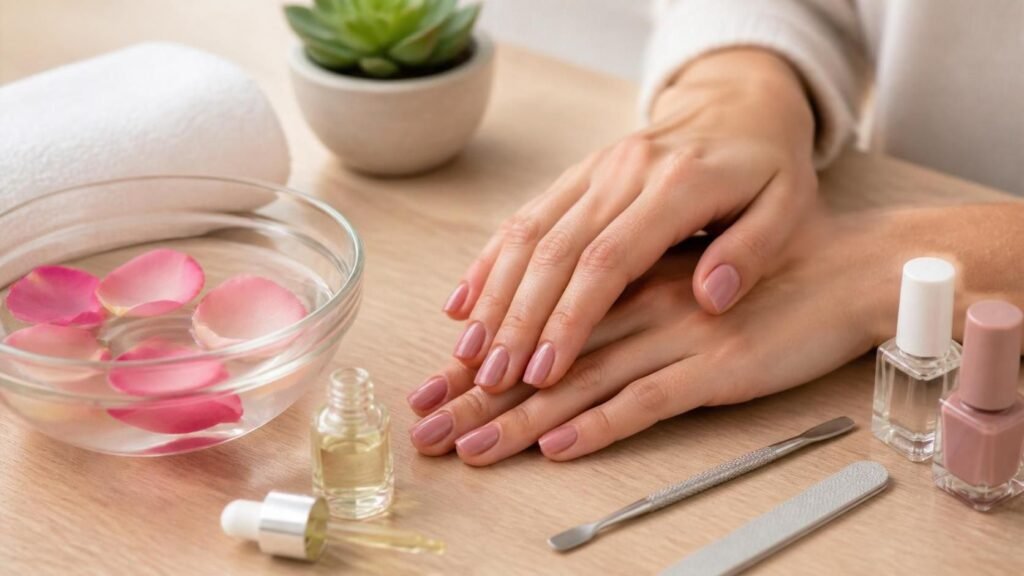
The good news is that long-lasting nails are completely achievable at home. Whether you wear classic polish, gel, or acrylics, the right habits make all the difference.
A few simple tweaks to your routine can stretch your manicure from days to weeks. Here are 8 proven steps to keep your nails looking freshly done, longer.
Below are 8 expert-backed tips for making your manicure last longer, chosen for their simplicity, effectiveness, and real-world results.
Step 1: Start with Spotlessly Clean Nails
Polish clings best to a bare, clean surface — and any invisible residue will quietly work against you from day one.
Why it matters: Even a thin film of lotion, oil, or old polish can stop new color from bonding properly to the nail.
How to prep: Use a gentle acetone-free remover and wipe each nail thoroughly before you begin painting.
Pro move: After wiping with remover, run a cotton pad soaked in rubbing alcohol over each nail for a squeaky-clean finish.
Skip the lotion: Avoid moisturizing your hands right before a manicure — save that step for after your nails are fully dry.
Check for shine: If your nail surface still looks shiny after cleaning, give it one more wipe — oil is still present.
A truly clean nail plate is the single most underrated step in making polish last, and it costs nothing extra to do right.
Step 2: Nail Prep Is Everything
How you treat your nails before the first coat determines how well everything holds up over time.
Shape matters: Filing nails into a rounded or oval shape reduces the chance of snagging and chipping at the corners.
Buff gently: A light once-over with a fine-grit buffer smooths ridges and gives polish a better surface to grip.
Don’t over-buff: Too much buffing thins the nail plate and actually weakens your nails — one pass is enough.
Push back cuticles: Use a cuticle pusher to gently nudge cuticles back so polish doesn’t lift at the base.
Skip cutting cuticles: Cutting them can cause irritation and create tiny lifts where moisture sneaks under your polish.
Good prep is the invisible foundation your entire manicure sits on — skip it and even the best polish will fail faster.
Step 3: Never Skip the Base Coat
A base coat is not optional — it is the secret weapon between bare nails and color that actually stays.
Adhesion booster: Base coats create a slightly tacky layer that gives polish something strong to bond with.
Stain shield: Dark shades like navy and red can yellow your nails over time — a base coat blocks that staining.
Strengthening bonus: Many base coats contain keratin or calcium that reinforce thin or weak nails while wearing.
Let it dry fully: A base coat that hasn’t dried before you add color will cause bubbles and lifting — patience pays off here.
Choose the right formula: If your nails are prone to peeling, try a peel-resistant or rubberized base coat for even better grip.
One thin, even coat is all you need — and it is the step most people skip that ends up costing them the most days of wear.
Step 4: Apply Color in Thin Layers
The temptation to lay on one thick coat is real, but it is also the fastest route to a smudged, peeling mess.
Thin wins: Multiple thin layers dry faster, cure more evenly, and bond more firmly than one heavy application.
Two coats is the standard: Two thin layers of color give full opacity without the bulk that leads to cracking.
Let each layer set: Even if it still looks slightly wet, wait a full minute between coats before adding the next.
Avoid flooding the cuticle: Polish that touches the cuticle or skin will peel away from the edge and take the rest with it.
Gel tip: For gel polish, cure every single layer under the lamp — partial curing is one of the top reasons gel chips early.
Thin, patient application is what separates a week-long manicure from one that barely makes it to Thursday.
Step 5: Seal the Free Edge
Capping the tip of your nail is a professional technique that most people never learn — and it changes everything.
What it means: After applying each layer of polish, swipe the brush lightly across the very tip of your nail to seal the edge.
Why it works: The free edge takes the most daily beating from typing, opening things, and general hand use.
Do it with every layer: Seal with base coat, each color coat, and the top coat for maximum protection at the tip.
Think like a manicurist: Salon professionals do this automatically — it is one of the biggest differences between DIY and professional results.
Gel nails too: Capping the edge on gel polish is especially important since any unsealed tip becomes an entry point for lifting.
This single extra step can add three to five days of extra wear — it takes ten seconds and is absolutely worth it every time.
Step 6: Lock It All In with a Top Coat
A good top coat is what transforms a nice manicure into a durable, glossy one that actually holds up.
Protective layer: Top coats form a hard shell over your color that shields it from scratches, water, and daily impact.
Shine amplifier: Beyond protection, a quality top coat makes your color look more vibrant and freshly applied.
Reapply every few days: For regular polish, a fresh layer of top coat every two to three days keeps the shine and protection alive.
Gel top coat rules: Always cure gel top coat completely under your lamp, then remove the sticky inhibition layer with a lint-free wipe and gel cleanser.
Quick-dry formulas: If you are short on time, a quick-dry top coat is better than skipping it entirely — even partial protection helps.
Think of the top coat as sunscreen for your manicure — it is the final barrier between your polish and everything trying to ruin it.
Step 7: Maintain Your Manicure Daily
The work doesn’t stop when the polish dries — a few daily habits make a dramatic difference in how long your nails stay perfect.
Moisturize your cuticles: Dry, cracked cuticles lift and pull at polish edges — daily cuticle oil keeps everything flexible and intact.
Wear gloves for chores: Dish soap, cleaning sprays, and prolonged water exposure are among the worst things for polish longevity.
Protect during workouts: Gym equipment, weights, and gripping motions can chip polish fast — consider light gloves if needed.
Stop using nails as tools: Opening packages, peeling stickers, and scratching surfaces chips polish instantly — use a tool instead.
Handle with care: Light, deliberate hand use extends your manicure far more than any product you can buy.
Good maintenance is what separates a manicure that lasts three days from one that looks stunning after ten.
Step 8: Smart Habits for Even Longer Wear
A few additional tricks can push your manicure well past the average wear time and keep nails looking their best.
Avoid hot water right after painting: Heat causes polish to expand and lift — skip hot showers or dishes for at least two hours post-manicure.
Try nail strengtheners: If your nails are naturally brittle, a strengthening treatment used before the base coat builds a more resilient canvas.
Go shorter when in doubt: Shorter nails endure less daily stress and chip far less frequently than longer lengths.
Choose long-wear formulas: Extended-wear polishes and gel hybrids are specifically designed to resist chipping beyond the first week.
Cold water sets polish faster: Soaking freshly painted nails in a bowl of cool water for a minute helps set the surface layer quickly.
Small, consistent choices add up — and when you combine them with proper application, a two-week manicure becomes genuinely achievable.
Frequently Asked Questions
Q: How long should a manicure realistically last? With proper prep and care, regular polish lasts five to seven days and gel manicures can last two to three weeks without chipping.
Q: Why does my nail polish chip after just one day? Most early chipping comes from skipping the base coat, applying thick coats, or not cleaning the nail surface properly before starting.
Q: Can I fix a small chip without redoing the whole manicure? Yes — dab a tiny amount of matching polish over the chip, let it dry, then seal the area with a top coat layer across the entire nail.
Q: Does nail polish dry faster in cold or warm air? Cold air helps set the surface of polish more quickly. A quick blast from a fan or brief soak in cold water speeds up drying effectively.
Q: Is gel polish always better than regular polish for longevity? Gel lasts longer on average, but properly applied regular polish with a quality top coat can rival gel wear for many people.
Q: How often should I reapply top coat to maintain my manicure? Every two to three days for regular polish. Just one thin layer refreshes the shine and reinforces the protective barrier noticeably.
The Real Reason Your Polish Never Lasts (And How to Fix It Tonight)
Most people blame their polish brand when their manicure chips early — but the formula is rarely the problem. The real culprits are almost always in the preparation and application steps that happen before a single drop of color touches the nail.
Skipping the base coat, applying polish over moisturized skin, or painting in thick layers creates problems that no top coat can fully fix. The good news is that these are all habits, and habits can be changed in one sitting. Run through the prep steps properly just once and you will immediately notice the difference in how your polish wears.
The other overlooked factor is aftercare. Nails that get exposed to hot water, cleaning chemicals, and rough handling within the first few hours of a manicure rarely last. Treating your nails gently on day one sets the tone for the entire wear period.
Nail It Every Time
Getting a manicure that actually lasts is less about luck and more about building the right routine. Every step in this guide serves a purpose — from the initial clean to the daily top coat refresh — and skipping any one of them creates a weak point in the whole system.
The beautiful thing is that once these steps become second nature, they don’t feel like extra effort. They just become how you do nails. And the payoff — waking up to perfect nails a week later — makes every minute of that prep completely worth it.
Whether you favor a bold crimson, a soft neutral, or an intricate nail art design, your color deserves to shine for as long as possible. Give it the foundation it needs and it will.
Start with just one change from this list tonight. One better habit leads to another, and before long a genuinely long-lasting manicure will feel completely effortless.
