Easy Nail Care Routine for Stronger, Healthier Nails at Home
Strong, healthy nails do not happen by accident — but they also do not require a complicated schedule or expensive products. A simple routine done consistently makes more difference than any single treatment ever will.
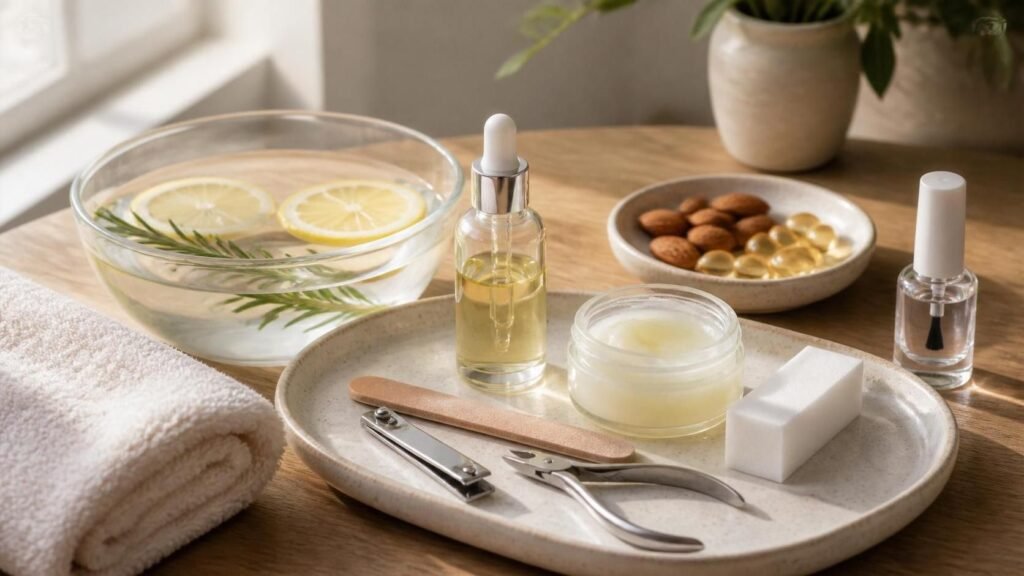
Most people with beautiful nails just do a few small things regularly and protect their hands from daily damage. The products matter less than the habits.
Below are 12 easy nail care routine steps chosen for real results, done entirely at home, even if you are a complete beginner.
1. Start With Completely Clean Nails
Every good nail care session starts with a clean slate. Old polish, surface oils, and product residue all interfere with what comes next — so removing them first is not optional, it is the foundation.
Remover choice: use an acetone-free remover for regular use — it dissolves polish without stripping natural moisture from the nail plate. Wash after: rinse hands thoroughly after using remover so no chemical residue sits on the nail bed during the rest of your routine. Frequency tip: do a full clean routine once a week and spot-clean cuticles and nails with a soft brush every few days in between.
2. Trim and File Your Nails Regularly
Overgrown nails snag, crack, and break — and broken nails always seem to happen at the worst possible moment. Regular trimming keeps your length manageable and your edges clean.
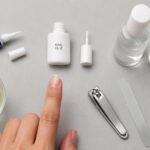
Clippers first: always trim before filing — clippers handle the bulk of the length and filing just refines the shape afterward. File direction: move the file in one direction only, not back and forth — sawing weakens the nail layers and causes peeling over time. Shape guide: match your nail shape to your natural nail curve — round and oval shapes tend to be strongest at the sides because they have no sharp corners to catch and break.
3. Soak Your Nails to Soften Cuticles
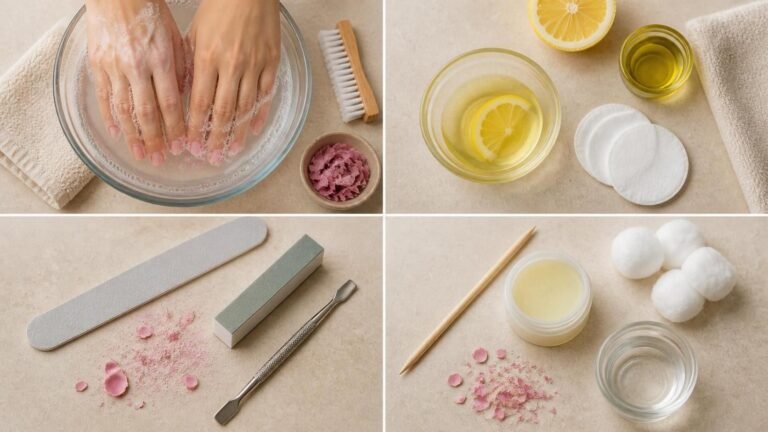
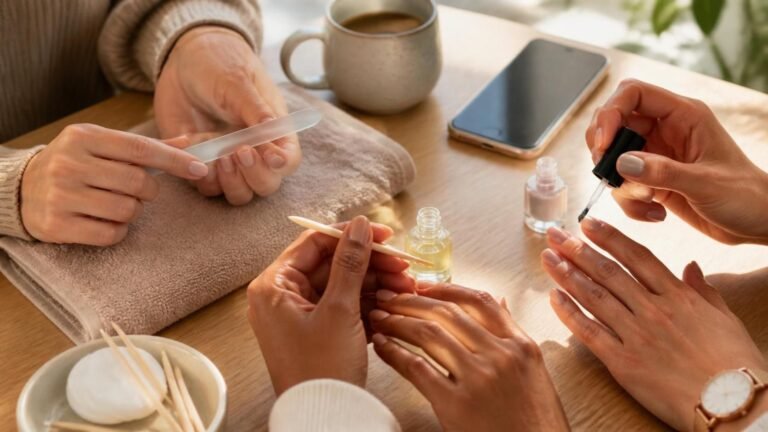
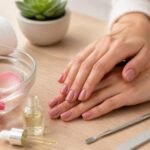
A short soak before working on your cuticles makes the whole process easier and gentler. Warm water softens the skin around the nail without any harsh chemicals or scraping required.
Soak time: five to seven minutes in warm water is enough — longer than that and the nail plate absorbs too much water and becomes temporarily soft and prone to damage. Add-in option: a few drops of mild soap or a small amount of olive oil in the water adds gentle cleansing or extra softening without irritating sensitive skin. Timing tip: do this step right before pushing cuticles back — softened skin responds better and you need far less pressure to move it.
4. Gently Push Back Your Cuticles
Tidy cuticles make nails look longer and more polished without any trimming at all. Pushing them back rather than cutting them is the safer, healthier approach for most people.
Tool choice: use a rubber-tipped cuticle pusher rather than a metal one — it gives enough control without the risk of scratching the nail plate underneath. Never cut: the cuticle is a seal that keeps bacteria out of the nail matrix — cutting it regularly breaks that seal and increases infection risk over time. Gentle pressure: push slowly and steadily from side to side rather than straight back — you get a cleaner result and cause less stress to the surrounding skin.
5. Moisturize Your Nails and Cuticles
Hydration is the single most underrated step in nail care. Nails that peel, crack, or break almost always lack moisture rather than strength. Cuticle oil and a good hand cream together handle both layers of the problem.
Oil first: apply cuticle oil directly to the base of each nail and massage it in — this is where nail growth happens and where hydration matters most. Cream after: follow with hand cream to lock the moisture in and soften the surrounding skin — hands that look after the nails matter as much as the nails themselves. Massage habit: spend thirty seconds massaging the product into each nail and cuticle — the circulation boost is a genuine benefit, not just a spa technique.
6. Use a Nail Strengthener When Needed
If your nails peel in layers, snap without warning, or struggle to grow past a certain length, a targeted nail strengthener used regularly can make a measurable difference in a few weeks.
Ingredient look: choose formulas with keratin, hydrolyzed proteins, or calcium — these reinforce the nail plate structure rather than just coating the surface temporarily. Application schedule: once or twice a week is enough — daily use of some hardening formulas can actually make nails more brittle over time rather than stronger. Cycle it: take a break from the strengthener every four to six weeks so your nails do not become dependent on it for their structure.
7. Apply a Protective Base Coat
A base coat does two things at once — it protects the nail from staining and it adds a thin reinforcing layer that helps the nail resist minor bending and impact throughout the day.
Even without color: apply a clear base coat on polish-free nails too — the protective layer is useful regardless of whether you plan to add color on top. Yellow prevention: dark polish shades stain nails a surprising amount without a base coat barrier — even a single layer makes a significant difference in how clean the nail plate looks over time. Dry time: let the base coat dry completely before moving on — adding color over a tacky base causes bubbling and shortens how long the whole manicure lasts.
8. Apply Polish Carefully If You Choose To
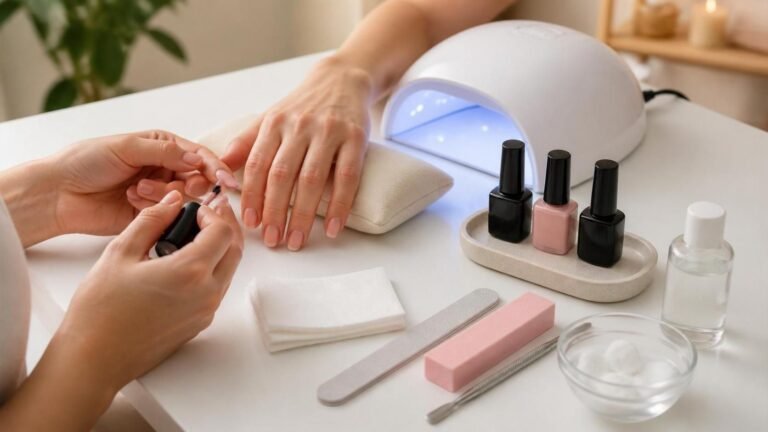
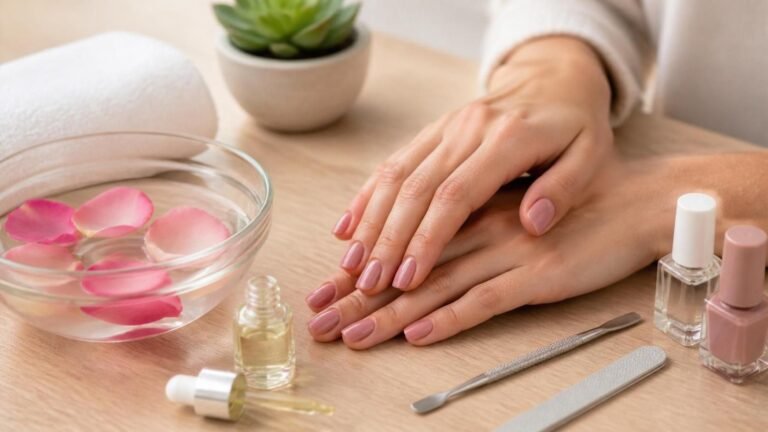
Colour polish is entirely optional — but if you enjoy it, the way you apply it matters more than the brand you use. Thin, even coats applied with patience always look better and last longer than thick rushed ones.
Thin coats: two thin coats beats one thick coat every time — thin layers dry faster, cure more evenly, and resist chipping far better than a single heavy application. Dry between layers: wait at least two minutes between coats rather than applying wet-on-wet — it feels slow but the result is dramatically more durable. Top coat finish: seal everything with a topcoat and reapply it every two days to maintain shine and extend the life of your colour without a full repaint.
9. Keep Hands and Nails Moisturized Every Day
A once-a-week routine builds the foundation, but daily moisturizing is what maintains it. Nails and cuticles lose moisture constantly — from handwashing, from cold air, from central heating, from everything.
Placement strategy: keep cuticle oil at your desk and hand cream by your bed — when products are visible and within reach, you actually use them consistently. Post-wash habit: apply a small amount of hand cream immediately after washing your hands while skin is still slightly damp — it absorbs better and is far more effective than applying to completely dry skin. Oil frequency: cuticle oil daily or every other day is ideal for anyone with dry or brittle nails — it takes under a minute and the results show within two weeks.
10. Protect Your Nails From Everyday Damage
Some of the most common causes of nail breakage have nothing to do with products — they come from daily habits that put unnecessary stress on the nail plate. Small changes in how you use your hands prevent most of it.
Gloves for chores: wear rubber gloves when washing dishes or cleaning with chemical products — prolonged water exposure and harsh cleaning agents both weaken the nail plate significantly. No nail tools: avoid using your nails to open packaging, scratch off labels, or pry things apart — this bends the nail at the stress point and causes the breaks that feel random but are completely preventable. Typing technique: try to type with the pads of your fingers rather than the nail tips — it takes adjustment but reduces the daily impact stress on longer nails considerably.
11. Give Your Nails Regular Breaks From Polish
Nails under constant polish coverage can become dry, discoloured, and weakened over time — not because polish is harmful but because the nail plate needs occasional exposure to air and light to stay balanced.
Break schedule: aim for three to five polish-free days every two to three weeks — this is enough recovery time without requiring a long stretch of bare nails. What to use during breaks: apply a clear strengthener or just cuticle oil during polish-free periods so the nails are being maintained rather than simply left bare. Discolouration note: if nails look yellow after removing polish, a break combined with daily lemon juice application or a nail brightening treatment corrects it quickly.
12. Eat a Diet That Supports Nail Growth
Nail health is as much an inside job as an outside one. Consistent peeling, slow growth, and soft nails often reflect nutritional gaps that topical products cannot fully compensate for.
Key nutrients: biotin, zinc, iron, and protein are the nutrients most directly linked to nail strength and growth rate — deficiencies in any of them show up on the nail plate before they appear anywhere else. Food sources: eggs, almonds, salmon, lentils, spinach, and pumpkin seeds cover most of the key nutrients in regular meals without any supplements required. Supplement note: if dietary changes do not improve nail quality after six to eight weeks, a biotin supplement is worth trying — results typically take eight to twelve weeks to become visible since nails grow slowly.
Frequently Asked Questions
Q: How long does it take to see results from a nail care routine? Most people notice a difference in nail texture and hydration within one to two weeks of consistent moisturizing. Actual strength improvements take longer because nails grow slowly — expect to see meaningful changes in four to six weeks of following a regular routine.
Q: How often should I do a full nail care routine? Once a week for the full routine — trimming, filing, soaking, pushing back cuticles, and treating — is enough for most people. The daily habits like moisturizing and protecting your hands from damage are what fill in the gaps between sessions.
Q: Is cuticle oil really necessary? It is the single most effective product in a nail care routine for anyone with dry or peeling nails. Cuticle oil reaches the nail matrix where growth happens and keeps the surrounding skin from cracking or lifting. If you only buy one nail care product, make it cuticle oil.
Q: Why do my nails keep peeling no matter what I do? Peeling nails are almost always a moisture or protein issue. Filing in a back-and-forth motion, extended water exposure without gloves, frequent gel or acrylic removal, and low biotin intake are the most common causes. Address the most likely cause first before adding more products.
Q: Can I do a nail care routine if I wear gel or acrylic nails? Yes, and it matters even more. Cuticle oil applied daily to the nail edges and surrounding skin, hand cream used consistently, and gloves during chores all protect the nail underneath the enhancements. Avoid picking at lifting gel — it removes layers of the nail plate with it.
Q: What is the most important step I can skip if I am short on time? If you only have two minutes, apply cuticle oil and hand cream. These two steps together do more for long-term nail health than anything else in the routine. Everything else builds on the foundation of consistent hydration.
The Real Reason Most Nail Routines Fail After the First Week
The honest answer is placement. Most nail care routines fail not because people lose motivation but because the products end up in a drawer and the habit never gets built. Cuticle oil that lives in a bathroom cabinet gets used maybe once. Cuticle oil that sits next to your keyboard or on your nightstand gets used every single day without any decision being required.
Habit design matters more than product quality in nail care. A decent cuticle oil used daily beats a premium treatment used occasionally every time. The same applies to hand cream, to wearing gloves for dishes, to reapplying topcoat twice a week. None of these steps are difficult — they just need to be positioned where they happen automatically rather than intentionally.
The other thing most routines miss is realistic expectations. Nails grow slowly — roughly three millimetres a month for most people. Damage shows up in the nail plate weeks after it happens, and repair shows up weeks after you start treating it. If you do the routine consistently for a month and feel like nothing has changed, keep going. The results are already growing toward the surface. They just are not visible yet.
Nails That Actually Grow
Healthy nails are not really about the manicure. They are about what you do between manicures — the oil you remember to apply, the gloves you put on before washing up, the filing direction you changed two months ago that stopped the peeling you had been dealing with for years.
The routine in this guide works because it addresses every layer of the problem. Hydration, protection, nutrition, and technique together cover all the reasons nails tend to struggle. You do not need every step every day. You need the right steps consistently over time.
Start with the two easiest changes — daily cuticle oil and gloves for dishes. Build from there. Most people who stick with even a stripped-down version of this routine for a month find that their nails change more than they expected from such small adjustments.
Stronger nails are genuinely achievable at home. They just need attention, not miracles.