
How Long to Wait to Shower After Gel Nails — Mistakes to Avoid for a Lasting Mani
You just finished a gorgeous gel manicure — color is perfect, shine is immaculate, and your hands look like they belong on a Pinterest board. Then the very next thought hits: can I shower yet? It is one of the most common post-gel questions and one of the easiest ways to accidentally ruin a fresh set before it even gets the chance to shine.
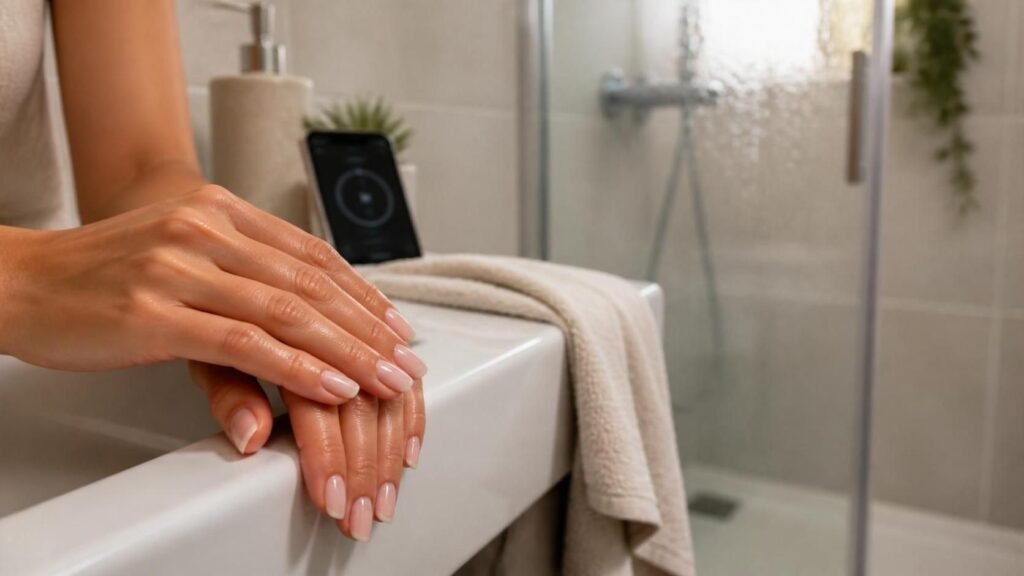
Water temperature, steam exposure, and timing all play a real role in how well your gel settles and how long it ultimately lasts. The decisions you make in the first few hours after a gel manicure directly affect whether it lasts two weeks or two days.
Below is everything you need to know about showering after gel nails — the safe waiting window, what happens when you skip it, and the simple habits that protect your manicure from day one.
Can You Shower Right After Getting Gel Nails?
Technically yes — but with some important conditions attached. Gel polish that has been properly cured through a UV or LED lamp is physically hardened the moment that lamp session ends. Unlike regular lacquer polish that air-dries over time, cured gel is a chemically completed product. It is not going to smudge from a light touch.
That said, hardened and fully settled are two different states. The gel may be solid, but the bond between the gel and your natural nail bed is still stabilizing in the hours immediately following application. Exposing it to steam, heat, or prolonged water contact during that settling window creates the conditions for early lifting, bubbling, and loss of shine. A quick rinse is survivable — a long hot shower is not ideal.
Cured does not mean fully set: Gel is hard immediately after curing but the bond between gel and natural nail continues to strengthen for several hours after.
Quick rinses are usually fine: A brief handwash with cool to lukewarm water right after a manicure will not damage a properly cured gel set in most cases.
Hot water is the main risk: Heat causes the nail bed to temporarily expand, which can stress the gel bond and create early lifting along the edges.
Steam matters too: Shower steam is warm moisture — even without direct water contact, heavy steam exposure can slightly affect freshly cured gel in the first few hours.
When in doubt, wait: If your schedule allows, giving your nails a few hours before any water exposure is always the safer and smarter choice.
How Long Should You Really Wait?
The widely recommended waiting period before exposing fresh gel nails to hot water, steam, or prolonged moisture is four to five hours. This window gives the gel time to fully stabilize its bond with the natural nail and ensures that heat and water encounter a set that is completely ready to handle them.
This four-to-five-hour guideline applies specifically to hot showers, baths, saunas, and hot tubs — situations that combine heat, steam, and extended water contact. A short lukewarm shower taken immediately after a salon visit is generally considered acceptable, especially if you keep your hands relatively dry and avoid direct hot water on your nails. The key distinction is between brief, cool-to-warm exposure and prolonged, hot, steam-heavy exposure.
Four to five hours is the benchmark: Waiting this long before a hot shower gives your gel manicure the best possible foundation for long-term wear.
Lukewarm showers are lower risk: If you absolutely need to shower sooner, keeping water temperature mild and your shower time short significantly reduces the risk of damage.
Hot baths need the longest wait: Soaking your hands in hot bath water is one of the most damaging things you can do to fresh gel — give it at least five hours minimum.
Saunas and steam rooms should wait: The combination of heat and humidity in these environments is particularly aggressive on freshly set gel — avoid for at least six hours.
Morning appointments work well: Scheduling your gel appointment in the morning naturally gives your nails hours to settle before an evening shower without requiring any deliberate planning.
What Happens If You Shower Too Soon?
Showering too soon after a gel manicure does not always cause immediate visible damage — sometimes the consequences show up over the next day or two as the compromised bond progressively fails. Understanding exactly what can go wrong helps you appreciate why the waiting period is worth it.
The most common issue from early hot water exposure is edge lifting. When heat causes the nail bed to expand, the gel at the very edge of the nail is the most vulnerable — it pulls slightly away from the nail surface and creates a microscopic gap that grows over time. Tiny air bubbles trapped beneath the gel surface are another sign of premature water exposure, and they create an uneven texture that is visible in certain lighting. Overall shine reduction and an uneven surface texture can also develop, making the manicure look older and more worn than it actually is.
Edge lifting starts here: Heat-induced nail bed expansion stresses the gel bond at the edges first — this is where peeling almost always begins.
Bubbles signal moisture intrusion: Tiny bubbles appearing in the gel surface within the first day are a classic sign that water or steam was introduced too early.
Shine loss is irreversible: Once the gel surface is compromised by early water exposure, the glossy finish dulls and cannot be restored without redoing the top coat.
Shortened manicure lifespan: A gel set exposed to hot water too soon typically lasts several days less than one that was properly protected during the settling period.
Uneven texture appears: Early water damage can create a slightly pitted or irregular surface texture that becomes more noticeable as the manicure ages.
Tips for Showering After Gel Nails
Building a few mindful habits around showering after a gel manicure makes a significant difference in how your set holds up across its entire lifespan — not just in the first few days. These tips apply both to the immediate post-manicure period and to your ongoing shower routine throughout the two to three weeks your gel is in place.
Water temperature and shower duration are the two most controllable variables in every shower you take with gel nails. Keeping both in check throughout the life of your manicure — not just in the first day — helps gel last longer and stay looking fresher. Aftercare steps like cuticle oil application after showering restore hydration that water and soap remove and help the nail and surrounding skin stay healthy and flexible.
Use lukewarm water temperature: Dial down the heat for the first few hours and keep shower water at a mild temperature throughout the life of your gel set.
Keep showers shorter: Prolonged water exposure softens the natural nail beneath the gel over time — shorter showers consistently add days to your manicure’s lifespan.
Avoid harsh soaps on nails: Strong antibacterial or exfoliating body washes strip the nail bed of moisture — use a mild, gentle formula especially in the first 24 hours.
Pat nails dry rather than rubbing: Gently pressing a towel against nails instead of rubbing across them prevents mechanical stress on the gel edge that causes early lifting.
Apply cuticle oil after every shower: Rehydrating with cuticle oil immediately after your hands have been in water restores moisture and keeps the cuticle from drying and pulling at the gel edge.
Can You Wash Your Hands After Gel Nails?
Hand washing is a hygiene necessity, and the good news is that washing your hands immediately after a gel manicure is completely safe. The key is in how you do it rather than whether you do it at all. Brief contact with cool or lukewarm water and a gentle soap does not threaten properly cured gel.
The habits that matter during hand washing with gel nails are water temperature, the choice of soap, and drying technique. Cold to lukewarm water is always preferable to hot. A mild hand soap rather than a harsh antibacterial or clarifying formula is gentler on both the gel surface and the surrounding cuticle skin. Patting your hands dry with a clean towel and following up with cuticle oil are the two steps that turn a necessary task into a nail care moment.
Lukewarm is always the safe temperature: Keep hand wash water cool to lukewarm — this is the easiest daily habit for protecting gel longevity throughout the entire wear period.
Choose a mild hand soap: Harsh formulas strip moisture from the nail bed and cuticle — a gentle moisturizing hand soap is the best daily companion for gel nails.
Pat dry every single time: Rubbing a towel across gel nails repeatedly throughout the day causes progressive edge lifting — always pat, never rub.
Follow with cuticle oil: A drop of cuticle oil massaged around each nail after hand washing replaces moisture removed by soap and water efficiently.
Do not use sanitizer excessively: Alcohol-based hand sanitizers used very frequently can dry out the cuticle area and cause gel edges to lift prematurely over time.
Showering Before vs. After Your Appointment — The Smarter Approach
One of the most practical strategies for protecting a fresh gel manicure is simply timing your shower on the day of your appointment. Showering before rather than after your salon visit means your nails go into the appointment clean, dry, and ready for application — and they come out with hours ahead of them before any water contact is needed.
This pre-appointment shower approach removes the entire question of waiting after your manicure. Your nails have the full evening, and potentially the entire following morning, to settle and bond completely before encountering any significant water exposure. For people who shower in the morning, scheduling afternoon or evening appointments creates this buffer automatically. For evening shower people, a morning appointment with a busy afternoon of activities in between achieves the same result without any deliberate effort.
Shower before your appointment: Clean, dry nails going into application and hours of post-cure time before your next shower is the ideal scenario for gel longevity.
Evening appointments work naturally: A salon visit in the late afternoon or evening means overnight settling time before morning hand washing — one of the best timing strategies available.
Plan your appointment day intentionally: Knowing you want to avoid hot showers for several hours lets you structure your day to make the waiting period completely effortless.
Avoid nail oils before your appointment: Clean nails with no product residue on the nail plate ensure the best possible gel adhesion from the very first layer.
Tell your technician your timeline: If you need to shower soon after your appointment for any reason, your technician may be able to suggest adjustments that reduce risk slightly.
Frequently Asked Questions
Q: How long should I wait to shower after gel nails? The safest waiting time is four to five hours before taking a hot shower. A brief lukewarm rinse or handwash can be done sooner, but extended hot water exposure should wait.
Q: What happens if I shower immediately after gel nails? A short, cool shower is unlikely to cause major damage. A long, hot shower taken immediately after can cause edge lifting, air bubbles beneath the gel, and reduced overall shine and longevity.
Q: Can I wash my hair in the shower after a gel manicure? Yes, but try to minimize direct hot water on your nails during the first few hours. Keeping your hands slightly away from the direct shower stream while washing your hair is a practical protective habit.
Q: Does steam from a shower damage gel nails? Heavy steam exposure in the first few hours can affect freshly cured gel. If your bathroom gets very steamy, cracking the door or window reduces steam concentration and lowers the risk to your fresh manicure.
Q: Is it okay to take a bath after gel nails? A bath that involves soaking your hands should be avoided for at least five hours after a gel manicure. Prolonged submersion in warm water is more damaging than a shower because of the extended heat and moisture contact.
Q: Can I go swimming after gel nails? Swimming in a pool or the ocean should wait at least 24 hours after a fresh gel manicure. Both chlorine and saltwater can compromise the gel bond, and the prolonged water contact is particularly aggressive on gel edges.
Why Water Is the Biggest Long-Term Enemy of Gel Nails
Most people understand that showering too soon after a gel manicure is risky — but fewer realize that water exposure continues to affect gel longevity throughout the entire time the set is on. Every shower, every dish-washing session, every long bath gradually works at the seal between the gel and the natural nail in ways that accumulate invisibly until lifting suddenly appears.
The natural nail plate is slightly porous, and it expands when wet and contracts when dry. Gel does not respond to moisture the same way — it stays rigid while the nail beneath it subtly shifts. Over days and weeks of repeated wet-dry cycles, this micro-movement eventually creates separation at the edges. This is why gel manicures done on naturally oily or frequently wet nail plates tend to have shorter lifespans than those on drier nail types with more mindful water habits.
Building consistent water-protective habits throughout the life of a gel manicure — gloves for dishes, cuticle oil after every shower, mild soaps, pat-dry technique — compounds into significantly longer wear time. Women who report getting three or more weeks from a gel set almost always practice these habits consistently rather than treating nail protection as a concern only in the first day after application.
The Simple After-Shower Gel Nail Routine That Makes Everything Last Longer
Adding a thirty-second routine after every shower makes a measurable difference in how long your gel manicure looks and feels its best. It requires almost no effort, costs very little, and addresses the two main ways that daily showering degrades gel over time — moisture loss from the cuticle area and mechanical stress from improper drying.
Step one is patting the nails dry rather than rubbing. A clean towel pressed gently against each nail removes water without stressing the gel edge or dragging across the surface. Step two is applying a single drop of cuticle oil around each nail and gently massaging it in. This takes under a minute and immediately replaces the moisture that soap and water strip from the cuticle and the nail bed. Hydrated cuticles do not crack, peel, or pull away from the gel edge — which is what keeps the gel looking sealed and intact for significantly longer.
These two steps done consistently after every shower are the difference between a gel set that looks pristine at two weeks and one that is showing visible edge wear and cuticle stress by day ten. Simplicity and consistency are the entire strategy.
🚿 Protect the Gloss: Small Habits That Keep Your Gel Nails Stunning
A beautiful gel manicure is genuinely worth protecting. The four-to-five-hour wait before a hot shower is a small act of patience that pays back in days of additional wear and a consistently gorgeous finish. Add in mindful water temperature, patting dry, and daily cuticle oil, and you have a complete protection routine that takes almost no time at all.
These habits are not about being precious with your nails — they are about getting the full value out of the time and money you invested in your manicure. Gel done right and cared for properly is one of the most satisfying beauty investments there is.
Save this guide, share it with your nail-obsessed friends, and protect every future gel set from day one. Your manicure deserves to look as flawless on day fourteen as it did walking out of the salon.
