How Long Should Gel Last on Nails? What to Expect and How to Make It Last
Gel nails have earned their reputation as the go-to manicure for a reason. They stay glossy, resist chipping, and keep your hands looking polished through busy weeks without constant touch-ups. But if your gel is lifting, dulling, or peeling earlier than expected, something in your routine needs adjusting.
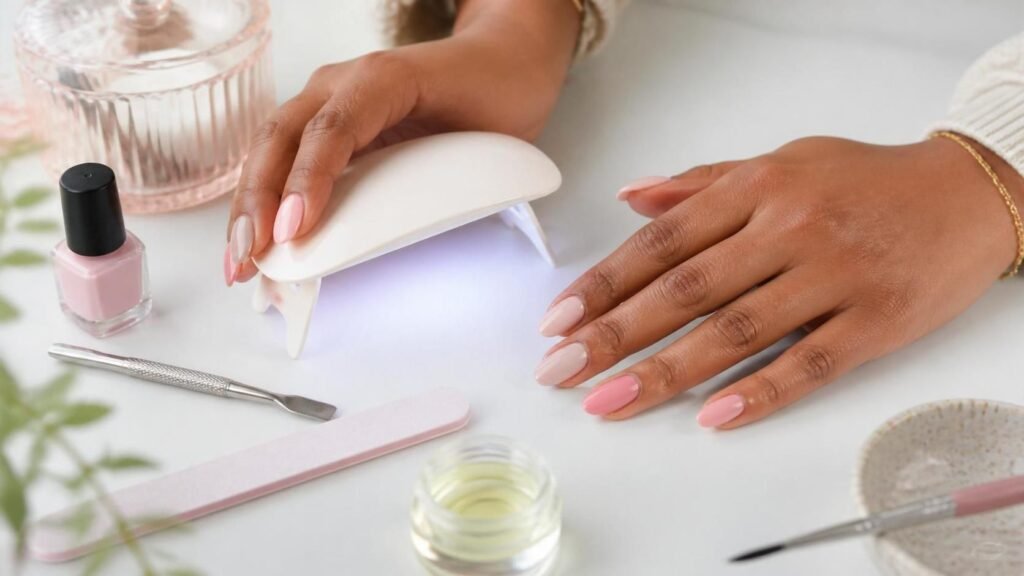
Understanding how long gel should actually last — and what controls that timeline — puts you in charge of your manicure. You should be getting full value from every appointment or DIY session.
Below are the key facts about gel nail longevity, what shortens it, clear signs it is time to refresh, and the best tips to make every gel manicure last as long as possible.
How Long Does Gel Polish Actually Last?
The honest answer depends on preparation, application, and how well you care for your nails after the lamp. But a realistic average gives you a solid benchmark to measure your own results against.
Standard wear time: A well-applied gel manicure typically lasts between two and three full weeks before needing removal or refill. Two-week mark: Most people hit the two-week point with gel still looking glossy, chip-free, and presentable for daily wear comfortably. Three-week stretch: With good prep and consistent aftercare, reaching three weeks is absolutely achievable for most nail types and lifestyles. Beyond three weeks: Technically possible but not recommended — nail growth creates lifting gaps that trap moisture and raise infection risk. The sweet spot: Scheduling removal or a refill at the two-to-three-week mark keeps your nails healthy and your manicure always looking fresh.
What Affects How Long Gel Nails Last
Not all gel manicures are created equal. Several key variables directly control how many days you get out of your polish before lifting or chipping begins. Knowing them helps you troubleshoot and improve your results each time.
Application quality: Rushed prep, skipped dehydration, or improper curing under the lamp are the top reasons gel lifts prematurely and early. Natural nail health: Oily, brittle, or peeling nails do not bond to gel as strongly — a nail dehydrator and primer dramatically improve adhesion. Daily hand habits: Frequent dishwashing, exposure to cleaning chemicals, and using nails as tools are the fastest ways to shorten gel wear time. Nail length and shape: Short rounded nails flex less and snag less than long stiletto or sharp square shapes, so gel holds significantly longer on them. Aftercare consistency: Daily cuticle oil, protective gloves for chores, and moisturizing hands each play a real role in extending your gel wear time.
Signs It Is Time to Refresh Your Gel Nails
Your nails will tell you when the manicure has run its course. Knowing what to look for helps you act at the right moment rather than pushing worn gel past the point where it becomes a nail health risk.
Visible growth gap: A noticeable strip of bare nail appearing at the cuticle line is the clearest signal that your gel is past its best stage. Lifting edges: When gel begins separating from the nail at the tip or sides, moisture and bacteria can enter underneath the lifted seal. Surface dullness: Fresh gel has a high-gloss finish — when that shine fades to a dull, scratched appearance, the manicure has run its natural course. Chipping or cracking: Any visible chip or crack in the gel layer means the protective seal is compromised and removal should happen soon. Discomfort or tightness: If gel feels tight, uncomfortable, or the nail underneath looks discolored, remove immediately and let nails recover fully.
How Application Quality Controls Everything
The single biggest factor in how long your gel lasts is what happens before the first coat of color ever touches your nail. Excellent application technique locks in days of extra wear that poor prep permanently eliminates.
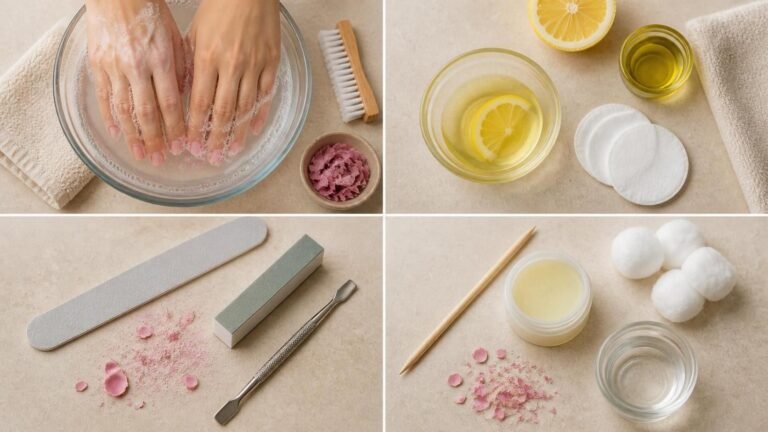
Dehydrate the nail plate: A nail dehydrator wipes away residual oils that are invisible to the eye but prevent gel from bonding fully to the surface. Use a bonding primer: A sticky base primer creates a textured surface layer that helps gel grip the nail plate with significantly stronger adhesion. Apply thin layers: Gel applied in thick coats does not cure evenly under the lamp, leading to soft spots, wrinkling, and early peeling problems. Cure fully under the lamp: Under-cured gel feels slightly tacky and will lift within days — always follow the recommended curing time for your specific lamp. Cap the free edge: Dragging the brush lightly across the nail tip seals the edge completely and is one of the most effective anti-chipping steps available.
Tips to Make Your Gel Manicure Last Noticeably Longer
Once your gel is on and cured, what you do next matters just as much as the application itself. These habits are the difference between a manicure that lasts ten days and one that holds strong for three full weeks.
Apply cuticle oil daily: Cuticle oil keeps the skin around your nails supple, reduces the risk of lifting at the edges, and maintains the overall nail appearance. Wear gloves for cleaning: Water and harsh cleaning products break down gel bonds faster than almost anything else — always use gloves for dishes and housework. Avoid nail-biting or picking: Any picking at gel edges accelerates the lifting process and pulls away natural nail layers causing lasting damage underneath. Reapply top coat every few days: A fresh layer of regular glossy top coat over gel every two to three days renews shine and reinforces surface protection. Keep nails away from heat: Very hot water softens gel slightly over time — use warm rather than hot water when washing hands to preserve the bond longer.
Can Gel Nails Last a Full Month?
This is a question almost every gel nail wearer eventually asks. The answer is technically yes — but practically, it is not a great idea for your nail health.
Four weeks is risky: By week four, natural nail growth has created a significant lifting gap that makes the nail vulnerable to moisture and infection. Lifting traps bacteria: Any gap between lifted gel and the nail plate is a warm, moist environment where fungal or bacterial issues can quietly develop. Natural nail stress: Extended wear causes the nail plate to weaken from being sealed and unable to breathe, which leads to thinning and softness over time. Refill option: If nails are still in great condition at three weeks, a professional refill at the growth line is safer than waiting for a full four-week removal. The healthiest approach: Commit to two-to-three-week intervals for removal or refill — your nails stay healthier and your manicure always looks its best.


Gel Polish vs Regular Polish: How the Longevity Compares
If you are still debating whether gel is worth the extra cost and time compared to regular polish, the lifespan difference alone usually answers that question clearly and quickly.
Regular polish wear: Standard nail polish typically stays chip-free for three to seven days depending on brand quality, application, and daily activities. Gel polish wear: A properly applied gel manicure delivers fourteen to twenty-one days of chip-free, high-gloss wear under normal daily conditions. Time value: Gel requires more upfront investment in time but dramatically reduces how often you need to redo your nails across any given month. Event ready: For vacations, weddings, or busy periods, gel is the clear winner — it survives travel, swimming, and daily wear without constant touch-ups. Cost comparison: Even at a higher per-appointment price, gel costs less per day of wear than regular polish refreshed every few days.
Frequently Asked Questions
Why is my gel polish lifting after just one week? Early lifting almost always points to a prep issue — oily nail plates, skipped dehydrator, or under-curing are the most common culprits behind premature gel failure.
Does gel last longer on short nails than long nails? Yes. Short rounded nails experience less leverage and snagging than long nails, which means the gel bond holds under much less daily physical stress.
Can I shower or swim with gel nails without shortening their lifespan? Occasional exposure is fine, but prolonged soaking in hot water or chlorine softens gel over time and increases lifting risk at the edges noticeably.
Is it bad to leave gel nails on for more than three weeks? Yes. Beyond three weeks, lifting gaps create conditions for moisture buildup, bacterial growth, and nail thinning that can take weeks to fully recover from.
Does the brand of gel polish affect how long it lasts? Quality does matter — professional gel brands cure more evenly and bond more reliably than budget options, resulting in visibly better wear time overall.
Can I extend gel wear time with a regular top coat over the top? Yes. Applying a layer of glossy top coat every few days adds surface protection, restores shine, and can add several extra days of wear to your manicure.
The Real Difference Between a Two-Week and a Three-Week Manicure
The gap between gel that lasts two weeks and gel that stretches comfortably to three is almost never about the polish brand or the lamp. It comes down entirely to preparation, technique, and the small daily habits that protect what is already on your nails. People who consistently get three weeks from their gel do not have magic nails — they have a consistent routine.
They prep thoroughly before every application. They cap the free edge without exception. They keep gloves by the sink and cuticle oil on the nightstand. These are not complicated habits — they are small, low-effort choices that compound into noticeably better results over time. And once those habits are in place, three-week gel wear starts feeling completely normal rather than impressive.
The other thing consistent long-wear gel users have in common is that they never push past the natural removal window. They remove or refill on schedule, keep their nails healthy underneath, and start the next manicure with nails in excellent condition. That cycle of good prep, good care, and timely removal is what actually keeps nails strong and gel lasting beautifully.
Gorgeous Nails, Every Single Week
Two to three weeks of glossy, chip-free nails is what a gel manicure is designed to deliver — and with the right approach, that is exactly what you will get every single time. The tips in this guide are not complicated. They are consistent, practical habits that protect your time, your money, and the health of your natural nails underneath.
Prep properly, cap the edges, keep your gloves handy, and apply cuticle oil every day. Do those things reliably and your gel manicure will reward you with its full potential wear time, every appointment.
Your nails are worth the extra five minutes of care. And a manicure that lasts three full weeks is worth every bit of effort that goes into making it happen.