
How Long to Soak Gel Nails with Acetone: The Safe Step-by-Step Guide
Removing gel nails at home sounds simple until you are fifteen minutes in and the polish is barely budging. The most common problem is not using the wrong product — it is using the right product the wrong way.
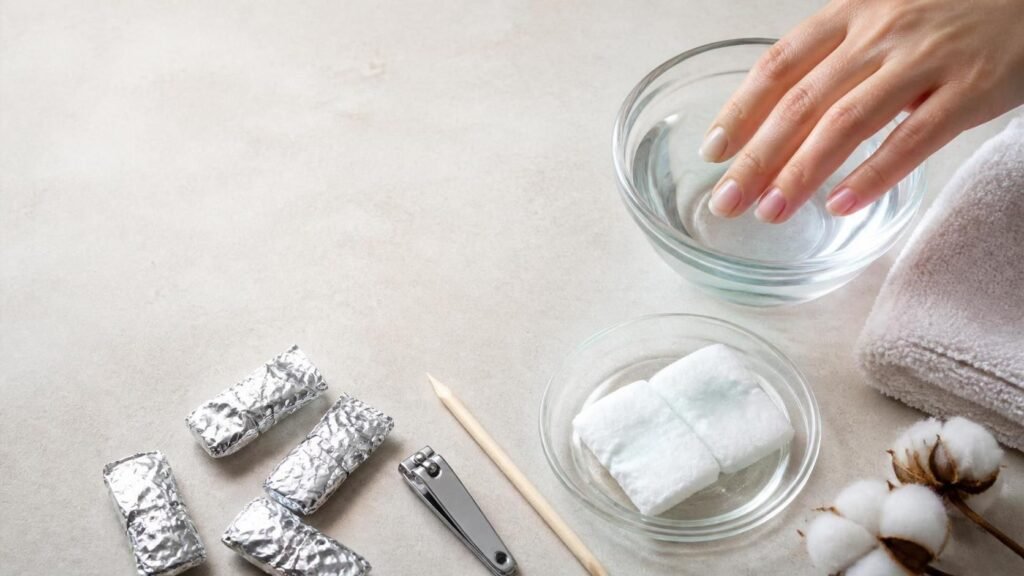
Acetone is genuinely the safest and most effective way to break down gel polish, but timing and technique matter enormously. Rush the process and you risk tearing layers off your natural nails. Get it right and the gel slides off cleanly without any damage at all.
Why Acetone Is the Right Tool for Gel Removal
Understanding why acetone works for gel helps you use it more confidently and correctly. Gel polish is not the same as regular polish — it is cured under UV or LED light, which creates a bond that standard nail polish removers simply cannot penetrate.
Gel bond chemistry: UV curing creates a cross-linked polymer structure in gel polish that only a strong solvent like acetone can dissolve effectively. Regular remover fails: Standard nail polish remover contains diluted solvents that are too weak to break down cured gel — only pure acetone works here. Safer than scraping: Acetone soak-off is gentler on your natural nails than any method involving aggressive filing or physically forcing the gel off. Effective at the source: Acetone penetrates the gel layers and breaks the adhesion bond at the nail plate, allowing clean and painless removal every time. Why it stays the standard: Despite newer alternatives, acetone soak-off remains the most reliable, widely available, and cost-effective gel removal method available.
How Long Should You Actually Soak Gel Nails with Acetone
The most searched question about gel removal has a clear answer with a small range depending on gel thickness and application type. Knowing the right window prevents both under-soaking and unnecessary overexposure to acetone.
Standard soak time: Most gel manicures require between 15 and 20 minutes of contact with acetone to fully loosen and lift from the nail surface. Thin gel layers: A lighter application with fewer coats typically softens in around 10 to 15 minutes under the foil wrap method. Thick or builder gel: Heavier gel applications, hard gels, or strong bonding base coats may need anywhere from 20 to 30 full minutes to release properly. The patience rule: Never peel or scrape before the gel lifts easily on its own — forcing it at the 10-minute mark is how nail plate damage happens. Check-and-re-soak method: Unwrap one nail at 15 minutes to test — if gel does not slide off with light pressure, rewrap and soak for another 5 to 10 minutes.
Step-by-Step: The Safest Way to Soak Off Gel Nails at Home
Following each step in the correct order makes the entire removal process faster, cleaner, and far less damaging to your natural nails. Skip one step and you will feel the difference immediately.
Step 1 — File the surface: Use a 180-grit file to gently break the shiny top coat seal — this allows acetone to penetrate the gel layers much faster. Step 2 — Protect your skin: Apply a thin layer of cuticle oil or petroleum jelly around each nail to shield the surrounding skin from acetone drying. Step 3 — Soak cotton pieces: Cut cotton balls into nail-sized pieces and saturate each one completely with pure acetone — not regular nail polish remover. Step 4 — Wrap with foil: Press each soaked cotton piece firmly onto the nail and wrap the entire fingertip tightly with a square of aluminum foil. Step 5 — Wait 15 to 20 minutes: Keep wraps completely on without peeking — the trapped warmth and acetone contact is doing the work during this time. Step 6 — Remove gently: Unwrap one nail and use a wooden cuticle stick to slide the loosened gel away in smooth strokes without any scraping force. Step 7 — Buff and nourish: Lightly buff the nail surface to remove residue, then immediately apply cuticle oil and hand cream to restore lost moisture.
Alternative Methods for Soaking Off Gel Nails
The foil wrap method is the most popular approach, but it is not the only way to soak gel nails with acetone. These alternatives offer different advantages depending on your preference and what supplies you have available.
Bowl soak method: Submerge fingertips directly in a bowl of pure acetone — effective but exposes more skin surface area to drying chemical contact. Warm towel trick: Draping a warm towel over foil-wrapped nails traps heat around the acetone, which speeds up the chemical breakdown of the gel significantly. Reusable soak-off clips: Plastic nail clips hold acetone-soaked pads firmly against nails and are a more eco-friendly, reusable alternative to single-use foil. Steam removal kits: Specialty at-home kits combine gentle heat and acetone vapor to soften gel — slightly faster than foil wraps for thick gel applications. Two-bowl warm water method: Place the acetone bowl inside a larger bowl of warm water to gently warm the acetone, which improves penetration without direct heat.
How to Make the Acetone Removal Process Faster
If you are short on time or simply want the process over as quickly as possible, a few targeted adjustments genuinely speed things up without increasing the risk of nail damage.
Warmth is your ally: Slightly warm acetone penetrates gel bonds faster — the warm towel-over-foil trick alone can shave several minutes off soak time. File more thoroughly: Spending an extra minute filing the shiny surface layer before soaking significantly reduces the time acetone needs to work through the gel. Use pure acetone only: Products labeled acetone-free or nail polish remover are too diluted — 100 percent pure acetone is the only formula worth using here. Avoid cold environments: Sitting in a cool room slows acetone effectiveness — room temperature or slightly warmer conditions produce noticeably faster results. Keep wraps tight and sealed: Loose foil allows acetone to evaporate quickly rather than staying in continuous contact with the nail surface where it is needed.
Aftercare to Restore Your Nails After Acetone Removal
Acetone does its job effectively but it also strips natural oils from both the nail plate and surrounding skin. A quick aftercare routine immediately after removal prevents the dryness and brittleness that people often blame on gel itself.
Apply cuticle oil immediately: Massage a generous drop of cuticle oil into each nail and surrounding skin right after removal while nails are still slightly warm. Use a strengthening treatment: A nail hardener or keratin-based treatment applied after removal helps rebuild density in any nail plate that feels thin or flexible. Moisturize hands generously: Rub a rich hand cream into your hands thoroughly after removal — acetone affects all skin it contacts, not just nails. Wait before reapplying gel: Give your nails at least two to three days to stabilize and recover their natural moisture balance before the next gel application. Avoid hot water immediately: Skip long hot showers or dishwashing right after removal — hot water accelerates further dehydration in already acetone-exposed nails.
Common Gel Removal Mistakes and How to Avoid Them
Even with good intentions, certain habits during gel removal cause the nail damage that gets blamed on gel manicures in general. Avoiding these mistakes protects your natural nails through every removal.
Peeling before full soak: Lifting gel manually before the acetone has fully done its job tears the top layers of the natural nail plate away with it. Using diluted remover: Any product that is not pure acetone will require dramatically longer soak times and often still fails to release the gel bond cleanly. Skipping the file step: Going straight to soaking without breaking the top coat seal means acetone sits on a water-resistant surface rather than penetrating the gel. Stopping too soon: Gel that requires force to remove has not soaked long enough — patience at this stage eliminates virtually all risk of nail surface damage. Skipping aftercare: Many people stop at gel removal and skip the oil and moisture step, which is exactly when nails are most vulnerable and most in need of care.
Frequently Asked Questions
Can I use regular nail polish remover instead of pure acetone for gel nails? No. Regular nail polish remover is too diluted to break down cured gel bonds. Only 100 percent pure acetone is strong enough to work effectively and safely.
What happens if I soak my nails in acetone for too long? Extended acetone exposure beyond 30 minutes causes excessive dryness, white chalky nail surfaces, and skin irritation — always follow up with oil and moisturizer.
Does filing the gel surface before soaking actually make a difference? Yes, significantly. Breaking the shiny top coat seal before soaking allows acetone to penetrate the gel layers directly and reduces total soak time noticeably.
Is the foil wrap method better than just soaking in a bowl of acetone? Foil wraps are generally better because they concentrate acetone contact directly on each nail while limiting skin exposure compared to a full finger submersion bowl.
Can I soak gel nails with acetone if my nails are thin or damaged? Proceed with caution and soak for the minimum time needed. Protect the surrounding skin well and follow with intensive moisture and strengthening treatment immediately after.
How soon can I get a new gel manicure after acetone removal? Wait at least two to three days to let nails fully rehydrate and stabilize — applying new gel immediately over depleted nails increases the risk of premature lifting.
The Detail Most People Miss That Ruins Gel Removal
The step that separates a clean, damage-free gel removal from a frustrating and painful one is almost always the filing step that comes before any acetone touches your nails. It takes about sixty seconds per hand and most people skip it entirely. That shiny top coat sitting on your gel is not just decorative — it is a moisture-resistant seal that actively blocks acetone from reaching the gel layers beneath.
When acetone sits on an unbroken top coat, it essentially pools on the surface rather than penetrating. The soak time doubles, the cotton dries out before the gel softens, and the whole process becomes inefficient. A gentle pass with a 180-grit file breaks that seal in under a minute and transforms the removal experience from frustrating to fast.
Once you file first, wrap tightly, and practice genuine patience for those 15 to 20 minutes, the gel will slide off so easily that first-timers are often genuinely surprised. That is how the process is supposed to feel. Easy, clean, and with zero damage to the natural nail underneath. The technique has always worked — it just needs to be followed in the right order.
Clean Off, Fresh Start
Soaking gel nails with acetone does not have to feel intimidating or damaging. With the right timing, a proper step-by-step approach, and five minutes of post-removal care, your nails can come out of every removal session looking clean, smooth, and genuinely healthy.
File first, wrap tightly, wait the full 15 to 20 minutes, and always follow up with cuticle oil and moisture. Do those four things consistently and your natural nails will stay strong through every gel manicure cycle.
You have already done the hard work of building a beautiful manicure. Taking it off safely is just the last step of showing your nails the care they deserve.
Every great new manicure starts with a clean, healthy foundation — and now you know exactly how to create one.
