Can You Sell Press-On Nails Without a License? The Honest Answer You Need
Press-on nails have gone from a budget backup plan to a full-blown beauty obsession — and creative entrepreneurs everywhere are taking notice. If you have a passion for nail art and a drive to build something of your own, the press-on nail market is genuinely one of the most accessible businesses to start right now.
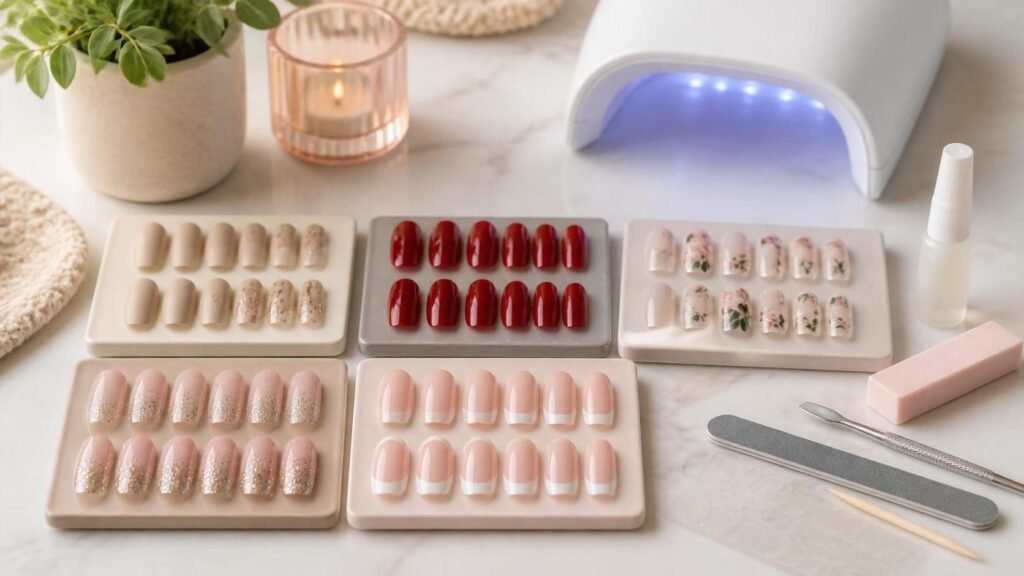
But before you photograph your first set and list it on Etsy, a very reasonable question pops up. Do you need a professional license to sell press-on nails legally?
The answer is more straightforward than most people expect, and it is mostly great news for aspiring nail artists ready to launch.
Here is a clear, honest breakdown of exactly what you need to know before you make your first sale.
Below are the key sections covering licensing rules, business requirements, smart selling tips, and creative strategies — everything needed to start your press-on nail business with total confidence.
Do You Actually Need a Cosmetology License to Sell Press-On Nails?
The short answer that most people are relieved to hear is no — a cosmetology license is generally not required to sell press-on nails.
Selling press-on nails is legally treated as selling a product, not providing a personal service. This is the same legal category as selling handmade jewelry, custom candles, or handcrafted skincare products.
Product vs. service distinction: Selling a product means the customer applies the nails themselves — no service is being performed on another person’s body.
Why it matters: Cosmetology laws exist to regulate hands-on services performed on clients, which is an entirely different category from product retail.
Widely applicable rule: This distinction holds true across most of the United States and many other countries, though local rules always deserve a check.
Craft business comparison: Press-on nail sellers operate under the same general framework as other handmade product creators on platforms like Etsy and Shopify.
Confidence to start: Understanding this distinction removes the biggest barrier most aspiring press-on nail sellers face before they ever make a single set.
Knowing that cosmetology licensing does not apply to product sales is the foundation that makes this entire business model so beautifully accessible.
When a Cosmetology License Is Not Required
There are several very common selling scenarios where you can operate a press-on nail business with complete confidence and no beauty licensing needed.
Each of these situations qualifies as product retail, which means you are running a shop — not a salon — and the rules reflect that distinction clearly.
Selling on Etsy: Handmade product sellers on Etsy operate as small business product retailers and are not subject to cosmetology regulations.
Running your own website: Whether you use Shopify, Squarespace, or WooCommerce, an independent online store is a product business, full stop.
Selling at craft fairs: Vendor tables at local markets and craft fairs fall under general vendor and seller regulations, not beauty licensing laws.
Pop-up events and markets: Seasonal or one-time selling events treat press-on nail sellers as product vendors alongside candle makers and jewelry artists.
Social media sales: Taking orders through Instagram DMs or Facebook posts is product selling — the same as any other small handmade goods shop.
As long as you are making the nails and shipping them to customers who apply them at home, you are firmly in the product seller category with no cosmetology license needed.
When You Might Need a Business License or Permit
Here is the important part that a lot of new sellers skip over: while a cosmetology license is not needed, a general business license or permit may still be required depending on where you live and how you operate.
These are standard small business requirements that apply to most types of home-based or online product businesses, not requirements specific to the beauty industry.
Local business registration: Many cities and counties require any business operating within their jurisdiction to register, even if it runs entirely from a home.
Sales tax permit: If you sell products in the United States, most states require sellers to collect and remit sales tax, which means obtaining a seller’s permit.
Home occupation permit: Some residential zoning areas require a permit if you run any commercial activity — including packaging and shipping products — from your home.
Marketplace compliance: Platforms like Etsy and Shopify require sellers to comply with their local business laws as a condition of their seller agreements.
Federal EIN number: If you plan to open a business bank account or file business taxes, obtaining a free Employer Identification Number from the IRS is a smart early step.
The right move is a quick visit or call to your city or county’s small business office — most can answer your specific questions in under ten minutes and at no cost.
Tips for Selling Press-On Nails the Right Way
Starting a press-on nail business without issues is about more than just licensing. The sellers who build strong, lasting brands pay attention to the details that protect their business and delight their customers.
These tips apply whether you are launching as a side hustle this weekend or building toward a full-time brand.
Register your business name: A registered business name looks professional, protects your brand identity, and makes you easier to find and remember.
Invest in quality packaging: Beautiful unboxing experiences drive repeat purchases — branded boxes, sizing cards, and application guides make a strong first impression.
Offer a sizing kit: Sending a nail sizing kit before the final order dramatically reduces returns, complaints, and negative reviews from poor fit.



Use cosmetic-grade materials only: Every polish, tip, adhesive, and embellishment must be certified safe for cosmetic use to protect customers and limit your liability.
Get product liability insurance: A low-cost product liability policy protects your business if a customer ever experiences an allergic reaction or product-related issue.
These are the building blocks of a press-on nail business that customers trust, recommend to friends, and return to season after season.
What Changes If You Apply Press-On Nails for Clients Directly
This is the specific situation where the rules shift entirely, and it is important to understand the line clearly before you cross it.
The moment you begin physically applying nails on another person as a service — whether you charge for it or not — you have moved from product selling into the regulated category of nail services.
Service versus product: Physically working on someone else’s nails, including filing, shaping, and gluing, constitutes a nail service in most jurisdictions.
License requirement: Performing nail services for compensation requires a cosmetology or nail technician license in virtually every U.S. state and most other countries.
Location matters too: Even with a license, performing nail services from an unlicensed space like a home kitchen can violate local regulations.
The simple boundary: Make the nails, ship the nails, let the customer apply the nails — that is the product business model that stays entirely outside cosmetology law.
Plan for growth: If you eventually want to offer application services, pursuing a nail tech certification is a worthwhile investment that expands your income options significantly.
Staying clearly on the product side of this line keeps your business simple, legal, and open to anyone in any location without additional credentials.
Creative Ways to Build a Press-On Nail Brand Without a License
The creative freedom available to press-on nail sellers is genuinely exciting — this is a business category that rewards originality, consistency, and an eye for what looks stunning on camera.
These ideas are designed to help you build a brand that stands out, grows organically, and turns one-time buyers into devoted repeat customers.
Launch themed seasonal collections: Holiday sets, wedding nails, and limited-edition seasonal drops create urgency and give customers a reason to return every few months.
Start a monthly subscription box: A subscription model provides predictable monthly income and builds a loyal customer base who look forward to your designs every single month.
Offer fully custom designs: Taking orders based on mood boards, color palettes, or outfit references positions your shop as a premium, personalized experience.
Collaborate with influencers and content creators: Sending free sets to aligned creators generates authentic content, social proof, and new customer exposure simultaneously.
Create application and styling tutorials: Educational content builds your authority, drives traffic to your shop, and shows potential buyers exactly how beautiful your product looks in real life.
The press-on nail business is a genuinely visual product in a visual era — the more creatively and consistently you show up online, the faster and more naturally your brand will grow.
Frequently Asked Questions
Q: Do I need any license at all to sell press-on nails online? A cosmetology license is not needed for product sales, but a general business license or sales permit may be required depending on your location.
Q: Can I sell press-on nails on Etsy without a cosmetology license? Yes — Etsy treats press-on nail sellers as handmade product sellers, not service providers, so no beauty license is required to open or run a shop.
Q: What happens if I apply press-on nails on clients without a license? Applying nails on paying clients without a cosmetology or nail technician license is illegal in most states and can result in fines or cease-and-desist orders.
Q: Do I need product liability insurance to sell press-on nails? It is not legally required in most places, but it is strongly recommended to protect yourself financially if a customer ever has a reaction to your products.
Q: Can I run a press-on nail business from home? Yes — most press-on nail businesses operate from home as product-based small businesses, though a local home occupation permit may be needed in some areas.
Q: How do I find out what business licenses I specifically need? Contact your city or county’s small business development office — they can tell you exactly which permits apply to a home-based product business in your area.
The Press-On Nail Business Opportunity Nobody Talks About Enough
The timing for launching a press-on nail brand has never been better than it is right now. Consumer demand for custom, salon-quality press-ons has grown dramatically as more people prioritize convenience and at-home beauty solutions over expensive salon appointments.
What makes this market particularly exciting for creative entrepreneurs is the low startup cost compared to the income potential. A small investment in quality materials, branded packaging, and consistent social media content can generate a genuinely meaningful monthly income — and the platform tools available for small product sellers have never been more accessible or more powerful.
The sellers who are building real brands in this space right now share two qualities: they take the quality of their product seriously, and they show it beautifully online. That combination, along with the legal clarity this article provides, is everything you need to get started.
Go Build It
The licensing question was probably the last thing standing between you and your first Etsy listing. Now you have a clear, honest answer — and the good news is exactly what you were hoping to hear.
You do not need a cosmetology license to sell press-on nails. You need quality materials, a registered business, the right permits for your location, and the creative confidence to put genuinely beautiful work out into the world.
Start small, stay consistent, and treat every order as an opportunity to create something someone will genuinely love receiving. The press-on nail market has room for your specific style, your specific aesthetic, and your specific vision.
The only thing left is to make the first set and take the first photograph.