
28 Brown to Blonde Balayage Ideas That Look Stunning and Grow Out Beautifully
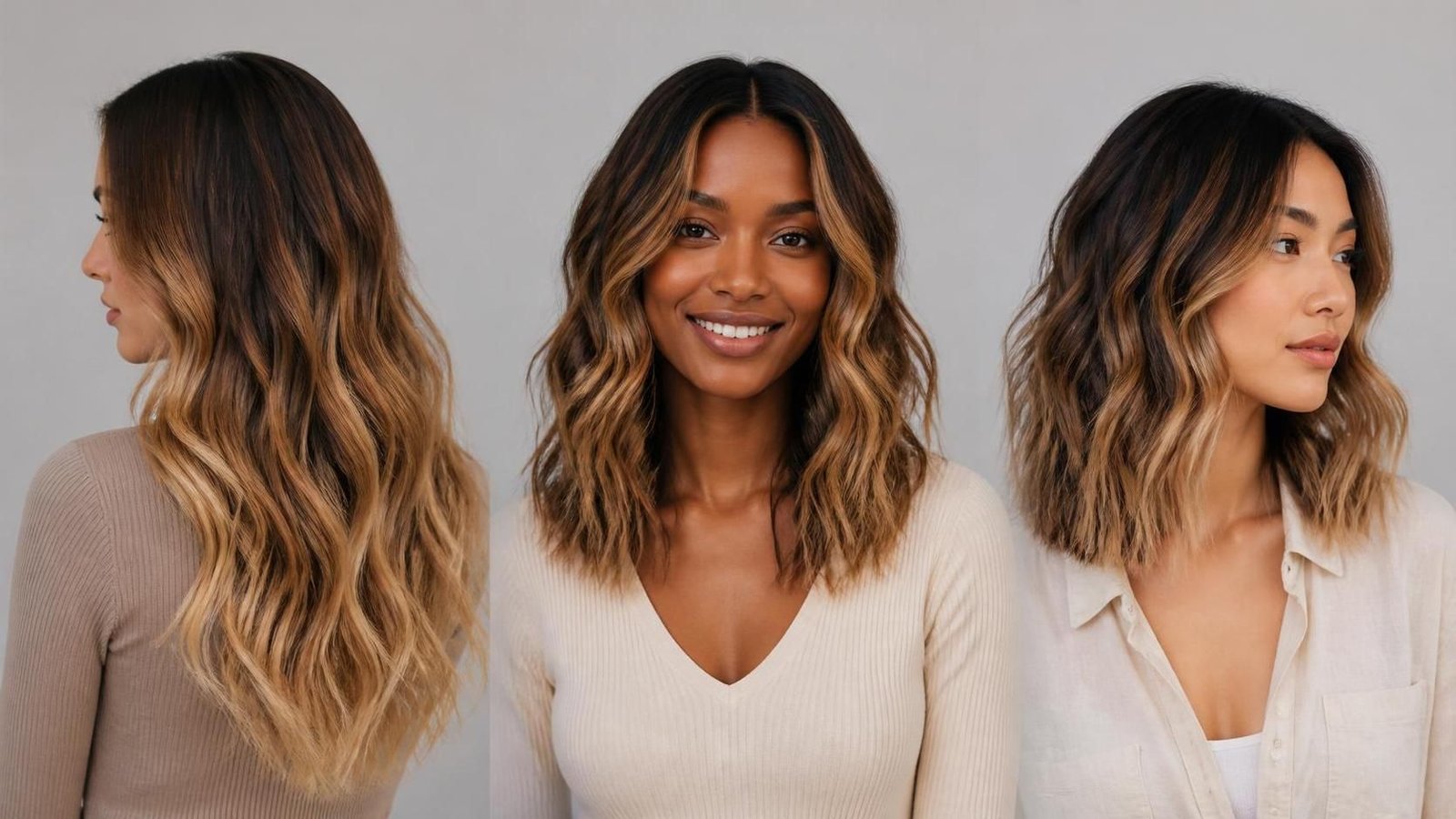
Brown to blonde balayage is one of the most flattering color techniques for brunettes who want a lighter, sun-kissed finish without a dramatic overnight change.
It keeps your natural depth intact while adding warmth or brightness exactly where it counts.
The result feels organic, like your hair has been naturally touched by sunlight over time.
What makes this technique stand out is how beautifully it grows out — no harsh lines, no awkward regrowth phases.
Whether you love warm honey tones, cool ash shades, or soft naturals, there’s a perfect version of this look waiting for you. Below are 28 brown to blonde balayage ideas chosen for their stunning color placement, beautiful blend, and easy long-term wear.
1. Soft Ash Blonde Balayage with Loose Waves
This cool-toned look places ash blonde through the mid-lengths and ends while keeping the darker brown root fully visible and natural-looking.
The color shift feels gradual rather than sharp, which gives the overall look a relaxed, effortless quality.
Best for: Cool or neutral skin tones that need brightness without warmth. Wave tip: Loose, open waves help diffuse the tone contrast so the color appears softer and more natural. Root tip: Leaving at least 2–3 inches of dark root makes the grow-out phase look completely intentional. Toning tip: Use a violet-tinted toner to keep the ash from pulling yellow between salon visits. Styling tip: Air-dry with a light curl cream to enhance the wave pattern without added heat damage.
2. Brown Balayage with Subtle Blonde Highlights
This is the most understated version of the look — fine sections of blonde are woven through the brown base so the lightness reads as dimension rather than contrast.
From a distance, the hair still looks solidly brunette, but up close it has a beautiful layered quality.
Best for: Anyone who wants to ease into lighter color without committing to a full transformation. Placement tip: Ask your stylist to focus highlights around the upper layers where light naturally hits first. Blending tip: Soft feathering at the roots prevents any obvious line between the highlighted and natural sections. Upkeep tip: This style needs the least maintenance — a gloss treatment every 8–10 weeks keeps it fresh. Finishing tip: A shine serum after blow-drying makes the subtle highlights pop without looking overdone.
3. Brown to Blonde Ombre Balayage
The ombre version of this technique keeps the brown base strong through the crown before gradually melting into blonde toward the ends.
The transition is smooth and controlled, making it one of the most low-maintenance balayage styles available.
Best for: Busy lifestyles where salon visits need to be spaced far apart. Transition tip: The most flattering ombres start the color shift at the jaw line rather than mid-shaft. Blending tip: Blurring the line between dark and light with a soft shadow root gives a cleaner finish. Length tip: This look works especially well on medium-to-long hair where the full gradient can be appreciated. Toner tip: A warm golden toner on the ends prevents the blonde from looking too stark against the dark base.
4. Warm Balayage Waves with a Soft Glow
Warm blonde tones — think honey, amber, and butterscotch — are swept through the lengths to create a glowing, sun-drenched effect.
The brown underneath keeps everything anchored so the warmth never tips into looking orange or brassy.
Best for: Warm and olive skin tones that are complemented by golden undertones. Warmth tip: Request a toner with gold or amber undertones to make the blonde feel rich rather than flat. Wave tip: Beachy waves with a 1.5-inch barrel iron reflect the color beautifully in natural light. Maintenance tip: Use a brass-neutralizing shampoo only occasionally — overuse can dull the warm tones you paid for. Shine tip: A camellia oil finish coat adds gloss and enhances the warmth of the color after styling.
5. Natural Brown to Blonde Balayage Waves
This look keeps the color palette close to nature — the blonde is barely-there but adds just enough brightness to make the hair feel livelier and more dimensional.
It’s a great choice if you want to enhance what you already have rather than create a noticeable change.
Best for: First-time balayage clients who want to test the waters before going lighter. Placement tip: Focusing color on the top sections and face-framing pieces gives the most natural brightening effect. Tone tip: Choosing a blonde just one or two shades lighter than your base keeps the result looking organic. Style tip: This look is stunning with soft waves — the movement adds visual interest when the contrast is minimal. Refresh tip: A clear gloss treatment every couple of months keeps the color vibrant without lifting the shade further.
6. Brown Balayage with Cascading Blonde Curls
Curly hair and balayage are a perfect pairing — the color is placed to follow the natural curl pattern, so each ringlet catches light differently.
The variation creates incredible dimension and makes the style look fuller and more dynamic from every angle.
Best for: Naturally curly or wavy hair types that want color-enhanced texture. Placement tip: Have your stylist apply color while your hair is in its natural curl state for more accurate placement. Moisture tip: Deep condition every week after balayage to keep curls defined and prevent dryness at the ends. Definition tip: Use a curl-defining cream while the hair is still wet to lock in the spiral pattern. Contrast tip: Slightly higher contrast between the dark root and light ends makes curls look more voluminous.
7. Soft Blonde Balayage on Medium-Length Waves
Medium-length hair hits a sweet spot for balayage — there’s enough length for the color to show off its full gradient, but it’s short enough to stay manageable.
The blonde here is diffused softly, with no hard edges or obvious sections to give away where the color starts.
Best for: Shoulder-length hair with natural wave or texture that moves easily. Diffusion tip: A brush-melting technique at the roots blurs any visible demarcation line between natural and colored hair. Volume tip: The color placement creates visual weight at the ends, making medium-length hair look thicker. Styling tip: Blow-dry with a round brush for smooth, bouncy waves that highlight the color beautifully. Refresh tip: Trim the ends every 8 weeks to keep the lightest sections looking healthy and bright.
8. Brown to Blonde Balayage with Defined Waves
This variation leans into a cleaner contrast between the dark base and lighter ends, with the blonde pieces reading noticeably against the brown background.
The defined waves help organize the tones visually so the color looks structured rather than scattered.
Best for: Those who prefer a more polished, editorial-leaning take on balayage. Contrast tip: Ask for at least two shades of lift between your base and the blonde for true visual definition. Wave tip: A flat iron twisted at the mid-shaft creates those clean, S-shaped waves that show off the color best. Sectioning tip: Color applied in slightly larger sections creates bolder, more defined blonde pieces throughout the hair. Toner tip: A cool, beige-toned toner keeps the blonde from going too warm and maintains the defined look longer.
9. Blunt Bob with Brown to Blonde Gradient
The blunt bob is sharp and structural, but the softly fading color keeps it from feeling too severe or heavy.
Color moves from brown at the roots to blonde at the ends, lightening the visual weight of the cut.
Best for: Chin-to-collarbone length bobs that need a color refresh to feel modern and fresh. Gradient tip: Keep the color transition in the bottom third of the bob for a subtle, not-too-obvious fade. Cut tip: Have the color done after your cut so your stylist can position the gradient precisely to the shape. Styling tip: Straightening a blunt bob with this gradient makes the color look incredibly sleek and intentional. Toner tip: A pearl or champagne toner on the ends softens the blonde and pairs beautifully with a blunt line.
10. Copper-Toned Brown to Blonde Balayage
Copper bridges the gap between brown and blonde with a richness that purely golden or ashy shades can’t match.
It adds warmth and brightness at the same time, making the transition feel luxurious rather than abrupt.
Best for: Warm or golden skin tones that look vibrant next to rich, spiced tones. Copper tip: Ask for a mix of copper and golden blonde pieces so the tone has range rather than reading as one flat shade. Fade tip: Blending the copper softly into the brown base at the roots makes the color feel natural. Toner tip: A copper-peach toner applied after lightening gives the freshest, most vibrant version of this look. Longevity tip: Use a color-protective conditioner weekly — copper is one of the fastest fading shades in the spectrum.
11. Curly Brown Hair with Caramel Balayage
Caramel is warm, golden, and perfectly positioned between brown and blonde — making it one of the most wearable balayage tones for brunettes with curls.
The color follows the movement of each curl so it never looks artificial or patchy.
Best for: Deep or medium brown hair that wants warmth without going too light. Caramel tip: Request a balayage in two caramel tones — one lighter, one slightly deeper — for more dimension. Curl tip: Apply color to stretched sections of the curl and let it process before releasing for even coverage. Moisture tip: Caramel tones require lifted hair, so bond-building treatments like Olaplex are important during processing. Finishing tip: Define curls with a light-hold mousse to let the color placement show off properly after drying.
12. Face-Framing Blonde Balayage on Soft Waves
Concentrating the lightest blonde pieces around the face is one of the smartest balayage moves — it brightens your complexion instantly without requiring all-over color.
The rest of the hair stays in softer, blended tones so the face-framing pieces don’t feel disconnected.
Best for: Anyone who wants to lift and brighten their look without committing to a full head of balayage. Framing tip: The best face-framing pieces follow the natural sections of your hair from just behind the temples forward. Blend tip: Have the pieces blend back into the rest of the balayage softly rather than cutting off at a hard line. Width tip: Keeping the highlights narrow and close to the face looks more natural than wide, blocky sections. Tone tip: A warm blonde for the framing pieces and a slightly deeper honey for the rest creates beautiful harmony.
13. Glossy Brown to Blonde Balayage
This version prioritizes finish over contrast — the blonde is smooth, refined, and polished rather than textured or dimensional.
The result looks like lit-from-within hair that reflects light in a clean, consistent way throughout the lengths.
Best for: Straight or slightly wavy hair that benefits from high-shine styling. Gloss tip: Finish this look with a salon gloss treatment in clear or soft gold to lock in the shine. Straightening tip: Blow-dry with a boar bristle brush to seal the cuticle and maximize reflectivity. Toner tip: A translucent toner over the blonde ensures both colors share the same undertone for a cohesive finish. Product tip: Apply a micro-fine hair oil from mid-shaft to ends — it enhances gloss without weighing the hair down.
14. Golden Brown to Blonde Balayage
Golden tones make the transition from brown to blonde feel warm and luminous — there’s a richness to this shade combination that cooler alternatives simply can’t replicate.
The result is bright without being stark, radiant without being overdone.
Best for: Medium or warm skin tones that glow next to gold and amber shades. Golden tip: A 24-karat gold toner applied after lightening gives the most saturated, warm golden finish. Balance tip: Mixing golden blonde at the ends with slightly darker honey tones mid-shaft adds depth and prevents flatness. Shine tip: Golden tones look best when the hair has high shine — use a smoothing treatment before color for best results. Touch-up tip: A golden gloss refresh every 8–10 weeks keeps the warmth alive between full balayage appointments.
15. Honey Blonde Balayage on Medium Lengths
Honey blonde is one of the most universally flattering balayage tones — it sits comfortably between warm and neutral and works across a wide range of base colors.
On medium-length hair it creates a beautiful, easy brightness that doesn’t demand frequent maintenance.
Best for: Medium brown to dark blonde bases where a gentle, warm lift is the goal. Honey tip: Ask for honey placed in thin, freehand sections for the most natural, sun-kissed result. Length tip: The color reads best from chin to shoulder length where the full spectrum from dark to honey can be seen. Maintenance tip: Honey tones are among the most low-maintenance balayage options — one touch-up every 12–16 weeks is usually enough. Styling tip: A half-up style with loose texture shows off the honey tones while keeping the look relaxed and effortless.
16. Icy Blonde Balayage with Dark Roots
Icy blonde and dark roots might sound like an unlikely combination, but when executed well, it’s one of the most striking and modern takes on brown-to-blonde balayage.
The cool, pale blonde creates high contrast against the dark base — but the gradual blend prevents it from looking harsh.
Best for: Darker brown bases where a bold color statement is the goal. Ice tip: Lift the ends as light as a level 10 before applying a silver-violet toner for the true icy effect. Root tip: A deliberate shadow root in dark brown or black grounds the icy ends and makes the contrast look intentional. Toning tip: Icy blonde needs regular toning every 4–6 weeks to prevent warm, brassy regrowth. Care tip: Use a deeply hydrating mask weekly — highly lifted hair needs extra moisture to stay strong and smooth.
17. Tousled Icy Blonde Bob
The bob and icy blonde are a bold, editorial combination — the cold, pale tone contrasts with the warmth of the brunette roots, and the tousled texture adds an effortless finish.
This is a look that works hard even when it appears effortless.
Best for: Short-to-medium bobs with natural movement and fine-to-medium texture. Tousle tip: Scrunch a sea salt spray through damp hair and let it air-dry for the ideal undone texture. Cool tip: A steel-blue or silver-violet toner keeps the icy tone fresh and prevents yellowing between appointments. Bob tip: Ask for a slightly disconnected, textured cut to maximize the movement the color creates. Upkeep tip: Use a purple shampoo once a week — but no more — to balance the tone without over-depositing.
18. Layered Beige Blonde Balayage
Beige blonde is the most neutral of all blonde tones — neither warm nor cool, it sits in a soft, muted zone that pairs effortlessly with almost every brown base.
When layered through the hair in thin, varied sections, it creates depth that looks completely natural.
Best for: Anyone who wants a sophisticated, low-key blonde with no obvious undertone direction. Beige tip: Mix a warm and cool blonde tone together in a single formula to create the perfect beige balance. Layering tip: Applied through multiple hair layers rather than just the surface, the color builds genuine dimension. Toner tip: A soft, nude toner in champagne or beige keeps this shade looking refined and polished after lightening. Style tip: This color excels when worn straight or with loose waves — it has a quiet elegance that suits both finishes.
19. Soft Ombre Waves from Brown to Blonde
This is a wave-focused take on the ombre technique — the color shifts from deep brown at the roots to a soft blonde at the ends, and the waves disguise where one tone ends and the next begins.
It’s one of the most relaxed and wearable versions of the brown-to-blonde palette.
Best for: Medium to long hair with a natural wave pattern that helps blend the transition organically. Ombre tip: The softer the transition between dark and light, the more natural the ombre looks — avoid hard lines. Wave tip: Using a 1-inch barrel iron on random sections rather than every strand creates that effortlessly undone wave. Placement tip: Letting the ombre start below the ears keeps the dark base strong and makes the color grow out gracefully. Toner tip: A soft vanilla or golden wheat toner on the ends ensures the blonde feels warm and approachable.
20. Pixie Cut with Blonde Balayage
Balayage on a pixie cut is unexpected — but it works beautifully when the lighter color is placed through the top layers to add contrast and prevent the cut from looking too flat.
The dark roots give the style depth while the blonde crown creates instant visual interest.
Best for: Short pixie cuts on all hair textures that want color without committing to a full dye job. Pixie tip: Focus the blonde on the longer, top sections of the pixie and leave the sides and nape darker for contrast. Lift tip: Even a subtle 2–3 level lift through the top makes a significant visual difference on short hair. Styling tip: Texturizing paste worked through the top section brings out the color variation and adds height. Upkeep tip: Short hair grows out fast — schedule a balayage refresh every 8–10 weeks to keep the contrast looking defined.
21. Soft Brown to Blonde Balayage with Natural Waves
This is the lived-in, no-fuss version of the trend — blonde is blended gently through the mid-lengths and the color feels like it’s always been there.
There’s nothing overdone or overworked about this look, which is exactly what makes it so wearable.
Best for: Natural wave patterns and low-maintenance lifestyles that prefer a soft, organic color aesthetic. Softness tip: Request an open-air balayage application for a feathery, diffused result with no visible boundaries. Wave tip: Let hair dry naturally and scrunch in a defining cream for the most authentic, relaxed wave finish. Length tip: This look is especially flattering at collarbone length where the natural waves move freely. Touch-up tip: Refreshing just the face-framing pieces every 10–12 weeks is often all you need to keep this looking fresh.
22. Tousled Balayage Highlights on Short Layers
Short, layered hair with balayage highlights is a combination that adds enormous dimension to an otherwise simple cut.
The highlights catch the light differently on each layer, creating a multi-tonal effect that looks much more complex than it actually is.
Best for: Short-to-medium layered cuts that need visual interest and texture without a dramatic color change. Highlight tip: Scattered, random placement through the layers looks more natural than evenly spaced, uniform highlights. Texture tip: A matte texturizing spray through tousled layers reveals the color variation beautifully without adding weight. Tone tip: A warm, caramel-toned blonde works better on shorter cuts than very light or icy blondes. Style tip: Finger-combing rather than brushing tousled short layers keeps the movement and color placement intact.
23. Wavy Bob with Subtle Blonde Balayage
The wavy bob is one of the most versatile cuts you can pair with balayage — the waves naturally distribute the color and create movement that a straight bob simply can’t replicate.
With subtle blonde placement, the look is polished but never rigid.
Best for: Chin-to-shoulder length bobs with natural or styled wave texture. Subtlety tip: Keep the blonde placement lighter toward the ends and slightly more concentrated in the face-framing sections. Wave tip: A loose S-wave created with a flat iron held at an angle gives the most balanced, elegant result. Toner tip: A warm nude toner keeps subtle blonde from going brassy in a way that would stand out on shorter hair. Shape tip: Have your bob cut slightly shorter at the back so the waves and color are both more visible from the front.
24. Wavy Bob with Caramel Blonde Highlights
Caramel and a wavy bob are a natural partnership — the warmth of the caramel adds richness to the texture while the waves break up the color so it never reads as one flat tone.
The brown base stays visible underneath, giving the look its depth and grounding the warmth.
Best for: Medium brown bases on a bob cut where a warm, glowing finish is the goal. Caramel tip: Two tones of caramel — one lighter at the ends, one deeper mid-shaft — creates more interesting dimension. Wave tip: Use a diffuser on low heat to dry a wavy bob with caramel highlights — it enhances both texture and color. Gloss tip: A caramel or amber gloss treatment between appointments keeps the warmth alive and adds shine. Product tip: A lightweight hair oil on the ends after styling enhances the caramel tones and keeps the waves defined.
25. Bronde Balayage with Sun-Kissed Pieces
Bronde sits perfectly between brown and blonde — it’s the most natural-looking outcome of this color journey, and it works on virtually every skin tone and hair type.
Sun-kissed pieces placed through the crown and ends make the color feel spontaneous and outdoor-earned.
Best for: Anyone who wants to look like their hair lightened naturally over a long summer. Bronde tip: The key to true bronde is equal parts warmth and neutrality — avoid going too golden or too ashy. Sun-kissed tip: Uneven, freehand balayage with varied section widths gives the most realistic sun-kissed effect. Length tip: Bronde looks incredible at all lengths but is especially striking on long hair where the range of tones can fully develop. Upkeep tip: A bronde gloss treatment every 8 weeks refreshes both the warmth and the neutral tones simultaneously.
26. Dimensional Chocolate to Caramel Blonde Balayage
This look stays in the warm, rich end of the spectrum — deep chocolate brown at the roots transitions through caramel into soft blonde at the ends, creating a multi-toned depth that’s hard to achieve with highlights alone.
Every layer of this color combination complements the next.
Best for: Dark brown or chocolate bases where a fully warm, rich color story is the goal. Chocolate tip: Keep the root color glossy and cool-toned so the caramel and blonde ends appear even warmer by contrast. Dimension tip: Mixing at least three tones — chocolate, caramel, and golden blonde — gives the richest result. Toner tip: A warm amber toner on the mid-lengths bridges the gap between the chocolate base and the lighter ends. Style tip: This color is made for loose, romantic curls — the movement helps every tone catch the light differently.
27. Platinum-Tipped Brown Balayage
This is the boldest entry on the list — the ends are lifted to near-platinum while the roots stay in a deep, natural brown, creating a striking before-and-after effect within a single head of hair.
The contrast is intentional and dramatic, but the blended balayage application prevents it from looking abrupt.
Best for: Those who want a high-impact look that still grows out gracefully without awkward regrowth lines. Platinum tip: Lift the ends to a level 10 before applying a cool, silver-violet toner for the cleanest platinum finish. Shadow tip: A deliberate shadow root in natural brown or dark ash makes the platinum ends feel grounded. Care tip: Platinum-lifted ends are the most fragile — use a protein treatment every two weeks alongside deep hydration. Touch-up tip: The toner on platinum ends fades fastest — plan for a toner refresh every 4–6 weeks to maintain the cool tone.
28. Effortless Lived-In Brown to Blonde Balayage
The lived-in balayage is the least polished, most relaxed version of this technique — and that’s entirely the point.
The color looks like it grew out naturally over months, with softly blended tones that require almost no upkeep and always look appropriate.
Best for: Low-maintenance lifestyles, busy schedules, and anyone who hates looking like they just left the salon. Lived-in tip: Request that the blonde be applied with no obvious sections or hard edges — the messier the application, the better the result. Grow-out tip: This balayage genuinely improves as it grows out — the color gets softer and more dimensional over time. Length tip: The lived-in style works at every length but is most flattering on medium-to-long hair where the natural movement shows. Styling tip: Air-dry whenever possible — letting the hair do its natural thing is exactly the vibe this look is built for.
Frequently Asked Questions
How long does brown to blonde balayage last before needing a touch-up? Most balayage styles can go 10–16 weeks between appointments. The more blended and natural the look, the longer it lasts without looking grown out.
Will brown to blonde balayage work on very dark hair? Yes, but it may require multiple lightening sessions to reach the desired blonde tone safely. A skilled colorist will assess your hair’s condition and plan the process accordingly.
Does brown to blonde balayage look good on all skin tones? Absolutely. Warm blondes suit golden and warm skin tones, cool ash blondes complement fair and cool complexions, and honey or beige tones work beautifully across the board.
What is the difference between balayage and ombre in a brown to blonde transition? Balayage is hand-painted freeform color with no defined start line, creating a scattered, natural effect. Ombre is a more graduated fade from dark to light with a visible transition point — usually lower on the hair.
How much does brown to blonde balayage typically cost? Prices vary widely by location and stylist experience, but full balayage usually ranges from $150 to $400 or more in the USA. Complex color corrections or very dark starting bases will increase the cost.
What products should I use to maintain brown to blonde balayage at home? Use a sulfate-free shampoo, a weekly deep conditioning mask, a purple or brass-neutralizing shampoo once a week, and a UV-protective hair oil or spray to prevent color fading from sun exposure.
The Art of Choosing the Right Blonde for Your Brown Base
Not every blonde works the same way on every brown base — and understanding this simple fact can be the difference between a balayage you love and one you feel lukewarm about.
Warm browns are naturally compatible with golden, honey, and caramel blondes because both sides of the color story share similar undertones. Cooler or ashier brown bases, on the other hand, pair most seamlessly with beige, ash, or icy blondes. When the undertones match, the transition looks genuinely effortless.
The second factor is lift. The lighter your target blonde, the more processing is required — and that processing must be managed carefully to protect hair health. Working with a colorist who understands the relationship between your starting depth, your desired result, and your hair’s structural integrity is the single best investment you can make before sitting in the chair.
Sparkling Finish
Brown to blonde balayage is one of those hair decisions that rewards patience and smart planning.
The best versions of this look don’t happen overnight — they’re built gradually, with thoughtful color placement and the right tones for your base and skin.
What makes balayage so enduring as a technique is that it works with your hair rather than against it. The color lives where light naturally falls, moves the way your hair moves, and grows out in a way that requires almost no damage control.
Whichever idea from this list caught your eye — whether it’s the bold icy contrast of platinum tips or the quiet warmth of honey blonde waves — the key is finding a colorist who listens, plans, and executes with care.
Save your favorites to a Pinterest board, bring the images to your next appointment, and let the transformation begin.
