Bold Undercut Hairstyles for Fine Thin Hair: 20 Chic Styles That Add Shape & Volume
An undercut might sound intimidating if you have fine or thin hair, but it’s actually one of the smartest strategies for creating shape and movement without added weight. By removing bulk from the underneath layers, you allow the top section to sit beautifully and catch light in ways that make thin hair appear fuller and more dimensional. The contrast between shorter underneath sections and longer top layers creates visual illusion and intentional styling that transforms even the most delicate hair textures.
Below are 20 beautiful undercut hairstyles for fine, thin hair, chosen for their flattering silhouettes, ease of styling, and ability to enhance rather than diminish your natural hair.
1. Tapered Undercut Crop
A tapered undercut crop creates a polished, contemporary look that works wonderfully for fine hair because it emphasizes the top section without weighing it down. The short, graduated sides taper smoothly into longer textured layers on top, creating dimension and movement. This style makes thin hair appear fuller through strategic contrast while remaining easy to maintain.
Styling for maximum lift: Use volumizing mousse at the roots and blow-dry with your fingers for effortless texture and lift at the crown.
Texture application: Light texturizing paste applied to damp hair creates definition and separation in the shorter layers.
Daily maintenance: This style requires regular trims every 4-6 weeks to maintain the tapered shape.
2. Asymmetrical Undercut Pixie
This asymmetrical undercut pixie brings modern edge while creating flattering proportions for fine hair with strategic length variation. One side features closely cropped undercut work while the other side sweeps longer across the crown, providing lift and visual interest. The asymmetry draws attention upward, making thin hair appear more voluminous through smart placement.
Side-swept technique: Direct the longer side across as you blow-dry, using a round brush to create gentle curves.
Defining the undercut: Apply a light styling cream to emphasize the contrast between long and short sections.
Growing it out gracefully: As this style grows, it transitions into a textured pixie-bob hybrid.
3. Buzzed Side Pixie
A buzzed side pixie delivers edgy sophistication by removing all weight from one side while keeping length on top for dimension and shape. This bold approach actually flatters fine hair by creating visual contrast that makes the top appear thicker. The close buzzed section keeps the overall look feeling light and contemporary.
Bold statement creation: A buzzed side makes a powerful visual statement while keeping styling effort minimal.
Top texture emphasis: Apply matte styling paste to the longer top section to bring out piecey texture.
Confidence factor: This style suits those ready for a noticeable change that feels intentional and modern.
4. Chin-Length Bob With Undercut Nape
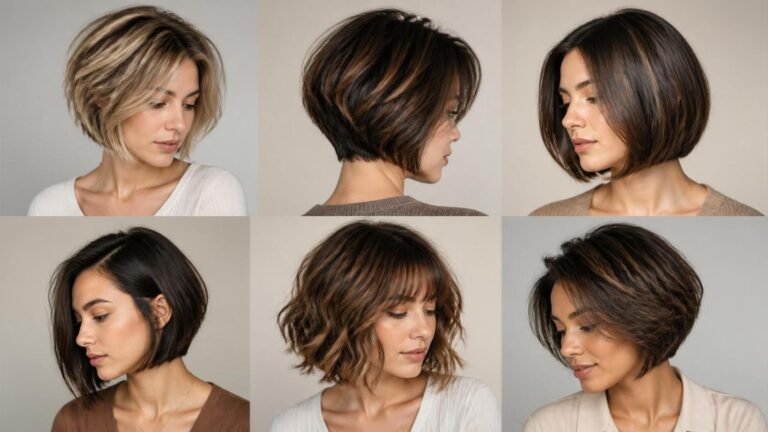
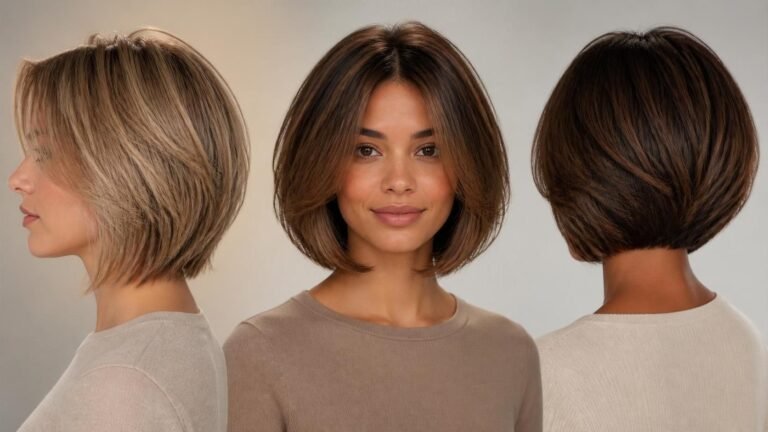
A classic chin-length bob becomes lighter and more contemporary when paired with a hidden undercut at the nape. The bob’s gentle roundness flatters the face while the undercut removes bulk that would otherwise weigh thin hair down. This combination delivers polish without heaviness, perfect for those wanting understated sophistication.
Hidden undercut advantage: The nape undercut removes weight while remaining completely hidden when hair is down.
Bob styling technique: Blow-dry with a round brush to create soft volume through the crown and sides.
Maintenance schedule: Trim every 6-8 weeks to keep the bob shape smooth and the undercut neat.
5. Fine Ash-Gray Hair Pixie
This softly layered ash-gray pixie proves that fine hair can look absolutely stunning with the right cut and color combination. Strategic layering through the crown creates lift and movement without creating wispy, sparse areas. The cropped sides maintain a clean finish while the textured top provides visual dimension.
Layering for fine hair: Ask for choppy layers that start at varying lengths to create apparent fullness.
Color enhancement: Ash-gray tones work beautifully with fine hair, creating depth through color variation.
Styling products: Light volumizing spray at the roots helps maintain lift throughout the day.
6. Hidden Side Undercut Bob
This sophisticated bob reveals its modern edge only when tucked back, offering the best of both worlds for those hesitant about visible undercuts. The traditional bob shape with a concealed side undercut provides both polish and contemporary flair. This style suits professionals who want subtle trendiness without dramatic visual change.
Versatile styling options: Wear the style down for classic polish or tuck the side back to reveal the undercut.
Sleek finish technique: Use a smoothing cream and blow-dry with a paddle brush for refined edges.
Undercut placement: The side undercut remains hidden until deliberately styled back.
7. Layered Undercut Lob
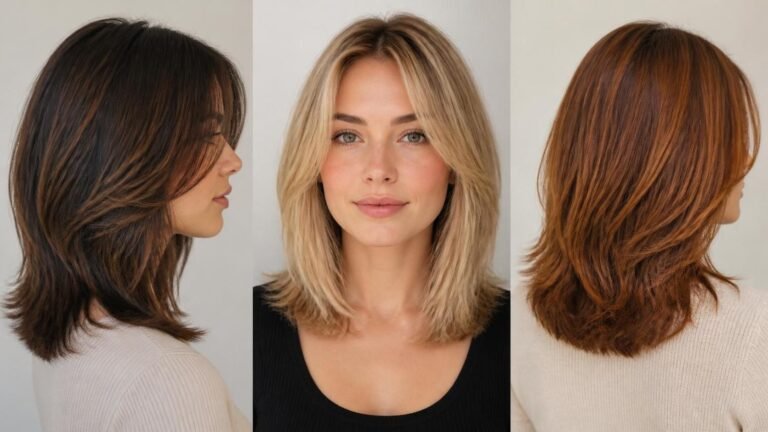
A layered undercut lob balances length with lightness by adding strategic undercut work underneath while maintaining softer, longer layers on top. The lob length (approximately collarbone) provides versatility while the undercut prevents heaviness. This style offers movement and shape without the commitment of very short hair.
Layering strategy: Layers should begin around mid-ear and gradually lengthen toward the front.
Texture spray benefit: Add texture spray through mid-lengths to enhance movement and prevent flatness.
Styling flexibility: This length can be styled down, half-up, or twisted into quick updos.
8. Nape Undercut Pixie
A nape undercut pixie keeps the back closely cropped while allowing the front and crown to maintain length for softness and shape. The close nape creates contrast that makes the longer top appear fuller. The side-swept front angles flatters the face beautifully while adding dimension.
Front-focused styling: Direct longer pieces forward and across to create shape around your face.
Lightweight finish: This style requires minimal product and effort because the cut does most of the work.
Easy daily wear: Most days require just a quick tousle with your fingers and light mousse.
9. Softly Rounded Bob With Undercut Nape
A gently rounded bob showcases how undercuts work beautifully with softer, more traditional shapes for fine hair. The rounded silhouette flatters most face shapes while the nape undercut keeps the back feeling light and current. This hybrid approach offers polish with modern sensibility.
Rounding the shape: Ask your stylist to create subtle roundness through the back and sides.
Nape undercut function: Removes excess weight while keeping the overall shape soft and approachable.
Round brush styling: Blow-dry with a round brush to enhance the gentle roundness.
10. Piecey Pixie Undercut
Choppy, textured layers create the piecey aesthetic that works exceptionally well on fine hair, especially when paired with an undercut. The separated layers prevent the style from appearing thin or wispy while the undercut keeps everything feeling light. This approach combines texture with structure in an effortlessly modern way.
Choppy layer technique: Ask for layers that vary significantly in length for maximum visual interest.
Texturizing product application: Apply matte paste to damp hair and piece out sections with your fingers.
Piecey finishing: The separated pieces should look intentional and undone, not thin or sparse.
11. Salt-and-Pepper Undercut Bixie
A salt-and-pepper bixie (the perfect hybrid between bob and pixie) leverages color variation for added dimension while the undercut shape keeps everything light and modern. The mixed coloring creates natural depth that makes fine hair appear fuller. The mid-length positioning offers versatility and face-framing softness.
Color advantage: Natural or intentional salt-and-pepper tones add apparent texture and dimension.
Bixie length definition: The style should measure longer in the front and shorter in the back for distinction.
Styling versatility: Style the longer front pieces down, swept back, or pinned for different looks.
12. Side-Swept Pixie Undercut
A dramatic side-swept pixie creates maximum impact by directing long front pieces across the crown while keeping sides and back closely cropped. This extreme side part adds visual fullness while the undercut prevents weight. The sweeping motion creates movement and helps thin hair appear more voluminous.
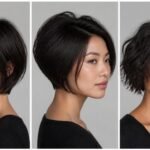
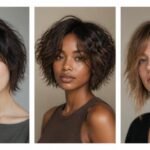
Directional styling: Always blow-dry the long side across to maintain the swept aesthetic.
Root lift essential: Use volumizing spray at the roots to support the side-sweep.
Daily styling routine: This style requires regular blow-drying to maintain its directional shape.
13. Silver-Gray Undercut Pixie
A sophisticated silver-gray undercut pixie offers elegance through both cut and color, with soft layering creating lift and a neat undercut maintaining modern appeal. The cool silver-gray tone adds apparent dimension and works beautifully with the textured pixie shape. Fine hair looks particularly striking in this color-cut combination.
Color consideration: Silver-gray requires commitment to maintenance but rewards with stunning dimension.
Soft layering approach: Avoid overly choppy layers that might appear sparse in this delicate color.
Styling simplicity: Light styling cream is usually all this style needs for polished presentation.
14. Soft Faux Hawk
A soft faux hawk creates the illusion of height and volume through center-focused length while keeping sides tapered and clean. This style works better for fine hair than traditional faux hawks because the “soft” approach prevents stiffness. The center strip of longer hair draws attention upward, making thin hair appear fuller.
Soft mousse application: Apply volumizing mousse through the center section before blow-drying.
Directional blow-drying: Push the center section upward and back while styling to maximize lift.
Wearable boldness: This style is daring enough to make a statement while remaining comfortable.
15. Soft Pixie Undercut
A gently textured pixie undercut combines softness with modern structure, ideal for those seeking understated contemporary styling. The soft layers prevent the pixie from appearing harsh while the undercut adds definition. This balance creates polish without severity, suiting various face shapes beautifully.
Gentle layering: Soft layers should blend smoothly rather than create dramatic choppiness.
Undercut neatness: The undercut should be tidy but not visible when hair is worn down.
Effortless styling: Light mousse and finger-drying usually suffice for polished appearance.
16. Textured Crop With Undercut
A textured crop emphasizes the top section through choppy, varied layering while the undercut removes unnecessary weight underneath. The texture creates apparent fullness and movement throughout the style. This approach maximizes the flattering potential for fine hair through smart cut construction.
Texture creation: Ask for choppy layers throughout the top section for maximum visual interest.
Undercut proportion: The undercut should be shorter enough to create contrast but not so severe as to appear harsh.
Product application: Matte texturizing paste brings out the piecey quality of the crop.
17. Undercut Bixie
An undercut bixie strategically combines bob softness with pixie lightness, creating the ideal balance for fine hair styling challenges. The blended length (longer in front, shorter in back) provides face-framing softness while the undercut keeps everything feeling light. This hybrid approach offers versatility for both professional and casual settings.
Blending the bixie shape: The transition from front to back should be gradual and flattering.
Undercut placement options: Consider a nape undercut, side undercut, or tapered undercut depending on preference.
Flexible styling: Style with texture spray for undone vibes or with smoothing cream for polish.
18. Undercut Shag Pixie
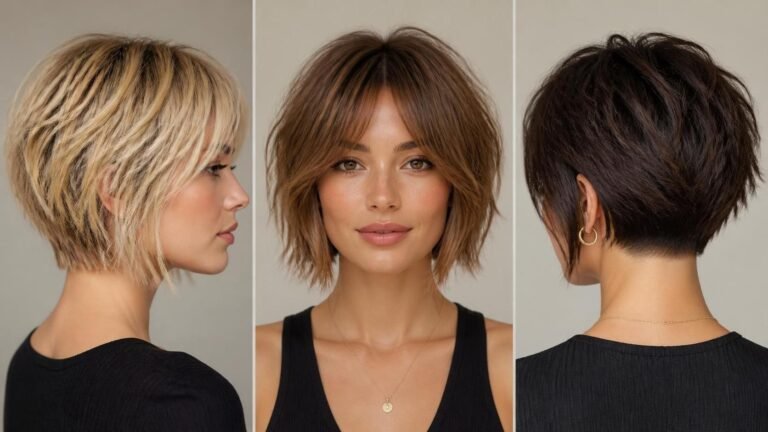
A shaggy pixie undercut brings lived-in texture and movement to fine hair while the undercut prevents heaviness. The airy shag layers create dimension and the cropped undercut keeps the overall shape controlled and modern. This style merges 70s-inspired shag with contemporary undercut structure.
Shag layer creation: Choppy, separated layers should feel effortlessly undone rather than styled.
Undercut compatibility: The undercut works beautifully with shag because it provides structure without weight.
Texture spray benefit: Soft texture spray enhances the shaggy, piecey quality.
19. Wavy Gray-Blonde Undercut Bob
A wavy gray-blonde bob with undercut combines dimensional color with gentle wave texture and modern undercut structure for sophisticated appeal. The waves add volume while the undercut removes bulk underneath, creating the illusion of fuller hair. This style suits those seeking elegance with contemporary edge.
Wave creation: Curl sections with a wand and brush out gently for relaxed waves rather than spirals.
Color dimension: Gray-blonde coloring adds natural-looking depth that creates apparent thickness.
Undercut discretion: Keep the undercut hidden or partially revealed depending on daily styling preference.
20. Tousled Textured Undercut Bob
A casually tousled textured bob with undercut offers effortless chic through strategic layering, texture variation, and smart undercut placement. The textured layers catch light and create movement while the undercut prevents any heaviness. This style appears carefully styled while requiring minimal daily effort.
Texture development: Ask for choppy layers that naturally separate rather than requiring piecing with products.
Casual styling approach: Apply texture spray and shake your head for instant dimension and movement.
Effortless polish: This style naturally looks put-together without requiring extensive styling time.
Frequently Asked Questions
Do undercuts actually make fine hair appear thicker or does the opposite happen? When done correctly, undercuts absolutely make fine hair appear thicker. By removing weight from underneath, the top section sits better and catches light more effectively. The contrast between short and long sections creates visual illusion of fullness, especially when the top maintains adequate length and texture.
What’s the best type of undercut for someone just starting with this concept? A hidden nape undercut or subtle side undercut is ideal for beginning your undercut journey. These approaches provide the benefits of an undercut while remaining invisible when your hair is worn down. As you become more comfortable, you can explore more visible undercut placements.
How often do I need to get the undercut trimmed to maintain the style? Most undercuts require trims every 4-6 weeks to maintain their shape and definition. Fine hair shows regrowth more noticeably, so staying on a consistent schedule helps the cut look intentional rather than growing out awkwardly.
Can I style an undercut different ways, or is it locked into one look? Absolutely, you have styling flexibility! Undercuts can be worn with the undercut hidden (tuck longer pieces back), partially visible, or fully revealed. This versatility means you can adapt your look to different occasions and moods throughout the week.
What products work best for styling undercut hairstyles on fine hair? Light products work best on fine hair with undercuts: volumizing mousse, dry texture spray, and lightweight styling creams. Avoid heavy pomades or thick gels that weigh down fine strands. Matte paste products work well for bringing out texture without adding weight.
Should I consider color when getting an undercut on fine hair? Yes! Dimensional coloring like ash-gray, salt-and-pepper, or blended tones add visual depth that makes fine hair appear fuller. The color variation creates interest that thick hair might not need but fine hair definitely benefits from for apparent volume and movement.
Understanding Undercut Mastery for Delicate Hair Types
Undercuts have become increasingly popular because they offer a modern aesthetic while actually solving real problems for people with fine, thin hair. Rather than trying to create volume where you don’t have it, undercuts work with your hair type by removing weight strategically. The goal is creating shape and definition that makes your hair appear fuller through intelligent cutting rather than endless styling attempts.
The key to undercut success on fine hair lies in communication with your stylist about your specific concerns and desired level of visibility. Some people want a dramatic undercut that’s always visible, while others prefer a subtle hidden undercut for professional settings. Your stylist can adjust placement, length, and taper to create exactly the look and feel you’re seeking while ensuring your fine hair looks its absolute best.
Transform Your Look With Strategic Styling Choices
Choosing an undercut is choosing efficiency alongside style, making your daily routine simpler while your hair looks more intentional and polished. Fine hair responds beautifully to well-executed undercuts because the technique actually works with your hair texture rather than fighting against it. The contrast and shape created by undercuts provide visual fullness that no amount of volumizing products alone can achieve.
Whether you’re drawn to soft, subtle undercuts or bold, dramatic versions, there’s absolutely an approach that suits your comfort level and personal style. Start by exploring options in the gallery, saving the styles that resonate with you, and discussing them with your stylist. Your perfect undercut is waiting, and it’s going to transform how you feel about your fine, thin hair every single day.