
18 Best Bob Hairstyles for Fine Hair That Add Volume and Look Stunning
Fine hair and bob haircuts were practically made for each other — and once you see the right cut on your hair type, you will completely understand why. The bob’s structure, weight, and versatility make it one of the most flattering and volume-boosting choices for anyone with thinner strands.
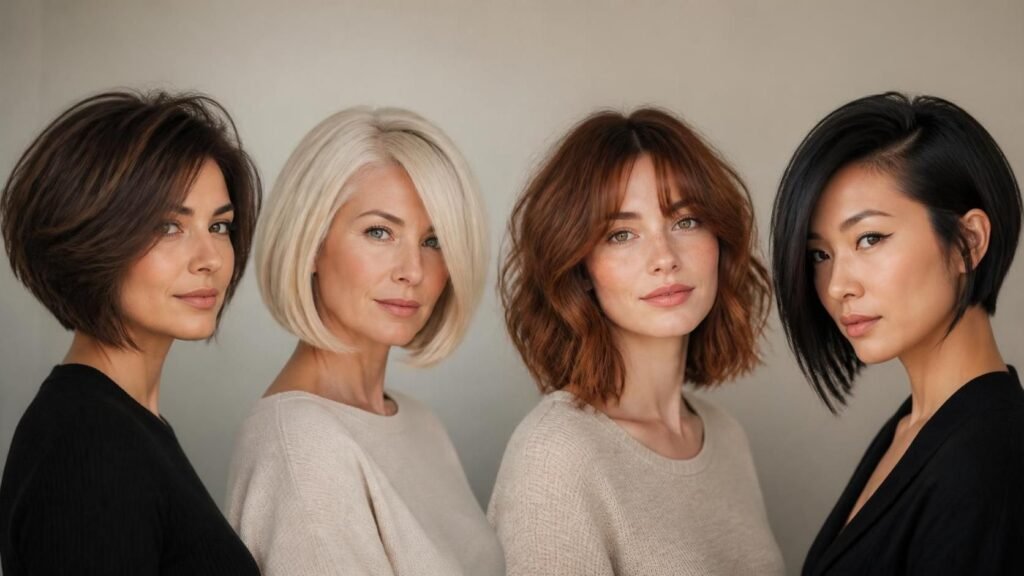
Fine hair tends to fall flat with too much length pulling it down, but a well-chosen bob removes that weight and lets the hair breathe, bounce, and move freely. The key is knowing which specific bob variation works best for your texture, face shape, and lifestyle. There are more options than you might expect — and every single one of them can make fine hair look fuller, healthier, and genuinely beautiful.
Below are 18 stunning bob hairstyles for fine hair, handpicked for their volume-building qualities, wearability, and real-life style impact.
1. Classic Blunt Bob
The blunt bob is one of the very best haircuts ever invented for fine hair, and there is solid science behind why it works so well. When all the hair is cut to a single, even length, the ends stack together and create a strong, dense perimeter line. This instantly makes fine hair appear thicker and more substantial at the tips — exactly where thin hair most often gives itself away.
The classic blunt bob typically sits between the chin and collarbone and works beautifully on all face shapes. The absence of layers means there are no wispy, tapered ends to betray your hair’s fine texture. The result is a polished, clean, and confident look that requires minimal effort to style each day.
Length sweet spot: Chin to collarbone length gives fine hair maximum density — longer pulls weight down, shorter can look thin. Styling tip: Blow-dry with a round brush to add bend at the ends and lift at the roots for extra body. Color boost: A single-process all-over color makes fine blunt bobs look even denser and more dimensional in photos.
2. Layered Bob
Strategic layers are one of the most effective tools for adding movement and life to fine hair without sacrificing fullness. A layered bob removes bulk from the interior of the cut while keeping weight around the perimeter, which gives fine hair a bouncy, dynamic quality that plain straight cuts sometimes lack. The movement created by layers makes hair appear more voluminous overall.
The secret is asking your stylist for soft, face-framing layers rather than heavy graduation throughout — this way, your hair gains movement without losing the density it needs at the ends. A layered bob styled with a round brush or a light-hold mousse genuinely transforms fine hair from flat and lifeless into something full of personality and bounce.
Layer placement: Keep layers around the face and mid-lengths only — too many throughout thin hair makes it look even flatter. Product choice: A lightweight volumizing mousse applied to damp hair before blow-drying creates the best layer movement. Trim schedule: Book a trim every six to eight weeks to keep layers fresh and prevent the bob from losing its shape.
3. Inverted Bob
The inverted bob — shorter and stacked at the back, with longer front sections framing the face — is one of the most volume-building haircuts available for fine hair. The stacked layers at the nape create a rounded, voluminous shape at the back of the head that adds incredible body where fine hair typically looks the flattest. It is dramatic, modern, and deeply flattering.
The contrast between the shorter back and the longer front pieces creates a beautiful silhouette that frames the face elegantly. Fine hair benefits enormously from the graduation in an inverted bob because the stacking literally lifts and builds shape that would otherwise be absent. This cut is especially striking on fine hair that has been given a bit of texture with sea salt spray or a light-hold styling cream.
Back length: The shorter the back stack, the more dramatic the volume — start modestly and go shorter once you love it. Face framing: Keep the front pieces chin-length or longer so they elegantly frame your features without looking choppy. Blow-dry direction: Dry the back sections upward and forward to maximize the lift and roundness of the stacked shape.
4. A-Line Bob
The A-line bob is longer at the front than at the back, creating a gentle diagonal line from back to front that is incredibly flattering on a wide range of face shapes. For fine hair, the shorter back section removes the heaviness that weighs thin strands down while the longer front pieces maintain the elegant, face-lengthening effect. It is the perfect middle ground between dramatic and understated.
This cut is particularly loved because it works well with both straight and wavy fine hair. The angled silhouette draws the eye along the jaw and cheekbone, which creates a visually slimming and elongating effect. On fine hair, an A-line bob with a blunt perimeter looks polished and intentional without requiring complicated styling.
Angle degree: A subtle angle suits everyday elegance; a steeper, more dramatic angle creates serious fashion-forward impact. Part placement: A side part on an A-line bob adds instant asymmetry and face-framing depth that flatters most face shapes. Texture spray: A light texturizing spray through the lengths gives fine A-line bobs the grip and movement they need to hold shape.
5. Stacked Bob
A stacked bob uses a series of graduated layers in the back, built one on top of the other, to create a rounded, voluminous shape that projects outward from the head. This technique literally builds volume into the cut itself — which means fine hair appears fuller without any extra product or styling effort required. It is one of the most architecture-driven haircuts available.
The stacked shape sits higher and wider at the back of the head, which creates a beautiful, three-dimensional silhouette that fine hair on its own simply cannot achieve. Paired with smooth, sleek front sections, the stacked bob creates a striking contrast between structure and softness. This is an especially low-maintenance option once the shape is established.
Stack height: Ask your stylist for a high stack that sits at the crown level for maximum visual volume impact. Smooth the front: Keeping the front sections sleek and straight contrasts beautifully with the stacked fullness at the back. Maintenance tip: Stacked bobs require regular trims every four to six weeks to maintain their architectural shape precisely.
6. Shaggy Bob
The shaggy bob brings a relaxed, effortless, rock-and-roll energy to fine hair that very few other cuts can match. Soft, textured layers scattered throughout the cut create movement and give fine hair the appearance of thickness and body. The lived-in, undone quality of a shaggy bob actually works in fine hair’s favor because the irregular layering creates the illusion of more hair overall.
Curtain bangs or wispy face-framing pieces are a beautiful addition to a shaggy bob for fine hair, softening the face and adding extra dimension at the front. This style looks especially gorgeous on slightly wavy or naturally textured fine hair. Embrace the imperfection — a shaggy bob is meant to look a little undone, and that is entirely the point.
Texture product: Scrunch a small amount of texturizing cream through damp hair and air-dry for an effortless, tousled finish. Curtain bangs: Adding soft curtain bangs to a shaggy bob creates a dreamy, face-framing effect perfect for fine hair. Embrace air-drying: Shaggy bobs on fine hair often look their best when air-dried naturally with minimal interference.
7. Wavy Bob
A wavy bob gives fine hair movement, dimension, and a carefree beauty that completely transforms thin, flat strands. Waves create the appearance of more hair by adding height, spacing, and visual texture throughout the length. Even very fine hair can achieve gorgeous, beachy waves with the right technique and the right products.
Use a one-inch or one-and-a-quarter-inch curling wand to create soft, loose waves through a chin-length or shoulder-grazing bob. Wrap sections away from the face for the most natural-looking result, and always finish with a light-hold flexible spray rather than a stiff one to keep the waves soft and touchable. The wavy bob photographs beautifully and works for everything from casual weekends to polished professional settings.
Wave tool: A 1.25-inch barrel creates the most natural-looking wave on fine hair — too small makes tight curls, too large falls flat. Cool before styling: Allow waves to cool completely before touching or breaking them up for better hold and longer wear. Salt spray trick: Spritz sea salt spray through damp hair before blow-drying to build natural wave texture into fine strands.
8. Long Bob (Lob)
The long bob — falling between the collarbone and the shoulders — is the perfect gateway into shorter hair for fine-haired women who are not quite ready to go fully short. The lob preserves enough length to feel comfortable and versatile while still removing the excess weight that causes fine hair to look flat and limp. It is endlessly wearable and endlessly stylish.
A blunt-cut lob is the most powerful version for fine hair because the all-one-length perimeter creates the illusion of density. The slightly longer length also allows for easy styling variety — wear it straight and sleek, add waves, tuck one side behind the ear, or pull it into a half-up style. A lob gives fine hair the most styling flexibility of any bob variation.
Blunt cut: Always ask for a blunt perimeter on a lob for fine hair — wispy, tapered ends will only emphasize thin texture. Half-up styling: A half-up twist or clip on a lob adds instant volume at the crown and keeps fine hair looking full all day. Color tip: Babylights or a soft balayage on a lob creates the appearance of depth and dimension that fine hair often lacks.
9. French Bob
The French bob is a chic, chin-length cut with a blunt perimeter that has been adored by Parisian women for decades — and for very good reason. On fine hair, its short, structured length sits right at the jaw, which eliminates the weight problem entirely and allows even the thinnest strands to look full and healthy. It is effortlessly cool without ever trying too hard.
A French bob pairs beautifully with a soft fringe or curtain bangs, which add horizontal fullness at the top and create the illusion of more hair overall. This cut requires minimal styling — a quick blow-dry with a round brush is all it needs to look polished and intentional. If confidence is a style, the French bob is its physical form.
With fringe: A blunt or curtain fringe on a French bob adds fullness to fine hair at the crown and frame the face beautifully. Short length advantage: The jaw-length cut removes the heaviness that makes fine hair look lank and reveals the hair’s natural body. Low-maintenance magic: A French bob on fine hair looks polished with just five minutes of morning styling effort.
10. Asymmetrical Bob
The asymmetrical bob has one side longer than the other, creating a dynamic, fashion-forward silhouette that adds instant visual interest and edge. For fine hair, the varying lengths create the appearance of more movement and body because the eye travels along the diagonal line rather than seeing the thinness of the hair itself. It is a bold choice that rewards those brave enough to try it.
The contrast between the two sides draws attention to your facial features and creates a styling flexibility that uniform cuts simply cannot offer. You can wear the longer side tucked behind the ear or let it fall forward for a different look entirely. An asymmetrical bob on fine hair looks especially striking when styled with a light-hold wax for separation and texture.
Length difference: A subtle two-inch variation looks chic; a dramatic four-plus-inch difference creates a truly editorial look. Texture product: A tiny amount of light-hold wax through the ends of an asymmetrical bob creates excellent separation and definition. Face shape bonus: The diagonal line of an asymmetric bob is particularly flattering for round and square face shapes.
11. Textured Bob
A textured bob uses a combination of point-cutting, razoring, and choppy layering techniques to create separation, movement, and a beautifully undone quality throughout the hair. For fine hair, this added texture breaks up the smoothness that can make thin strands look flat and creates the visual impression of more hair throughout the cut. Texture truly transforms fine hair.
Ask your stylist for point-cut ends or razored tips — these techniques scatter the light through the hair and create a sense of thickness that solid, blunt cuts alone cannot always achieve on very fine textures. A textured bob styled with a lightweight texturizing spray is one of the most flattering and effortlessly cool looks for fine hair at any age.
Point cutting: Ask your stylist to point-cut the ends rather than blunt-cut to create natural-looking texture and movement. Dry styling: A texturizing spray applied to dry hair and scrunched through creates instant separation and body. Avoid heavy products: Fine textured bobs need lightweight formulas only — heavy creams flatten the texture within hours.
12. Bob With Curtain Bangs
Curtain bangs added to any bob instantly create a soft, face-framing look that is universally flattering and deeply on trend. For fine hair specifically, curtain bangs add horizontal fullness at the forehead level, which creates the visual impression of more hair at the top of the head where fine strands most often look sparse. The result is romantic, dreamy, and effortlessly beautiful.
The curtain bang’s center-parted, swept-to-each-side style works harmoniously with the bob’s structure, creating a cohesive, intentional look that photographs magnificently. Curtain bangs grow out gracefully too — they simply transition into longer face-framing pieces as they extend, making them a low-commitment, high-impact addition to any fine-hair bob.
Length guide: Curtain bangs that reach the cheekbone are the most flattering — too short overwhelms fine facial features. Styling ease: Round-brush dry or use a flat iron on low heat to achieve the signature flipped-outward curtain bang shape. Grow-out grace: Curtain bangs grow beautifully into face-framing layers so there is no awkward in-between phase to navigate.
13. Chin-Length Bob
The chin-length bob sits at the jaw and is universally considered one of the most flattering haircuts for fine hair at any age. The cut sits at the face’s widest point, creating a natural visual balance that flatters oval, round, heart, and square face shapes equally. For fine hair, chin length means there is almost no weight pulling the hair down — it simply sits, swings, and looks naturally full.
This length is also the most versatile bob for everyday styling. You can wear it sleek and straight for a polished professional look, add waves for a casual weekend vibe, or tuck both sides behind the ears for a clean, minimalist effect. The chin-length bob is the reliable workhorse of fine hair haircuts — it never disappoints.
Face shape tip: A slightly asymmetric chin-length bob flatters round faces by adding diagonal visual interest and length. Volume technique: Blow-dry the roots upward against their natural direction first, then smooth down for maximum root lift. Finishing touch: A light swipe of shine serum down the lengths of a chin-length bob makes fine hair look glossy and healthy.
14. Bob With Highlights
Color is one of the most powerful tools for making fine hair appear thicker and fuller, and highlights on a bob create the multi-dimensional effect that fine, single-toned hair simply cannot achieve on its own. Babylights, balayage, and traditional highlights all work by adding contrasting shades that create depth — and depth reads visually as thickness.
Even subtle highlights that stay within a few tones of your natural color make a noticeable difference on fine hair. The way light plays off different shades throughout the bob creates shadow and dimension, making the overall look appear far more voluminous than the hair actually is. Color and cut working together is one of the most powerful double-strikes in fine hair styling.
Babylights: Tiny, fine babylights woven throughout a bob create the most natural and densely full-looking result for fine hair. Tonal balance: Keep highlights within two to three shades of your natural base to maximize dimension without looking overdone. Color placement: Concentrate lighter pieces around the face and at the tips to frame features and emphasize the bob’s shape.
15. Voluminous Blowout Bob
Any bob on fine hair becomes significantly more powerful when paired with a proper voluminous blowout. The right blowout technique lifts the roots, adds body throughout the mid-lengths, and creates a bouncy, full finish that no product alone can replicate. This is not just about styling — it is about understanding how heat and tension can structurally transform fine hair.
Apply a volumizing mousse or root-lifting spray to damp hair before you begin. Use a medium or large round brush and focus on directing the roots upward and away from the scalp as you dry. Flip the head upside down for the final few minutes of drying to amplify volume at the roots. Finish with a light-hold flexible spray to lock the shape in place without weighing fine hair down.
Root lift spray: Apply a root-lifting product directly to the scalp before blow-drying for the most significant volume at the roots. Round brush size: Use a medium round brush on a chin-length bob and a larger one for a lob — size affects the curve created. Upside-down drying: Flipping the head upside down during the last two minutes of blow-drying dramatically boosts root volume.
16. Sleek Straight Bob
The sleek straight bob is a bold, high-fashion choice that works particularly well on fine hair because its polished, mirror-smooth surface maximizes the hair’s natural shine and creates a strong, graphic silhouette. When fine hair is dried completely smooth, the sheer gloss and clean lines communicate health and intentionality. It is understated glamour at its finest.
Use a flat iron after blow-drying and finish with a few drops of lightweight shine serum to achieve that signature glass-like finish. A straight bob looks especially chic with a sharp middle or deep side part, and the clean lines of the style work beautifully with both casual and formal outfits. This is the minimalist bob that always looks like it cost a fortune to achieve.
Heat protection: Always apply a heat protectant before flat-ironing fine hair — fine strands are more vulnerable to heat damage. Shine serum amount: One or two drops of serum through the ends is enough for fine hair — more will weigh the style down immediately. Middle part: A precise middle part on a sleek bob gives fine hair a sophisticated, editorial quality that photographs beautifully.
17. Bob With Face-Framing Layers
Face-framing layers are shorter pieces cut specifically around the front of the bob to wrap around and draw attention to your facial features. For fine hair, these intentional front layers create movement and dimension exactly where it is most visible — around your face. They soften strong jaw lines, add softness to angular features, and make the overall look feel more polished and considered.
Unlike heavy internal layering that can make fine hair look thinner, face-framing layers are strategically placed only around the perimeter of the face, so the rest of the bob retains its weight and density. The result is the best of both worlds — a full, structured bob body with soft, moving pieces that illuminate the face beautifully.
Layer length: Face-framing layers that fall between the cheekbone and jaw are the most universally flattering and easiest to style. Piece control: Use a tiny amount of light pomade on the face-framing pieces to create definition and prevent fine strays. Styling versatility: Tuck face-framing layers behind the ears on structured days or let them fall forward for a softer look.
18. Short Choppy Bob
The short choppy bob is for the fine-haired woman who wants maximum impact with minimum effort. Cut above the jaw — sometimes even close to the ear — with deliberately choppy, point-cut ends, this style creates texture and visual thickness that longer bobs sometimes struggle to achieve on very fine strands. It is a confident, personality-packed cut that makes an unmistakable statement.
The deliberate choppiness breaks up the hair into pieces that catch light differently and create the illusion of far more hair than is actually there. On fine hair, choppy ends prevent the flat, flat appearance that can come from hair hanging limply at one length. Add a light-hold paste or texture spray for piece-y separation and this bob takes on a genuinely cool, editorial quality.
Go shorter: Fine hair often looks fullest when cut above the jaw — this length eliminates the gravity problem entirely. Piece-y finish: Work a pea-sized amount of light paste through ends for separated, textured pieces that look deliberately styled. Bold choice: This cut works especially well on women with strong cheekbones and defined jaw lines — it frames features beautifully.
Frequently Asked Questions
1. Are bob hairstyles actually good for fine hair? Bob haircuts are genuinely among the best choices for fine hair. Removing length eliminates the weight that pulls fine hair flat, while the bob’s structured perimeter creates the appearance of fuller, denser ends. The right bob can make fine hair look dramatically thicker than it actually is.
2. What is the best bob length for fine hair? Chin to collarbone length tends to work best for most fine hair types. This range removes excess weight while keeping enough length for styling versatility. Very fine hair often looks fullest at chin length, while moderately fine hair can carry a lob beautifully.
3. Should fine hair avoid layers in a bob? Not entirely — the key is strategic layering. Face-framing layers and soft graduation at the back can add beautiful movement without sacrificing density. Avoid heavy, all-over internal layers which can make fine hair look wispy and thinner than it actually is.
4. What styling products work best for bob hairstyles on fine hair? Lightweight volumizing mousse, root-lifting sprays, texturizing mists, and flexible-hold hairsprays are the best choices. Avoid heavy creams, thick serums, and oil-based products which weigh fine hair down and eliminate volume within hours.
5. How often should I trim a bob if I have fine hair? Every six to eight weeks is ideal for maintaining a bob on fine hair. Fine hair tends to look thinner and more straggled as the ends grow out, so regular trims keep the perimeter clean, dense, and full-looking.
6. Can I add highlights to my bob if I have fine hair? Absolutely — highlights are one of the best things you can do for fine hair. Color creates the illusion of depth and dimension, making fine hair appear thicker. Babylights, balayage, and tonal highlights all work beautifully with bob haircuts on fine hair.
The One Haircut Conversation Every Fine-Haired Woman Should Have With Her Stylist
Walking into a salon with fine hair and simply asking for “a bob” is an opportunity worth maximizing. The specific details — blunt versus textured ends, exact length, face-framing layers or none, with or without graduation — all significantly change how the finished cut looks on fine hair specifically. A great stylist will ask questions about your hair’s density, your styling habits, and your lifestyle before making these decisions.
Bring reference photos that show the specific volume and texture you are hoping to achieve, not just the overall shape. Show examples on hair that looks similar to yours in texture and density so your stylist can make informed decisions about technique. The more specific the conversation, the more likely you are to leave with a cut that truly transforms your fine hair into something you love.
Your Best Hair Chapter Starts Now
Fine hair is not a limitation — it is simply a specific hair type that thrives with the right cut, the right techniques, and a little intentional care. The bob haircut, in all its glorious variations, has been solving the fine hair problem beautifully for decades.
Choose the style that genuinely excites you, bring it to your stylist with confidence, and allow yourself to be transformed. The right bob does not just change how your hair looks — it changes how you carry yourself, how you feel in photos, and how you greet the morning mirror.
Your fine hair is ready for its best chapter. All it needs is the right cut.
