28 Short Hairstyles for Fine Thin Hair That Hold Volume
Fine thin hair has one frustrating habit. It looks great when you leave the house and completely flat by the time you sit down. The real fix is not a better product. It is a better cut. The right short hairstyle builds volume into the shape itself, so your hair works with you instead of against you all day.
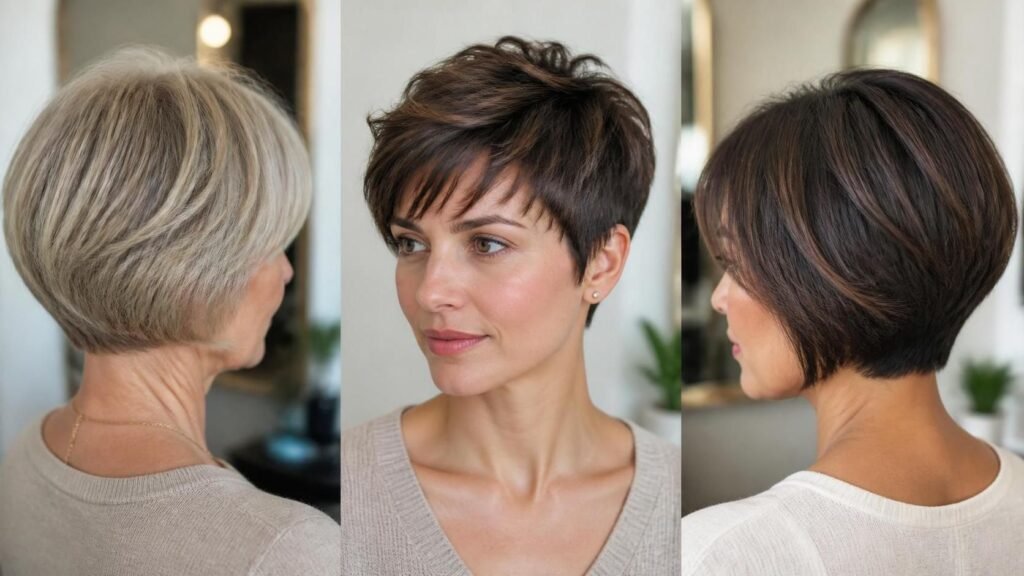
Short cuts give thin hair a real advantage. Less weight means more natural lift at the roots. Clean ends look denser than long wispy ones. And a well-placed layer or two through the crown can make even the flattest fine hair look noticeably fuller.
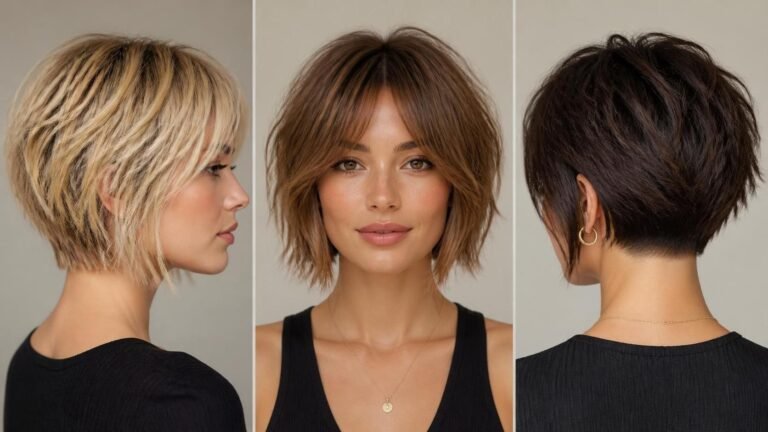
Whether you want something sleek and polished, soft and undone, or genuinely bold, there is a short style here that will work for your texture and your routine. Some of these cuts look amazing air-dried. Others come alive with a two-minute blowout.
Before you pick your favorite, remember one thing. Tell your stylist you want volume without thinning the ends. That single instruction changes the whole result for fine hair.
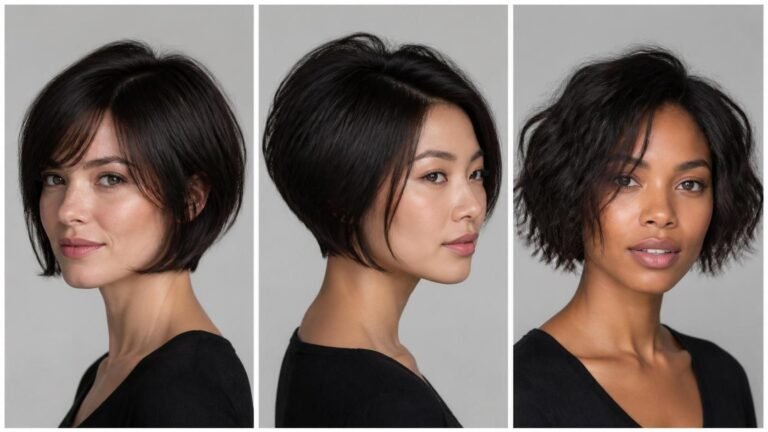
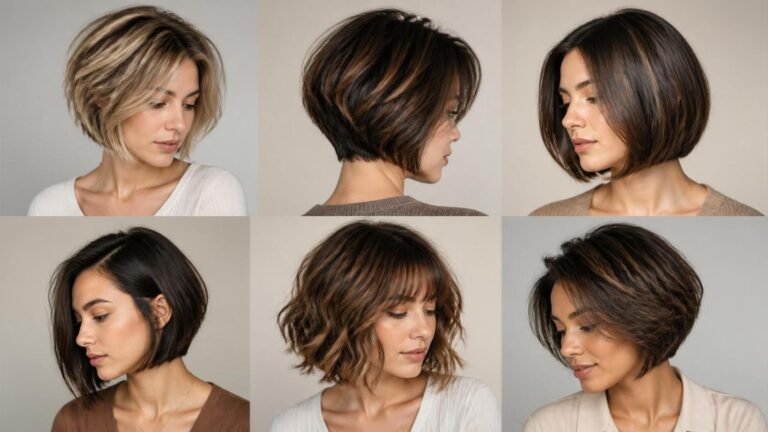
Below are 28 short hairstyles for fine thin hair, chosen for volume, shape, and everyday wearability.
1. Asymmetrical Side-Swept Pixie
An asymmetrical pixie has one longer side that sweeps across the forehead, which instantly covers sparse areas and adds the appearance of fullness. The shorter side stays tight and clean. The lifted crown is what makes thin hair look so much thicker in this cut.
Ask for: light point cutting through the crown with a longer fringe section that sweeps naturally to one side. Style tip: apply a pea-size amount of mousse to damp roots, then blow-dry upward and forward for airy hold. Best for: fine hair that needs forehead coverage and visible crown lift in one effortless shape.
2. Blonde Buzz Cut
A buzz cut removes the problem of flat, heavy ends entirely. When every strand is the same short length, there is nothing weighing the hair down. The result is a clean, confident look that puts bone structure and facial features front and center.
Ask for: an even guard length all over with a soft taper at the neckline and temples for a polished finish. Style tip: keep the scalp healthy with a lightweight hydrating oil and use purple shampoo if your blonde runs warm. Works well for: women ready to go bold and commit to a wash-and-go style that always looks intentional.
3. Bob With Curtain Bangs
A bob with curtain bangs is one of the most flattering short styles for fine hair because it solves two problems at once. The bangs frame the face and cover hairline sparseness. The blunt bob perimeter keeps the ends looking full and dense.
Ask for: curtain bangs that split softly in the center and blend into the sides without any choppy lines. Style tip: use a round brush at the crown while blow-drying, then tuck both sides behind the ears for a lifted finish. Great for: fine hair that wants face framing and volume without sacrificing fullness at the ends.
4. Chin-Length Platinum Bob
A platinum blonde bob at chin length is a high-impact choice for fine hair. The bright color creates depth and dimension that reads as thickness. The chin-length perimeter is short enough to hold its shape all day without needing a refresh.
Ask for: a clean blunt cut at the chin with a slight inward bend through the ends for polish and body. Style tip: use a lightweight smoothing cream and blow-dry with a medium round brush, bending the ends under slightly. Maintain: toning appointments every 6 to 8 weeks keep the platinum sharp and the dimension looking intentional.
5. Classic Bob With Blunt Bangs
A classic bob with blunt bangs is one of the most reliable haircuts for fine hair. The straight, dense fringe creates visual weight across the front of the face. The blunt bob perimeter makes the ends look noticeably thicker than they actually are.
Ask for: a clean one-length bob with a straight fringe cut just above or at the brow line, no thinning through the bangs. Style tip: keep the fringe trimmed every 3 to 4 weeks so it stays crisp, and use dry shampoo for extra grip at the roots. Best for: fine hair that looks sparse near the hairline and needs a strong, structured shape to anchor the whole style.
6. Classic Bob With Soft Layers
A classic bob with soft surface layers sits right in the middle of structured and effortless. The layers sit on top rather than cutting into the ends, so the perimeter stays full. You get movement and body without the wispy finish that over-layered fine hair often has.
Ask for: light surface layers through the top section only, leaving the perimeter mostly blunt and dense. Style tip: apply a volumizing spray at the roots before blow-drying and use a round brush to direct the top section upward. Works well for: fine hair that wants some movement and lightness without losing the fullness that a blunt bob provides.
7. Curly Bob With Defined Curls
Natural curl is one of the best tools fine hair has. When curls are defined and well-shaped, they stack on top of each other and create volume that straight fine hair has to work hard to achieve. A chin-length curly bob keeps the weight from pulling the curls down.
Ask for: a rounded bob shape cut while hair is wet so the curl contraction is accounted for in the final length. Style tip: apply curl cream and a light gel to soaking-wet hair, then diffuse on medium heat until mostly dry before scrunching. Avoid: brushing dry curls, which breaks up the definition and makes fine curly hair look fluffy rather than voluminous.
8. Layered French Bob
The French bob has a naturally relaxed, slightly undone quality that works surprisingly well for fine hair. It sits around the jawline with a soft fringe and subtle layers that create texture without thinning the ends. The whole thing feels light and modern without trying too hard.
Ask for: a jaw-length bob with a soft fringe and light internal layers through the mid-lengths for texture and movement. Style tip: scrunch a small amount of sea salt spray into damp hair and let it air-dry for a natural, lived-in finish. Perfect for: fine hair that wants a low-effort daily style with enough texture to look styled without heat tools.
9. Messy Wavy Bob
A messy wavy bob does something clever for fine hair. The waves add width through the sides and break up sections that would otherwise look thin and flat. The deliberately undone finish means the style looks intentional even when it is not perfectly set.
Ask for: a bob with enough interior layers to support wave movement, leaving the perimeter semi-blunt for density. Style tip: use a one-inch curling iron and alternate the curl direction on each section, then shake loose with a texture spray. Great for: fine hair that wants visible volume and movement without the time commitment of a polished blowout.
10. Tousled Layered Pixie
A tousled pixie builds volume right at the crown, which is exactly where fine hair needs it most. The choppy, lifted top keeps the style from reading as flat, while the tapered back and sides stay tidy and clean. It looks effortless and styled at the same time.
Ask for: longer, tousled layers on top with a tapered nape and sides that keep the overall shape neat and proportional. Style tip: rub a small amount of matte paste between your palms and press it through the crown, then lift sections with your fingertips. Best for: fine hair that falls flat at the crown and needs a cut structure that holds height without any heat styling.
11. Platinum Blonde Layered Bob
A platinum layered bob gives fine hair a softer, more textured finish than a strictly blunt cut without going too far in the other direction. The layers are airy and surface-level, so the ends still look full. The platinum tone adds dimension that makes the whole style look denser.
Ask for: soft layers placed through the top and mid-lengths only, with the ends left mostly blunt for fullness. Style tip: apply a root-lift spray before blow-drying, use a side part, and smooth the top lightly with a round brush for shine. Maintain: a bond-building treatment every few weeks keeps platinum-processed fine hair strong and healthy-looking.
12. Platinum Mohawk Pixie
A mohawk pixie is all about height through the center strip of the head, with clean, short sides that contrast sharply. For fine hair, this means the longest section is raised and visible rather than lying flat. The result looks bold, modern, and full of personality.
Ask for: a closely cut sides with a longer, lifted strip through the center and a finish that keeps the edges sharp. Style tip: work a matte styling powder through the center section, then pinch and press the front upward for shape and height. Great for: women who want maximum crown impact and are comfortable maintaining a cut with regular shape-ups every 4 weeks.
13. Romantic Bob With Wispy Ends
A romantic bob takes the structure of a classic bob and softens it. The ends are lightly wispy rather than blunt, which gives the whole style a gentle, pretty quality. The light perimeter means it never feels heavy around the jaw, which is ideal for fine hair.
Ask for: a bob with a mostly clean perimeter and just a touch of lightness at the very ends for softness, no heavy thinning. Style tip: curl only the mid-lengths with a large barrel iron, then brush gently through the ends for a soft, brushed-out wave. Best for: fine hair that wants a feminine, relaxed shape without the crisp rigidity of a fully blunt cut.
14. Short Textured Pixie Bob
The pixie bob is a brilliant length for fine hair because it borrows the best qualities of both cuts. The bob gives enough length for feminine shape. The pixie elements keep the weight low so the crown stays lifted. The textured crown is where all the volume lives.
Ask for: a short overall length with concentrated texture and lift through the crown and a slightly longer section around the ears. Style tip: use a tiny amount of styling paste through the ends only and leave the roots product-free so they stay light and lifted. Works well for: women who love the pixie look but want a little more length and versatility in their daily styling options.
15. Side-Swept Pixie Layers
Side-swept layers on a pixie do two things at once. They push coverage across the forehead to hide thin spots near the hairline. And the lifted top creates the crown volume that fine hair needs to look full from every angle.
Ask for: a tapered nape with longer layers through the top that sweep naturally to one side with a soft, blended fringe. Style tip: apply mousse to damp hair from root to mid-length, then blow-dry with your fingers lifting and directing the layers forward. Great for: fine hair with sparse areas at the hairline that need coverage without the commitment of a full fringe.
16. Sleek Angled Bob
An angled bob has longer front pieces and a shorter stacked back, and this geometry actually helps fine hair look thicker. The longer front sits heavier and frames the face. The stacked back creates density exactly where it is often lacking.
Ask for: a graduated back that stacks cleanly with front pieces that fall to the chin or just below, and a crisp straight perimeter. Style tip: use a heat protectant and flat-iron the ends with a slight inward bend, then finish with a light shine spray for polish. Best for: fine hair that wants a professional, structured look that holds its shape through a full workday without restyling.
17. Slicked-Back Undercut
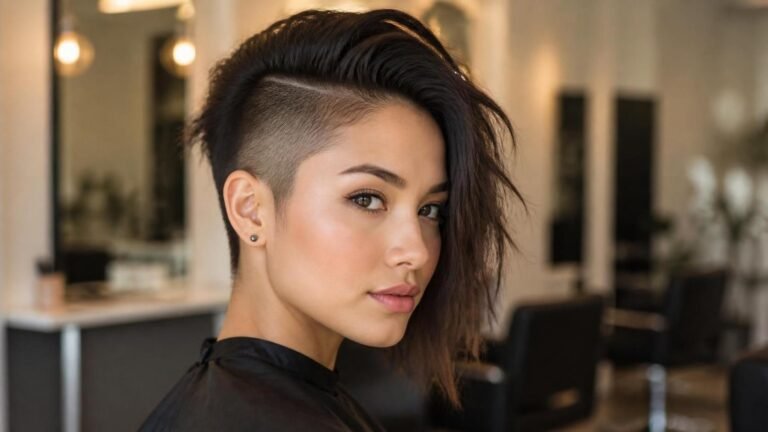
A slicked-back undercut leans into fine hair’s natural tendency to lie flat and turns it into a style choice. The tight, clipped sides remove any bulk from the lower half. The top section is swept back to create a clean, full silhouette that looks deliberate and strong.
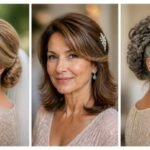
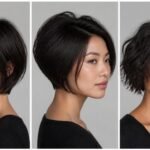
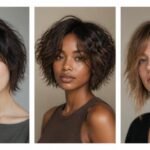
Ask for: closely clipped sides with a longer top section that is cut to be pushed back and held in place with product. Style tip: apply a lightweight gel, use a fine-tooth comb to slick the top back neatly, then set with a quick mist of medium-hold spray. Works well for: women who want a clean, low-maintenance cut that looks polished and confident with minimal morning effort.
18. Soft Shag With Bangs
A soft shag with bangs is one of the most flattering short styles for fine wavy or naturally textured hair. The bangs draw attention to the eyes while the light layers through the top build movement and easy volume. It looks put together even when it is not.
Ask for: soft blended shag layers starting at the crown with a wispy fringe that connects naturally to the face-framing pieces. Style tip: scrunch a light texture cream through damp hair and let it air-dry completely for a relaxed, natural finish with body. Best for: fine hair with natural wave or bend that wants a style which looks better with texture than with a polished blowout.
19. Shaggy Bob With Bangs
This version of the soft shag sits at bob length and has that piecey, relaxed quality that makes fine hair look more full and dimensional. The layers break up flat sections and stop the style from collapsing by midday. The bangs keep the front looking styled even on lazy days.
Ask for: wispy bangs rather than a full heavy fringe, and piecey layers through the bob length that stay light and blended. Style tip: spray dry shampoo directly at the roots, let it sit for 60 seconds, then massage in and flip your head forward to shake out. Great for: fine hair that tends to go limp fast and needs a cut with built-in texture to keep the shape going all day.
20. Soft Waves With Natural Texture
Soft waves add width and dimension to short fine hair that a straight style simply cannot replicate. The gentle movement through the sides and ends makes the whole cut look fuller and more alive. This is the kind of style that looks better the less perfectly it is done.
Ask for: a short cut with enough internal softness to support wave movement without layers that make the ends look sparse. Style tip: twist damp hair into two loose buns, leave until fully dry, then rake apart gently with fingertips and a drop of light oil. Works for: fine straight hair that wants wave without heat tools, and naturally wavy fine hair that just needs to be encouraged.
21. Textured Bob With a Middle Part
A middle part on a textured bob gives fine hair a fuller, more balanced outline. The soft bends through both sides add width. The centered parting creates symmetry that makes the whole style look intentional and modern rather than flat.
Ask for: a bob with light internal texture and a slight bend through the sides that works with a center part. Style tip: use a light mousse before drying, rough-dry first for volume, then use a one-inch iron to add soft bends through each side. Best for: fine hair that wants a contemporary, Instagram-ready style that looks good even when it starts to lose hold later in the day.
22. Textured Crop With Volume
A textured crop is purpose-built for fine hair that falls flat at the crown. The top section is cut and styled to stand up with minimal effort. It always looks like you did something to your hair, even when you barely touched it.
Ask for: a crop with lifted, textured layers through the top that are cut to hold height naturally rather than lie down. Style tip: dust a small amount of styling powder directly at the roots, then press and scrunch the crown with your fingertips to activate it. Great for: women who want maximum volume with minimum daily product and enjoy a cut that basically styles itself.
23. Tousled Asymmetrical Platinum Bob
An asymmetrical bob keeps the eye moving from one side to the other, and that movement reads as fullness on fine hair. The uneven length creates visual interest that distracted from any thinness. The platinum tone adds contrast and dimension that makes every strand stand out.
Ask for: an asymmetrical cut with a clearly longer front side and enough tousled texture to give the bob a relaxed, undone quality. Style tip: add a light texture spray, then use a flat iron to bend a few random sections for an effortless, airy finish. Best for: fine hair that wants a bold, fashion-forward style with built-in movement and no need for a precise daily blowout.
24. Tousled Bob With Soft Bangs
A tousled bob with soft bangs is the kind of cut that flatters almost every face shape and hair texture at fine-hair weight. The bangs give forehead coverage without heaviness. The tousled body through the sides and ends creates easy volume that holds up throughout the day.
Ask for: soft bangs that sit just at or slightly above the brow with blended edges, paired with light tousled texture through the bob. Style tip: blow-dry the bangs forward and downward first, then add loose movement through the rest with a texture spray and fingertips. Works well for: fine hair that needs a reliable, universally flattering style that looks great from wash day to day three.
25. Tousled Bob With Wispy Bangs
Wispy bangs on a tousled bob create a soft, romantic finish that fine hair carries beautifully. The light fringe hides sparse front sections without adding weight. The choppy body through the bob adds enough texture to keep the style from looking flat.
Ask for: a tousled bob with a wispy fringe that is feathered rather than blunt, and piecey texture through the length. Style tip: use dry shampoo at the roots for grip, then twist a few sections loosely and release them to build relaxed movement. Best for: fine hair that wants a soft, pretty style with coverage at the forehead and enough body to look styled without much effort.
26. Undercut Pixie With Textured Top
An undercut pixie removes all the weight from the sides and focuses everything upward. The crown gets the full benefit of whatever hair density you have, concentrated into a lifted, textured top. It is a clean, modern cut that looks great on fine hair.
Ask for: closely clipped sides with a longer, textured top section that has enough internal layers to hold lift. Style tip: apply a matte paste through the top, rake it back with your fingers, then pinch the front ends for definition and height. Great for: fine hair that needs a cut that maximizes every strand by putting all the visible volume exactly where it reads best.
27. Wet-Look Pixie
A wet-look pixie turns fine hair’s tendency to lie flat into an aesthetic. The slicked, glossy finish looks intentional and polished. Product gives the hair direction and the appearance of more density, especially around the fringe and crown.
Ask for: a short pixie shape with a natural fringe area that can be combed forward, to the side, or back depending on the day. Style tip: apply a lightweight gel to damp hair, comb into your preferred direction, then dab a gloss product over the top for shine. Best for: women who want a sleek, low-effort pixie that looks deliberately styled rather than flat or unkempt.
28. Windswept Layers
Windswept layers give short fine hair that always-in-motion quality without needing wind or even heat tools. The feathered texture lifts the crown while keeping the ends soft and airy. The overall result is light, full, and easy to recreate at home.
Ask for: feathered layers through the top and crown with a soft, swept-back direction that keeps the perimeter airy but not wispy. Style tip: blow-dry with the nozzle directed forward first, then sweep everything back with a round brush to build lift and movement. Works well for: fine hair at any age that wants a classic, polished style with natural-looking volume that does not feel overdone.
FAQs About Short Hairstyles for Fine Thin Hair
What short cut makes fine hair look the thickest? A blunt bob or chin-length cut with minimal layering almost always looks the fullest on fine hair. Blunt ends trap weight at the perimeter, making strands appear denser than they are. If you prefer a pixie, ask for texture through the top only and keep the sides tapered, not layered.
Should fine hair be layered or kept blunt at short lengths? Mostly blunt, with light surface layers at the top if needed. Heavy layers through the mid-lengths and ends of short fine hair create a see-through, stringy finish. Layers work best when they sit on top of the shape and add lift without removing the density the perimeter needs.
How do I style short fine hair for volume that actually lasts? Start at the roots every single time. Use a lightweight mousse or root-lift spray before blow-drying, direct airflow upward, and flip your part to the opposite side for natural lift. Dry shampoo or texture spray at the roots on day two refreshes the volume without washing again.
What products should I avoid with fine short hair? Avoid heavy oils, thick creams, and waxy pomades near the roots and scalp. These weigh fine hair down fast and make it look greasy rather than full. Use lightweight formulas — mousse, powder, light spray — and save any glossing product for the ends only.
How often should I trim short fine hair? Every 4 to 6 weeks for pixies and very short cuts. Every 6 to 8 weeks for bobs and slightly longer styles. Fine hair shows split ends quickly and loses its shape faster than thick hair does. Staying on schedule keeps the volume and structure working the way the cut was designed.
Can I wear short fine hair without heat tools? Yes, several of these styles are made for air-drying. Curly bobs, messy wavy bobs, French bobs, and soft shags all look great with a mousse or texture cream and no heat. Straight fine hair can try twist-outs or dry shampoo and finger-styling for texture without a blow-dryer.
The One Thing That Changes Everything for Fine Hair
Most people with fine hair spend years trying different products when the real solution is a different cut. A well-structured short hairstyle is the single biggest upgrade fine hair can get. No product can replicate what a blunt perimeter, strategic layers, and the right length do for thin strands.
Once you have the right cut, product use becomes simple. A lightweight mousse before drying, a touch of texture spray at the roots, and an occasional dry shampoo refresh is genuinely all fine hair needs to look full and styled. You stop fighting your hair and start working with it.
If you are unsure where to start, bring two or three photos from this list to your next appointment. Point out what you like about each one. Is it the crown lift? The fringe? The way the ends look full? Your stylist can work with specific references far better than a vague request for “something with more volume.”
Your Best Hair Starts Here
Short hair and fine hair are actually a great match. They just need the right introduction in the form of a cut that respects what your hair can and cannot do.
Every style in this list was chosen because it works with fine hair’s natural behavior rather than against it. Lifted crowns, blunt-ish ends, smart fringe options, and clean shapes that hold their structure. None of them demand a complicated routine or a full vanity of styling products.
Pick the one that fits your face shape, your texture, and the amount of time you realistically want to spend. Go to your stylist with a clear idea, a reference photo, and the instruction to protect your ends. That combination gets results every single time.
Fine hair is not a limitation. It is just a starting point.