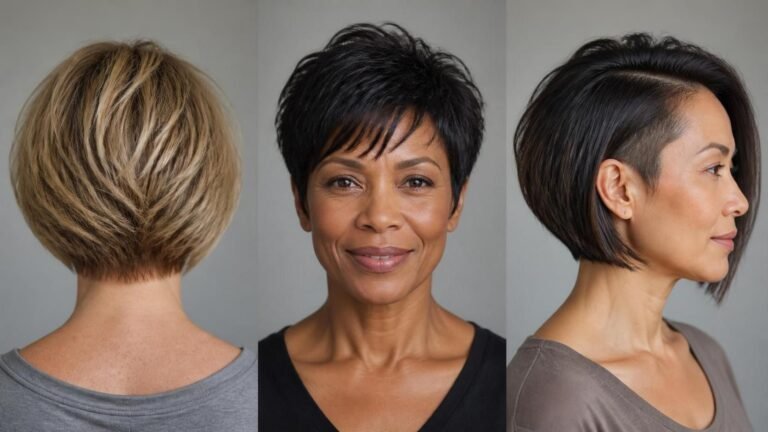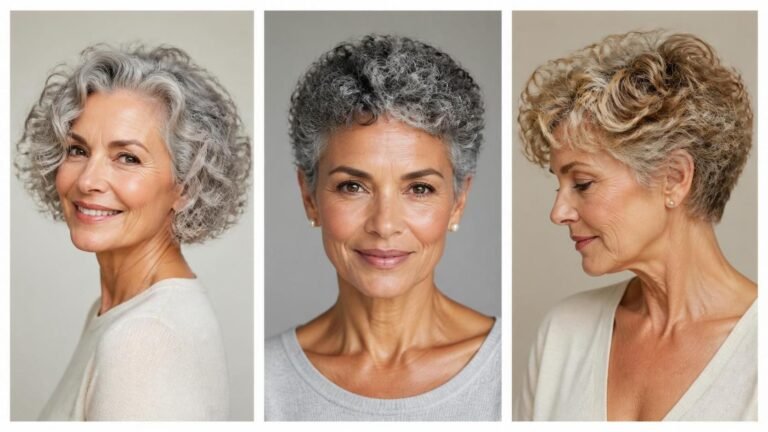
18 Short Bob Hairstyles for Thin Fine Hair That Instantly Add Volume
Thin, fine hair deserves a cut that works with it — not against it.
Short bobs are one of the most reliable ways to create the illusion of fullness because they strengthen the perimeter and eliminate the limp, see-through ends that longer fine hair often develops.
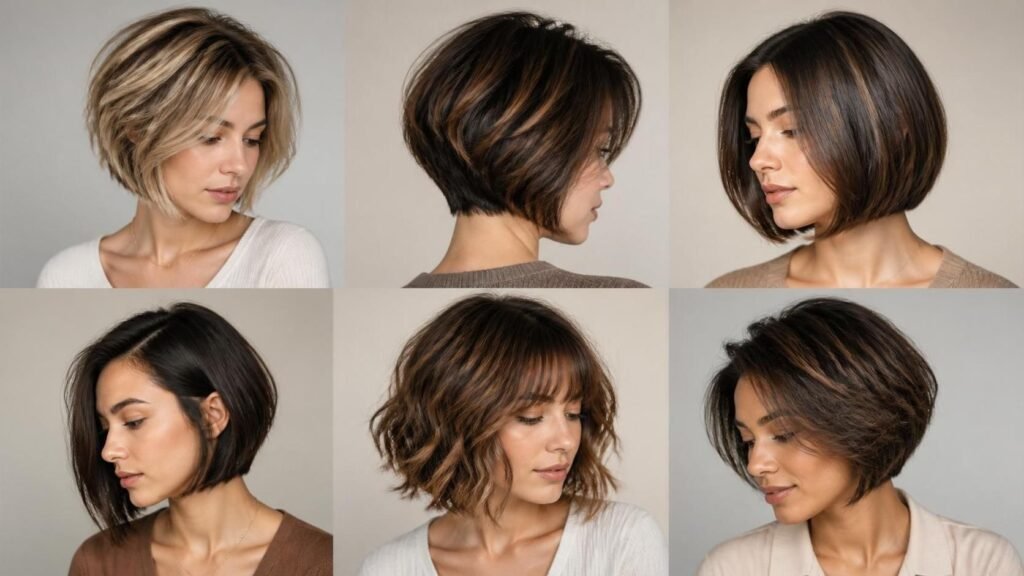
The right bob creates body at the back, lift at the crown, and a clean shape that looks intentional and polished on even the most effortless days.
What matters most is choosing a style with a strong baseline, minimal heavy layering, and smart volume placement.
Below are 18 short bob hairstyles for thin fine hair, picked for their fullness, shape, and real-life wearability on hair that needs a little extra help.
1. A-Line Bob
The A-line bob is one of the most strategically flattering shapes available for fine hair — and it is easy to see why.
Shorter at the back and gradually longer toward the chin, it creates built-in structure that thicker hair achieves naturally but fine hair needs a cut to provide.
The angle draws the eye forward and gives fine hair a clean, defined silhouette that holds beautifully throughout the day.
Cut detail: Ask for light beveling at the ends rather than a completely blunt cut — soft beveling adds movement without sacrificing the strong perimeter fine hair needs.
Length tip: The chin-length front pieces are what frame the face most flatteringly — keep them at least an inch longer than the shortest back section.
Blow-dry trick: A round brush directed inward and under at the ends during blow-drying creates a soft flip that makes fine hair look noticeably thicker at the perimeter.
Best for: Women who want structure and shape without committing to a very short cut — the A-line gives maximum impact at a wearable, versatile length.
2. Bixie Bob
The bixie sits beautifully in the space between a pixie and a bob — and for fine hair, that in-between territory is genuinely excellent.
Airy layers through the crown lift fine hair upward rather than letting it collapse flat at the roots.
The extra length compared to a pixie provides enough weight to prevent the look from appearing too sparse while the layers keep it from going limp.
Crown lift tip: Ask for the layers to be concentrated specifically at the crown — this is where fine hair loses volume fastest and where lift creates the biggest visual impact.
Mousse method: A pea-sized amount of volumizing mousse worked through damp roots before rough-drying creates the soft, lasting lift that defines a great bixie on fine hair.
Layer caution: Keep layers soft and airy rather than choppy — too much layering removes the weight fine hair relies on to look full and substantial at the ends.
Versatility note: The bixie can be styled casually tousled or neatly swept, making it one of the most flexible options on this list for everyday wear.
3. Blunt Chin Bob
A blunt chin-length bob is arguably the single most effective haircut for making thin fine hair look fuller — full stop.
The sharp, unfeathered edge at the ends creates a visual density that fine hair simply cannot produce on its own when left long or layered.
Every strand ends at exactly the same point, and that unified perimeter line reads as thickness regardless of how sparse the hair actually is.
Blunt cut rule: Insist on no thinning shears near the ends — feathered or thinned ends on a blunt bob completely defeat the purpose and make fine hair look see-through again.
One-side tuck: Tucking one side behind the ear while leaving the other down creates asymmetry that makes the remaining visible length look noticeably fuller.
Texture spray finish: A light texture spray shaken through the ends after blow-drying adds grip and separation that makes the blunt perimeter look even more defined and deliberate.
Trim schedule: A blunt chin bob looks its absolute best when trimmed every 5 to 6 weeks — even minor grow-out begins to soften the perimeter and reduce the volume effect.
4. Chin-Length Bob With Curtain Bangs
Curtain bangs added to a chin-length bob give fine hair a face-framing softness that a plain bob cannot provide on its own.
The gently parted bangs fall naturally on either side of the face, creating a relaxed, effortless look that balances the clean bob perimeter beautifully.
The combination works especially well for fine hair because the bangs create front coverage and visual fullness right where the face is most visible.
Curtain bang tip: Ask for longer curtain bangs that fall past the brow — shorter versions can look too sparse on fine hair and may not part or sweep as naturally.
Layer placement: Request longer layers only through the top section, not through the ends — this preserves the perimeter thickness while adding movement where it flatters most.
Blow-dry direction: Blow-dry the curtain bangs outward from a center part first, then smooth the bob forward and slightly under for the most polished, full-looking result.
Maintenance tip: Curtain bangs on fine hair need trimming every 4 to 5 weeks to maintain the parted shape — they grow out into the eyes faster than most people expect.
5. Soft Layered Bob
A soft layered bob adds gentle movement and shape to fine hair without the risks that come with heavy or aggressive layering.
The subtle layers create a rounded silhouette and encourage the hair to bend and flow rather than hanging flat and straight.
Side-swept styling adds dimension at the front without removing any of the perimeter density that makes fine hair look full.
Layer restraint: Ask for longer layers through the top section only — layers that start too high or go too deep remove the weight fine hair needs at the ends to look substantial.
Side sweep direction: A soft side sweep rather than a center part adds visual fullness on the heavier side and creates natural-looking movement with almost no styling effort.
Blow-dry forward: Blow-drying the top section forward before pushing it back creates hidden root lift that holds throughout the day without visible product.
Smooth finish: A lightweight smoothing cream applied to damp ends before blow-drying keeps the soft layered bob looking polished rather than frizzy or flyaway.
6. Deep Side-Part Bob
A deep side part is one of the most underestimated tricks for adding instant volume to thin fine hair — and it costs nothing extra.
Moving the part to one side stacks the majority of the hair onto that side, creating a concentrated, visually full effect that a centered part never achieves.
The front-heavy drape creates immediate face-framing coverage that makes fine hair look dramatically more abundant at the crown.
Part depth: The further off-center the part, the more dramatic the volume effect — a part that sits just above the outer edge of the eyebrow creates the most flattering balance.
Length sweet spot: A bob that falls just past the jaw on the longer side provides enough length for the deep part to create its full visual effect without becoming too heavy to hold.
Flexible hold finish: A light mist of flexible-hold spray rather than stiff hairspray preserves the deep-part shape while allowing the fine hair to move naturally throughout the day.
Switch it up: Alternating the part side on different days prevents fine hair from developing a flat, habitual part and keeps the crown looking lifted and full consistently.
7. Textured Shaggy Bob
The textured shaggy bob turns fine hair’s natural tendency toward separation into a deliberate, stylish statement.
Choppy, piecey layers make the strands look busier and more plentiful — the controlled disorder reads as thickness rather than sparseness.
The slightly undone, lived-in finish is effortless to style and looks intentional even on days when very little effort went into it.
Cutting technique: Ask specifically for point cutting through all sections — thinning shears on a shaggy bob will make fine hair look stringy and sparse rather than textured and full.
Texturizing cream: A small amount of texturizing cream scrunched into damp hair and left to air dry creates the most natural, effortless shaggy bob texture for fine hair.
Piecey finish: Lightly pulling individual sections apart after drying — rather than brushing — maintains the piecey, defined texture that makes fine hair look most plentiful.
Best for: Women who prefer low-effort, naturally textured styles and want a bob that looks great with minimal morning styling routine.
8. Glass Hair Bob
Glass hair on a short bob is a bold, striking choice that works for fine hair precisely because the shine becomes the entire focus.
A clean, mirror-smooth finish creates a high-fashion effect that draws attention to the luminosity of the hair rather than its density.
The strong, uninterrupted perimeter line at the ends does the same work as a blunt bob — making fine hair look dense and beautifully healthy.
Flat iron technique: Work through small, thin sections rather than large ones — fine hair straightens most smoothly and glossily when each piece is done carefully and separately.
Heat protectant: A heat protectant spray is non-negotiable before flat ironing fine hair — fine strands are more vulnerable to heat damage than thicker hair types.
Shine serum: A single drop of shine serum applied to completely dry, straightened hair creates the glass-like luminosity that defines this look without adding weight or greasiness.
Best for: Women who love a polished, high-shine aesthetic and are willing to spend 10 to 15 minutes on styling in exchange for an incredibly impactful finished result.
9. Graduated Bob
The graduated bob is one of the most structurally intelligent haircuts for thin fine hair because it builds weight and shape exactly where fine hair needs it most.
The stacked, layered back creates fullness that rises from the nape upward, giving the crown a lifted, rounded appearance that fine hair rarely achieves naturally.
The shape holds beautifully throughout the day and looks styled and intentional from every angle.
Graduation style: Ask for a soft graduation rather than a hard wedge — a soft graduation creates a more natural, rounded back shape that suits fine hair better than a sharp, angular one.
Back volume: The stacked back on a graduated bob essentially creates structural volume from the cut itself — no product is needed to create fullness at the back on good hair days.
Root brush technique: A small round brush directed upward at the roots during blow-drying reinforces the crown lift that the graduated shape creates and helps it hold longer.
Nape detail: Ask for a clean, tapered nape rather than a razored one — a clean nape keeps the graduation looking precise and prevents fine nape hair from appearing wispy.
10. Sleek Side-Swept Bob
A sleek, side-swept bob is the most refined and polished option on this list — and it suits fine hair exceptionally well when cut as a single, clean length.
The gentle side sweep frames the face softly while the minimal-layer construction preserves every strand’s contribution to the overall perimeter density.
Everything about this style is clean, intentional, and quietly sophisticated.
Single length strength: Minimal to no internal layers is the key — one-length bobs on fine hair create the densest-looking perimeter and the most reliable shape day to day.
Smoothing cream application: Apply a small amount of smoothing cream to damp hair from mid-lengths to ends before blow-drying — this prevents flyaways and keeps the sleek finish intact.


Flat brush drying: A flat paddle brush rather than a round brush during blow-drying creates the smoothest, flattest surface on sleek fine hair for the cleanest side-sweep finish.
Touch-up tip: A quick pass with a flat iron over just the bottom inch of the bob on days when ends curl outward restores the sleek, intentional shape in under two minutes.
11. Razor-Cut Bob
A razor-cut bob can genuinely flatter fine hair when approached with the right restraint and intention.
The razor creates a softened, feathered movement at the surface of the hair that makes fine strands look lighter and more fluid.
The critical key is keeping razor work limited to the surface only — over-textured ends on fine hair quickly look wispy and sparse rather than deliberately soft.
Razor restraint: Ask your stylist to use the razor through the top surface layers only, keeping the baseline and perimeter strong — this creates movement without sacrificing the density fine hair needs.
Baseline protection: No matter how much razor texture is applied through the body, the bottom perimeter line must stay clean and defined — a strong baseline is everything for fine hair.
Dry shampoo root lift: A light spray of dry shampoo at the roots before styling adds grip and texture that helps a razor-cut bob hold its airy, lifted shape much longer.
Tousle finish: Shaking the head gently and lifting with fingertips after rough-drying activates the natural movement built into a razor-cut bob and makes fine hair look its fullest.
12. Italian Bob
The Italian bob brings a rounded, polished fullness to fine hair that feels effortlessly chic and genuinely luxurious.
The gentle bend through the ends — curling slightly inward — creates a bouncy, structured finish that looks like significantly more hair than actually exists.
Internal layers keep the bob springy and light without compromising the clean, full-looking perimeter.
Rounded shape tip: Ask for the ends to be cut with a slight internal graduation that encourages the hair to curl inward naturally — this is what creates the signature Italian bob shape.
Light internal layers: A few internal layers through the mid-section add bounce and prevent the bob from lying completely flat — but keep them soft and minimal, not aggressive.
Round brush essential: A round brush directed inward at the ends during every blow-dry session maintains the Italian bob’s signature rounded, bouncy shape on fine hair.
Gloss treatment: A clear gloss treatment at every trim appointment keeps fine hair looking healthy, shiny, and full — the shine alone makes the Italian bob look richer and more abundant.
13. Jaw-to-Chin Length Bob
The jaw-to-chin length zone is a sweet spot for fine hair — long enough to frame the face, short enough for the ends to stay visually dense.
A blunt or near-blunt cut at this length creates a perimeter that looks full and strong throughout the day without the need for constant restyling.
A gentle side sweep adds softness and asymmetry that makes the overall shape feel modern and deliberately styled.
Blunt ends: Keep the ends close to blunt — even minor feathering at jaw-to-chin length on fine hair begins to create transparency at the perimeter that undermines the fullness effect.
Root spray habit: Applying a volumizing root spray to damp hair before blow-drying is particularly important at this length since fine hair in the jaw-to-chin zone is most prone to going flat at the roots.
Side sweep direction: Sweeping the hair to one side at this length immediately creates a fuller, more dimensional look — the asymmetry adds visual interest that makes fine hair look more substantial.
Length maintenance: This length grows out quickly on fine hair and loses its shape fast — plan trims every 5 to 6 weeks to keep the perimeter strong and the shape flattering.
14. Tousled Razor-Cut Bob
A tousled razor-cut bob delivers movement and effortless texture that makes fine hair look naturally full and beautifully undone.
Unlike a precise, sleek razor cut, the tousled version embraces a little imperfection — and that imperfection is what creates the most volume and visual density.
The key is keeping the baseline strong while the surface sections carry all the airy, feathered texture.
Baseline rule: Ask your stylist to maintain a clean, strong bottom line even on a tousled razor cut — without it, fine hair quickly looks stringy rather than deliberately relaxed.
Light cream styling: A lightweight styling cream worked through slightly damp hair and finger-dried creates the most natural tousled texture without any stiffness or product buildup.
Tousle technique: Tipping the head forward while rough-drying with fingers creates root volume and surface movement that defines the tousled razor bob on fine hair beautifully.
Style life: The tousled razor-cut bob looks great for two or three days between washes on fine hair — a light spritz of water and a quick tousle refreshes it easily without full restyling.
15. Short Blunt Bob
The short blunt bob is the simplest, most powerful tool in the fine hair styling arsenal.
Nothing creates the immediate impression of denser, thicker hair as reliably and consistently as a clean, sharp perimeter cut at a short length.
With layers kept completely minimal, every strand of fine hair contributes to the same clean line — and that unified density is what makes the difference.
Minimal layer rule: Ask for no layers or only the most minimal internal layers — the blunt bob works specifically because all the hair ends at the same point, creating maximum perimeter density.
Polish option: Flat-ironing just the bottom inch of the bob and then tucking one side behind the ear creates an instantly polished, editorial look that fine hair holds easily in a short blunt cut.
Product minimum: Fine hair in a short blunt bob needs almost no product — a tiny amount of shine cream no bigger than a grain of rice applied to dry ends is genuinely sufficient.
Confidence factor: The short blunt bob is the cut that makes fine hair look like a deliberate, fashion-forward choice rather than a limitation — it always reads as confident and intentional.
16. Short Layered Bob
A short layered bob builds the crown lift that fine hair consistently struggles to maintain on its own.
Soft, well-placed layers at the top create a rounded, full shape above the ears that makes the entire silhouette look significantly more voluminous.
The important distinction is keeping layers soft rather than shredded — fine hair needs layers that add shape, not ones that remove the density from the ends.
Layer softness: The layers should feel like a feathered graduation rather than a heavily textured cut — soft layers on fine hair build shape while shredded ones destroy it.
Crown-forward blow-dry: Blow-drying the crown section forward toward the face first, then pushing it back into place, creates a hidden lift at the roots that the short layered bob holds beautifully.
Fuller outline: Even with interior layers, the perimeter of a short layered bob should remain clean and defined — the combination of soft layers above and a strong edge below creates the fullest possible look.
Quick refresh: A shot of volumizing root spray at the crown on day two or three restores the lift in a short layered bob without requiring a full wash and restyle.
17. Stacked Bob
The stacked bob is the most structurally effective volume-building cut for fine hair on this entire list.
The stacked, layered construction at the back creates a rounded, full shape that rises from the nape to the crown — giving fine hair a fullness it simply cannot generate through styling alone.
A longer front section balances the full back beautifully and provides face-framing coverage that makes the overall look complete.
Stacking angle: A steeper stacking angle creates more dramatic back volume — ask for a higher stack if your fine hair is particularly flat, a softer stack if you want a subtler result.
Nape cleanliness: A clean, precise nape is essential on a stacked bob — a well-finished nape makes the entire cut look more intentional and professionally executed.
Front-to-back balance: The longer front pieces should reach the jaw or slightly below — this creates visual balance with the full stacked back and prevents the style from looking disproportionate.
Lazy-day style: A stacked bob on fine hair looks styled even on days when the most styling effort applied was a quick blow-dry — the cut itself provides the shape so you never start from zero.
18. Wispy Feathered Fringe Bob
A wispy, feathered fringe on a short bob adds front softness and face coverage that transforms a simple cut into something genuinely special.
The bangs are light enough not to overwhelm fine hair at the front, but present enough to create movement, framing, and visual fullness right around the face.
Keeping the fringe slightly longer at the sides so it blends naturally into the bob is the detail that makes this combination look seamless rather than added on.
Fringe weight: Keep the wispy fringe from becoming too thin — fine-haired women need a fringe with enough hair to avoid looking sparse, even if the individual strands are feathered.
Side blend length: Ask for the fringe to be cut longer at the outer corners so it transitions gradually into the bob — this eliminates any awkward line between fringe and bob length.
Small round brush: Using a small round brush on the fringe section only during blow-drying creates a soft, rounded lift that makes wispy bangs look full and beautifully shaped.
Air-dry body: The bob portion of this style can air-dry naturally while the fringe is styled with a brush — this saves time and keeps the textured body of the bob looking relaxed and natural.
Frequently Asked Questions
What is the best short bob for hair that looks see-through at the ends? A blunt bob or graduated bob is the most effective choice. Both styles create a strong, clean perimeter that makes fine ends look dense rather than transparent. Avoid any cutting technique that thins or feathers the ends — a sharp baseline is what creates the fullness effect.
Should fine hair avoid layers in a short bob? Not entirely — but the type and placement of layers matters enormously. Soft, minimal layers placed only through the top section can build crown lift without removing end density. Heavy thinning shears, choppy layers, or layers that start too high all make fine hair look more sparse rather than fuller.
How do I keep a short bob looking full all day on fine hair? Start with a root spray or volumizing mousse on damp hair before blow-drying. Lift the crown while drying, and use a round brush to curl the ends inward or under. Finish with a light texture spray rather than heavy oil or serum — light products add grip and shape without weighing fine strands down.
How often should thin fine hair in a short bob be trimmed? Every 5 to 6 weeks is ideal for most short bob styles on fine hair. The strong perimeter line that makes fine hair look full begins to soften and lose shape quickly after the 6-week mark. Regular trims maintain the density effect and prevent the ends from becoming wispy or uneven.
Can fine hair pull off a stacked bob? Absolutely — and a stacked bob is actually one of the best cuts specifically for fine hair. The stacking builds structural volume in the back that fine hair cannot create through styling alone. The cut itself provides the shape and fullness, making it look styled and substantial even on the most effortless days.
What styling products work best for short bobs on fine hair? Volumizing mousse at the roots, root spray before blow-drying, and a light texture spray for finishing are the most reliable products. Avoid heavy creams, oils, and thick pomades — they weigh fine hair down within hours and turn a full-looking bob into a flat one. Less product always looks better on fine hair.
The Bob Is the Cut Fine Hair Was Made For
There is a widespread belief that fine hair needs length and layers to look full — but the most flattering results almost always come from the opposite approach.
Short bobs eliminate the problem at its source. Instead of fighting to create volume in long, limp fine strands, a well-cut bob removes the length that causes the problem and replaces it with a strong, clean shape that looks full by design. The perimeter line does the work. The structure provides the volume. The style looks intentional every single day.
Every cut on this list was chosen because it works with fine hair’s natural behavior rather than against it — using shape, angle, and precision to create the appearance of thickness that fine hair genuinely deserves.
Bold and Beautiful
The right short bob does not just make fine hair look fuller — it makes the woman wearing it feel more confident, more polished, and more completely at ease in her own reflection.
Pick the style that matches your lifestyle. Blunt and sleek for clean minimalism. Textured and tousled for effortless everyday wear. Stacked and graduated for maximum structure and shape.
Bring a reference photo to your appointment and tell your stylist exactly what matters most to you — whether that is volume at the crown, density at the ends, or face-framing softness at the front.
Then trust the cut to do what a great bob always does. Make fine hair look like the best version of itself.