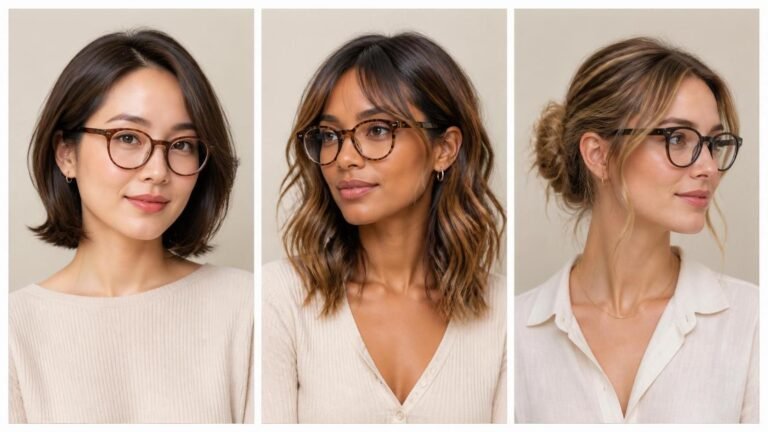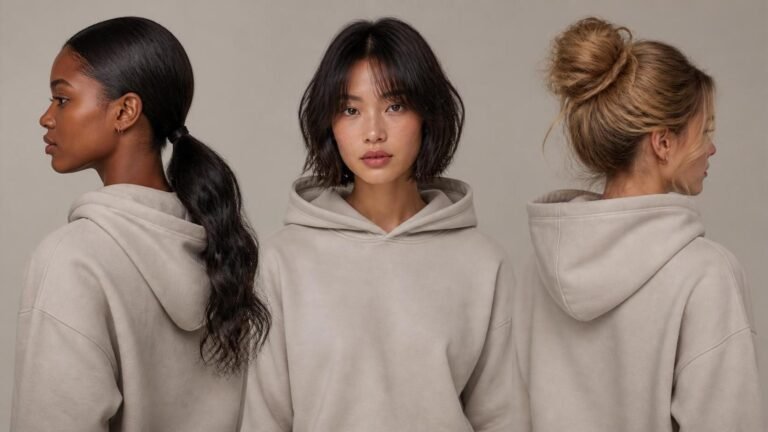
27 Medium Length Haircuts for Thin Fine Hair That Look Fuller
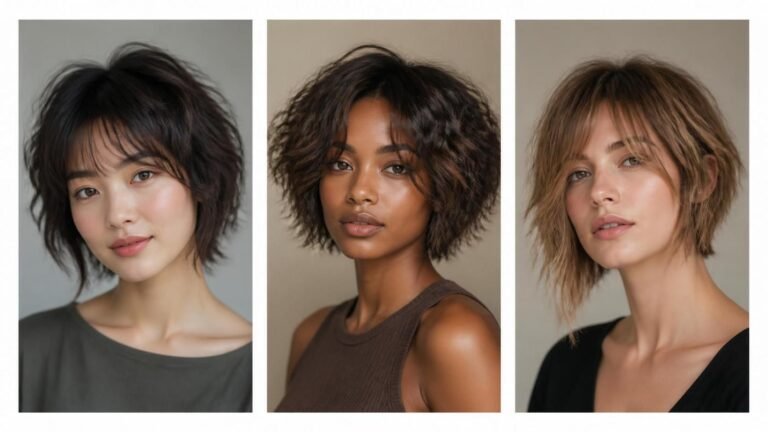
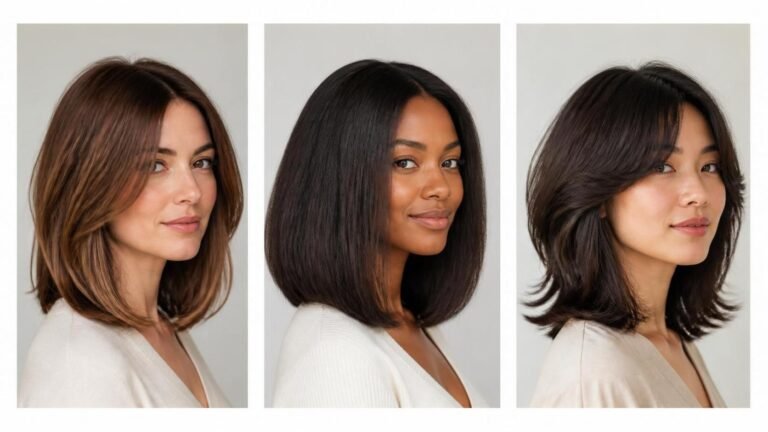
Finding a haircut that works with thin fine hair rather than against it takes some thought. Medium length is actually one of the best zones to be in. Long enough to feel feminine. Short enough to keep the ends from going wispy. The trick is picking a shape that holds weight at the perimeter and builds lift where it is most needed.
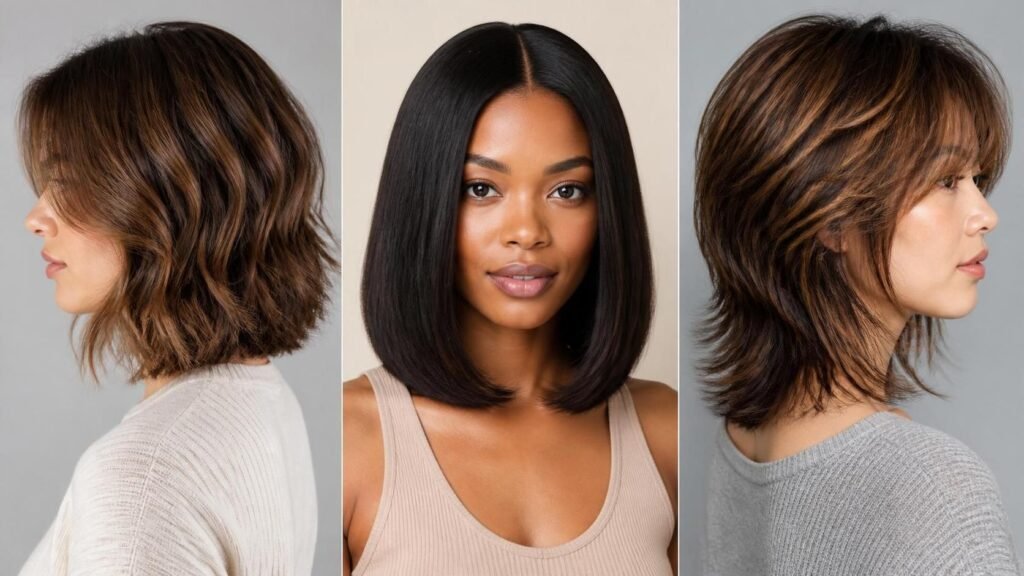
Before scrolling, keep a few things in mind. Blunt or lightly beveled ends almost always look denser than razor-cut ones. Layers work best when they start low, below the chin, and blend seamlessly. Curtain bangs and deep side parts both create fast volume around the face. And a root-lift mousse or texture spray can make even the flattest fine hair feel like it has grip.
Below are 27 medium length haircut ideas for thin fine hair, chosen for fullness, movement, and everyday wearability.
1. Wispy Bangs Textured Lob
A textured lob with wispy bangs is one of the most flattering combos for fine hair. The bangs soften the forehead without adding heaviness. The lob length, sitting near the collarbone, keeps the hair from looking stringy at the ends.
Ask for: light internal layers and a gently beveled perimeter so the ends appear denser. Style tip: scrunch a small amount of texture cream into damp ends before blow-drying for added grip. Avoid: heavy thinning shears through the fringe, which can make thin bangs look patchy.
2. Bright Blonde Balayage Lob
Color and cut working together is one of the smartest moves for thin hair. Bright balayage adds visual dimension that reads as thickness, both in photos and in real life. The contrast between roots and ends gives the impression of more body.
Ask for: a soft balayage placed mostly through the mid-lengths and ends, not heavy highlights. Style tip: use a root-lift mousse before blow-drying to build volume at the crown where balayage won’t reach. Maintain: toning gloss appointments every 6 to 8 weeks keep the color looking dimensional, not brassy.
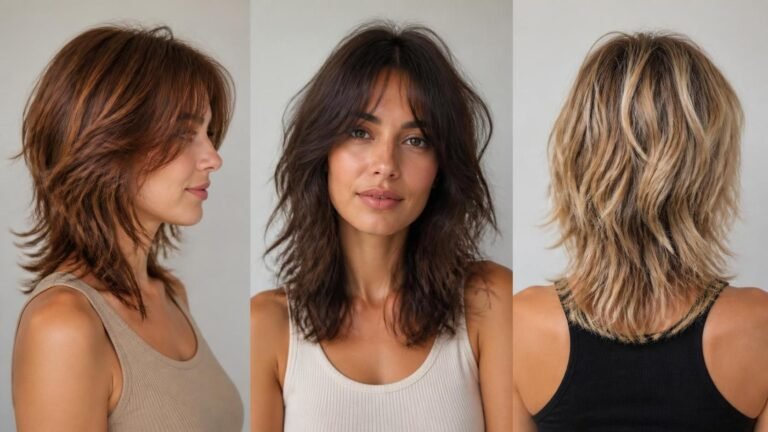
3. Bouncy Butterfly Layers
Butterfly layers are having a real moment, and they actually suit fine hair better than most people expect. The shorter layers on top create lift and crown volume. The longer pieces underneath keep the perimeter looking full and weighty.
Ask for: a clear difference between the crown layers and the length so the butterfly shape reads clearly. Style tip: use a round brush at the roots while blow-drying and direct airflow upward for maximum lift. Best for: fine hair that still has some natural movement or body when styled.
4. Cool Brunette Butterfly Cut
This version of the butterfly cut feels more polished and put-together than a shaggy take. The face-framing layers curve inward slightly, giving structure without taking away density. The outer line stays solid, which is exactly what thin hair needs.
Ask for: face-framing pieces that curve inward at cheekbone level rather than flaring out. Style tip: finish with a small amount of smoothing cream on the lengths to control any frizz or flyaways. Tell your stylist: no over-thinning around the temples, where fine hair tends to be sparsest.
5. Cascading Feathered Layers
Feathered layers get a bad reputation for fine hair, but placed correctly they work really well. The key is keeping them low and blended, building shape around the cheekbones rather than chopping high at the crown.
Ask for: layers that begin below the chin and feather gradually toward the ends. Style tip: apply a lightweight serum through the mid-lengths before styling to keep the feathering airy, not frizzy. Avoid: high-stacked layers near the crown that remove too much weight from where you need it most.
6. Sleek Blunt Clavicut
The clavicut hits right at the collarbone and is one of the most reliable cuts for fine hair. A strong, blunt perimeter is the fastest way to make thin ends look healthier and denser. No layers needed if your hair is especially fine.
Ask for: a clean, one-length cut with a soft bevel underneath if you want a little movement. Style tip: wear it pin-straight for the fullest look, or add a gentle inward bend with a large barrel iron. Works well for: very fine hair that loses density quickly with heavy layering.
7. Soft Curtain Fringe Layers
Curtain fringe is one of those additions that genuinely transforms a medium-length cut. It adds framing around the face, covers sparse hairline areas, and creates the illusion of more volume without requiring much effort to style.
Ask for: bangs that graze the cheekbones and blend seamlessly into the lengths on either side. Style tip: blow-dry the fringe section forward first, then gently sweep it apart with your fingers for the natural split. Keep: layers below the chin so the mid-length and ends stay full and blunt-looking.
8. Deep Side Part Volume Lob
Switching to a deep side part is one of the fastest free tricks for adding volume to flat fine hair. The roots lift naturally against their usual direction. The longer front pieces sweep across the forehead and create a fuller silhouette.
Ask for: a lob with minimal layers and a slightly longer front to emphasize the side sweep. Style tip: blow-dry the crown section in the opposite direction first, then flip it back over for extra lift at the root. Holds better: with a light volumizing spray applied at the roots before drying.
9. Medium-Length Layered Lob
This is the in-between cut that works for almost everyone with fine hair. Not too short, not too long. The gentle layering builds movement without removing density from the ends. A great choice if you are growing out a shorter style.
Ask for: invisible internal layers placed through the top section only, leaving the perimeter strong. Style tip: trim every 8 to 10 weeks to keep the ends looking clean and prevent splitting. Best for: fine hair at any age that needs consistent fullness without a lot of upkeep.
10. Grown-Out Balayage Layers
Grown-out balayage is low-maintenance and genuinely flattering for thin fine hair. The soft root-to-tip blend adds depth that makes hair look fuller, especially around the face where framing matters most.
Ask for: a balayage that focuses color through the face-framing pieces for the most visible volume effect. Style tip: use a dry texture spray at the roots on second or third-day hair for grip and lift. Refresh: a toning gloss every couple of months keeps the dimension looking intentional, not faded.
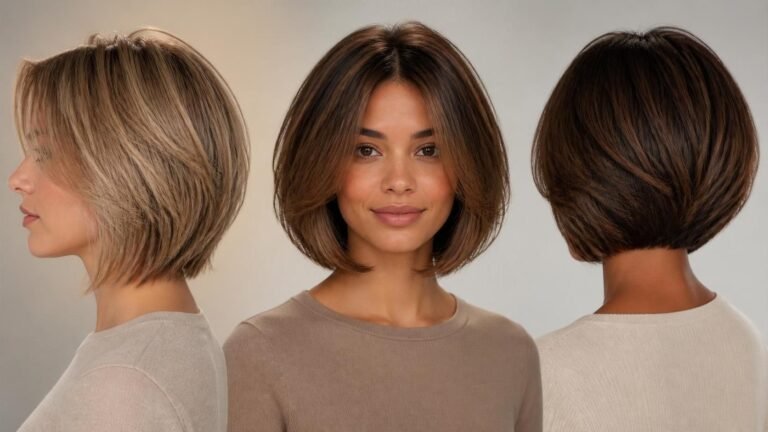
11. Italian Bob With Soft Bend
The Italian bob has a rounded, slightly outward shape at the ends that naturally builds fullness. It sits around jawline to chin length and swings just enough to add movement without losing density.
Ask for: a soft bevel through the perimeter and a rounded shape rather than a blunt straight line. Style tip: apply a root-lift product before blow-drying and focus the nozzle upward at the crown. Great for: fine hair that needs shape and structure without relying on heavy layering.
12. Kitty Cut Medium Length
The kitty cut sits comfortably between a classic bob and a lob. It gives fine hair just enough movement and polish without shredding the ends into see-through wisps.
Ask for: gentle face framing and light layers only, skipping the heavy thinning shears at the perimeter. Style tip: use a medium barrel curling iron to add a soft bend through the ends for a finished look. Works well for: fine hair that loses hold quickly and needs a shape that looks styled even on low-effort days.
13. Soft Blonde Lob With Brightness
A brighter, lighter blonde on a well-shaped lob does a lot of the heavy lifting for fine hair. The color contrast between roots and lengths creates dimension. The clean ends make the whole cut look thicker.
Ask for: a bright toner or soft highlights placed through the mid-lengths to maximize the dimensional effect. Style tip: use a heat protectant spray and a smoothing paddle brush before finishing with a light texture spray. Avoid: heavy highlights that go all the way to the root, which can make fine hair look flat rather than dimensional.
14. Lob With Light Blended Layers
Light, blended layers are one of the most requested cuts for fine hair at medium length, and for good reason. Done right, they add lift at the face without making the ends look thin or see-through.
Ask for: internal layers only, placed with scissors rather than a razor, starting below the cheekbones. Style tip: use a round brush when blow-drying to coax the layers into a soft, rounded shape. Trim on schedule: every 8 weeks keeps the blended ends looking clean rather than scraggly.
15. Loose Waves With Center Part
Loose waves can instantly double the perceived thickness of fine hair. When the hair moves and catches light from different angles, it reads as much fuller than it actually is.
Ask for: a medium-length cut with minimal layers so the waves have enough weight to hold their shape. Style tip: use a medium barrel iron, wrap sections away from the face, then brush through gently with a wide-tooth comb for soft waves. Finish: with a light mist of flexible-hold spray to keep the waves from dropping throughout the day.
16. Airy Seamless Medium Layers
Seamless layers are the version of layering that truly suits fine hair. There is no choppy finish and no sudden drop in density. The hair moves and breathes without looking sparse at the ends.
Ask for: seamless graduation placed below the cheekbones so the outer silhouette stays full and intact. Style tip: scrunch a small amount of mousse into damp hair and diffuse for natural movement without crunch. Best for: fine hair that wants movement but cannot afford to lose weight from the ends.
17. Classic Medium-Length Cut
Sometimes the simplest option is the best one. A classic medium cut with a clean perimeter gives fine hair a solid, healthy appearance without the risk of over-layering.
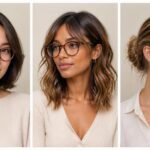
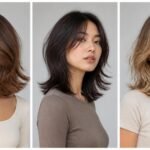
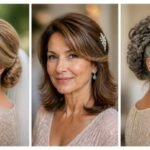
Ask for: one length or very minimal layering with a clean, slightly blunt finish at the ends. Style tip: blow-dry with a round brush, starting from the roots and working downward for a smooth, full finish. Holds well: with a volumizing mousse worked through from root to mid-length before drying.
18. Medium Lob With Side Volume
This medium lob is shaped to carry volume through the sides and around the jaw. The bend and lift keep thin hair from falling into a flat curtain by midday.
Ask for: a soft angle through the front pieces so the hair naturally falls with a little volume rather than lying flat. Style tip: apply a volumizing foam at the roots, then finish the crown section with a quick blast of cool air to set the lift. Great for: fine hair that needs structure but feels weighed down by heavier styling products.
19. Medium Lob With Curtain Bangs
Adding curtain bangs to a medium lob is a reliable way to get more shape without losing length. The bangs frame the face and help cover sparse areas at the temples, which is a common issue with fine hair.
Ask for: light, airy curtain bangs that graze the cheekbones and blend naturally into the lengths. Style tip: blow-dry the bangs forward, then separate them with your fingers for the soft center split. Keep layers minimal: so the body of the lob stays full and the curtain bangs become the focal point.
20. Polished Medium Lob For Fine Hair
A polished lob is about precision. Clean perimeter, smooth finish, gentle face framing. Fine hair looks noticeably thicker when the ends are blunt and the top section lies smooth.
Ask for: a clean perimeter cut and a small amount of face framing that does not thin out the sides. Style tip: use a lightweight smoothing cream and tuck one side behind the ear for a polished, put-together look. Finish: with a small amount of shine serum on the lengths to enhance the sleek appearance.
21. Medium Lob With Soft Face Frame
This lob keeps the bulk of the hair intact while adding a subtle angle around the front. That slight graduation makes fine hair look thicker when viewed from the side.
Ask for: a clean perimeter with only minimal face-framing layers and no thinning through the ends. Style tip: do a smooth blow-dry to enhance shine, then let the face-framing pieces fall naturally for an effortless finish. Works well for: fine hair that needs some shape around the face but cannot handle heavy layering.
22. Mid-Length Blowout Layers
Blowout layers are designed to be worn with volume, and they deliver best when the top section has lift and the ends stay dense. This is a cut that looks impressive right out of the salon chair.
Ask for: layers through the crown that add lift, with the perimeter staying full and blunt. Style tip: use Velcro rollers on the front sections after blow-drying and leave them in for 10 minutes for longer-lasting volume. Use: a round brush at the roots throughout the blow-dry for the full salon-style blowout effect.
23. Modern Rachel Curve Layers
The modern take on the Rachel cut uses C-shaped layers that curve toward the face rather than fanning outward. It gives fine hair movement and dimension without making the ends look sparse.
Ask for: soft graduation through the layers and a strong longest length through the back and perimeter. Style tip: use a large round brush and blow-dry the layers in a forward, curving motion to emphasize the shape. Tell your stylist: no heavy thinning at the ends, which can undo the fullness this cut is meant to create.
24. Shaggy Lob With Texture
A shaggy lob on fine hair can work when the layers are controlled and intentional. The texture needs to feel light and airy, not choppy or see-through at the ends.
Ask for: light, soft shag layers that start below the chin and keep the perimeter somewhat dense. Style tip: spray a dry texture product at the roots and scrunch upward through the mid-lengths for easy volume. Avoid: over-layering near the ends, which will make fine hair look thin and scraggly rather than intentionally undone.
25. Soft Curtain Bangs With Waves
Curtain bangs combined with loose waves is one of the most flattering combos for fine hair at medium length. The waves add body throughout the length while the bangs frame the face and fill in the hairline area.
Ask for: cheekbone-grazing curtain bangs and light layers that start below the chin rather than higher up. Style tip: curl the bangs slightly away from the face before parting them for a soft, relaxed look. Finish: with a flexible-hold spray so the waves and fringe hold their shape without feeling stiff.
26. Airy Curtain Bangs Lob
This airy lob uses curtain bangs that split naturally down the center to create softness around the face. It is a smart option for covering sparse temples while keeping the rest of the style sleek and manageable.
Ask for: a lob with minimal layers through the body and curtain bangs that sit softly rather than lying flat. Style tip: blow-dry the fringe section forward first, then sweep it back gently with your fingers for the natural bend. Works well for: fine hair that benefits from the added framing but does not want a heavy full fringe.
27. Wispy Medium-Length Layers
Wispy layers at medium length are all about softness at the ends without sacrificing density. The bulk of the weight stays in the lower half, which keeps fine hair looking full where it matters most.
Ask for: long layers only, placed well below the chin, and ask specifically for scissors rather than a razor at the ends. Style tip: use a light mousse from root to mid-length, then diffuse or air-dry for a natural finish. Avoid: razor-cut ends if your fine hair tends to fray, split, or look stringy quickly between trims.
FAQs About Medium Length Haircuts for Thin Fine Hair
What is the best medium length haircut for thin hair? A blunt lob or clavicut is usually the top recommendation. The clean, dense perimeter makes fine ends look noticeably fuller. If you prefer some movement, ask for internal layers only, placed below the chin, so the outer shape stays solid.
Do layers make thin hair look thicker or thinner? It depends entirely on placement. Layers that start low and blend seamlessly can add volume and movement. Layers that are stacked high or cut with a razor can make fine hair look sparse and see-through. Always ask for scissors-only layering if your hair is thin.
How often should I trim thin fine hair at medium length? Every 8 to 10 weeks is ideal. Fine hair splits and breaks faster than thicker hair, and split ends travel upward quickly. Regular trims keep the perimeter looking clean and dense rather than ragged.
What products work best for fine hair volume? Root-lift mousse or foam applied before blow-drying builds the most lasting volume. Dry texture spray works well on second-day hair for grip and lift. Avoid heavy oils or serums near the roots, which flatten fine hair fast.
Are curtain bangs good for thin fine hair? Yes, curtain bangs are one of the best fringe options for fine hair. They are soft, low-maintenance, and frame the face without requiring a lot of density. They also help disguise sparse hairlines or temples, which is a common concern with fine hair.
What should I tell my stylist if I have thin fine hair? Tell them you want to protect fullness at the ends, avoid heavy thinning shears, and focus on lift at the crown. Be specific. Ask for scissors-only layering, a strong perimeter, and placement of layers starting below the chin. The more detail you give, the better the result.
How to Make Any Medium Haircut Work Harder for Fine Hair
Getting the right cut is step one. But how you care for it between appointments matters just as much, especially when your hair is fine.
The most common mistake fine-haired people make is over-washing. Daily washing strips the natural oils that give fine hair grip and texture. Try washing every other day, and on in-between days, use a dry texture spray at the roots to refresh the volume. Another game-changer is blow-drying upside down at the crown for the first two minutes. That simple technique lifts roots that would otherwise lie flat all day.
When it comes to styling tools, a medium round brush is your best friend for fine hair at medium length. It builds bend and body at the same time without the stiffness of rollers or the flatness of a paddle brush. Finish your blow-dry with a cool shot from the dryer to lock the volume in place. These small habits, paired with the right cut, make a real difference in how full your hair looks every single day.
You Deserve a Cut That Actually Works
So many women with thin fine hair spend years settling for styles that look fine in the salon chair and fall flat by afternoon. The right medium length haircut changes that. It works with your hair’s natural texture, holds shape throughout the day, and actually looks better on second-day hair when there is a little more grip to work with.
Every style in this list was chosen because it respects the needs of thin fine hair. Strong perimeter. Smart layering. Volume where it counts. None of them require a complicated routine or a cabinet full of products to look good.
Pick the one that matches your lifestyle and your face shape, then take the name and a photo to your stylist. Be clear about what you want to protect, the fullness at the ends, the lift at the crown, and the strength through the perimeter. That conversation alone will get you closer to the cut you have been looking for.
The best haircut is the one you stop thinking about because it just works.