Lob Haircuts for Thin Hair: 19 Gorgeous Styles That Create Fullness and Volume
A lob strikes the perfect balance for fine and thin hair—short enough to maintain manageable weight but long enough to preserve movement and style versatility.
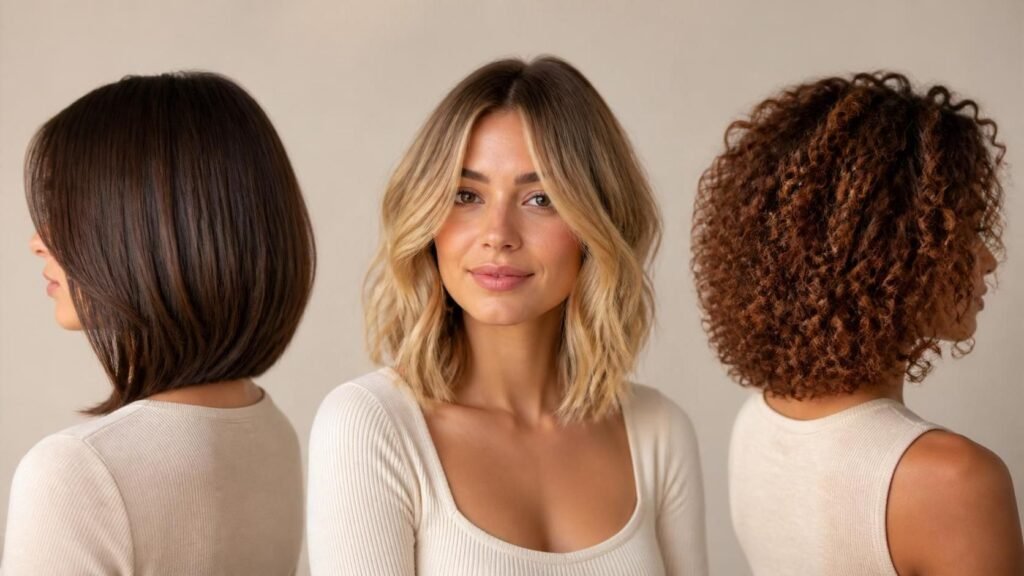
This shoulder-grazing length creates the optical illusion of fullness while keeping your hair healthy and strong at the ends. The key to making a lob work beautifully with thin hair lies in strategic cut choices that prioritize density over excessive layering.
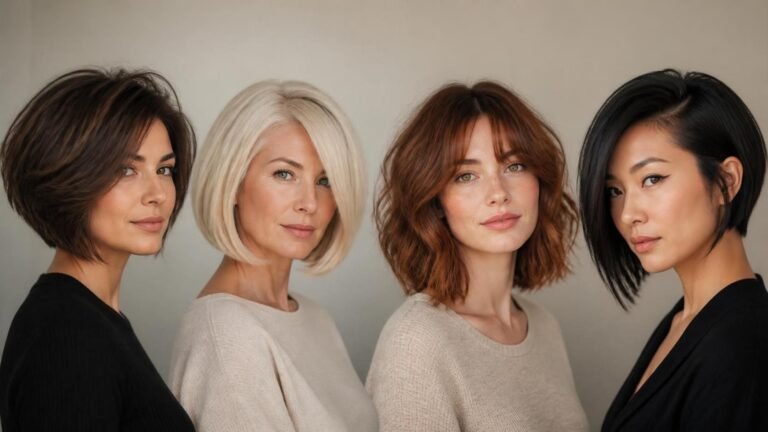
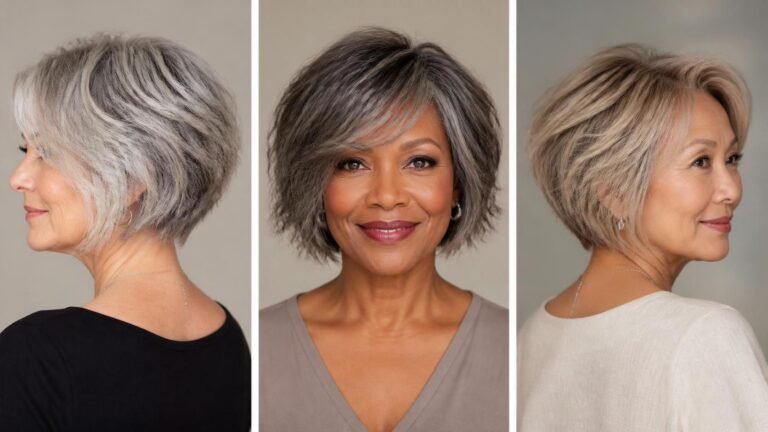
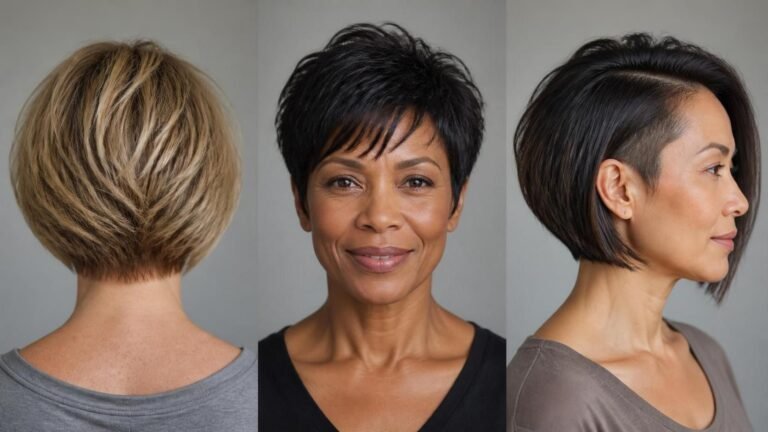
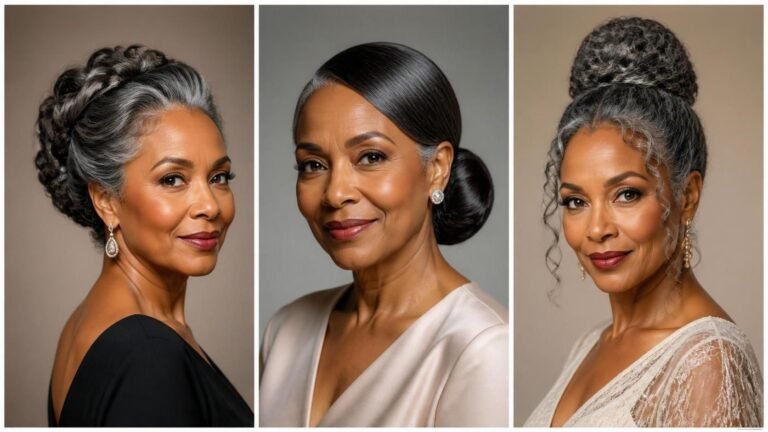
Below are 19 gorgeous lob hairstyles specifically designed for thin hair, each chosen for its ability to add volume, create shape, and remain low-maintenance enough for real-life styling.
Deep Side-Part Sleek Lob
A deep, dramatic side part paired with a polished, blunt perimeter creates the illusion of increased density where it matters most—at the ends. The clean lines make thin hair appear thicker and more substantial.
Sleek Styling Technique: Blow-dry with a round brush directing all hair to the side, then smooth with a lightweight serum for polished shine without weight.
The structured side part creates natural fullness on the heavier side while the blunt-ish tips provide visual weight. Style with a round brush and tuck one side behind your ear for instant polish. Minimal internal layering preserves the solid perimeter that makes this cut so effective for thin hair.
Soft Wavy Lob With Root Melt
A root melt or root shadow adds dimensional depth at the scalp, making your hair appear denser and fuller right from the roots. This color technique works beautifully with soft, loose waves that enhance movement.
Root Depth Enhancement: Ask for a color application that gradually blends darker tones from the scalp, creating the illusion of thicker hair without adding weight.
Loose waves prevent the style from appearing heavy or bulky while the root depth creates the appearance of density. Texturizing spray and finger-combing enhance the soft, lived-in aesthetic. This combination of color and cut creates beautiful dimension that photographs well and looks fuller in various lighting.
Blowout Lob With Flipped Ends
Lifted, flipped ends create movement and visual fullness without requiring heavy layering that thins the perimeter. The technique works with your hair’s natural tendency rather than fighting against it.
Flipped End Technique: Use a round brush or hot brush to create a curved lift at the ends, directing hair away from the face for natural volume and movement.
A strong baseline with minimal layering maintains density while the flipped ends add dimension and liveliness. Light-hold spray keeps the movement bouncy and fresh without creating stiffness. This styling approach works beautifully for anyone wanting movement without sacrificing the fullness that makes thin hair look healthy.
Clean Blunt Bob-Lob
A crisp, even hem instantly creates the visual perception of thickness and density that thin hair desperately needs. The architectural precision of a clean blunt line does heavy lifting for fine hair.
Blunt Perimeter Maintenance: Ask your stylist for an absolutely blunt, straight perimeter with minimal internal layers that preserve the solid outline.
Minimal layering preserves maximum weight at the ends while the geometric precision creates visual density. Blow-dry with smoothing cream and keep the ends slightly turned under for additional fullness. This straightforward, elegant approach requires regular trims but delivers consistent results.
Layered Lob With Side-Swept Bang
Side-swept bangs provide coverage and softness at the front while subtle layers throughout add movement without destroying the density of your ends. The layering is carefully controlled and blended.
Subtle Layering Strategy: Request long, blended layers that preserve the dense perimeter while adding movement only around the crown and face-framing area.
The side-swept bang draws focus to your eyes and face while the controlled layers create lift without thinning. Root lift spray adds volume that lasts through the day. This approach works beautifully for anyone wanting softness and movement while maintaining the density necessary for thin hair.
Airy Layered Lob With Warm Highlights
Warm highlights add dimensional depth that makes thin hair appear more textured and full. Strategic highlighting combined with thoughtful layering creates expensive-looking dimension.
Highlight-Induced Dimension: Request warm highlight placement through the mid-lengths where they catch light naturally, creating the illusion of texture and depth.
Light layering around the face and crown adds movement while the blunt-ish baseline maintains perimeter density. Texture spray applied to damp roots before blow-drying creates lasting volume. The warm tone enhances the appearance of thickness even on fine hair.
Mid-Length Lob With Subtle Layers
Invisible or nearly invisible layering preserves the solid weight of your hair while creating just enough movement to prevent flatness. The key is restraint in the layering process.
Invisible Layering Method: Ask your stylist for internal layers that create movement without visible chopping or thinning, keeping the perimeter strong and blunt.
A flat iron bend on the ends creates a polished, intentional appearance without requiring excessive heat or product. This simple cut works beautifully for anyone preferring low-maintenance styling that doesn’t require constant blow-drying. The subtle approach lets the hair itself do the talking.
Piecey Blonde Lob With Soft Texture
Light blonde coloring combined with subtle texture creates the appearance of natural movement and fullness. The piecey finish makes thin hair look more lived-in and dimensional.
Piecey Texture Creation: Request soft, textured ends created with scissors rather than a razor, preventing the thin appearance that comes from over-texturizing.
Light mousse applied to damp roots followed by air-drying creates natural volume that lasts. The undone aesthetic actually photographs better and feels more authentic than heavily styled versions. Blonde coloring naturally makes hair appear fuller and lighter.
Root-Shadowed Lob With Natural Waves
A root shadow creates visual density at the scalp while natural waves throughout add movement and dimension. This color-cut combination optimizes volume on thin hair.
Root Shadow Application: Request a subtle darker tone applied only at the roots, blending into lighter mid-lengths for dimension without weight.
Long face-framing pieces soften the overall appearance while the darker roots create the illusion of thicker hair at the scalp. Style with loose waves and keep the ends slightly straighter to maintain perimeter density. This approach photographs beautifully and creates volume that lasts between salon visits.
Shaggy Layered Lob With Wispy Fringe
Wispy fringe and strategic layering create lift at the crown while the tapered layers throughout prevent bulk. The shaggy approach works beautifully for anyone wanting volume without teasing.
Shaggy Volume Technique: Request layering that’s concentrated at the crown for lift while keeping the perimeter denser for fullness at the ends.
Diffusing with light foam brings out separation and creates lasting volume. Textured layers create the illusion of more hair through dimensional layering. This approach works beautifully for anyone embracing the effortless, undone aesthetic.
Sleek Center-Parted Lob
A center part combined with a clean, sharp hem creates visual density and fullness through architectural precision. The symmetry of a center part highlights the strength of your perimeter.
Center Part Styling: Blow-dry with a round brush directing hair to create volume on both sides of the center part equally.
Minimal internal layering preserves the strong perimeter while keeping the center part sharp. A lightweight serum adds shine without weight. This classic, elegant approach works beautifully for anyone wanting a timeless, polished aesthetic that photographs well.
Sleek Long Lob With Blunt Ends
Extending the lob slightly longer while maintaining a clean, blunt perimeter gives you additional length without the stringy appearance that often accompanies longer thin hair. The blunt ends do the heavy visual lifting.
Blunt End Preservation: Ask for a solid baseline with only tiny internal layers for movement, keeping the visible perimeter strong and dense.
Blow-dry with a paddle brush and finish with shine spray on the ends for a polished appearance. The longer length requires more frequent trims to maintain the blunt edge but delivers consistent results. This approach works beautifully for anyone wanting length with the appearance of density.
Soft Angled Lob With Face-Framing Layers
A subtle angle brings the front pieces forward, creating the appearance of thickness around the face while maintaining a strong back. The angle is gentle, not exaggerated.
Angled Cut Technique: Request layers focused primarily at the front, creating softness around the face without thinning the back perimeter.
A gentle round-brush bend away from the cheekbones enhances the angle while maintaining movement. The longer front pieces frame your face beautifully while the angled back preserves density. This refined approach works for anyone wanting softness without sacrificing the volume that makes thin hair look healthy.
Soft Natural Lob With Easy Volume
A soft, understated cut with minimal styling requirements creates natural volume through strategic lift at the crown. This low-maintenance approach suits busy lifestyles perfectly.
Root Lift Strategy: Apply mousse to damp roots before blow-drying, directing hair upward at the crown for lasting natural-looking volume.
Light movement through the top adds dimension without requiring excessive heat styling or product. Air-drying with product creates a more natural-looking result than extensive blow-drying. This effortless approach works beautifully for anyone prioritizing ease while wanting a polished appearance.
Subtle Curved Lob
An subtle inward curve at the ends creates visual fullness while maintaining a polished, expensive appearance. The technique is simple but dramatically impacts how thick your hair appears.
Curved End Technique: Ask your stylist for a soft under-bevel that curves slightly inward, creating the appearance of thicker, bouncier ends.
Blow-drying with a round brush rolling the ends under preserves the curve while creating volume. This polished approach photographs beautifully and works for various occasions. The curve creates lift and movement that thin hair naturally lacks.
Subtle Face-Framing Layers Lob
Keeping layers subtle and focused around the face adds softness without thinning the back perimeter. The conservative approach to layering preserves the density that makes thin hair look healthy.
Face-Framing Focus: Request layers beginning around the cheekbone level, keeping the back dense while adding movement only where needed.
Long face-framing pieces soften the overall appearance while loose waves prevent the style from appearing heavy. Keeping the ends slightly straighter than the upper sections maintains perimeter density. This approach works beautifully for anyone wanting softness without sacrificing fullness.
Volumized Bob-Lob Hybrid
A slight stack in the back creates lift at the crown while maintaining a tidy, manageable length. This hybrid approach works beautifully for anyone needing volume at the crown without sacrificing overall length.
Crown Stack Technique: Ask for subtle stacking only at the back crown, lifting hair upward without creating weight or bulk that flattens thin hair.
A root spray applied before blow-drying creates lasting volume that doesn’t require constant styling. The clean perimeter maintains the density that makes this cut work for thin hair. This practical approach combines the volume benefits of a shorter cut with the versatility of a lob.
Wavy Lob With Root Shadow
A root shadow creates visual density at the scalp while soft waves throughout add movement and dimension. This combination optimizes the appearance of fullness.
Root Shadow and Wave Combination: Use darker root tones with lighter mid-lengths, then pair with soft, spaced-out waves for movement and dimension.
Texture spray applied to damp ends creates lasting definition without requiring heat styling. A blunt-ish baseline with light layering only preserves perimeter density. This approach photographs beautifully across various lighting conditions.
Wavy Lob With Soft Bangs
Soft bangs create the illusion of fullness at the hairline while waves throughout add movement and dimension. The fringe is wispy and blended rather than heavy or thick.
Soft Bang Placement: Request wispy bangs that hit around the brow area and blend seamlessly into gentle layers rather than creating a distinct line.
Diffusing lightly brings out natural wave patterns and creates lasting volume. Piecing the fringe with cream adds dimension without heaviness. This approach works beautifully for anyone wanting the softness of bangs while maintaining the volume necessary for thin hair.
Styling Thin Hair for Maximum Volume: Expert Techniques and Product Recommendations
Creating and maintaining volume in thin hair requires specific styling techniques and product choices designed for lightweight hold without weight. Start with mousse or volumizing spray applied to damp roots before blow-drying, directing hair upward at the crown. A round brush helps create lift while distributing product evenly throughout.
Choose lightweight volumizing products rather than heavy creams or oils that weigh hair down. Texturizing sprays add grit and grip that helps volume last longer throughout the day. Avoid products with silicones or heavy polymers that can flatten thin hair. Instead, look for formulas specifically designed for fine hair that provide hold without weight.
Understanding Color Strategies for Thin Hair: Creating Density Through Highlights
Color plays a significant role in creating the appearance of density and fullness on thin hair. Root shadows and root melts create immediate visual depth at the scalp, making hair appear denser. Highlights throughout add dimension that makes thin hair look more textured and full.
Warm tones like honey, caramel, and golden blonde naturally appear fuller than cool tones. These warmer shades create the illusion of dimension and texture even on completely straight hair. If you prefer cooler tones, consider adding subtle highlights strategically through the mid-lengths and ends to create dimension and texture.
Maintenance and Trim Schedule: Keeping Your Lob Looking Fresh
Regular trims are non-negotiable for thin hair lobs, as split ends and breakage make fine hair appear thinner and more scraggly. Schedule trims every 4-6 weeks to maintain the blunt perimeter and prevent the stringy appearance that develops with longer growth cycles on thin hair.
Between appointments, maintain your hair with a nourishing conditioner and protective leave-in products. Minimize heat styling when possible and always use heat protectant products before blow-drying. These preventative measures keep your hair strong and healthy, maximizing the appearance of fullness.
Essential FAQs: Getting the Most From Your Thin Hair Lob
How much layering is actually okay for thin hair?
Layering can work beautifully when done strategically, but the key is restraint. Ask for subtle, blended layers that add movement without thinning the perimeter. Internal layers that don’t show at the ends work better than visible choppy layers. If your hair is extremely fine, a mostly blunt perimeter with minimal internal movement usually looks fullest.
What specific length creates the most flattering appearance for thin hair?
Collarbone length represents the sweet spot for thin hair, providing enough weight to look dense while remaining short enough to maintain bounce and movement. This length keeps sufficient weight at the ends while remaining manageable. If you prefer additional fullness, go slightly shorter, just above the collarbone.
Should I blow-dry my thin hair lob every day, or will air-drying work?
A combination approach works best for most people with thin hair. Blow-drying with a round brush creates volume that lasts longer than air-drying alone, but air-drying with volumizing mousse works beautifully for low-key days. The key is starting with product applied to damp roots for lasting lift regardless of drying method.
Are bangs a good choice if I have thin hair?
Soft, wispy bangs work beautifully for thin hair because they create fullness at the hairline without requiring heavy density. Avoid heavy, blunt bangs that can emphasize thinness. Side-swept or face-framing bangs soften the overall appearance while the wispy nature keeps them from appearing thin or sparse.
How can I make my thin hair lob look fuller for special occasions?
For events or special occasions, blow-dry with a root lift product to maximize natural volume. Consider adding clip-in hair pieces strategically at the crown for additional volume without looking obvious. Looser waves and spirals create fuller-looking hair than tight curls. Avoid slicked-back styles that emphasize thinness.
What products should I avoid if I have thin hair?
Avoid heavy oils, thick creams, and serums with silicones that weigh hair down. Skip heavy pomades and thick gels designed for textured hair. Instead, choose lightweight volumizing mousses, dry shampoos, and texturizing sprays designed specifically for fine hair. Water-based rather than oil-based products work better for maintaining natural volume.
Your Thin Hair Lob Transformation Starts Here
Choosing the perfect lob for thin hair means prioritizing cuts that create visual fullness through strategic density and clever styling rather than trying to force thick-hair trends onto fine hair. Your ideal cut celebrates what thin hair does beautifully—movement, elegance, and effortless lightness—while creating the appearance of fullness through cut and color choices.
Save 2-3 favorite styles from this list and bring them to your stylist, then clearly communicate your priorities. Do you want thicker-looking ends, more lift at the crown, or softer pieces framing your face? These specific requests help your stylist create a custom lob that works perfectly for your particular hair characteristics and lifestyle.
Remember that collarbone length represents an excellent starting point for anyone uncertain about length—you can always go shorter later if you want additional fullness. Regular trims every 4-6 weeks maintain the blunt perimeter that makes thin hair look dense and healthy. Your lob should make daily styling easier, not harder, while creating the appearance of fuller, thicker hair that photographs beautifully and lasts between salon visits.