
Pixie Bob Haircuts for Thin Hair: 24 Volume-Boosting Styles That Look Fuller
Short pixie bobs represent a game-changer for anyone with thin or fine hair, offering a practical solution that creates fullness without the weight that drags down delicate hair. The right pixie bob provides lift at the crown, maintains density at the perimeter, and creates visual fullness throughout the day.
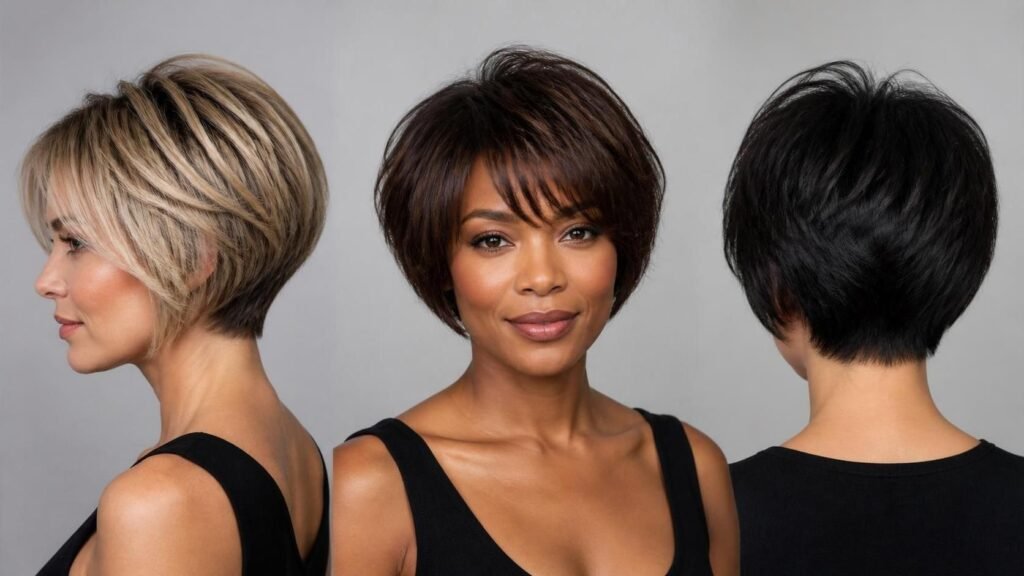
This hybrid cut combines the ease of a pixie with the versatility of a bob, creating a flattering silhouette that frames your face beautifully.
Below are 24 gorgeous pixie bob hairstyles for thin hair, each selected for its ability to add volume, create dimension, and remain manageable with simple daily styling.
Side Swept Highlight Pixie Bob
A deep side part paired with sweeping fringe provides instant coverage where fine hair tends to appear sparse, particularly around the temples and hairline. Strategic highlight placement adds dimensional depth that creates the illusion of thicker hair.
Coverage and Dimension Strategy: Place highlights through the upper layers where they catch light, creating texture that makes thin hair appear fuller and more dynamic.
A slightly stacked back creates subtle lift without bulk, while light texturizing at the ends prevents that stringy appearance. The side-swept fringe works beautifully for anyone with receding temples or a sparse hairline. This approach combines practical coverage with flattering dimension.
Sleek Tucked Pixie Bob
A polished, grown-up pixie bob with sides that tuck cleanly behind the ears maintains elegance while creating the appearance of thickness. The smooth, rounded top creates visual fullness and substance.
Root Lift Technique: Apply a pea-size amount of lightweight mousse to damp roots, blow-drying forward first before sweeping to your preferred side for lasting volume.
The tucked sides create a clean silhouette while the rounded top maximizes perceived density. This refined approach works beautifully for professional settings while remaining accessible for everyday wear. The structured shape provides definition that thin hair sometimes lacks naturally.
Rounded Crown Lift Pixie Bob
A strategically rounded crown built through careful cutting creates the illusion of volume without requiring teasing, backcombing, or heat styling. This foundational structure does the heavy lifting for you.
Crown Roundness Development: Ask your stylist for soft stacking at the back crown with the top kept slightly longer, preserving a blunt perimeter for density.
The built-in lift means you get volume even on minimal-effort days when you air-dry without styling. The blunt perimeter makes thin hair appear thicker and more intentional. This architectural approach works beautifully for anyone prioritizing low-maintenance styling.
Soft A-Line Pixie Bob
An A-line silhouette with longer front pieces creates the appearance of fuller cheekbones while maintaining the practical length of a short pixie. The angle brings dimension without requiring excessive layering.
Angled Face-Framing Strategy: Request longer pieces at the front that frame cheekbones, with minimal layering throughout to preserve density and weight.
A quick bend with a hot brush adds polish and movement without heat damage. The longer front pieces offer flexibility for styling variations depending on your mood. This flattering approach works across various face shapes beautifully.
Choppy Fringe Pixie Bob
Choppy texture and wispy fringe create movement and separation that prevents thin hair from appearing flat or heavy. The piecey aesthetic makes styling faster while creating visual fullness.
Piecey Texture Application: Work a small amount of texture paste through the tips and pinch gently for separation, never spiking or heavily styling pieces.
The choppy layers break up flat spots naturally while requiring minimal daily styling effort. This undone, textured aesthetic actually photographs better than overly polished versions. The fringe provides coverage while the choppy nature prevents the appearance of sparseness.
Feathered Volume Pixie Bob
Soft feathering around the face creates lift and movement while the sides remain close to the head, preventing bulk that can overwhelm thin hair. The feathering is subtle, not exaggerated.
Feathered Layer Technique: Ask for scissor-over-comb shaping that creates soft, individual feathered pieces rather than blunt, chunky sections.
Finish styling with a round brush flick at the ends for movement and polish. The feathered layers work with your hair’s natural patterns rather than fighting them. This approach creates volume that photographs beautifully from multiple angles.
Ice Blonde Tapered Pixie Bob
Cool-toned blonde makes fine hair appear brighter and creates the optical illusion of thickness. A clean taper at the nape maintains shape while the side-swept front provides flattering coverage without heaviness.
Blonde Maintenance Routine: Use purple shampoo 1-2 times weekly to prevent brassiness and maintain the cool tone that enhances fullness.
The side-swept front offers coverage without the weight of a full bang, preventing a washed-out appearance. Smoothing cream controls flyaways without weighing hair down. This sophisticated approach works beautifully for anyone willing to commit to color maintenance.
Piecey Brunette Pixie Bob
A brunette base with strategically broken layers creates texture and movement while the deeper tone adds richness without weight. The piecey nature makes thin hair appear more full-bodied.
Piecey Brown Styling: Blow-dry with your fingers for a natural, undone finish, then add light spray wax to hold the separated pieces throughout the day.
The layers are placed strategically to create lift at the crown while maintaining density at the perimeter. This warm-toned approach suits most complexions beautifully while appearing forgiving with regrowth. The piecey finish actually improves as it grows out, getting better with time.
Pixie Bob With Subtle Hidden Undercut
A hidden undercut underneath removes bulk where fine hair can puff up, particularly in humidity, while maintaining a sleek appearance on top. The undercut remains invisible when hair is down.
Undercut Visibility Prevention: Ensure the undercut is only slightly shorter than the overlying hair, creating bulk reduction without a dramatic contrast if the top is pulled back.
Style with a flat brush and a light serum for polish and control. The undercut provides practical benefit for fine hair without requiring a statement-making appearance. This smart combination works beautifully for anyone dealing with humidity or puffiness.
Pixie Bob With Micro Fringe
Micro fringe provides a sharp, fashion-forward finishing touch while the soft, wearable shape remains accessible. The short fringe creates visual interest without requiring heavy density.
Fringe Thickness Consideration: Keep the top slightly longer so fine hair doesn’t appear see-through when the fringe is visible, maintaining density throughout the cut.
A quick blow-dry forward adds instant density to the fringe area. This contemporary approach appeals to anyone comfortable with styling risks while maintaining practicality. The fringe works beautifully for framing eyes and creating focus.
Platinum Micro Fringe Crop
This platinum crop reads thick because the fringe is cut with blunt precision and the crown maintains rounded fullness. The tight sides emphasize the rounded top, creating visual contrast that enhances perceived volume.
Fringe and Crown Balance: Pair the sharp micro fringe with a well-rounded crown to maximize visual fullness without creating a heavy appearance.
A light root powder at the part adds lift without creating grittiness that weighs fine hair down. The crisp platinum tone photographically enhances the fullness created through the cut. This bold approach works beautifully for anyone confident in their styling.
Platinum Swept Top Undercut Pixie
The side undercut removes bulk while the longer, swept-over top provides coverage and styling flexibility. This combination addresses both volume concerns and practical styling needs.
Undercut and Top Coordination: Keep the top long enough to sweep completely over the undercut when desired, preventing any visibility of the shorter underneath section.
Soft beveling at the ends prevents that razor-thinned appearance while maintaining movement. The platinum tone creates brightness that emphasizes the fuller appearance created through cut structure. This practical approach appeals to anyone wanting shape with manageable styling.
Rounded Classic Pixie Bob
A rounded pixie bob represents the safest choice when seeking volume while maintaining a classic, timeless outline. The rounded crown creates lift while the smooth sides maintain polish.
Classic Crown Development: Blow-dry upward at the roots, then smooth the top with a flat brush to enhance the rounded shape and create subtle shine.
The architectural roundness creates visual fullness without requiring constant styling effort. This approach transcends trends while remaining completely current and wearable. The classic aesthetic works beautifully for anyone preferring timeless over trendy.
Shaggy Texture Pixie Bob
Shaggy layers with soft, broken texture create movement and dimension that makes thin hair appear fuller and more textured. The undone aesthetic prevents flatness while remaining intentional.
Shaggy Layer Application: Use light mousse during the drying process while scrunching and directing hair upward to enhance the textured, lived-in appearance.
The layers are strategically placed to create lift at the crown while softening the face. This approach works beautifully for anyone embracing the undone, modern aesthetic. The texture actually improves slightly as the cut grows out.
Deep Side Part Pixie Bob
A deep side part hides a sparse hairline while the longer front piece frames the eye area beautifully, creating focus where you want it. The back benefits from slight stacking for lift.
Deep Part Technique: Part hair at least one inch from your natural part line, creating a pronounced side area that conceals sparse spots instantly.
A quick hot brush pass through the longer front piece adds bend and fullness. The side part creates natural asymmetry that works beautifully with thin hair. This approach combines practical coverage with flattering styling.
Sleek Tapered Pixie Bob
A clean taper at the nape creates sharp contrast that makes the rounded top appear fuller by comparison. The tapered back emphasizes the volume at the crown.
Taper Maintenance Strategy: Use a root spray before blow-drying to maximize lift at the crown, then taper at the nape remains sharp and intentional.
The tapered back requires more frequent trims but delivers consistent visual results. This polished approach works beautifully for anyone maintaining regular appointments. The contrast created between the tapered nape and rounded crown maximizes perceived volume.
Soft Feathered Pixie Bob
Soft feathering focused around the face creates dimension and softness without the weight that thick layers can add. The ends remain slightly fuller while the upper layers create movement.
Feather Placement Strategy: Concentrate feathering around facial areas for softness and movement, keeping the back and lower sections denser for fullness.
Finish styling with a tiny amount of cream on the ends to prevent a wispy appearance while maintaining dimension. The feathered approach works beautifully for anyone wanting softness without sacrificing density. This refined technique suits most styling preferences.
Stacked Back Pixie Bob
Soft stacking at the back instantly boosts fine hair by building volume where it matters most. The top stays slightly longer for styling flexibility while the stack provides structure.
Stack Placement Strategy: Ask for soft, subtle stacking that builds lift without creating weight or bulk that can flatten thin hair when positioned incorrectly.
Ask for blunt ends at the perimeter to maximize the appearance of thickness. The stacked back works beautifully with various styling moods from polished to relaxed. This approach provides the volume boost that thin hair needs.
Tapered Nape Pixie Bob
A tapered nape keeps the cut clean and intentional-looking while the rounded crown maintains lift throughout the day. This low-maintenance combination provides practical benefits.
Taper Softness Balance: Request a soft, subtle taper rather than a harsh fade, preventing the appearance of excessive thinning while maintaining shape.
If your temples thin noticeably, add a side fringe for softening coverage. The tapered nape requires regular maintenance but delivers consistent results. This practical approach works beautifully for anyone wanting a neat, polished appearance.
Clean Tapered Nape Pixie
A clean tapered nape makes thin hair appear sharper and more intentional by creating geometric precision. The rounded crown combines with the tapered nape to maximize perceived fullness.
Taper and Crown Combination: Use a vent brush while blow-drying upward at the back, creating lift that emphasizes the taper’s contrast.
This straightforward approach requires regular trims but delivers immediate results. The architectural contrast created between top and nape maximizes visual fullness. The clean tapered nape works beautifully for anyone prioritizing polish.
Tapered Silver Pixie Bob
Silver toning combined with a tapered back creates a sophisticated appearance while the slightly longer top maintains flattering fullness. The cool tone enhances the fullness created through cut structure.
Silver Styling Finish: Use lightweight volumizing spray before blow-drying to maximize natural volume, then finish with soft finger-tousling.
The tapered back requires touch-ups every 3-4 weeks for crisp definition. The silver tone creates a refined aesthetic that photographs beautifully. This approach combines color and cut strategically for maximum effect.
Textured Highlight Pixie Bob
Strategically placed highlights in the front draw the eye upward and forward, creating the illusion of greater fullness. The textured layers prevent flatness while the highlights add dimension.
Highlight Placement Strategy: Concentrate highlights in the front and upper layers where they catch light naturally, creating dimension that enhances perceived thickness.
Keep layers choppy rather than heavily thinned, preserving the weight necessary for thin hair. Style with a small amount of matte paste, raking it through gently without heavy application. The contrast highlight works hard here visually.
Tousled Brunette Pixie Bob With Wispy Fringe
Wispy fringe combined with soft texture creates the lived-in fullness that thin hair needs. The tousled aesthetic prevents flatness while remaining intentional and polished.
Tousled Styling Method: Air dry with mousse applied to damp roots, then pinch the ends gently to maintain definition without creating spiky appearance.
The top is kept slightly longer for styling flexibility and to hide thinner spots. The brunette base complements most skin tones while appearing forgiving with regrowth. This approachable aesthetic works beautifully for modern, low-maintenance styling.
Tousled Volume Pixie Bob
Maximum lift at the crown combined with a light, piecey outline creates fullness while remaining soft and wearable. The tousled finish prevents any stiff appearance.
Volume and Tousle Technique: Blow-dry upward at the roots, then flip your part slightly for additional volume that lasts throughout the day.
The high placement of layers creates movement without sacrificing perimeter density. This undone aesthetic appeals to anyone preferring modern, accessible styling. The tousled appearance actually improves with slight dishevelment.
Essential Pixie Bob Insights: Creating and Maintaining Volume in Thin Hair
Creating lasting volume in thin hair requires strategic cut choices and styling techniques designed specifically for fine hair characteristics. The most important factor is preserving density at the perimeter while building lift at the crown through careful layering and structural choices.
Regular trims every 4-6 weeks maintain shape and prevent the struggling, growing-out phase that thin hair experiences awkwardly. Between appointments, lightweight volumizing products applied to damp roots before blow-drying provide lasting lift without weight. Avoiding heavy oils and styling products near the scalp protects the natural volume your cut creates.
Product Selection for Fine Hair: Making Smart Choices
Selecting appropriate styling products dramatically impacts how well your pixie bob maintains volume throughout the day. Lightweight mousses, root sprays, and dry shampoos designed specifically for fine hair provide hold without the weight that flattens thin hair immediately.
Avoid silicone-heavy products, thick pomades, and oil-based formulations that weigh down delicate hair. Instead, choose water-based products and volumizing formulations. A tiny amount of matte texture paste applied to damp ends before styling creates definition without appearing heavy. These strategic product choices support your cut’s built-in fullness.
Understanding Your Hair’s Needs: Customizing Your Pixie Bob
Before choosing your specific pixie bob, assess your particular thin hair concerns. If your crown goes flat, select a pixie with built-in rounded structure or soft stacking. If your temples appear sparse, opt for a style with side-swept fringe or longer front pieces. If your ends look wispy, choose cuts that maintain blunt perimeters rather than heavily razored finishes.
Communication with your stylist about your specific concerns ensures they customize the cut to address your unique needs. Bringing reference photos helps convey your vision clearly. Discussing your daily styling routine prevents recommendations for cuts requiring more effort than you’ll realistically maintain.
Comprehensive FAQs: Getting the Most From Your Pixie Bob for Thin Hair
What specific instructions should I give my stylist for a pixie bob on thin hair?
Ask for structure rather than heavy thinning. Request a rounded crown for lift, a clean taper at the nape, and a slightly blunt perimeter for fullness. If your temples are sparse, ask for a side-swept fringe providing coverage. Be explicit about avoiding razor-heavy finishing that thins the perimeter.
Will going shorter actually make thin hair look fuller?
Yes, when done strategically. A well-structured short pixie bob can create more apparent fullness than longer styles because the density stays concentrated. The key is preserving perimeter weight while building lift at the crown, which a skilled stylist accomplishes more easily in short hair.
What styling mistakes should I avoid with thin hair?
Avoid slicking hair back tightly, which emphasizes scalp visibility. Skip heavy gels, pomades, and oils that weigh hair down immediately. Don’t apply volumizing products throughout the length—concentrate them at the roots for maximum effect. Avoid over-teasing or backcombing, which damages fine hair and creates breakage.
How often should I get trims to maintain my pixie bob’s shape?
Every 4-6 weeks keeps your pixie bob looking fresh and maintains the structural lift built into the cut. More frequent trims (every 3-4 weeks) help if your hair grows quickly or you have a tapered nape requiring crisp definition. Regular maintenance prevents the straggly, overgrown appearance thin hair experiences awkwardly.
Can I blow-dry my pixie bob differently for different occasions?
Absolutely. For polished occasions, blow-dry with a round brush directing hair smoothly. For casual days, air-dry with mousse for a textured finish. Side-swept variations work beautifully for styling changes. The short length provides flexibility for various looks depending on styling effort.
What’s the most important thing I should tell my stylist about my thin hair concerns?
Be explicit: you want your hair to look fuller and maintain volume throughout the day. Don’t minimize your concerns—your stylist needs to understand that a cut that falls flat by lunchtime won’t work for you. Clear communication about your lifestyle ensures they recommend an appropriate style.
Your Thin Hair Pixie Bob Transformation Awaits
Choosing the perfect pixie bob for thin hair means prioritizing cuts that create fullness through architecture rather than heavy styling. Your ideal cut celebrates thin hair’s natural qualities—lightness, movement, and elegance—while creating the appearance of greater density through strategic design.
Save 2-3 favorite styles from this list and bring them to your consultation. Clearly communicate your specific concerns: does your crown go flat? Are your temples sparse? Do your ends look wispy? These particular details help your stylist customize the cut perfectly for your hair.
Remember that regular trims every 4-6 weeks maintain the lift and shape your stylist creates. Your pixie bob should make daily styling easier, not harder, while creating fullness that lasts from morning through evening. With the right cut and simple styling techniques, your thin hair can look fuller, thicker, and absolutely beautiful.
