
20 Hairstyles for Women Over 60 With Fine Hair That Look Fuller, Fresher, and Effortlessly Stylish
Fine hair after 60 has its own particular challenge. It is not that the hair is damaged or unhealthy — it simply behaves differently. It falls flat faster, shows the scalp more easily, and loses the shape of a cut by midday.
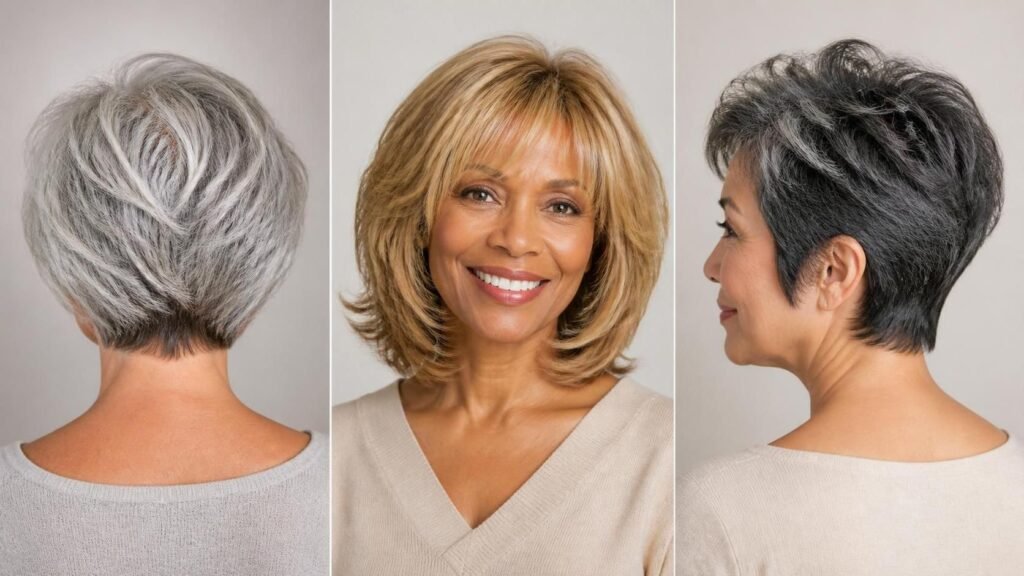
The good news is that volume does not have to come from products or daily heat tools. It can come from the cut itself. A well-chosen shape holds structure, keeps fullness where it matters, and looks intentional even on the days you barely touch it.
A few principles make a real difference here. Blunt or near-blunt ends create a strong perimeter that reads as thick and healthy. Light layers at the crown add lift without stripping the ends. A soft fringe, even a wispy one, can give the front of the hair a fullness that the hairline alone cannot provide.
As you scroll through these styles, pay attention to where each one builds its volume — at the crown, through the ends, or around the face frame. The best pick for you is the one that targets your specific concern and fits the amount of time you realistically want to spend styling each morning.
Below are 20 hairstyles for women over 60 with fine hair, chosen for fullness, shape, and wearability that goes beyond just looking good at the salon.
1. A Lob With Wispy Bangs
A shoulder-grazing lob with wispy bangs is a gentle, flattering combination that works particularly well on fine hair. The lightly textured ends prevent the weight of the length from dragging the hair flat, while the soft fringe adds interest at the front without covering too much of the face.
The wispy bangs are the key detail here — they give the hairline a fuller, more finished appearance in a way that simply parting the hair never quite achieves. A quick round brush blowout on the front pieces delivers easy swing and shape.
Ask your stylist for: Long layers and a light lift at the crown — wispy bangs that blend naturally into the sides. Blowout tip: Focus the round brush at the crown and front pieces only — the rest can air-dry naturally. Fringe density: Keep the bangs very light and separated, not thick or blunt, to avoid a heavy forehead appearance. Best for: Women who want a longer style that still looks full and shaped without needing daily heat styling.
2. Blunt Bob With a Soft Bend
The blunt bob is one of the most dependable cuts for fine hair because the solid perimeter line creates an immediate impression of thickness and density. Adding a soft bend at the ends — either inward or outward — keeps the shape from feeling too rigid or severe.
The rule with fine hair and this cut is minimal internal layering. The strong ends are doing all the visual work, and too much layering inside the cut will disrupt that effect. A hot brush or flat iron flick at the ends is all the styling required.
Ask your stylist for: A clean blunt perimeter with a gentle bevel underneath — minimal or no internal layering. Styling tool: A hot brush or small flat iron flick at the ends gives quick shape without a full blowout session. Thickness illusion: The unbroken line at the ends makes fine hair look significantly more dense and healthy. Trim schedule: Every 6 to 7 weeks keeps the blunt perimeter sharp and the density illusion fully intact.
3. Chin-Length Shaggy Bob
The chin-length shaggy bob brings piecey, separated texture to fine hair without the risk of stripping the density the way heavy layering would. The movement comes from the shape and the cut rather than product, which means it holds up much longer throughout the day.
A light fringe at the front breaks up the forehead naturally and adds a relaxed, youthful quality to the overall look. Keeping the layers shallow and concentrated around the face and crown is the key to making this work on fine strands.
Ask your stylist for: Shallow layers around the face and crown only — a light fringe that blends into the sides, not a thick bang. Product tip: A light texture spray through the lengths before air-drying gives the shaggy texture its most natural finish. Fringe weight: Request a low-density fringe — too much bang weight sits heavily on fine hair and flattens the front. Best for: Women who want a modern, relaxed style with movement that does not require perfect daily styling.
4. Choppy Blonde Bob
The choppy blonde bob keeps its fullness through the body of the cut, with the textural variation concentrated mostly at the ends rather than throughout. This approach gives fine hair the appearance of volume through the midsection where it matters most.
It looks relaxed and contemporary on fine strands without looking deliberately undone. Point-cut ends and soft face framing are the two requests that define this style — and a little mousse scrunched in before air-drying is genuinely all the maintenance it needs.
Ask your stylist for: Point-cut ends and soft face framing pieces — no aggressive thinning through the body of the cut. Color bonus: Blonde and platinum tones reflect light and add visual dimension, making fine hair look more substantial. Air-dry finish: Scrunch a small amount of mousse through damp hair and leave it — the texture settles beautifully. Best for: Women who want a modern, low-maintenance bob that looks styled even on minimal-effort days.
5. Choppy Pixie Bob With Wispy Texture
The choppy pixie bob keeps enough length around the face to remain soft and feminine while the back stays close, neat, and lightweight. The wispy texture through the top creates lift without looking spiky or harsh — it is deliberately imperfect in a way that suits fine hair perfectly.
A slightly stacked crown and feathered ends are the two technical details that make this cut work. The stack at the back builds physical volume, while the feathered ends keep the weight from building up in the wrong places.
Ask your stylist for: A slightly stacked crown and feathered ends — longer pieces left around the face for softness. Product amount: A pea-sized amount of lightweight styling paste is enough — fine hair needs very little product. Wispy vs spiky: The texture should look softly separated, not sharp or pointed — communicate this clearly to your stylist. Best for: Women who want a short style that still frames the face gently and does not read as severely cropped.
6. Classic Feathered Pixie With a Soft Side-Swept Fringe
The feathered pixie is one of the most consistently flattering short cuts for fine hair over 60 because it solves two problems at once. The feathering through the crown creates lift and air, while the soft side-swept fringe covers the hairline gently and adds a flattering sweep across the forehead.
Light layering rather than heavy texturing is the request to make here. A clean taper at the nape keeps everything looking intentional, and blowdrying forward before sweeping the fringe into place takes under two minutes.
Ask your stylist for: Light feathered layering at the crown and a soft side sweep — clean tapered nape for a polished finish. Fringe direction: Blowdry forward first to set the fringe flat, then sweep it to one side with the brush at the end. Glasses-friendly: A side-swept fringe works beautifully with most frame shapes by complementing the diagonal line. Best for: Women who want a truly low-maintenance cut that looks shaped and intentional with minimal daily effort.
7. Collarbone-Length Bob
The collarbone-length bob sits at the ideal spot for fine hair that wants length without the thinning problem that comes from growing longer. At this length, the ends are still in the thicker zone of the hair shaft, which means they hold up and look full without needing extra support.
Softly textured ends give the cut movement and a modern quality, while long layers starting below the cheekbones add swing around the front. A loose wave added with a wand dramatically increases the visible fullness of fine hair at this length.
Ask your stylist for: Long layers starting at or below the cheekbones — softly textured ends, not blunt or heavily layered. Wave tip: A loose wave with a large barrel wand makes fine hair at this length look noticeably fuller and more alive. Length logic: Below collarbone, fine hair thins at the ends — this length keeps the ends in the naturally fuller zone. Best for: Women who are not ready to go short but need their length to look full, healthy, and shaped.
8. Layered Pixie Bob
The layered pixie bob sits in the space between a pixie and a classic bob — shorter than a bob but longer than a tight pixie — which gives fine hair a shape that flatters from every angle while keeping enough length to tuck behind the ear or style in multiple ways.
The layers are kept compact rather than spread wide, which is important for fine hair. Compact layering adds structure and lift without the gaps that make thin hair look even sparser. A root spray and finger-styling is the simplest way to finish this cut each morning.
Ask your stylist for: Compact, close layers through the crown — skip thinning shears entirely on this cut. Styling ease: Root spray at the crown plus a quick finger-comb is usually all this cut needs to look finished. Tuck option: The length around the face is just enough to tuck behind the ear for a cleaner, sleeker look. Best for: Women who want shape and versatility in a short cut without committing to a very close-cropped pixie.
9. Loose Natural Curls
Loose natural curls add width and dimension to fine hair that straight or lightly waved styles simply cannot replicate. The rounded shape that well-cut curls create fills out the sides and crown in a way that makes fine hair look genuinely fuller, not just more styled.
The cut is what makes this work — layers that support the curl pattern and gentle face framing that enhances rather than fights the natural texture. Curl cream applied to damp hair, followed by a diffuse on low heat, gives the softest and most defined result.
Ask your stylist for: Layers that support the curl pattern and face framing that enhances rather than fights the shape. Product method: Apply curl cream section by section through damp hair, then diffuse on low heat for definition. Volume source: The natural width of loose curls adds fullness at the sides — no backcombing or styling tricks needed. Best for: Women with naturally curly or wavy hair who want to enhance their texture rather than fight it daily.
10. Loose Silver Waves
Loose silver waves are one of the most beautiful expressions of fine hair over 60 — the natural silver tone catches light in a way that darker colors do not, adding visible dimension and depth to hair that might otherwise read as flat.
The length sits past the shoulders with gentle internal layers that keep everything from dragging heavily downward. For straight hair, a large barrel iron adds the wave. A finishing mist of flexible hold spray keeps the volume touchable rather than stiff.
Ask your stylist for: Gentle internal layers only, starting below the cheekbones — keep the ends relatively strong. Silver advantage: Natural silver and gray hair reflects light beautifully, adding dimension that color alone cannot replicate. Wave technique: Use a large 1.5-inch barrel iron on medium heat and leave the ends unclamped for a natural finish. Finish product: A flexible hold spray sets the waves without stiffness — the hair should still move when you turn your head.
11. Messy Brunette Bob
The messy brunette bob works so well on fine hair because the lived-in texture creates the illusion of more hair rather than less. The deliberate imperfection means the styling does not need to be precise — in fact, the less perfect it is, the better it tends to look.
A light, broken-up fringe softens the whole style and keeps the front from looking too severe. The key request here is subtle layers and piecey ends rather than heavy thinning, which would undermine the density the messiness is designed to create.
Ask your stylist for: Subtle internal layers and piecey ends — specifically request no heavy thinning or razoring. Quick refresh: A dry texture spray worked through the roots and mid-lengths brings this style back to life instantly. Fringe style: Ask for a broken, wispy fringe rather than a precise cut one — the imperfection is the whole aesthetic. Best for: Women who prefer a relaxed, low-pressure styling routine where the hair looks better slightly undone.
12. Piecey Fringe
The piecey fringe style makes the front of the hair the focal point and lets the rest of the length stay understated and easy. The separated fringe pieces create the impression of more density at the hairline and frame the eyes in a way that feels genuinely modern.
Airy bangs that blend naturally into soft layers behind them are the request to make — the whole fringe should feel like part of the overall texture, not a separate element sitting on the forehead. A small round brush sets the shape, and a touch of light pomade separates the individual pieces for the finished look.
Ask your stylist for: Airy, wispy bangs that blend into soft layers behind — no harsh line between fringe and the rest. Separation detail: A tiny amount of light pomade on fingertips pressed through the fringe creates the piecey finish. Round brush use: Blowdry the fringe with a small round brush to add gentle curve and set the direction. Best for: Women who want the framing benefit of a fringe without the full commitment of a heavy or dense bang.
13. Pixie Undercut
The pixie undercut removes weight from the sides entirely and redirects the volume upward — which is exactly what fine hair needs most. The contrast between the close sides and the fuller top makes the crown look proportionally much more substantial.
Asking for a longer, textured top section is the one request that determines the success of this cut. A quick blowdry directed forward and upward from the roots creates lasting lift without needing to pile on product.
Ask your stylist for: A longer, textured top section with close-cropped sides — the contrast is where the volume comes from. Blowdry direction: Direct the dryer forward and upward at the roots to build crown lift that holds throughout the day. Volume science: Removing weight from the sides makes the top appear fuller by contrast — no product tricks needed. Best for: Women who want a bold, confident cut that delivers maximum volume from a structural rather than product-based approach.
14. Platinum Undercut Pixie Bob
The platinum undercut pixie bob is one of the sharpest and most contemporary options in this list — the clean undercut sides and the longer dramatic fringe create a high-impact silhouette that looks anything but timid. The platinum color amplifies the effect, reflecting light and adding the kind of dimension that makes fine hair look thicker.
The perimeter control provided by the undercut shape is what makes this work on fine hair specifically. The precisely managed outline keeps the hair from spreading or falling flat. A smoothing cream on the fringe and a root lift at the crown are the two products this cut needs.
Ask your stylist for: Clean undercut sides with a longer fringe and textured top — precise outline is everything here. Color effect: Platinum and white-blonde tones catch and reflect light in a way that adds visible dimension to fine strands. Product split: Smoothing cream on the fringe for control, root lift product at the crown for volume — two separate zones. Best for: Women who want a strong, fashion-forward cut that uses shape and color together to maximize the fullness effect.
15. Shattered Lob
The shattered lob gets its name from the multiple light layers cut through the ends — they create constant movement and separation in the hair, so it swings and shifts even when you are not actively styling it. It is modern without being overdone.
The layering for fine hair needs to stay in the lower half of the cut rather than starting high, which would strip the crown and create gaps. A few loose bends added with a wand and a finishing mist of flexible spray complete the look without stiffening it.
Ask your stylist for: Layers concentrated in the lower half of the cut — not starting high, which removes too much from the crown. Wave addition: A few loose bends with a medium barrel wand through the mid-lengths adds body without a full wave set. Finish spray: Flexible hold spray rather than firm-hold keeps the shattered texture moving naturally all day. Best for: Women who want a longer style with genuine movement and a contemporary edge that feels effortlessly current.
16. Shoulder-Length Layers
Shoulder-length layers are a classic choice that suits fine hair particularly well when the layering starts at the right point. Face framing beginning at the cheekbones lifts the front of the style, adds swing through the sides, and keeps the ends from dragging the overall shape downward.
This length is forgiving enough to suit most face shapes and hair textures, and it grows out cleanly without passing through any particularly awkward phase. A round brush blowout or a hot brush pass through the front pieces is the most time-efficient way to style it each morning.
Ask your stylist for: Face framing starting at the cheekbones and clean, slightly strengthened ends — avoid thinning below the chin. Hot brush option: A hot brush is the fastest way to achieve a full, polished blowout finish on this length. Face framing lift: Cheekbone-level face framing adds visible lift and dimension to the front of the style immediately. Best for: Women who want a classic, versatile mid-length that suits a range of styling routines from air-dry to blowout.
17. Sleek Side-Part Pixie
The sleek side-part pixie is clean, intentional, and genuinely flattering on fine hair because the deep side part creates root lift on one side that gives the crown visible height. The polished surface finish makes the cut look sharp and purposeful even when the hair is at its finest.
A clean taper around the ears and nape keeps the style looking maintained and precise. A light smoothing serum through the surface and a small amount of paste at the part line are the only products required.
Ask your stylist for: A clean taper at the ears and nape — keep the top section long enough to style with a defined side part. Part placement: A deep side part creates natural root lift on the heavier side, adding height and fullness to fine hair. Product minimum: Light serum on the surface plus a tiny amount of paste at the part — nothing heavier on fine strands. Best for: Women who prefer a polished, composed look that signals intention and care with very minimal daily effort.
18. Soft Fringe Feathered Layers
Soft fringe combined with feathered layers gives fine hair two separate fullness effects working together. The fringe fills and frames the front while the feathered layering adds lift and movement through the crown and mid-lengths. Neither element is heavy — they both contribute lightness rather than weight.
Keeping the feathering genuinely light rather than heavily shredded is the critical request here. Over-feathering on fine hair removes too much and leaves gaps. A round brush on the fringe and a root dry shampoo for the crown are the two finishing tools this style calls for.
Ask your stylist for: Light feathered layers — specifically ask for gentle feathering, not heavy shredding or over-thinning. Fringe setting: A small round brush blowdry on the fringe sets its direction and prevents it from splitting or clumping. Root refresh: Dry shampoo pressed into the roots after the fringe is set adds lasting grip and lift to the crown. Best for: Women who want gentle softness at the front and natural body through the crown without any harsh lines.
19. Stacked Back With Gentle Graduation
The stacked back is one of the most architecturally clever solutions for fine hair because it uses the physical shape of the cut — rather than product or heat — to create lasting volume. The graduated layers stack over each other at the back and build height right where flat hair typically fails first.
The gentle graduation is the key word — an aggressive stack can look bulky and dated, while a soft one creates shape that looks both modern and refined. A small round brush at the back during blowdrying locks in the volume the graduation builds.
Ask your stylist for: Gentle graduation at the back with a tidy, clean neckline — soft rather than aggressively stacked. Volume mechanism: The stacked graduation creates physical height and shape — no backcombing or volumizing spray needed. Back blowdry: Use a small round brush at the back during drying to reinforce the stacked shape and lock in the volume. Best for: Women who want visible back volume and a clean, elegant profile without committing to anything too bold.
20. Tapered Pixie With Softly Defined Sideburns
The tapered pixie with softly defined sideburns is precise and clean without looking severe or overly structured. The top section stays airy and textured for lift, while the tapered sides and softly framed sideburns give the cut a polished, considered outline that suits fine hair beautifully.
The structured perimeter is the feature that makes this cut so effective — it controls how the fine hair sits and prevents the outline from blurring or softening over time. A light wax used on the tips of the fingers and pressed lightly through the top gives definition without any weight.
Ask your stylist for: Soft texture on the top section and a smooth, precise taper at the temples — clean sideburn definition. Product tip: Use a light wax on fingertips only — press it lightly through the top rather than combing it through. Outline control: A tapered perimeter keeps fine hair sitting in its correct shape rather than spreading or falling flat. Best for: Women who want a thoroughly polished, refined short cut that looks intentional and contemporary every single day.
Frequently Asked Questions
What haircut makes fine hair look thickest after 60? Blunt or near-blunt ends consistently deliver the strongest thickness illusion. A chin-length bob, a collarbone lob, or any style with a clean, strong perimeter creates a dense edge that reads as healthy and full. Light layers can help at the crown, but heavy layering throughout the cut usually makes fine hair look thinner, not fuller.
Are layers good or bad for fine hair over 60? Layers can be excellent for fine hair when they are long, strategic, and focused near the crown and face frame. The problem is over-layering — asking for layers everywhere or allowing heavy thinning shear work through the mid-lengths and ends. The goal is movement and lift at the top, not bulk removal from a part of the hair that does not have bulk to spare.
What is the most low-maintenance style for fine hair over 60? A bob, pixie, or lob with a clean, well-defined shape holds its form the longest and looks presentable with minimal daily effort. If you air-dry most days, ask your stylist specifically for a cut that looks good without blowdrying — not all cuts do, and it matters to say so upfront.
How do I get more volume at the roots without backcombing? Root spray or volumizing mousse applied to damp hair before blowdrying the crown upward is the most effective approach. Root powder pressed directly into the scalp adds grip and lift with no weight. Dry shampoo on day two refreshes both volume and texture without damage from repeated heat.
Should women over 60 with fine hair avoid long styles entirely? Not necessarily, but length does require careful management. The collarbone and shoulder-length ranges work well when the layers start low and the ends stay strong. Longer than that, fine hair tends to thin noticeably at the ends and look stringy rather than full. If length matters, the collarbone lob is usually the sweet spot.
Is a fringe a good idea for fine hair? Yes — a wispy, light fringe is one of the most effective tools for fine hair over 60. It adds fullness at the hairline, breaks up the forehead, and creates visual interest that the hair alone may not provide. The key is keeping it genuinely airy and low-density rather than cutting a thick, heavy bang that sits flat and reveals thinness on either side.
The Small Details That Change Everything for Fine Hair Over 60
It is easy to focus on the big decision — the length, the cut name, the overall shape — and overlook the details that actually determine whether fine hair looks full or flat. The fringe density. The layer starting point. The perimeter weight. Whether the stylist reaches for thinning shears habitually or only when genuinely needed.
These details are worth knowing and worth asking about specifically. A stylist who hears “fine hair, needs volume” and responds by reaching for thinning shears is working against you. A stylist who hears the same thing and talks about perimeter strength, crown placement, and fringe options is working with you. That conversation, more than any style choice, is what gets you the result you want.
Why Consistency With Trims Makes Fine Hair Look Better Over Time
Fine hair benefits more from regular trims than almost any other hair type. The ends of fine hair wear faster, lose their integrity more quickly, and start to look thin and split-ended within weeks of going past their ideal trim window. For most of the styles in this list, six to eight weeks is the range that keeps everything looking its best.
Consistent trims do not make the hair shorter in the long run — they keep the ends strong and the cut in its intended shape, which means the fullness-building effect of the style works every single day rather than fading after the first three weeks.
Rise and Shine — Final Thoughts
Fine hair over 60 is not a problem to solve. It is a characteristic to style for — and the twenty cuts in this list do exactly that. They work with the hair’s nature rather than fighting it, building fullness through shape, structure, and placement rather than hoping product will do the heavy lifting.
Start with the length and routine that genuinely fits your life. A beautiful cut that requires thirty minutes of styling every morning is only as useful as the days you have thirty minutes to spare. The best choice is the one that looks good on the rushed mornings too.
Save two or three options from this list, bring them to your appointment, and be specific about what you want the cut to fix. With the right shape, fine hair can look full, fresh, and entirely like you — just on its very best day, every day.
