17 Honey Brown Balayage Ideas That Look Effortlessly Warm and Dimensional
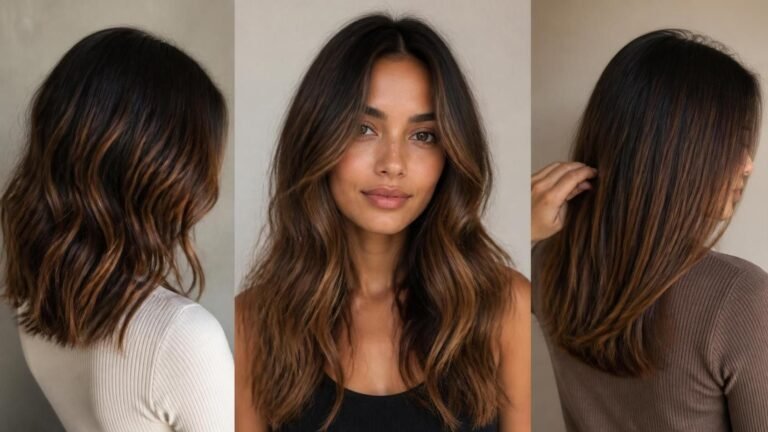
Honey brown balayage is one of those hair color choices that just makes sense. It brings warmth to the hair without going too light, blends beautifully as it grows out, and works on nearly every texture and length. Whether your base is deep espresso or medium brown, honey tones settle in like they were always meant to be there.
It is the kind of color that gets you compliments without people quite knowing why — it just looks right. The warmth brightens the face, adds depth to the lengths, and gives the hair a natural glow that feels sun-kissed all year round.
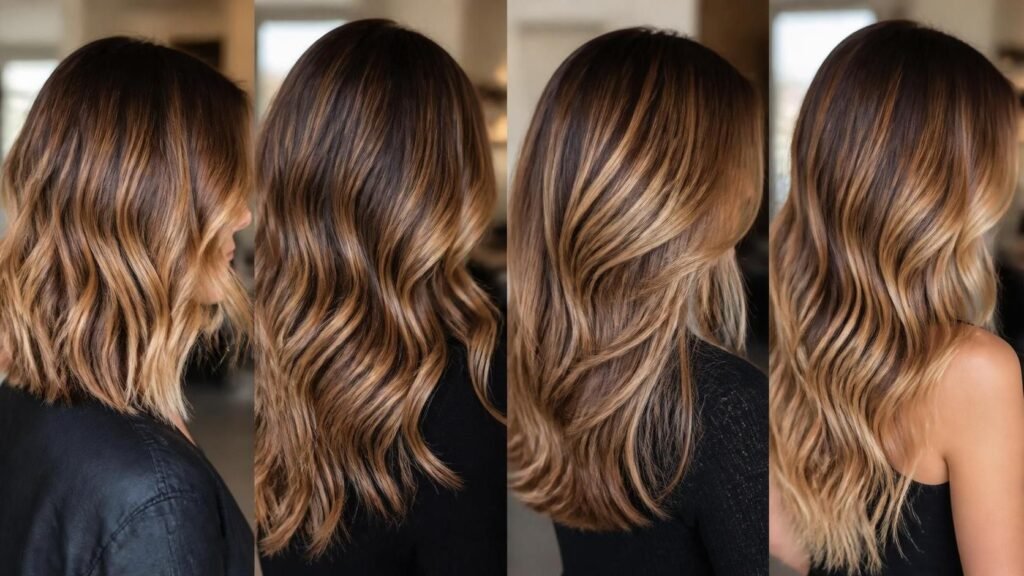
These 17 ideas show how versatile honey brown balayage can be. Some looks are soft and barely-there, while others carry more contrast and richness.
Each one focuses on real wearability — color that looks just as good on day twenty as it does leaving the salon.
Below are 17 honey brown balayage ideas picked for warmth, dimension, and effortless, low-maintenance beauty.
1. Airy Bob with Honey Brown Balayage
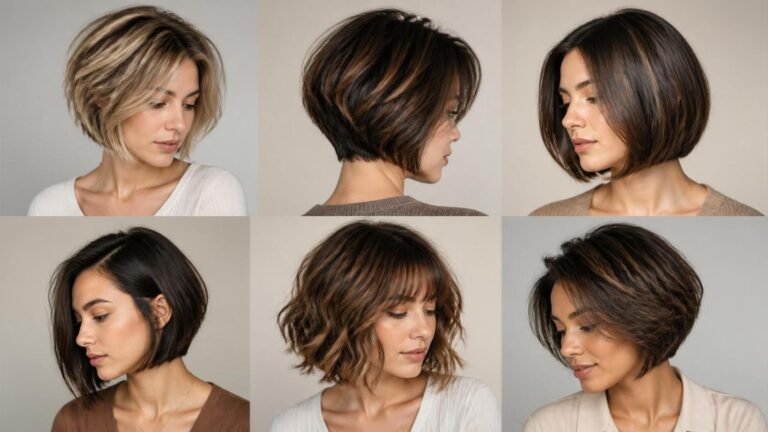
A softly layered bob is one of the best canvases for honey brown balayage. The cut’s movement naturally lifts the color placement, making even a subtle blend look intentional and fresh.
Focus on mid-length placement: Keeping lighter tones through the mid-lengths and ends avoids heavy root commitment and makes upkeep much easier.
Let the texture do the work: Blow-dried with a round brush or diffused slightly, an airy bob lets honey tones shift between shades with each movement.
Ask for a melted blend: A seamless melt between the darker base and honey pieces keeps the finish polished without looking overdone.
Works well for fine hair: The color adds perceived thickness, making this combo especially flattering for finer hair types that need visual volume.
2. Naturally Curly Hair with Honey Brown Balayage
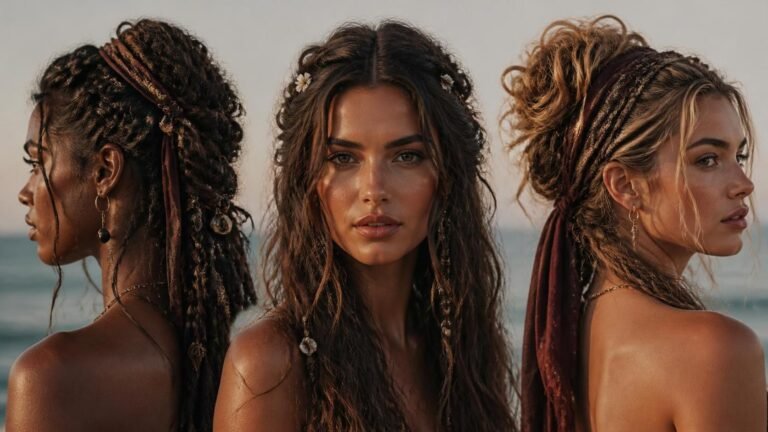
Curly hair and honey brown balayage are a natural match. The coils and ringlets catch light differently at every angle, making the color appear richer and more multidimensional than it would on straight hair.
Follow the curl pattern: Placing highlights along the outer curl sections rather than underneath preserves definition and keeps the look cohesive.
Keep the base rich: A deep brown base underneath the honey tones creates that gorgeous contrast that makes curly balayage look so full and textured.
Use curl-safe color products: Post-coloring, a moisturizing toning treatment helps curly hair retain bounce and keeps honey tones from going brassy.
Diffuse for maximum effect: Letting curls air-dry or diffuse rather than brushing out the style shows off the color placement at its most beautiful.
3. Defined Curls with Honey Brown Dimension
This approach focuses on fine honey brown strands placed through the outermost layer of defined curls. The result is a look that has dimension without disrupting the curl’s natural shape or definition.
Target the outer layer only: Keeping color on the outer curl sections means the roots and inner coils stay dark, creating contrast that makes curls pop visually.
Choose a slightly golden honey tone: On defined curls, a warm golden-honey shade reads as more dimensional than a neutral beige-brown, enhancing the look in natural lighting.
Avoid over-processing: Defined curls rely on their structure, so keeping lightening minimal preserves elasticity and keeps each curl springy.
Seal with a glossing treatment: A clear or honey-tinted gloss after coloring enhances shine and helps the highlights blend more naturally into the base.
4. Soft Curly Layers with Honey Brown Balayage
Soft, layered curls get a gorgeous lift from honey brown tones placed through the mid-lengths and ends. This technique creates a sun-kissed, lived-in quality that looks like the hair naturally lightened over summer.
Keep roots natural: Starting the balayage a few inches below the root creates a low-maintenance grow-out that never looks too obvious between appointments.
Layer the honey tones gradually: Rather than one flat shade, using two or three tones of honey creates depth and prevents the color from looking one-dimensional.
Pair with a hydrating routine: Coloring softens the curl pattern slightly, so a weekly deep conditioning mask helps curls stay defined and elastic.
Style with a curl cream: A lightweight curl cream enhances softness and lets the honey balayage catch light without crunchy or stiff texture.
5. Golden Honey Brown Balayage on Loose Waves
Loose, flowing waves are arguably the most flattering backdrop for golden honey brown balayage. Every wave crest picks up light, and every shadow between them deepens, creating that incredible multi-tonal, beachy dimension.
Go warmer with the tone: A golden-leaning honey shade on waves reads as glowing and sun-lit rather than just highlighted, especially in natural light.
Melt, don’t stripe: Asking your colorist for a melt rather than panels avoids visible lines between the base and highlights and keeps the look effortlessly natural.
Air-dry whenever possible: Air-drying loose waves shows off the balayage more naturally than heat styling, which can sometimes flatten the color variation.
Refresh with a sea salt spray: A light sea salt spray adds texture to waves and lifts the honey pieces for maximum dimension on second or third-day hair.
6. Honey Brown Balayage with Subtle Transitions
Not every balayage needs to be bold. This approach is about the most seamless, barely-there color shift — honey brown layered so gently over a deeper base that the difference is felt more than seen.
Ask for a shadow root: A shadow root technique deepens the base just slightly and makes the transition into honey tones even softer and more gradual.
Perfect for first-time color clients: This subtle style is ideal if you are new to hair color and want to ease in without a dramatic change.
Grow-out is virtually invisible: Because the tones are so close together, regrowth blends naturally and can stretch appointments to six months or beyond.
Tone cool or neutral: A neutral toner rather than a warm one keeps the honey from reading too yellow, making the subtle transition appear polished and intentional.
7. Honey Brown Bob with Soft Highlights
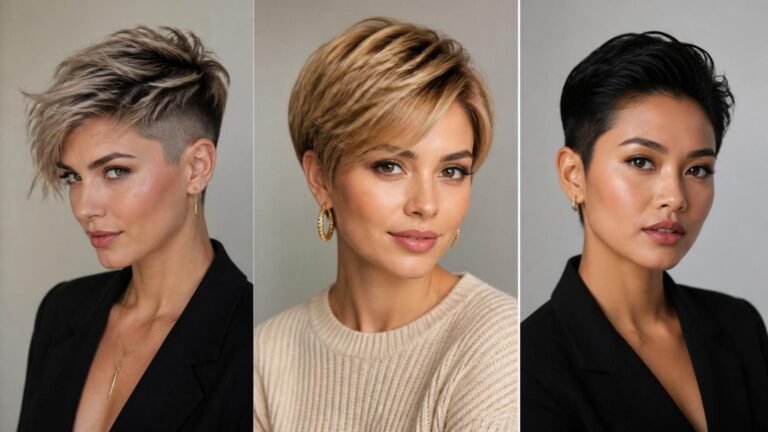
A classic bob gets renewed energy from fine honey brown highlights scattered through the lengths. The color adds depth to an otherwise flat shape, making the cut look more layered and textured even if it is blunt.
Place highlights strategically: Framing pieces at the front and feathered sections through the sides let the highlights flatter the face without overwhelming a short cut.
Keep volume at the crown: On bobs, slightly richer color at the top and lighter honey at the ends creates the illusion of fullness and movement.
Gloss between appointments: A honey toning gloss applied at home every four to six weeks keeps the highlights vibrant and the base rich between salon visits.
Works beautifully on all textures: Whether your bob is straight, wavy, or blown out smooth, honey highlights add the same dimension-enhancing effect.
8. Honey Brown Balayage on Medium-Length Layers
Medium-length layered hair is one of the most practical cuts for balayage because the layers naturally showcase the color’s movement. Each layer reveals a slightly different shade, making the whole style look rich and three-dimensional.
Concentrate color toward the ends: End-focused placement gives layers a lighter, flowing finish that looks especially beautiful when the hair is worn down or loosely tossed.
Match the layering to the color: Longer layers that start higher allow the balayage to show through more sections, increasing the overall dimension of the style.
Use a texturizing spray for movement: A little texture spray through dry, layered hair lets the honey pieces catch light and creates that effortless tousled look.
Refresh with a gloss every few months: A honey-tinted gloss between full balayage appointments keeps the color vibrant and prevents fading.
9. Loose Waves with Honey Brown Placement
This look is about placement just as much as color. Honey brown tones are distributed through the waves in a way that mirrors how natural lightening actually happens — brighter on the pieces that catch the most sun, deeper underneath.
Think about how light falls: Ask your colorist to focus honey tones on the top layer and wave crests, leaving the underneath slightly darker for natural-looking contrast.
Avoid perfectly even sections: Randomized placement looks far more natural than evenly spaced panels, especially on waves where symmetry reads as unnatural.
Polish with a shine serum: A drop of shine serum through the mid-lengths and ends makes honey waves look glossy and healthy without weighing them down.
Blow-dry over a round brush: For a polished wave finish, blow-drying over a large round brush smooths the hair slightly while preserving the wave’s soft shape.
10. Precise Honey Brown Balayage with a Polished Finish
Sometimes the most impactful balayage is the most deliberate. Here, clean ribbons of honey brown are placed with precision through the lengths, creating a finish that is structured and sophisticated rather than casual.
Request ribbon-style placement: This method uses slightly more defined sections than a free-hand balayage and creates an elegant, ribbon-like effect through the hair.
Balance light and dark evenly: The key to a polished finish is equal distribution — too many highlights makes it look bleached, too few makes it look patchy.
Pair with a sleek blowout: Straight or slightly curved blowout styling shows off precise balayage beautifully, letting each ribbon of color sit clearly against the base.
Great for professional settings: The polished, controlled finish of this style makes it a great choice for anyone who wants styled color appropriate for workplace environments.
11. Warm Honey Brown Balayage with Natural Flow
This style is built on the idea that the best balayage simply looks like your hair in its happiest, most light-touched state. The color flows naturally from root to tip, with honey tones surfacing wherever light would naturally hit.
Work with the hair’s natural movement: Placing lighter tones along the sections that lift and move with the hair creates the most organic-looking result.
Use a warm rather than neutral base: Starting with a warm brown base before adding honey highlights keeps everything in the same tonal family and prevents any cool or ashy clash.
Style however you like: Because this look is built for natural movement, it works equally well curly, wavy, or straightened without losing its warmth or dimension.
Toner choice matters: A golden or honey toner rather than an ashy one keeps the warm, flowing finish looking cohesive from root to tip.
12. Honey Brown Balayage on a Shoulder-Length Lob
The lob is one of the most universally flattering lengths, and honey brown balayage takes it from simple to stunning. The shoulder-grazing length gives the color room to breathe without requiring the commitment of very long hair.
Brighten the outer layers: On a lob, concentrating honey tones on the outer sections and face-framing pieces brightens the overall look without needing full saturation.
Keep the ends slightly lighter: Lighter ends on a lob create a beautiful floating effect, especially when the hair is styled with a slight bend or wave.
Great for growing out short hair: If you are transitioning from a shorter cut, balayage helps blend different lengths and keeps the in-between stage looking intentional.
Pairs perfectly with curtain bangs: Honey balayage and curtain bangs together frame the face beautifully and are one of the most Pinterest-popular combos right now.
13. Lived-In Honey Brown Balayage
The lived-in approach is intentionally understated. Color that looks like it has been slowly touched by sun and time, rather than applied in a salon, gives hair a relaxed, effortless quality that feels very current.
Start soft and add gradually: It is much easier to deepen a subtle lived-in look at a future appointment than to tone down something that ended up too bright or obvious.
Prioritize mid-length saturation: The most natural sun-lightening happens through the middle lengths, so that is where lived-in balayage should concentrate most of its color.
Avoid sharp edges: Soft, feathered ends of each highlighted piece are what give this style its casual, blended character — no hard lines allowed.
Ideal for low-maintenance routines: This look is designed to get better with time, requiring touch-ups only when you feel like refreshing rather than on a strict schedule.
14. Subtle Honey Brown Balayage for Straight Hair
Straight hair shows every detail of a color job, which is why subtlety is especially important here. Gentle honey brown tones through the lower lengths add shine and depth without creating the harsh line contrast that straight hair can sometimes emphasize.
Keep transitions very gradual: On straight hair, any abrupt shift in tone is highly visible, so the blend between base and honey should be as smooth as possible.
Focus on the lower half only: Keeping the color away from the top section on straight hair prevents the look from reading as traditional highlights and maintains that soft balayage character.
Sleek styling shows the color best: A smooth, straight blowout or flat iron finish lets the honey tones glide along the length and catch light beautifully.
Toning is especially important here: Without wave or curl to break up the color, a well-chosen toner is what keeps honey on straight hair looking intentional and refined.
15. Honey Brown Balayage with Face-Framing Pieces
Sometimes all you need is a little light around the face. Strategic face-framing pieces in honey brown brighten the complexion, open up the eyes, and give the overall look a lifted, glowing quality.
Place pieces at the temples and around the hairline: These are the sections that frame the face most directly and have the most flattering effect on skin tone and features.
Keep the rest of the hair softer: The face-framing pieces should be the brightest point — the rest of the balayage can stay subtle to keep the look balanced.
Works beautifully with updos: When hair is pulled back, face-framing honey pieces are all that shows, making even a simple ponytail look like a styled, intentional look.
A great starter option: If you are hesitant about committing to full balayage, face-framing highlights in honey brown offer a low-commitment way to test the warmth on your skin tone.
16. Warm Curly Layers with Honey Brown Balayage
This variation focuses on building warmth through soft, layered curls using honey tones placed primarily from mid-shaft downward. The result is a curl style that looks effortlessly rich without relying on heat or heavy product.
Layer in two or three honey tones: A single flat honey shade can look dull on curls — using a light honey, a mid honey, and a deeper caramel creates genuine depth.
Let curls set the dimension: Curly hair naturally creates shadow and contrast on its own, so the balayage only needs to enhance what is already there, not overpower it.
Refresh with a curl refresher spray: Between wash days, a water-based curl refresher reactivates the definition and brings honey highlights back to life without re-wetting the whole head.
Deep condition weekly: The combination of color and curl texture means moisture is essential — a rich weekly mask keeps both the color and the curl pattern looking their best.
17. Classic Honey Brown Balayage with Soft Dimension
This is honey brown balayage in its most timeless form. Clean blending, even distribution, and a warmth that works across every styling option — it is the kind of color that becomes a permanent fixture once you try it.
Think of it as your base look: This classic version is a great foundation that can be built on over time — going lighter, adding more richness, or keeping it exactly as it is.
Even distribution is key: Balanced placement across the whole head rather than concentrating highlights in one area makes the style the most universally wearable.
Versatile across all styling: Whether you wear it sleek, wavy, braided, or in a bun, classic honey brown balayage looks intentional and polished in every finish.
The easiest to maintain: Because the blend is even and the tones are harmonious, this style holds its beauty the longest and needs the fewest adjustments over time.
Frequently Asked Questions
Is honey brown balayage high maintenance? Not at all — it is actually one of the lowest-maintenance color options available. Because the highlights start away from the roots and blend gradually, regrowth looks soft and natural rather than obvious. Most people can comfortably stretch appointments to every four to six months.
Does honey brown balayage suit dark hair? Yes, it works beautifully on dark bases. The key is keeping the lightening gradual and warm rather than lifting too dramatically. On deep brown or near-black hair, honey tones add dimension and warmth without creating an unnatural contrast.
Can honey brown balayage be done on curly or textured hair? Absolutely. When the highlights are placed to follow the natural curl pattern, the color enhances shape and definition rather than disrupting it. Curly hair actually shows balayage dimension especially well because the coils catch and reflect light at multiple angles.
How long does honey brown balayage last? The color itself does not fade dramatically since it is a permanent lightening process. The tone can shift slightly over time, which is why a toning gloss every few months helps maintain the warmth. With proper care using color-safe products, the look stays fresh for a long time.
Will honey brown balayage work if I have fine hair? Yes, and it is actually particularly flattering for fine hair. The contrast between the lighter honey pieces and the darker base creates visual depth that makes fine hair appear thicker and more textured than it actually is.
What is the difference between honey brown balayage and highlights? Traditional highlights are applied with foils in regular sections from root to tip. Balayage is painted freehand onto the surface of the hair, starting lower and concentrating on the ends. Balayage creates a softer, more natural grow-out than foil highlights.
Why Warm Hair Colors Keep Winning on Pinterest
There is something about warm-toned hair that photographs beautifully, which is a big reason why honey and caramel balayage dominate Pinterest boards season after season. The tones interact with natural light in a way that cooler shades simply do not — they glow.
Beyond aesthetics, warm hair colors also tend to feel more approachable and low-risk. Honey brown sits in a sweet spot that complements a wide range of skin tones, from fair and cool-toned to deep and warm, making it one of the most universally flattering color families in hair.
The other reason these looks continue to trend is the grow-out factor. Unlike a full color change or bold highlights, warm balayage ages gracefully. It does not announce a missed appointment — it just looks like the most beautiful version of your natural hair.
Glowing Goodbye
Honey brown balayage is not a trend that comes and goes — it is a classic that keeps getting refined. What makes it so enduringly popular is its ability to look effortless, which is harder to achieve than it looks.
The best version of this color is always the one tailored to you — your texture, your base shade, your lifestyle. A soft fade for low maintenance, richer contrast for more drama, face-framing pieces for an instant glow-up.
Bring one of these ideas to your next salon visit as inspiration, and ask your colorist to adapt the placement to suit your natural movement and growth pattern.
The right honey brown balayage will not just change your hair — it will make you feel like the warmest, most effortless version of yourself every single day.