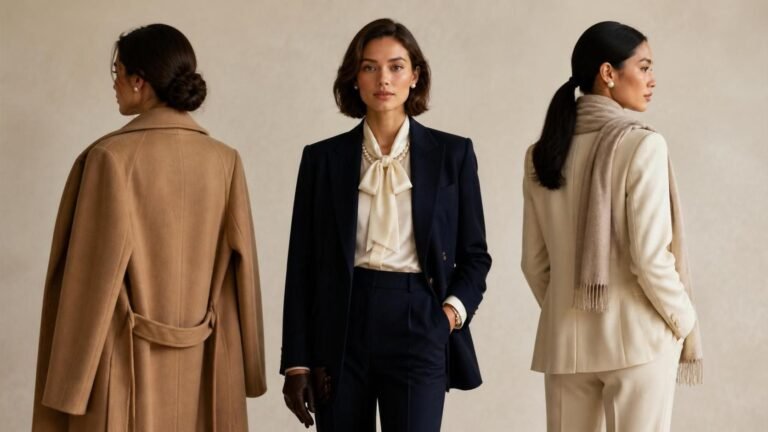
How to Dress a Short Torso: 12 Styling Tricks That Actually Work
A short torso comes with its own set of styling challenges that most fashion guides completely ignore. Tops are always a touch too long. Waistbands creep higher than they should. And some outfits that look amazing on a hanger somehow feel all wrong once you put them on. Sound familiar? The truth is, dressing a short torso isn’t about hiding your body — it’s about understanding a few smart tricks that work with your proportions instead of against them.
Below are 12 short torso outfit tips picked for real-life wearability, visual impact, and genuine style confidence.
The Golden Rule for Dressing a Short Torso
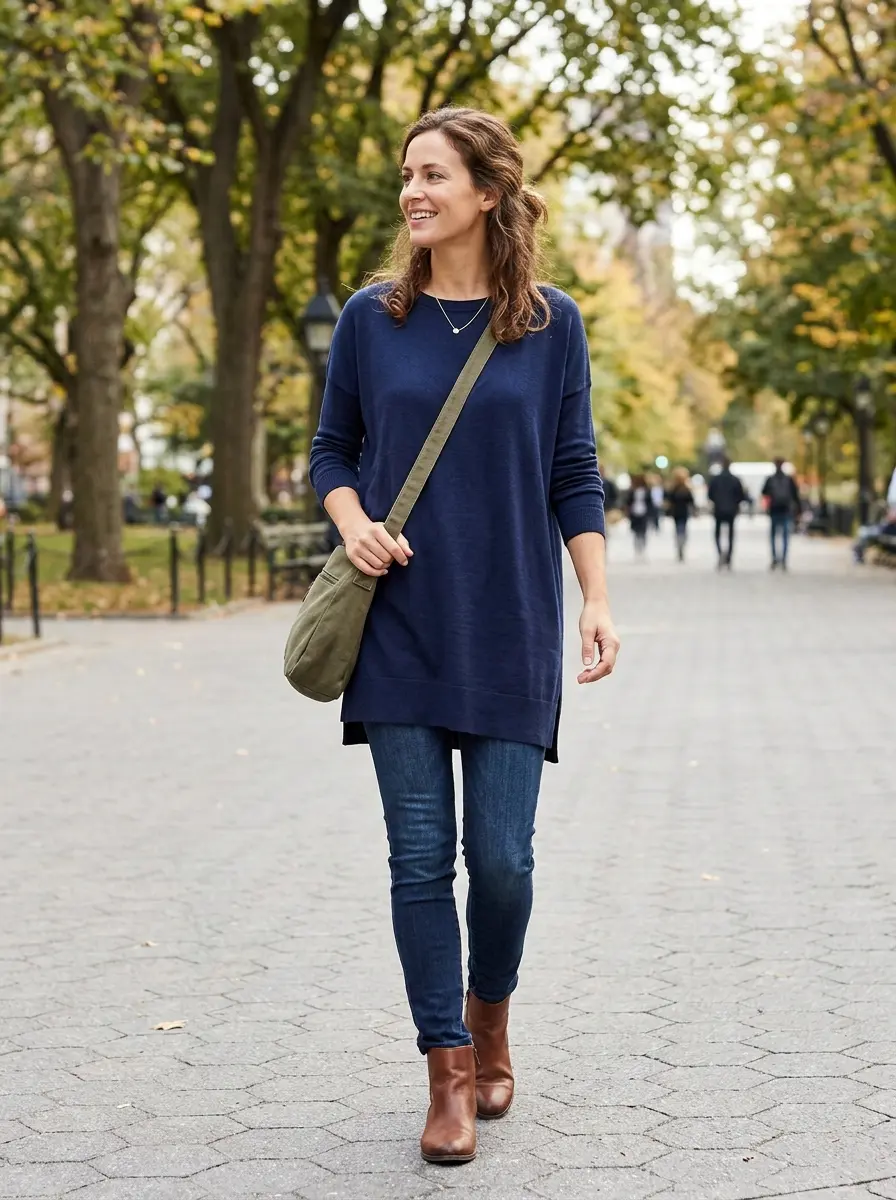
Before diving in, here’s the one principle to keep in mind: everything you wear should create the illusion of a longer, more continuous vertical line through your midsection. That’s it. Every tip below is built around this idea — whether it’s your neckline, your waistband, your layers, or even your accessories. Once you understand the concept, getting dressed becomes a lot more intuitive and a whole lot more fun.
1. Choose Mid-Rise Bottoms Over High-Rise
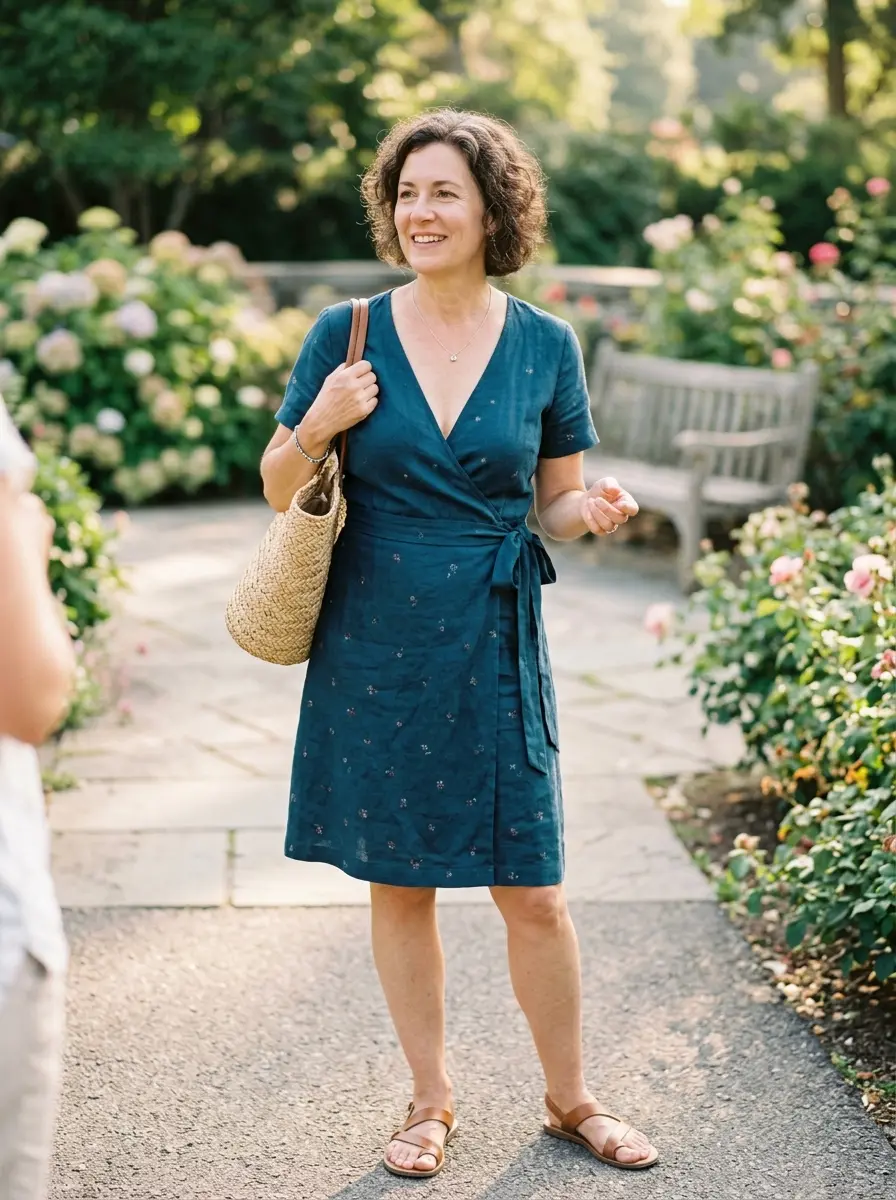
This is the single most impactful swap you can make for a short torso. High-rise waistbands travel all the way up to your natural waist or rib cage, which compresses your midsection and visually shrinks the space between your bust and your hips. The effect? Your torso looks even shorter.
Mid-rise bottoms sit comfortably just below your belly button. That small difference in placement gives your torso more breathing room and makes your midsection appear visibly longer.
Pair mid-rise with a tucked-in top: A lightweight tuck creates shape at the waist without adding bulky fabric around the waistband.
Try mid-rise wide-leg jeans: The relaxed fit below the waist draws attention downward, helping balance your proportions beautifully.
If you love high-rise, compensate with a deeper neckline: An open or V-shaped neckline counteracts the shortening effect of a high waistband.
Avoid ultra-high-rise styles on short bodies: Styles that reach above the navel visually compress the torso and reduce the appearance of length.
Look for “mid-rise” labels specifically: Don’t guess — check the rise measurement. A 9–10 inch rise is typically ideal for short torso proportions.
2. Wear Longer Tops and Blouses
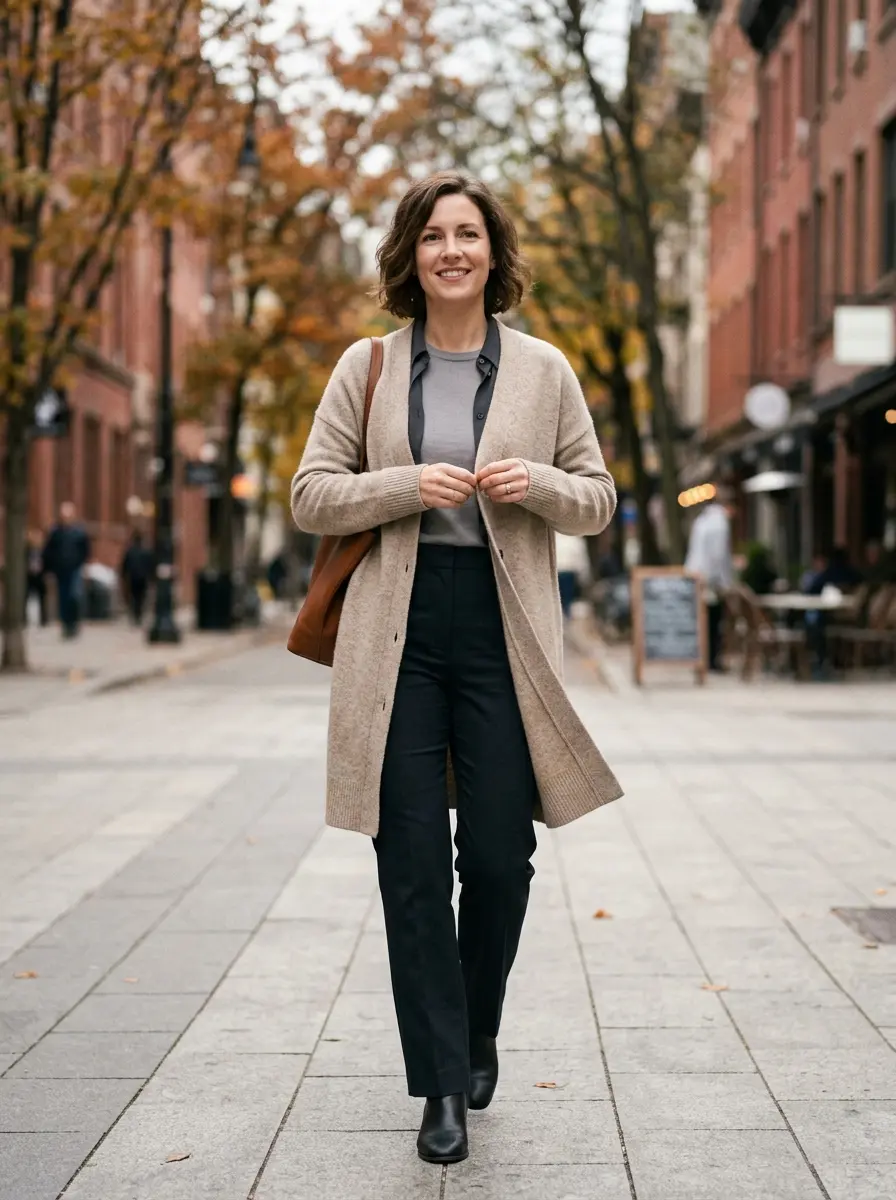
The length of your top matters more than most people realize. Tops that cut off exactly at your natural waist create a horizontal stopping point right at the shortest part of your torso — which only makes it look shorter. A top that extends slightly past your hip bone draws the eye downward and creates the visual impression of more length through your middle.
This doesn’t mean wearing long, shapeless tops. It means choosing pieces with a hem that grazes the hip rather than stopping mid-torso.
Look for side-slit hems on longer tops: Side slits prevent fabric from bunching at the hips and add an elegant flow to the silhouette.
Try wrap tops with diagonal lines: The diagonal wrap seam creates a downward visual line that naturally elongates the torso.
Avoid tops ending at your natural waist: That hem placement acts like a visual cut and shortens your midsection instantly.
Open button-downs worn over a tee are ideal: The vertical front opening creates a long, uninterrupted line from collar to hem.
Flowy fabrics in longer lengths work beautifully: Lightweight wovens and silky blouses that skim the body add length without bulk.
3. Say Yes to V-Necks and Open Necklines
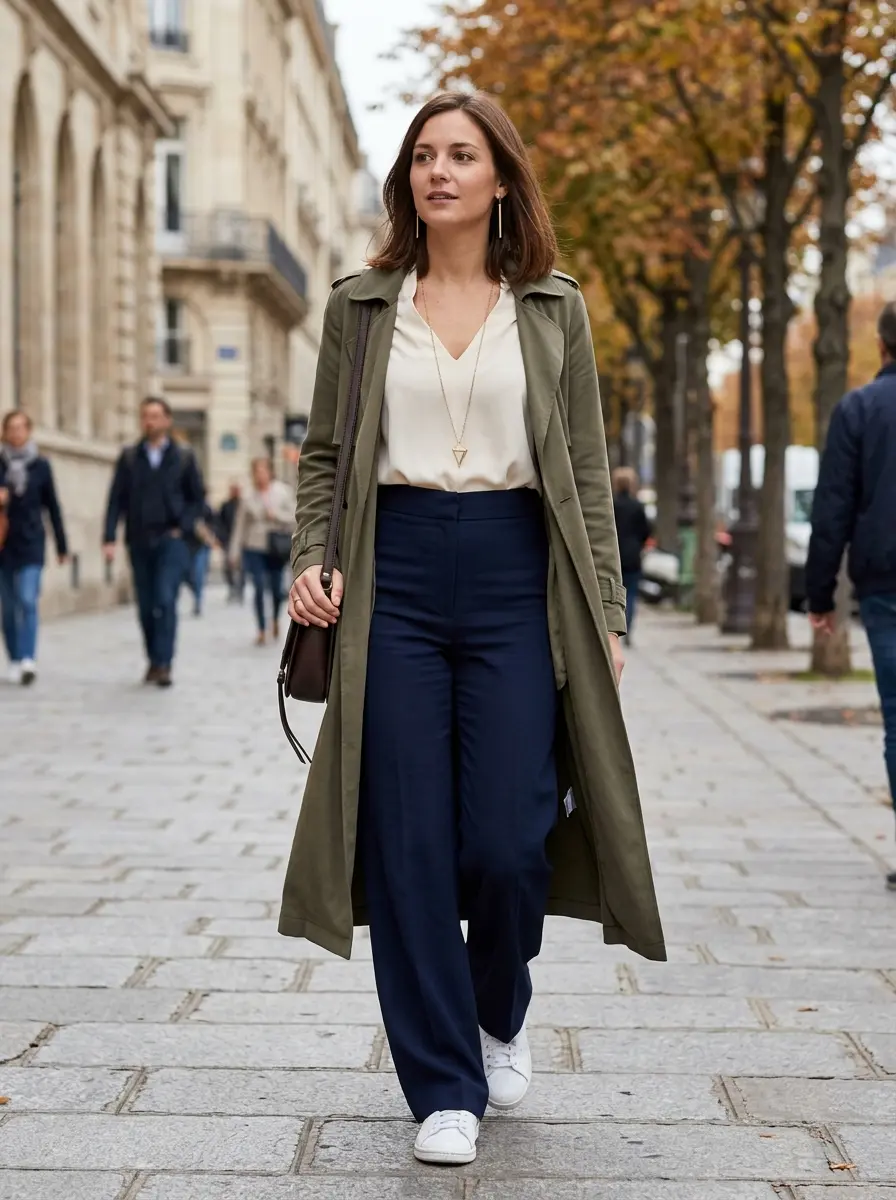
Your neckline is one of the most powerful styling tools available, and for a short torso it’s especially important. V-necks, scoop necks, wrap necklines, and open collars all create a downward visual line from the neck into the chest area. That line pulls the eye inward and downward, creating the perception of a longer, more elongated torso.
Even a subtle V-neck makes a meaningful difference compared to a closed crewneck or high neckline.
Choose a deep V-neck over a shallow one: The deeper the V, the longer and more open the visual line through the center of the torso.
Wrap necklines are especially effective: The diagonal overlap creates a natural chevron effect that elongates the upper body effortlessly.
For high necklines, layer a long pendant necklace: A pendant hanging at chest level recreates that important downward line visually.
Vertical ruching on tops adds the same effect: The gathered texture running down the front draws the eye along the same elongating path.
Wear your hair up with a high neckline: Exposing the neck adds vertical space above the torso that softens the closing effect of a high collar.
4. Skip Cropped Jackets and Choose Longer Layers
Cropped blazers, bolero jackets, and short cardigans that end at the waist are among the most unflattering choices for a short torso. They create a strong horizontal line right where your torso ends and visually chop your body in half at its most compact point.
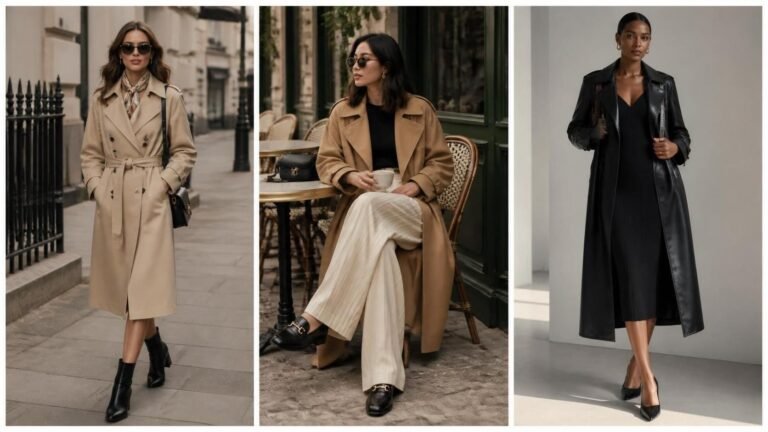
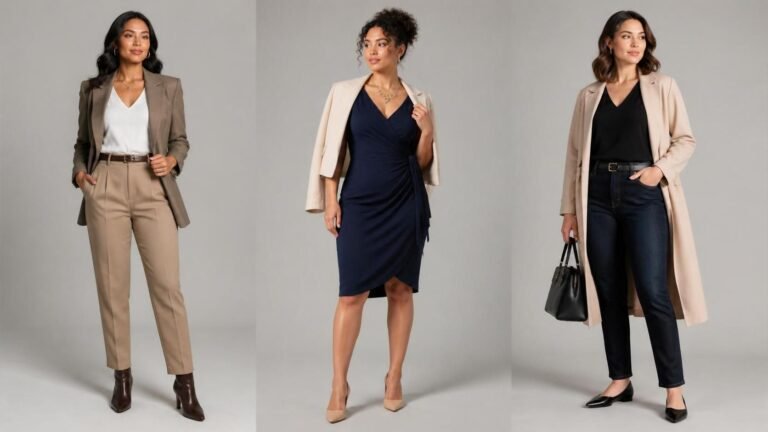
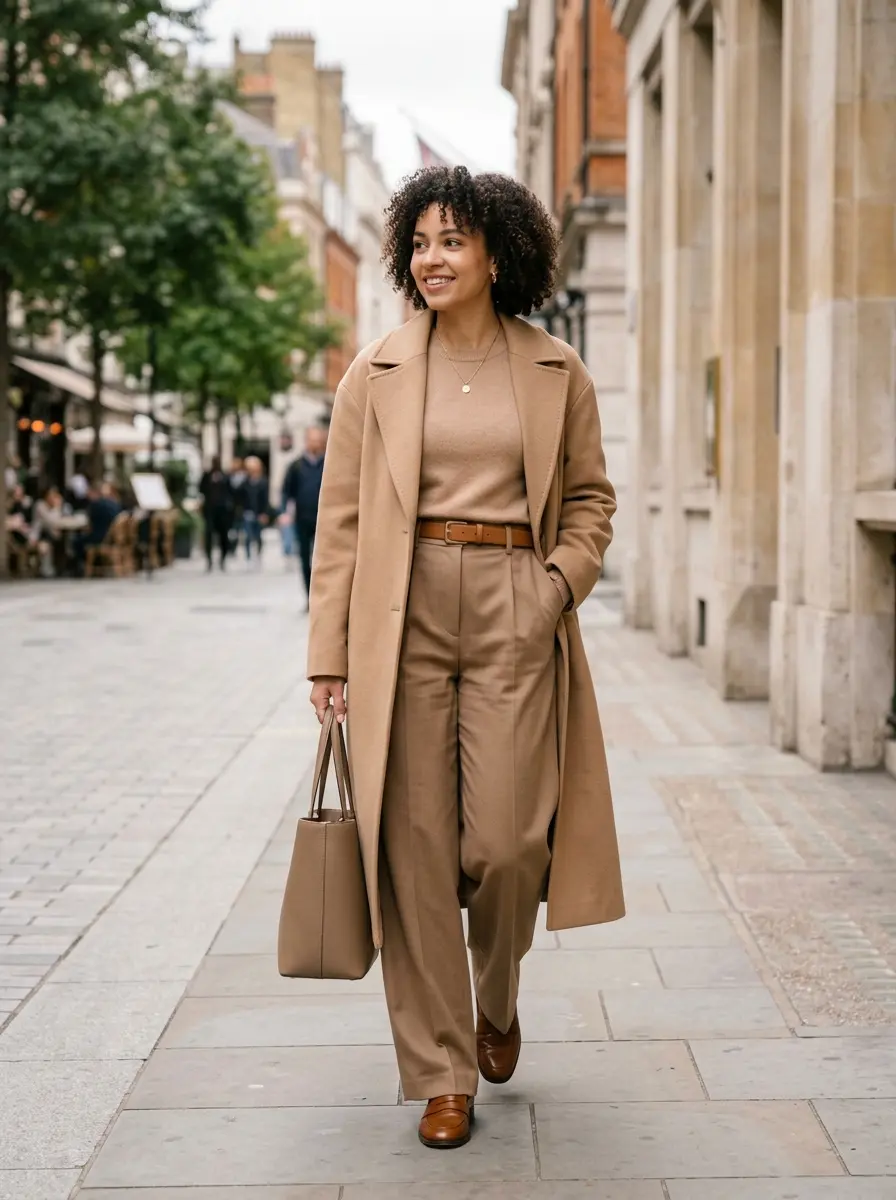
Longer outerwear — blazers that reach mid-hip, open cardigans that fall past the waist, and structured coats — creates the opposite effect. They build a continuous vertical line down the body that makes the torso appear longer and the whole silhouette more balanced.
Always wear longer layers open: An unbuttoned blazer or cardigan creates a long central column that visually stretches your proportions.
Hip-length blazers are your best friend: They sit at the ideal length to add vertical structure without cutting the body at the waist.
Try monochrome layering: A nude blouse under a camel blazer in similar tones keeps the eye moving upward without interruption.
Avoid jackets that end exactly at the waist: That specific hem placement emphasizes the junction between your top and bottom half.
Longline cardigans worn open over a tee: They add length and layering depth without any effort — one of the easiest short-torso tricks there is.
5. Embrace Tonal and Monochromatic Outfits
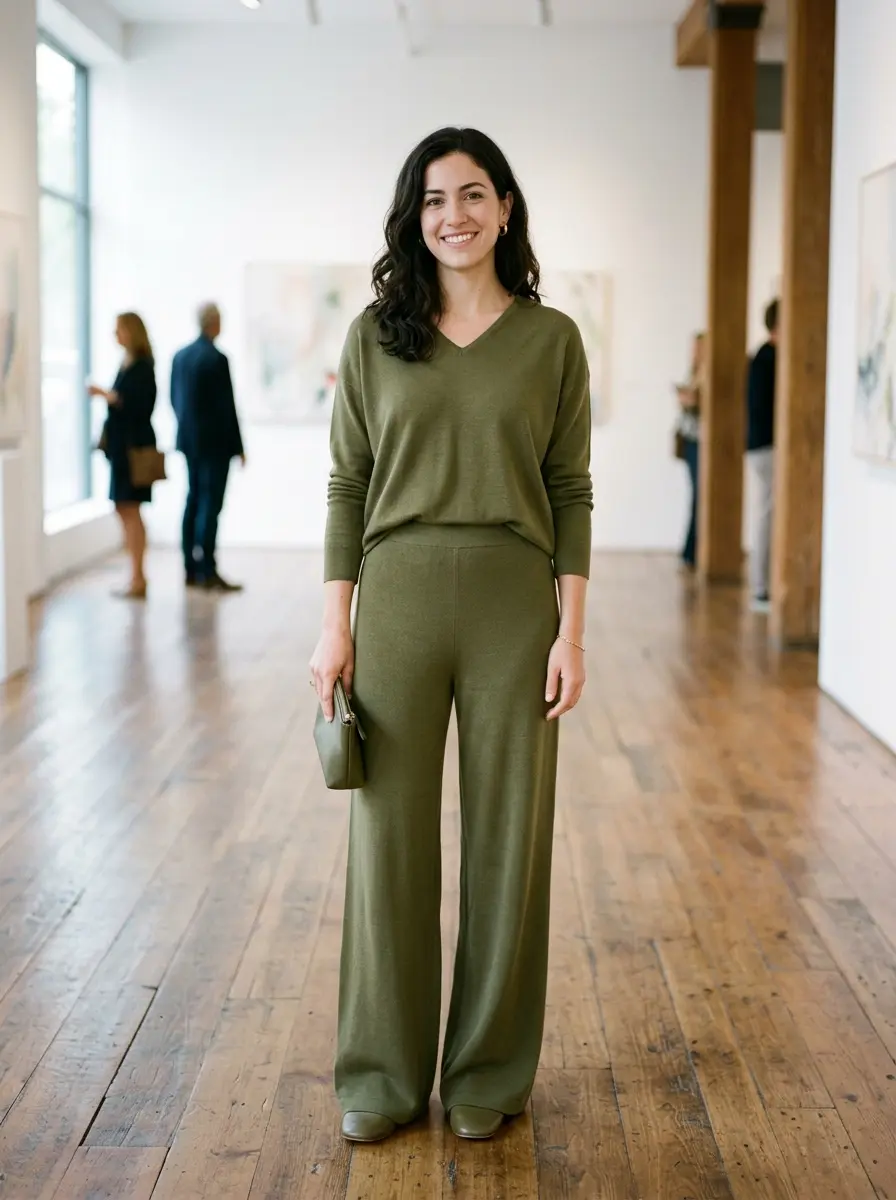
One of the easiest and most stylish strategies for a short torso is dressing in one cohesive color from head to toe. When there’s no strong color contrast between your top and bottom, the eye has no visual “stopping point” at your waistline. Instead, it moves fluidly from your shoulders down to your feet — and that uninterrupted sweep makes your entire frame read as longer and more proportioned.
This doesn’t mean wearing the exact same shade of grey from top to bottom. Tonal dressing — mixing different values and textures of the same color family — works just as well.
Mix textures within a single color palette: A satin blouse with tailored trousers in the same tone adds depth and feels luxe, not flat.
Neutral tones are the easiest to work with: Cream, camel, chocolate brown, and navy all lend themselves beautifully to tonal dressing.
Use tone-on-tone accessories: A bag and shoes in similar shades to your outfit extend the uninterrupted vertical line even further.
Add interest with fabric variation, not color contrast: Linen, silk, and knit in the same tone create a rich, dimensional look without breaking the silhouette.
Save strong color blocking for below the waist: If you want contrast, keep it in your trousers or shoes, never cutting the torso in half at the middle.
6. Seek Out Drop Waists and Natural Waistlines
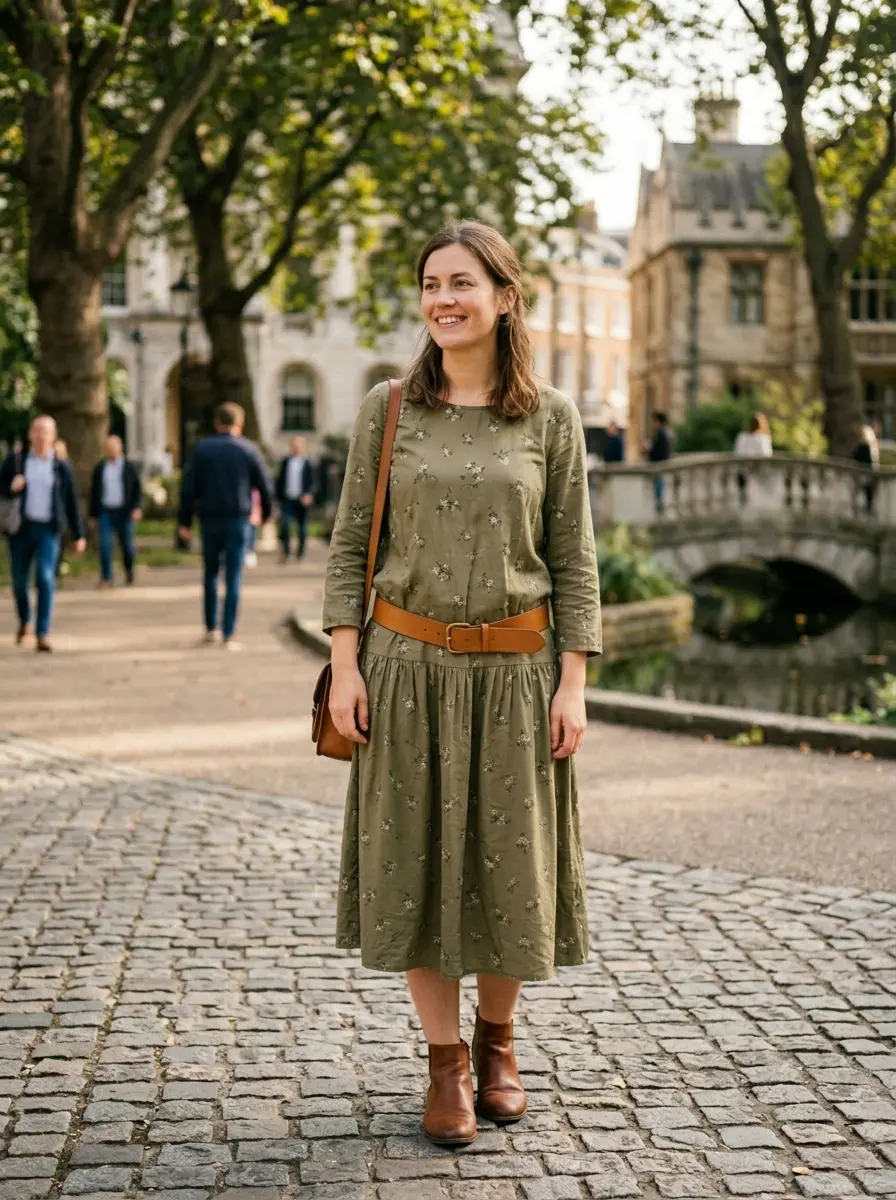
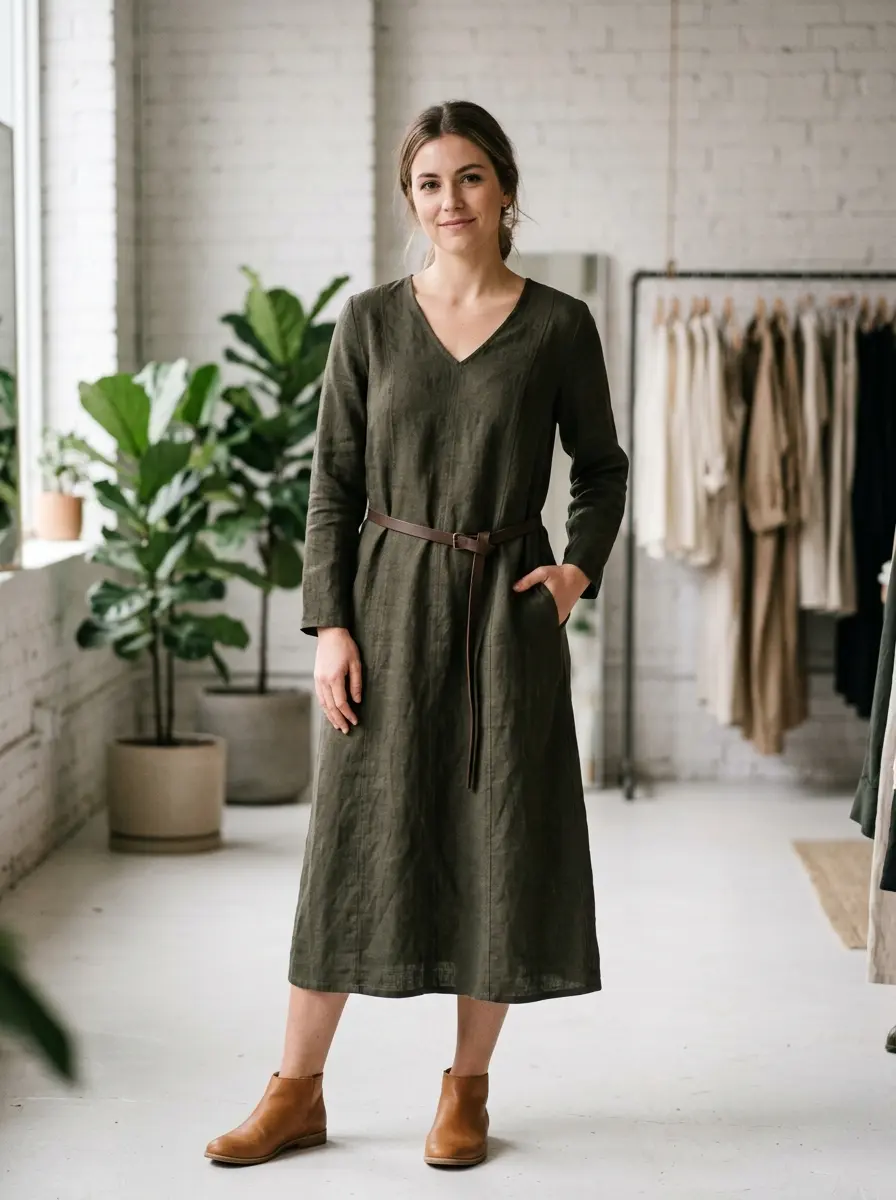
The placement of a waistline in a dress or top has a direct impact on how long or short your torso appears. Empire waist styles — where the seam sits just under the bust — are particularly tricky for short torsos because they divide the body at its highest point and leave very little visual space for the midsection.
A drop waist or natural waistline, on the other hand, pulls that defining seam lower, which visually extends the torso and gives it more perceived length.
Look for dresses with natural or dropped waist seams: The lower the waist seam, the more torso length you appear to have above it.
Vertical seam details on dresses add great length: Seaming that runs from shoulder to hem creates a tall, streamlined visual effect.
Asymmetric hems create movement and perceived length: An uneven hem draws the eye along a diagonal path, which tricks the eye into seeing more height.
Avoid fit-and-flare dresses with high waist seams: The seam right under the bust makes your torso appear compressed and short.
Shirt dresses and wrap dresses are consistently flattering: Both styles offer a natural waistline placement that works beautifully for short torso proportions.
7. Keep Belts Low and Matched to Your Outfit
Belts are wonderful for defining the waist, but placement is everything when you have a short torso. Wearing a belt at your natural waist creates a strong horizontal mark at the narrowest part of your midsection — and that mark draws the eye directly to how little space exists between your bust and your hips.
The fix is simple: position your belt slightly below the natural waist, closer to the hip. This extends the visual length of your torso before the defining line appears.
Wear belts at low hip rather than the natural waist: The lower position adds perceived inches to your midsection effortlessly.
Choose belts that closely match your outfit color: A matching-tone belt maintains the long vertical line without creating a visual interruption.
Avoid wide belts with contrasting colors: They create a bold horizontal band that emphasizes the compact nature of a short torso.
Thin, minimalist belts over dresses work best: A slim belt that blends with the fabric adds shape without shortening the visual line.
Use a belt on dresses, not separates: On a two-piece outfit, skip the belt entirely and rely on tonal dressing instead to maintain length.


8. Go Vertical with Your Accessories
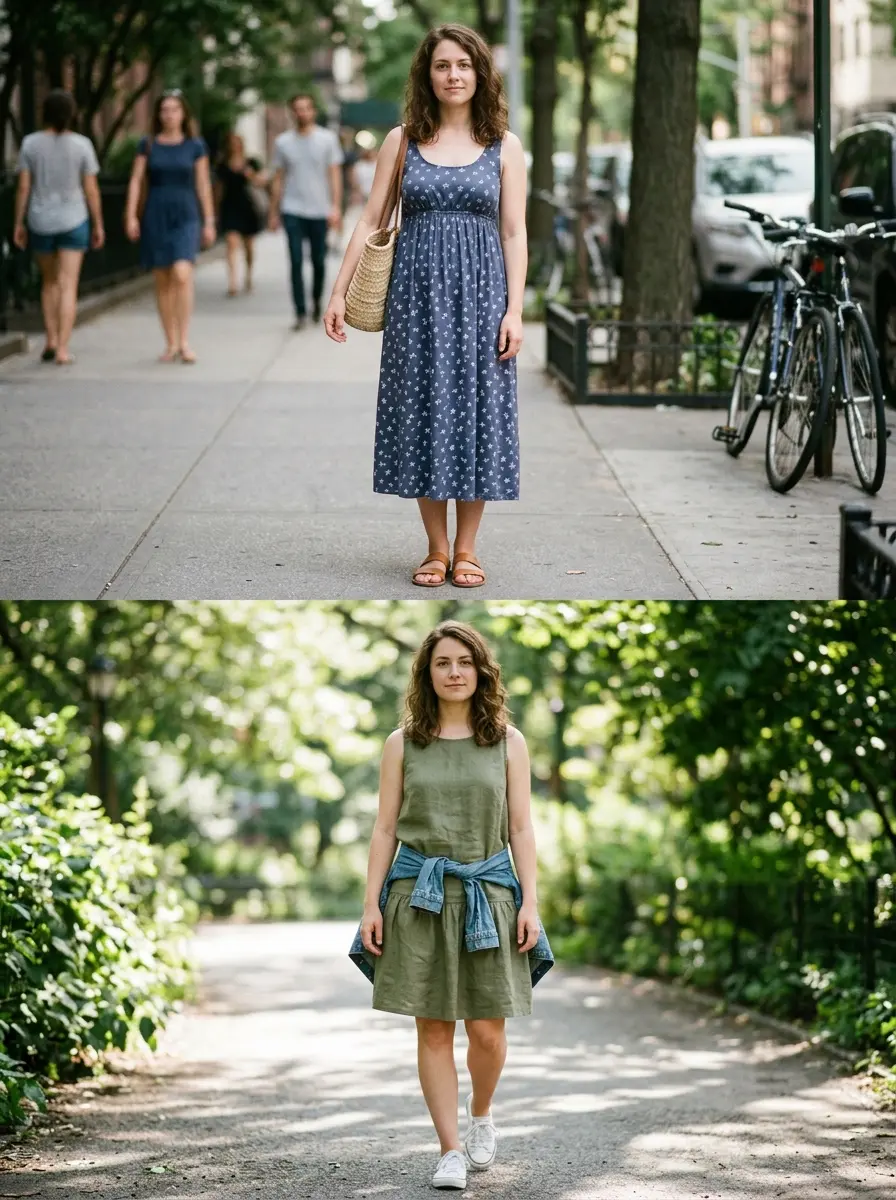
Accessories are often an afterthought, but for a short torso they’re a genuinely powerful styling tool. Long pendant necklaces, layered chains, and scarves draped down the front of your outfit all create a downward-moving visual line through the center of your body — the same line you’d get from a V-neck or an open blazer, but achieved entirely through accessories.
It’s one of the simplest tricks and one of the most consistently effective.
Wear pendant necklaces at chest length or below: The longer the pendant drop, the more it extends the visual line through your torso.
Layer two or three chains of different lengths: The descending layers create multiple downward points that elongate the eye’s journey.
Carry a crossbody bag worn low on the hip: A bag that sits at hip level elongates the upper body far more than a short-strap shoulder bag.
Avoid chunky, wide statement necklaces: A heavy horizontal necklace draws the eye across the chest rather than downward.
A long scarf draped loosely in front works the same way: Let it hang naturally down the center of your outfit for an instant lengthening effect.
9. Minimize Color Contrast Between Top and Bottom
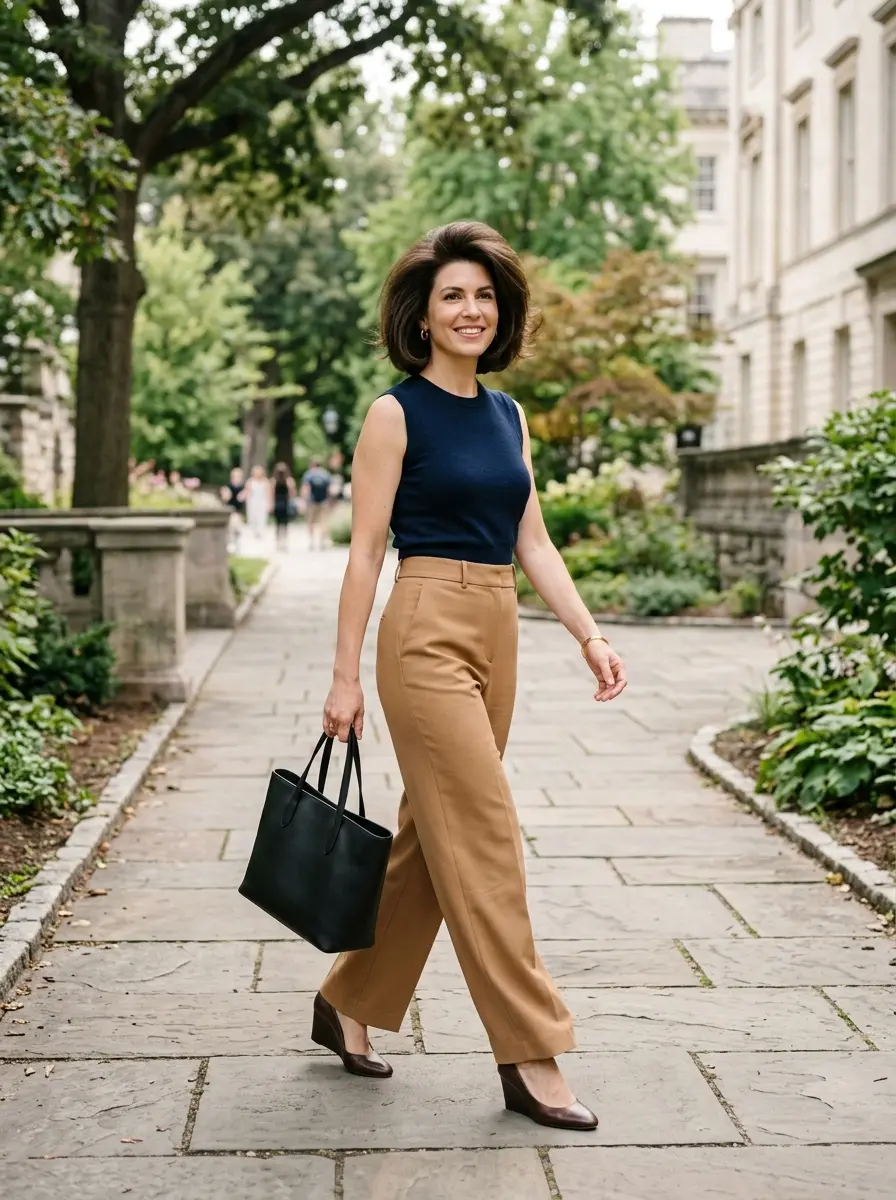
When you pair a light-colored top with dark bottoms — or vice versa — the transition point between the two colors creates a strong horizontal line. For most body types, that horizontal line lands right at the waist. And for a short torso, highlighting that exact spot is the last thing you want to do.
The solution is to keep your top and bottom in the same or similar tonal range so the transition between them is soft and gradual rather than sharp and obvious.
Pair cream with ivory or beige rather than stark white and black: Similar tones blend at the waistline rather than creating a harsh division.
Try navy top with blue denim: The tonal relationship between the two creates a seamless silhouette with no hard visual cut.
Use low-contrast separates as your default: Reserve high-contrast outfits for occasions where you want the waistline to be the focal point.
Introduce contrast only through accessories: Let your shoes, bag, or necklace provide visual interest without breaking the torso’s visual continuity.
Soft grey with charcoal is a perfect low-contrast pairing: The subtle depth difference reads as sophisticated and naturally keeps the eye moving vertically.
10. Choose the Right Dress Silhouettes
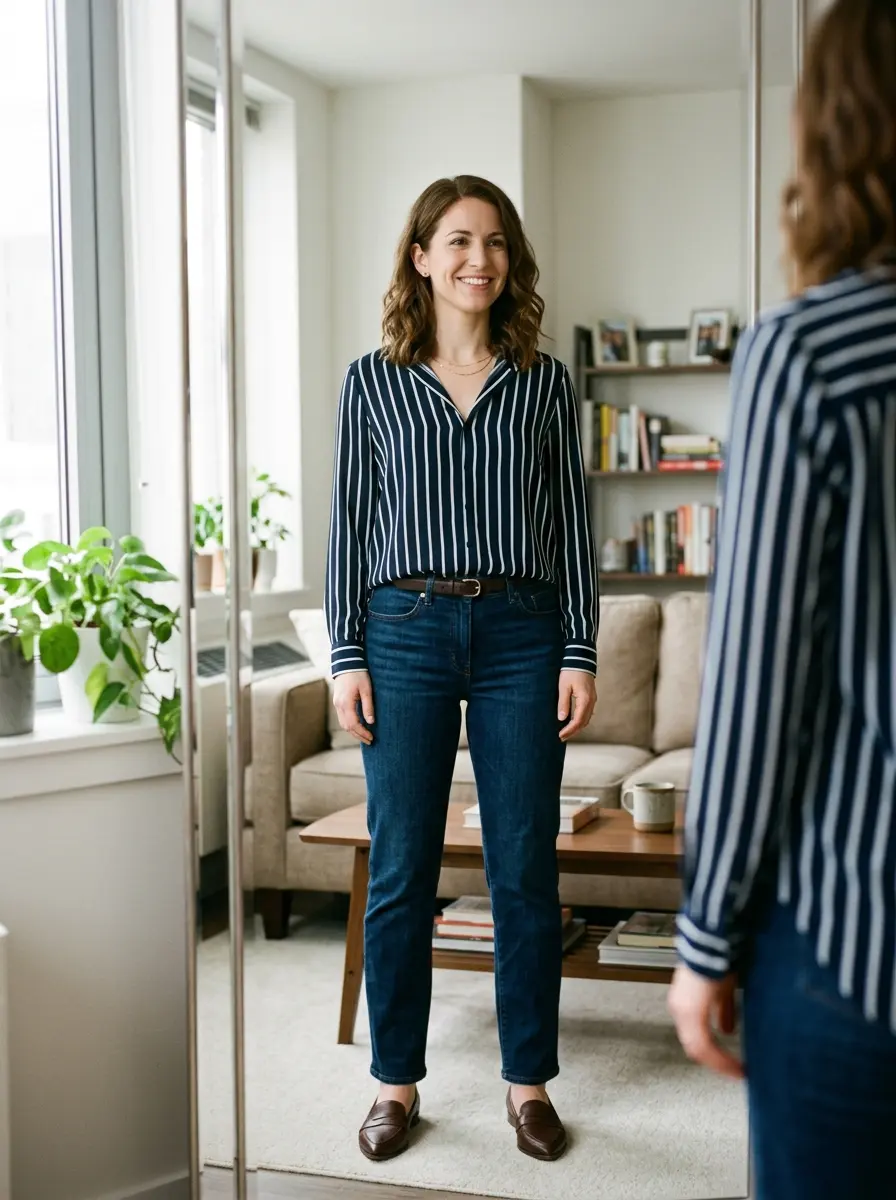
Not all dress shapes are created equal for a short torso, and knowing which styles to reach for — and which to avoid — saves a lot of frustration in the fitting room. The most flattering silhouettes are those that don’t divide the body at the waist or create strong horizontal lines across the midsection.
Shift dresses, wrap dresses, shirt dresses, and straight-cut styles consistently work well because they allow the body’s natural length to read without interruption.
Wrap dresses are among the most universally flattering: The diagonal cross-over creates a natural V at the neckline and a gentle waist-defining line lower on the body.
Shirt dresses with a front button line add strong vertical interest: The button placket draws the eye from neck to hem in one clean, elongating sweep.
Look for dresses with elongated or plunging necklines: The deeper the neckline, the more visual length is added to the upper body.
Avoid dresses with waist-level embellishments or sashes: Decorative details placed at the waist create a spotlight on your body’s shortest zone.
Straight-cut silhouettes are the safest starting point: They offer clean lines, no forced waist emphasis, and a versatile canvas to style as you wish.
11. Consider Hair Height and Heel Choice
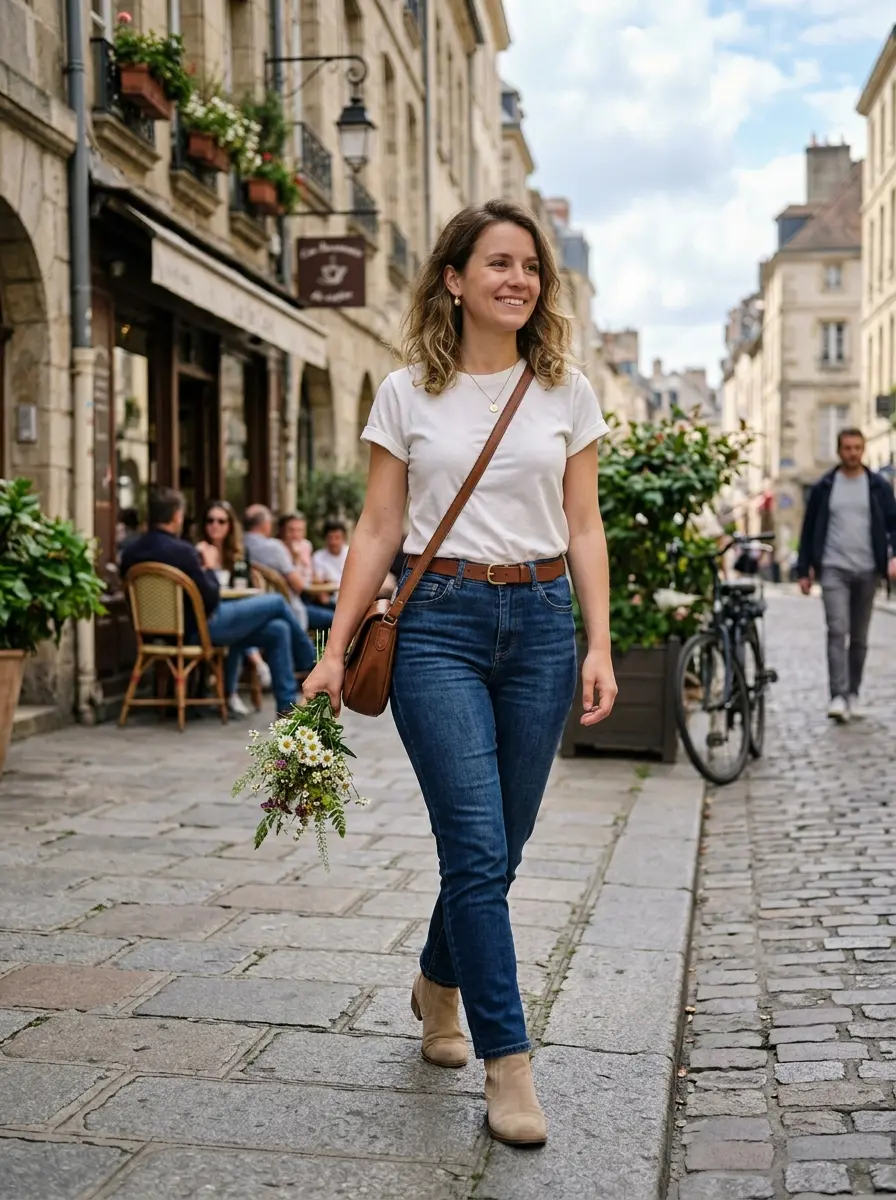
Style doesn’t stop at your clothes, and for a short torso two often-overlooked elements — your hair and your footwear — can meaningfully affect how your proportions read. Adding some height above your head through your hairstyle creates more overall vertical space, which shifts the perception of your entire frame including your torso.
Footwear works the same way from the ground up. Even a small heel or a pointed-toe flat can add enough visual length to your leg line that the torso looks more proportionate in comparison.
A lifted hairstyle like a top knot adds visible height: The upward volume creates vertical space that makes the whole body appear taller and more balanced.
Nude heels that match your skin tone are transformative: They eliminate the visual “cut” at the ankle and extend the leg line, which balances the torso automatically.
Pointed-toe flats expose more of the foot: That visible top-of-foot area extends your leg line even without any actual heel height.
Avoid very voluminous hair worn low: Big, wide hair at shoulder level draws the eye outward and downward, which works against the lengthening goal.
Even a small block heel of two inches makes a meaningful difference: You don’t need stilettos — any modest heel helps stretch and balance your overall proportions.
12. Master the Art of Posture
Every single styling trick in this guide works better when paired with confident, upright posture. Standing tall with your shoulders relaxed and your neck gently elongated can visually add an inch or more to your apparent height — and that length is distributed across your torso and your overall frame equally.
Beyond the visual effect, good posture also ensures that your clothes sit the way they were designed to. Fabric bunches and gaps and odd draping are frequently a posture issue, not a fit issue.
Roll your shoulders back gently before getting dressed: It immediately changes how every top, jacket, and dress sits on your body.
Lengthen the back of your neck as you stand: The small upward shift in your head position adds visible height and opens up the space between bust and chin.
Check your fit in motion, not just standing still: Sit, walk, and reach to confirm your clothes move with you without riding up or compressing your torso.
Core engagement naturally improves posture over time: Even a small amount of consistent core work creates the upright, confident stance that makes all your styling efforts shine.
Think of posture as the invisible layer of every outfit: Clothes that fit well and are styled thoughtfully always look their absolute best on a confident, aligned body.
Frequently Asked Questions About Dressing a Short Torso
Q1. How do I know if I have a short torso? A short torso typically means your upper body — from shoulders to hips — is proportionally shorter than your lower body. Signs include high-waisted jeans sitting at or above your belly button, tops feeling too long, and a smaller distance between your rib cage and hip bone compared to your leg length.
Q2. Should someone with a short torso avoid high-waisted jeans entirely? Not entirely — but with caution. If you love high-waisted styles, balance them with a deeper neckline, a slightly longer top, or layered jewelry that draws the eye downward. The goal is to counteract the compressing effect of a high waistband rather than eliminate it altogether.
Q3. What is the most important clothing item to get right for a short torso? Tops are the most critical piece. The length, neckline, and fit of your top directly determine how long or short your torso appears. A top with the right hem length and an open or V-shaped neckline does more work than any other single garment.
Q4. Can petite women with a short torso wear maxi dresses? Absolutely. Maxi dresses in wrap or straight-cut silhouettes with a V-neckline work beautifully. The key is avoiding maxi styles with a high waist seam or empire waist — both create the same proportion problems as high-waisted bottoms, just in dress form.
Q5. Are there any prints or patterns to avoid with a short torso? Strong horizontal stripes across the torso draw the eye sideways and make the midsection look wider and shorter. Vertical stripes, small all-over prints, and solid colors are more flattering. If you love bold patterns, keep them below the waist where they create no issue.
Q6. Does wearing a belt always make a short torso look worse? Not at all — it depends entirely on placement. A belt worn at the natural waist emphasizes the most compact part of your torso. A thin belt worn lower, near the hip, and in a matching or tonal color actually adds shape without shortening the visual length of your midsection.
Why Proportional Dressing Is the Secret Every Stylist Knows
Professional stylists don’t dress their clients by trend alone — they dress them by proportion. Understanding how visual lines, color placement, and fabric choices interact with your specific body shape is what separates a good outfit from a great one.
For a short torso, every styling decision is an opportunity to either add or subtract perceived length from your midsection. The tips in this guide are built on the same principles used by stylists on set, in boutiques, and in personal shopping appointments worldwide.
Once you internalize even two or three of these ideas, your whole approach to getting dressed starts to shift. You stop fighting your body and start working with it — and that makes a difference you can feel.
The Mindset Shift That Changes Everything
The most important reframe for dressing a short torso is this: there’s nothing to “fix.” Your body isn’t a problem. These tips aren’t about disguising your figure — they’re about understanding which clothes actually serve your proportions versus which ones work against them purely by design.
A top that cuts off at your natural waist doesn’t look great on a short torso not because of anything wrong with your body, but because of math. A high waistband shortens every torso it sits on — shorter torsos just feel it more. That’s a clothing design issue, not a body issue.
Work through these twelve tips, pick three to start experimenting with, and watch how quickly your daily outfits start feeling more balanced, more intentional, and a whole lot more “you.”
Dress It Your Way, Every Day
You don’t need an entirely new wardrobe to start dressing your short torso better. Most of these tips work with what you already own — a different tuck here, a longer layer there, a pendant necklace you already have in your jewelry box.
Start with mid-rise bottoms, a longer top, and an open neckline. That combination alone will change how you feel in your clothes within minutes. Layer in the rest of these tips gradually, and before long, getting dressed will go from a daily frustration to a genuine source of confidence.
Save this guide, share it with someone who needs it, and remember: the best outfit is always the one that makes you feel like exactly yourself.