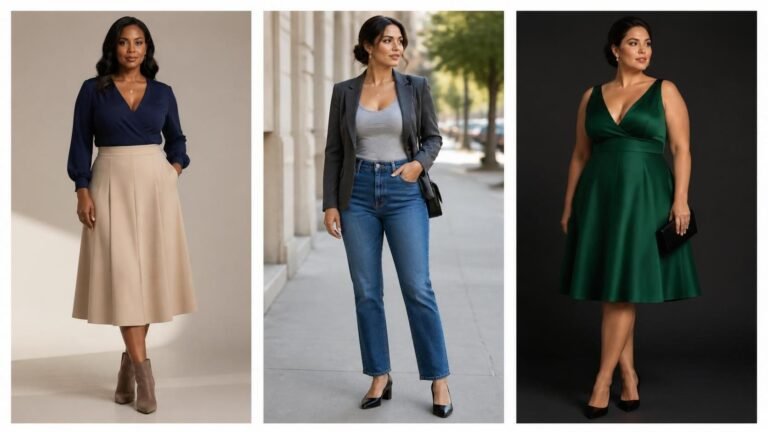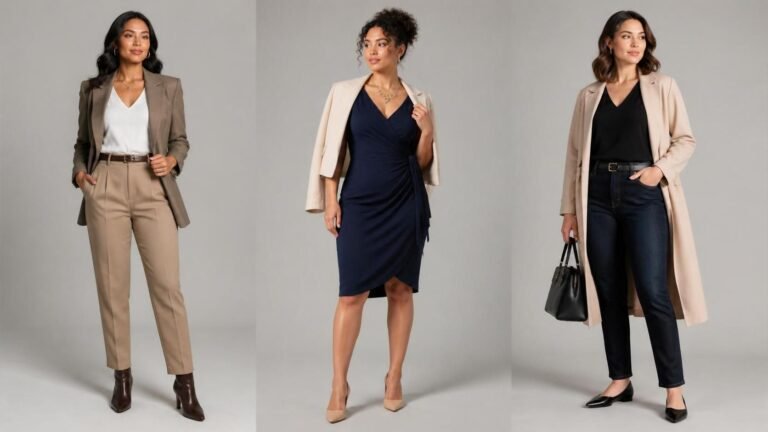
What to Wear if You Are Short and Chubby – 17 Style Tips That Actually Work
Online shopping with a petite, plus-size body can feel like a gamble every single time.
Something looks incredible on the model, arrives at your door, and looks completely different on you.
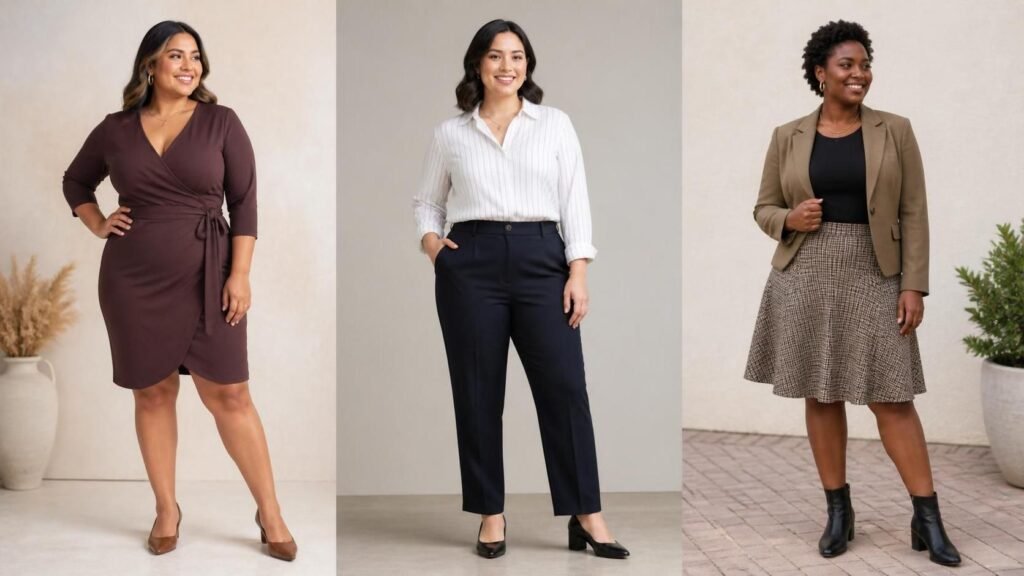
The fashion world has not always made things easy for shorter, curvier women — but that does not mean the options are not out there.
The truth is, dressing well has nothing to do with your size and everything to do with knowing which styles work best for your shape.
Below are 17 practical, no-nonsense style tips for short and chubby women — chosen for real results, real confidence, and outfits you will actually want to wear.
1. Wear the Right Bra First
Everything you put on top of a poorly fitted bra will look slightly off — no matter how great the outfit is.
A bra that is too small creates unflattering bulk through the chest and back, while one that is too large gives you no lift or support at all.
Getting this one thing right has a bigger impact on your overall silhouette than almost any other styling decision you can make.
Get fitted properly: Visit a lingerie department and ask for a professional fitting — it takes ten minutes and changes how everything sits on your body.
What a good fit does: The right bra lifts, separates, and smooths your torso so tops, dresses, and jackets all drape much more cleanly.
Band support matters most: The band should do the majority of the support work — if your straps are digging in, your band is likely too loose and sitting incorrectly.
Replace regularly: Bra elastic loses its support over time — replacing worn-out bras is one of the simplest wardrobe upgrades you can make.
2. Invest in Quality Shapewear
Shapewear is not something you have to wear every day — it is a tool you reach for when you want a particularly smooth, polished finish under specific outfits.
The right piece creates a clean base that helps clothes drape evenly and sit exactly as they were designed to.
The wrong piece — too tight, too stiff, or the wrong style — just creates discomfort without any visible payoff.
Choose seamless and breathable: Lightweight shapewear that moves with you is far more effective than anything restrictive or rigid — and you will actually wear it.
High-waisted styles work best: High-waisted shorts or briefs smooth the midsection and create a defined waistline that makes everything layered over them look better.
Use it selectively: Fitted dresses, tailored trousers, and bodycon silhouettes benefit the most — relaxed or flowy outfits generally do not need any shapewear at all.
Comfort is non-negotiable: If you find yourself wanting to take it off an hour into your day, it is either the wrong size or the wrong style — try a different cut.
3. Stop Hiding in Oversized Clothes
The instinct to reach for bigger, baggier clothing is completely understandable — but it usually works against you rather than for you.
When fabric hangs away from your body without any shape, it adds visual bulk and makes you appear wider and shorter than you actually are.
Fitted clothing — not skin-tight, just shape-aware — is what actually creates the elongated, proportioned look you are going for.
Skim, do not cling: Look for pieces that follow your natural curves without squeezing — soft stretch fabrics and garments with darts or seaming give you shape without restriction.
Oversized done right: If you love a relaxed fit, balance it with something fitted on the opposite half — loose top with straight-leg trousers, or a flowing skirt with a snug top.
Shoulders are the anchor: Make sure the shoulder seam of any top or jacket sits exactly at your shoulder point — pieces that are too wide through the shoulders add bulk regardless of how the rest fits.
Tuck for instant shape: A simple front tuck on a slightly boxy top immediately creates a waistline and restores proportion without any tailoring required.
4. Build Your Wardrobe Around Monochrome Outfits
Wearing one color from your neckline to your ankles is one of the most effective tricks for creating a longer, leaner silhouette instantly.
When there is no contrasting color to stop the eye, it travels the full length of your body in one smooth, uninterrupted sweep.
All black, all navy, tonal camel, soft cream — these combinations look sophisticated, intentional, and genuinely flattering on shorter, curvier frames.
Texture keeps it interesting: When everything is one color, mix fabric finishes — pair a matte knit with a silk blouse, or a ribbed top with smooth trousers, for depth and visual interest.
Match your shoes: Wearing the same color shoe as your trousers or skirt extends the leg line and makes you appear taller without any heels required.
Tonal variation counts too: You do not need to match exactly — pairing ivory with cream or charcoal with black creates the same elongating effect with a slightly richer look.
Start with your easiest neutral: If monochrome feels new, a full black or full navy outfit is the simplest and most foolproof starting point — it never fails.
5. Choose Necklines That Open Up Your Frame
Your neckline is one of the fastest ways to shift your proportions and draw the eye exactly where you want it.
The right neckline creates length through your neck and chest, makes your shoulders look balanced, and frames your face beautifully.
For shorter, curvier women, an open neckline does significantly more flattering work than a closed or high one.
V-neck and U-neck: These create a vertical line through the center of your chest that lengthens the torso and makes you look taller in seconds.
Square and sweetheart necklines: Both add structure and draw attention to your collarbone — they are beautiful on curvier bodies because they frame and define rather than closing things in.
Off-shoulder and boat necks: These widen the shoulder line visually, which balances fuller hips beautifully and creates the appearance of a smaller waist by comparison.
Pendant necklace trick: If you love a high neck, layer a long pendant necklace over it — the vertical line of the necklace counteracts the closed-off effect and adds the length your neckline removes.
6. Choose Larger, Bolder Prints
Prints are absolutely not off the table — you just need to pick the right scale and placement for your frame.
Very small, busy all-over prints can make surfaces look visually noisy and larger than they actually are.
Medium to large prints, worn with intention, look confident, proportional, and genuinely stylish on curvier bodies.
Scale up your prints: Medium florals, bold geometrics, and large abstract patterns look far more proportional than tiny repeated prints that visually add surface area.
Placement is everything: Printed tops with solid bottoms keep the visual interest above the waist and draw the eye upward — the most flattering approach for shorter frames.
Anchor with a solid: One printed piece always works better when paired with a neutral solid on the opposite half — it stops the look from feeling overwhelming.
Side placement prints: Look for garments where the print runs down the side panels rather than all over — these contour and slim the silhouette through their placement alone.
7. Use Vertical and Diagonal Lines to Look Taller
Lines are one of the most powerful visual tools in fashion and they genuinely change how your body reads when you walk into a room.
Vertical lines draw the eye up and down rather than across, creating the impression of a taller and slimmer silhouette without any heels or illusions.
Diagonal lines are even cleverer — they redirect the eye away from the widest parts of the body and create a subtly narrowing effect.
Vertical stripes: These work beautifully on shorter frames because they guide the eye from your shoulders straight down to your feet in one clean movement.
Diagonal panels and seams: Look for garments with diagonal seaming or paneling in the construction — these direct attention away from wider areas and add a slimming effect through the design itself.
Avoid horizontal stripes at widest points: Horizontal lines placed directly across the bust or hips add visual width — but a horizontal stripe tucked into high-waisted trousers works just fine.
Use lines strategically: Wear vertical or diagonal details on the areas you want to slim and redirect — this targeted approach makes lines work significantly harder for you.
8. Use Darker Colors Intentionally
Darker shades visually recede — meaning they do not draw attention toward an area the way lighter, brighter colors do.
This does not mean you have to dress in black every single day, and it absolutely does not mean lighter colors are off limits for you.
It means understanding how color placement affects your proportions and using that knowledge to your advantage when you want it.
Darker bottoms, lighter tops: This specific combination draws the eye upward and creates natural visual balance — one of the simplest tricks for a more proportioned silhouette.
Choose deeper versions of your favorites: Mustard instead of bright yellow, deep burgundy instead of fire-engine red, forest green instead of lime — the depth does the slimming work.
Add color through accessories: If your outfit base is neutral and tonal, a bright bag, bold earrings, or a colorful scarf adds personality without disrupting your clean proportions.
Never feel restricted: Color is yours to wear — these are guidelines for when you want a slimming effect, not permanent rules about what you are allowed to put on.
9. Avoid Heavy Fabrics and Bulky Details
Stiff, heavy fabrics hold their own shape rather than following yours — and that creates added volume where you least want it.
The same principle applies to certain design details: ruffles, large patch pockets, balloon sleeves, and heavy embellishments all add visual weight to whatever they are placed on.
Soft, drapey fabrics that move when you move are the ones that make curvy, shorter bodies look their most balanced and polished.
Fabrics to seek out: Crepe, viscose, soft jersey, lightweight cotton blends, and fluid knits all drape well and follow your curves without tenting or clinging.
The drape test: Before buying any top or dress, hold the fabric up and watch how it falls — if it flows easily, it will flatter; if it holds a rigid shape, it will add bulk.
Details that add volume: Ruffled collars, puffed sleeves, large hip pockets, and heavy chest embellishments all make the areas they cover look larger — choose cleaner designs instead.
Lightweight wool works: Not all wool is off limits — fine merino and lightweight wool blends drape beautifully and can be just as flattering as other soft fabrics when the weight is right.
10. Pick Silhouettes That Were Designed for Your Shape
Certain dress and skirt shapes work consistently and reliably well on shorter, curvier bodies — and knowing them makes shopping significantly faster and easier.
These silhouettes manage proportion naturally through their design, which means you spend less time adjusting and more time feeling great.
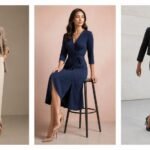
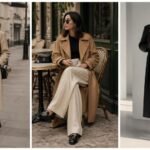
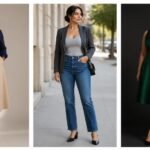
They are not restrictive rules — they are reliable starting points that almost always deliver the result you want.
A-line dresses and skirts: These fit the waist snugly and flare gently outward, creating natural balance between your upper and lower body with zero effort.
Wrap styles: The diagonal line of a wrap neckline or waist automatically defines your shape and flatters a wide range of body proportions without any tailoring.
Peplum tops done right: The peplum flare should begin at or just above your natural waist — positioned too low, it widens the midsection instead of defining it.
Asymmetric and high-low hems: These add visual movement and a diagonal line across the lower half, which creates length and keeps the eye traveling vertically through your outfit.
11. Find the Right Jeans for Your Body
The myth that short and curvy women should only wear skinny jeans is completely outdated — and frankly, it was never true.
There are multiple jean styles that look spectacular on shorter, fuller frames, and discovering your best options transforms how you approach getting dressed every day.
The key is always proportion: a high waistline, a clean leg line, and a style that balances rather than compresses your shape.
High-waisted is always a good idea: Any jean cut in a high-waisted style defines your smallest point and visually adds length to your legs immediately.
Straight-leg and bootcut options: These styles add gentle visual volume below the hip, which balances out a fuller midsection and creates a beautifully grounded silhouette.
Flared jeans work too: A subtle flare below the knee adds weight to the lower half of your leg and balances your top half — do not be afraid to try them.
Inseam placement matters: Jeans that end just above the ankle elongate your leg — styles that crop at mid-calf visually shorten your frame, so avoid that specific length.
12. Layer with Intention
Layering on a shorter, curvier frame requires a strategy — because the wrong approach adds bulk rather than dimension and makes you look wider instead of more interesting.
The goal is to use layers to create vertical lines and visual depth without stacking fabric across the widest parts of your body.
Done well, layering is genuinely one of the most powerful styling tools you have available.
Open layers only: A blazer, longline cardigan, or duster coat worn open creates a long vertical line down your center — the most elongating effect in layering.
Thin over fitted: Layer a lightweight piece over a fitted base — a structured vest over a stretchy camisole, or an open denim jacket over a snug knit top always works cleanly.
Tonal layering doubles the impact: Layering similar shades — cream over white, black over charcoal — keeps the elongating effect intact while adding visual depth and texture.
Length awareness: Outer layers that end just below your widest point keep proportions long — layers that end exactly at the hip or across the widest part of the body interrupt the line.
13. Use a Belt to Define Your Waist
A belt is one of the simplest and most effective proportion tools in your wardrobe — but placement and style both matter enormously.
The natural waistline, sitting just above the belly button, is the correct position for maximum flattering effect.
Belted too low and your leg line shortens; belted too high and your torso looks compressed rather than lengthened.
Wide belts for dresses and coats: These create strong waist definition over flowy, structured, or oversized pieces and give your whole silhouette a defined, intentional shape.
Slim belts for tailored pieces: A thin belt on high-waisted trousers or a skirt adds a finishing detail without competing with the rest of your carefully balanced outfit.
Match the belt to the top: Belting in the same color as your top keeps the vertical line unbroken from shoulders to hips — which reads as longer and leaner overall.
Belt over everything: Do not limit belts to just jeans — using one over a blazer, flowy dress, or oversized cardigan gives any shapeless piece an instant, polished waistline.
14. Choose Accessories That Add Length
The right accessories complete and elevate a look — the wrong ones interrupt your proportion lines and make a great outfit feel unbalanced.
For shorter, curvier women, the goal is to choose pieces that draw the eye upward and add a sense of length rather than adding visual weight or breaking clean lines.
One or two well-chosen accessories always do more than several competing pieces worn together.
Long pendant necklaces: These create a vertical focal point through the center of your body that visually adds length and draws the eye upward to your face.
Drop earrings over chunky styles: Long earrings add a sense of height and frame the face beautifully — wide, chunky earrings can shorten the neck visually on petite frames.
Proportional bag sizing: Medium and mini bags look most balanced — oversized totes can overwhelm a shorter frame and create the impression of extra bulk through comparison.
Bag strap placement: Adjust crossbody straps so your bag sits above or below your hip rather than resting directly across the widest point of your body.
15. Pick Footwear That Extends Your Leg Line
Your shoes have a direct and measurable impact on how tall and proportioned you look — and it goes far beyond whether you are wearing heels.
The color, shape, and cut of your footwear affects how the eye reads the transition from your outfit to your legs and feet.
A few simple footwear choices create a noticeably longer leg line without any height required.
Nude and skin-tone shoes: These blend into your leg rather than creating a visual stop at the ankle — one of the easiest ways to look taller in any outfit.
Pointed-toe styles: A pointed toe visually extends the foot forward and makes your legs look longer from across the room compared to a round or square toe.
Ankle straps with caution: An ankle strap places a strong horizontal line at the narrowest part of your leg and cuts the leg line — avoid them when you want to appear taller.
Tall boots are your friend: Knee-high and over-the-knee boots worn with the right hemline create a long, unbroken leg line that is enormously flattering on shorter frames.
16. Wear What Makes You Feel Maximally Confident
Here is a styling truth that no tip, trick, or visual hack can replace: confidence changes how every outfit looks on you.
When you feel genuinely good in what you are wearing, you carry yourself differently — and that is visible to every single person in the room before they register a single design detail.
Dressing confidently means choosing clothes that feel like you, not clothes that you think you are supposed to wear given your size.
Lead with your favorite features: Great legs? Rock a shorter hemline. Love your arms? Sleeveless and cold-shoulder styles are yours to own without apology.
Wear colors that make you feel alive: The colors that make you smile when you see yourself in the mirror are always the right choice — regardless of what any styling guide says.
Stop dressing defensively: Choosing every piece based on what to hide creates outfits that feel safe but never exciting — dress to show up, not to disappear.
Your energy is the real outfit: The most stylish thing you can put on every morning is the decision to show up as yourself fully — no apology, no hesitation.
17. Celebrate What You Love About Your Body
The most powerful shift you can make in how you approach getting dressed is moving from covering up to showing off.
Every body has features worth celebrating — and when you dress to highlight the ones you love, the whole energy of your look changes instantly.
This is not about ignoring proportion or styling advice — it is about leading with the parts of yourself you feel most confident about.
Highlight what you love most: Defined arms, great legs, a beautiful decolletage, a gorgeous smile — let the clothes you choose frame and draw attention to your best bits.
Let go of dressing as problem-solving: When you stop treating getting dressed as a series of things to fix or hide, it becomes genuinely enjoyable rather than stressful.
One feature, full confidence: You do not need to love every inch of yourself every day — find the one feature you feel great about right now and let your outfit spotlight it.
Confidence is magnetic: People respond to how you feel in your clothes long before they analyze what you are actually wearing — carry yourself like you know exactly what you are doing.
Frequently Asked Questions
Q1. What should short and chubby women wear to look taller? Monochrome outfits, vertical stripes, high-waisted bottoms, V-necklines, and nude footwear all create the visual impression of extra height without any heels needed.
Q2. Can short and chubby women wear prints? Absolutely — choose medium to large-scale prints over tiny busy ones, and wear printed tops with solid bottoms to keep visual interest above the waist where it is most flattering.
Q3. What jeans are most flattering for short and chubby women? High-waisted straight-leg, bootcut, and flared styles all work beautifully — they define the waist, balance the hips, and create a longer leg line than skinny styles alone.
Q4. Should short and chubby women avoid oversized clothing entirely? No — but balance is key. Pair any oversized piece with something fitted on the opposite half to maintain proportion and keep your shape visible rather than lost in fabric.
Q5. What fabrics work best for short and chubby women? Soft, drapey fabrics like crepe, viscose, jersey, and lightweight cotton blends follow your curves without adding bulk — stiff or heavy fabrics tent away from the body and add volume.
Q6. How can accessories help short and chubby women look more proportioned? Long necklaces and drop earrings add length and draw the eye upward — avoid chunky oversized accessories, ankle strap shoes, and bags that hit directly at your widest point.
The Style Shift That Changes Everything
There is a moment that happens when you stop dressing for how your body looks and start dressing for how your body feels — and everything shifts.
You stop standing in fitting rooms mentally listing what is wrong. You stop buying clothes you kind of like because they are safe. You start reaching for things that genuinely excite you and letting how you feel in them be the only deciding factor that matters.
That shift does not require a different body. It does not require a smaller size or a different shape. It requires exactly the body you already have, dressed with intention and worn with the kind of confidence that makes other people wonder what your secret is.
The tips in this guide are practical tools to help you get dressed with more ease and more impact. But they work best when the foundation underneath them is solid — and that foundation is you, showing up for yourself every single time.
Darling, You Were Never the Problem
Fashion is not about fitting into a mold — it is about making the mold irrelevant.
Every tip here exists to make your wardrobe work harder and your mornings feel easier. They are starting points, not rules. Take what resonates, leave what does not, and always trust what makes you feel most yourself.
The best outfit you will ever wear is the one you put on with complete confidence and zero apology. That is available to you right now, in the body you are already in.
Go get dressed like you mean it — because you absolutely do.