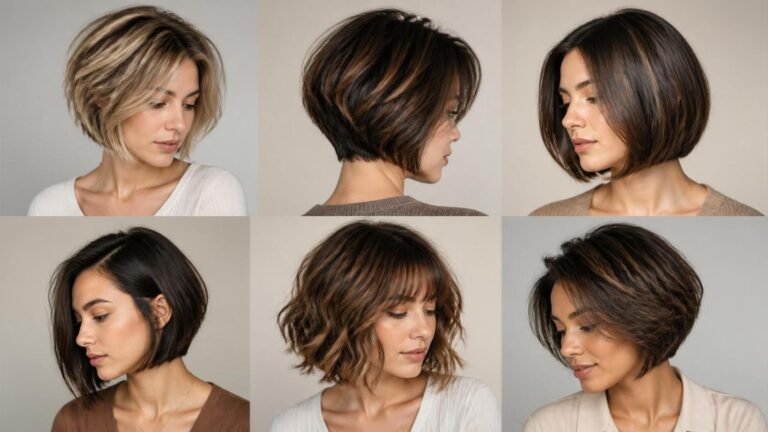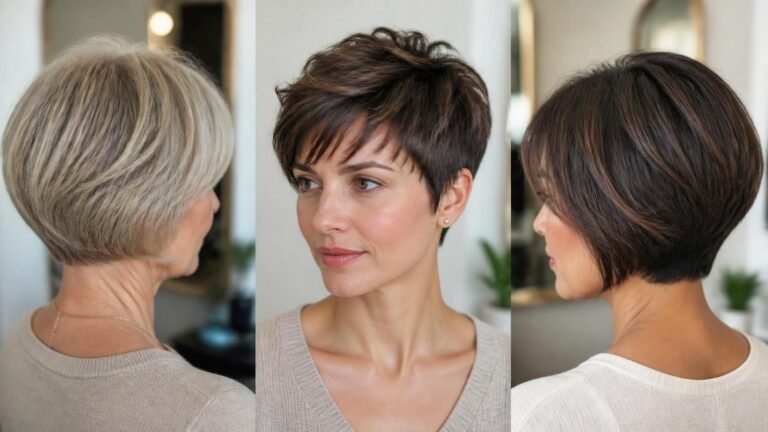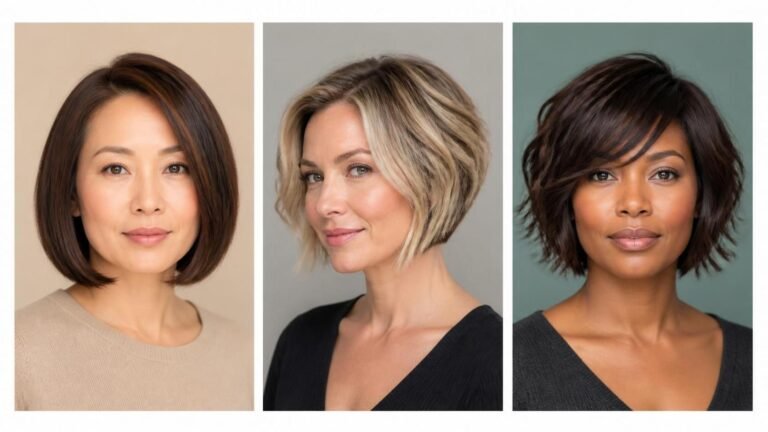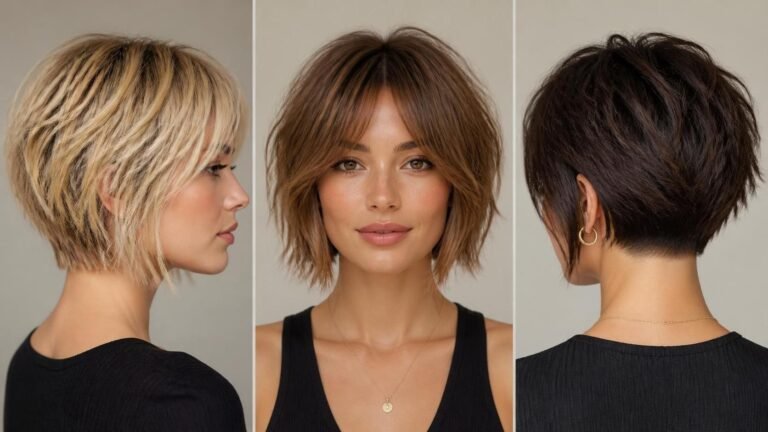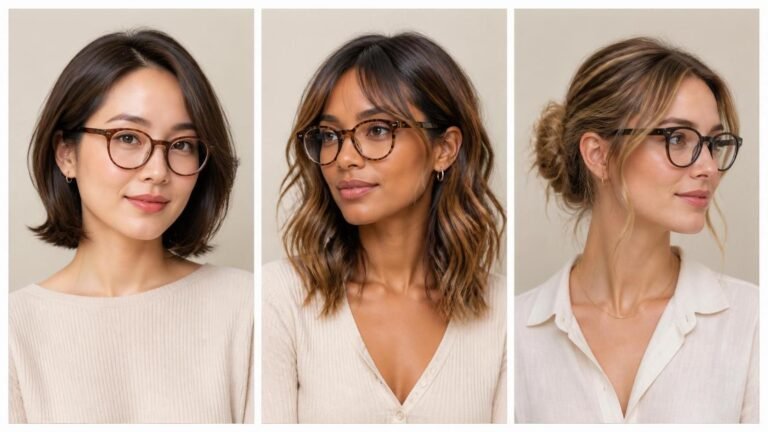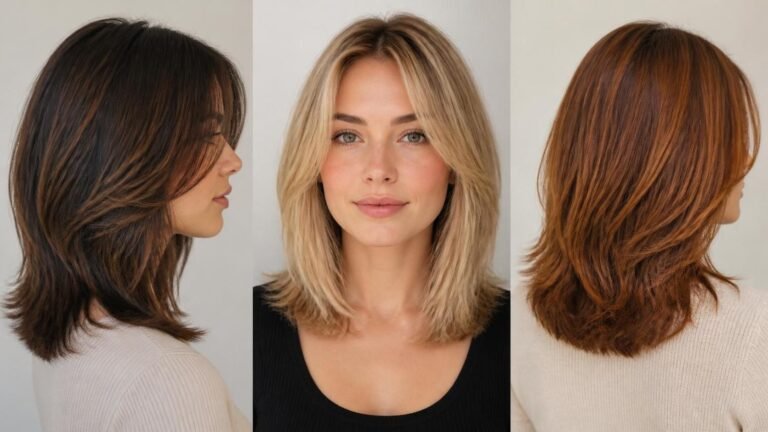
Chin-Length Hairstyles for Thin Fine Hair: 20 Fuller-Looking Cuts
Fine hair has a way of exposing every weakness in a bad cut — too much length and it goes limp, too many layers and it turns see-through at the ends. The chin-length sweet spot solves both problems at once.
Cutting to the jaw keeps enough weight in the shape to give the ends actual presence, while the shorter overall length means less hair to drag the style down. It also tends to require less styling time than longer cuts, which is a quiet bonus.
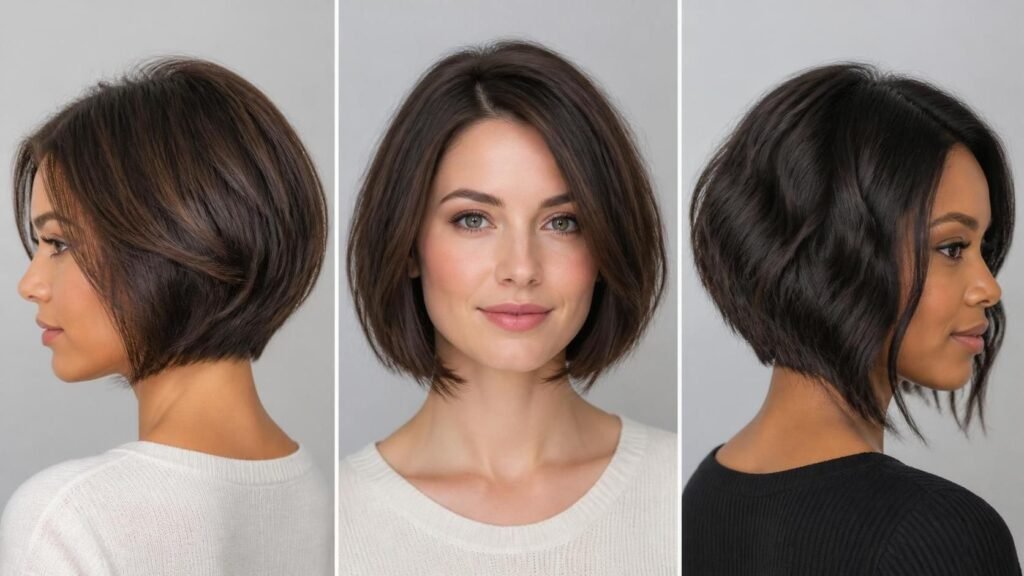
The variety at this length is genuinely impressive — clean and polished, softly textured, wavy, structured, or feathered — there is a chin-length option for every texture preference and daily routine. The right shape can make thin hair look noticeably thicker without any tricks beyond a good cut and a few minutes with a blow dryer.
Below are 20 chin-length hairstyles for thin fine hair, chosen for their volume-building shapes, flattering finishes, and real-life wearability.
1. Airy Jawline Bob with Side Sweep
An airy jawline bob with a soft side sweep is one of the most intelligent cuts for fine hair because it uses movement to create the impression of density. The sweep draws the eye across rather than straight down, which makes the whole shape feel fuller. Nothing about it looks heavy or forced — it is light, graceful, and genuinely easy to style on a regular morning. The jawline length keeps the ends visible and defined rather than trailing away into nothing.
Best for: Women with fine hair who want soft face-framing movement without adding product-heavy volume. Cut tip: Ask for gentle internal layering only — not heavy layers — so the bob keeps its fullness through the ends. Side sweep tip: A natural, relaxed side part rather than a forced one gives the sweep a more authentic, flattering finish. Styling: Blow dry with a medium round brush, lifting the roots as you go and rolling the ends slightly under. Grow-out: The soft layers grow out gradually and keep the bob looking intentional for several weeks between trims.
2. Chin Bob with Light Fringe Pieces
Light fringe pieces at the front of a chin bob do something clever — they add a detail near the face that draws attention upward while keeping the overall shape from looking too solid or block-like. For fine hair, this is a meaningful distinction. Heavy fringes can rob the front section of density, but wispy, airy pieces blend into the sides naturally and give the cut personality without taking anything away. It is a soft, effortless look that suits a wide range of face shapes.
Best for: Women with fine hair who want a gentle face-framing detail without committing to a full fringe. Fringe tip: Keep the fringe pieces long, blended, and transparent rather than heavy or sharply cut across. Blend tip: The fringe should flow seamlessly into the sides — a hard line between fringe and length looks dated on fine hair. Styling: Work a small amount of texturizing spray through the front to keep the pieces separated and airy. Grow-out: Light fringe pieces grow out invisibly and can be swept to the side or clipped back as they lengthen.
3. Chin Bob with Soft Bend and Deep Shine
A smooth chin bob with tucked-under ends and a glossy finish is one of the most effective volume illusions available for fine hair. The bend at the ends creates a subtle curved shape that makes the perimeter look thicker and more precise. The shine adds definition to each strand, making the overall cut look far denser than it actually is. This style is polished and modern and requires surprisingly little effort once the technique is learned.
Best for: Women who prefer a sleek, smooth finish and want their fine hair to look as thick and defined as possible. Tuck tip: A slight inward roll at the ends while blow drying — rather than curling away — gives the bend its clean, polished shape. Shine tip: Apply a pea-sized amount of lightweight shine serum through dry hair for gloss that does not flatten volume. Styling: Use a medium round brush on the last inch of hair while blow drying to set the under-bend into place. Maintenance: A flat iron run quickly through the ends on smooth setting refreshes the tucked shape on day two.
4. Chin-Length Bob with Wispy Bangs
Wispy bangs and a chin-length bob are a classic pairing for fine hair because both elements stay deliberately light. The bangs soften the forehead and frame the eyes without pulling density away from the sides. The result is a face-framing style that looks fresh and feminine without sacrificing any of the fullness the bob provides. The key is keeping the fringe truly wispy — thin, airy, and barely-there rather than a defined panel of hair.
Best for: Women with fine hair who want soft eye-framing without the upkeep commitment of a full, dense fringe. Fringe tip: Ask for the bangs to be cut with vertical scissors so the ends stay thin and see-through rather than blunt. Length tip: Wispy bangs look best when they reach just to or slightly past the brow — any shorter and they need daily precision. Styling: Blow dry the fringe with a small round brush, rolling gently under so it bends naturally rather than lying flat. Grow-out: Wispy bangs grow out softly and can transition into a long side fringe with no awkward in-between stage.
5. Choppy Angled Bob
The choppy angled bob is a shape-forward style that gives fine hair a sharper, more defined silhouette. The angle runs from a shorter back to longer front pieces, which adds length near the face and makes the front sections look noticeably fuller. The choppy texture through the ends prevents the cut from looking boxy or too perfect, keeping it modern and wearable. It is a confident choice that photographs beautifully and holds up well between appointments.
Best for: Women with fine hair who want a structured, modern cut with a clear directional shape and textured ends. Angle tip: Keep the back shorter than the front by at least an inch for the angle to read clearly without being extreme. Texture tip: Ask for point-cut ends rather than straight scissor work — it creates texture without removing density. Styling: Work a small amount of volumizing mousse through damp hair before blow drying to help the shape stay lifted. Grow-out: The angled shape grows out gracefully — the front pieces simply lengthen while the angle softens naturally.
6. Choppy Bob with Fringe
A choppy bob with a soft fringe is the kind of cut that makes fine hair look more interesting immediately. The broken-up texture through the ends adds visual complexity that reads as thickness, while the fringe softens the forehead and gives the style a relaxed, lived-in quality. It never looks over-groomed, which is exactly the point — this is a cut that works for everyday life without requiring daily precision.
Best for: Women with fine hair who want texture, movement, and a low-key fringe that suits a casual everyday lifestyle. Chop tip: Ask for point-cutting through the entire length rather than just the ends for a more naturally textured result. Fringe tip: The fringe should blend softly into the sides rather than sitting as a defined, separate section of the cut. Styling: Scrunch a small amount of light styling cream through dry or slightly damp hair for soft, natural separation. Versatility: This cut works beautifully on straight, wavy, and lightly textured fine hair without adjusting the styling approach.
7. Classic Chin-Length Blunt Bob
The blunt bob is one of the most reliably effective cuts for thin fine hair, and the reason is straightforward — it keeps the perimeter completely intact. Every strand ends at the same length, which creates the visual illusion of a thick, dense hemline. Nothing is tapered away at the ends to nothing. The clean horizontal line makes the cut look intentional and the hair look healthier and fuller than longer, unstructured styles ever could.
Best for: Women with very fine or thin hair who want the maximum fullness illusion from a single, clean cut technique. Perimeter tip: Ask for a truly one-length cut with no layering whatsoever — every strand should hit the same line. Precision tip: Request that the cut is done with the hair completely dry and straight so the line is perfectly accurate. Styling: A flat iron run smoothly over the ends on a medium heat setting sharpens the blunt line beautifully. Grow-out: A blunt bob grows out evenly and retains its full, clean look longer than any layered alternative.
8. Deep Side-Part Combover Bob
A deep side part with a combover sweep is one of the oldest volume tricks in the book — and it still works perfectly on fine hair. Parting the hair deeply to one side and sweeping the top section across the head instantly creates crown lift and visual density. The longer front section of the bob adds to the fullness effect near the face. The result looks deliberately styled without requiring much time or product at all.
Best for: Women with fine hair who want a quick, reliable way to add visible crown volume and face-framing fullness. Part tip: The deeper the part, the more lift the sweep creates — try parting just above the ear for maximum effect. Front section: Keep the front section slightly longer than the back to enhance the face-framing sweep and add softness. Styling: Blow dry the top section across the head using a paddle brush while the hair is still damp for lasting volume. Day two: Re-sweep the top section and apply a tiny amount of dry shampoo at the roots to refresh lift overnight.
9. French Bob with Soft Blunt Bangs
The French bob is already one of the more compact and face-flattering styles for fine hair, and adding soft blunt bangs to the equation makes it even more so. The short, chin-skimming length keeps the weight concentrated at the jaw, while the bangs frame the eyes and provide a second focal point above. The overall effect is structured but not stiff — it is a polished look that suits both casual and dressed-up occasions with equal ease.
Best for: Women with fine hair who want a structured, classic shape with a defined fringe that looks elegant and neat. Bob tip: Ask for the bob to sit right at or just above the chin for the most compact, full-looking silhouette. Bang tip: Soft blunt bangs work best when they are slightly longer in the center and barely taper at the sides. Styling: Apply a smoothing cream to slightly damp hair before blow drying to keep the finish polished without stiffness. Grow-out: The blunt bangs can soften into a longer fringe over four to six weeks without any awkward transition phase.
10. Undone Wavy French Bob
The undone wavy French bob brings a relaxed, effortless energy to fine hair that sleeker styles cannot quite replicate. Waves add visual texture and the appearance of body, which is exactly what fine hair needs without relying on heavy styling. The French bob length keeps everything compact and intentional, so the waves read as styled rather than messy. It is a youthful, modern look that suits women who prefer a softer, more natural finish over polished precision.
Best for: Women with fine hair who want movement, softness, and a relaxed finish that still looks shaped and intentional. Wave tip: Loose waves created with a large-barrel wand or flexi rods look more natural on fine hair than tight curls. Product tip: Scrunch volumizing mousse through damp hair before air drying to encourage natural wave formation. Styling: Tousle gently with fingers once dry and add a very small amount of texturizing spray for staying power. Grow-out: The undone wavy texture disguises uneven growth beautifully — this style stays wearable for longer between trims.
11. Micro-Textured Chin Bob
A micro-textured chin bob hits the perfect middle point between sleek and tousled — tidy enough to look deliberate, textured enough to look interesting. For fine hair, tiny point-cut details through the ends add visual dimension without removing any actual density. This is a crucial distinction from heavy layering, which can make fine hair look thinner at the ends. The micro-texture keeps the perimeter solid while giving individual strands enough movement to prevent flatness.
Best for: Women with fine hair who want subtle texture and airy movement without losing the fullness of a solid perimeter. Cut tip: Specify point-cutting rather than razor or slicing techniques — it removes less bulk while still adding texture. Texture tip: The texture should be minimal and concentrated through the last inch or two of the ends only. Styling: Mist lightly with a texture spray and scrunch gently through the ends before the hair fully dries. Grow-out: Micro-textured ends grow out naturally and blend into the rest of the cut without any defined grow-out line.
12. Middle-Part Glassy Chin Bob
The middle-part glassy chin bob is all about the finish — a smooth, reflective surface that makes fine hair look simultaneously thicker and more refined. The symmetry of the middle part gives the face a balanced, open framing, while the blunt ends at the chin create a strong, clean base. The glassy effect comes entirely from technique and product rather than density, which makes it one of the most accessible ways to give fine hair a genuinely luxurious appearance.
Best for: Women who prefer a clean, modern, symmetrical style and want their fine hair to look sleek and polished. Blunt tip: Keep the cut completely one-length with no internal layering — any thinning destroys the glassy effect. Shine tip: Apply a drop of lightweight hair serum through the mid-lengths and ends after blow drying for mirror-like shine. Styling: Blow dry the hair perfectly smooth with a flat brush, then run a flat iron through once for a flawless finish. Maintenance: A weekly deep conditioning treatment keeps fine hair smooth and healthy enough to hold this level of polish.
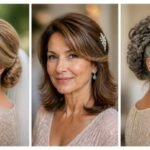
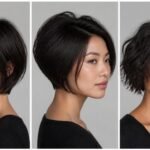
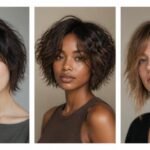
13. Precision Bob with Tucked Side
A precision bob with one side tucked behind the ear is a styling trick that delivers two benefits simultaneously — it shows off the clean, sharp perimeter of the cut and it opens up the face beautifully. For fine hair, the strong, precise outline of a well-cut bob is one of the most effective fullness illusions available, and tucking one side back simply highlights that outline even further. The overall look is effortlessly chic and takes about ten seconds to execute each morning.
Best for: Women with fine hair who want a sharp, structured bob that looks polished with almost zero daily styling effort. Precision tip: Ask your stylist for an absolutely clean perimeter — the sharpness of the line is what makes this cut work. Tuck tip: Tuck the hair securely behind the ear rather than using a clip so the line of the cut stays visible and clean. Styling: Blow dry smooth with a flat brush, then tuck one side back to reveal the shape and add asymmetric interest. Accessory tip: A simple stud or small hoop earring on the tucked side draws attention to the clean cut line beautifully.
14. Rounded Chin Bob
A rounded chin bob builds soft, natural-looking fullness through the sides by using the curved shape to push the hair outward slightly at the ends. For fine hair worn at the jaw, this small architectural decision makes a genuine difference — the rounded silhouette creates the impression of density without relying on heavy layering or bulky products. The finish is classic, feminine, and subtly more flattering than a straight or angled alternative on rounder or oval face shapes.
Best for: Women with fine hair who want a soft, classic bob shape that adds gentle volume through the sides and ends. Shape tip: Ask for a rounded perimeter specifically — a straight or one-length bob will not produce the same fullness effect. Internal tip: Very light internal support through the crown helps hold the rounded shape without flattening the top. Styling: Use a medium round brush while blow drying, rolling the ends under and outward slightly to set the curve. Face shape note: This shape suits round, oval, and heart-shaped faces particularly well by balancing width at the jaw.
15. Short Layered Chin Bob
A short layered chin bob introduces movement to fine hair without sacrificing the fullness that chin-length cuts are known for. The key difference between this and a heavily layered style is restraint — the layers stay soft, blended, and concentrated through the crown rather than being cut aggressively through the ends. The result is a cut that has life and bounce without looking thin or see-through at the bottom. It is a reliable everyday style that suits most hair textures.
Best for: Women with fine hair who want a little movement and softness through the crown without losing end density. Layer tip: Ask for layers to start at the crown only, leaving the bottom section heavier to maintain fullness at the ends. Blend tip: Layers should be so blended that you cannot see where they begin and end — no stepped or obvious layering. Styling: Work a light volumizing mousse through damp hair from root to mid-length before blow drying upward. Volume trick: Flip the hair forward when blow drying the crown section, then flip back — this sets lift at the roots.
16. Sliced Chin Bob with Airy Movement
A sliced chin bob uses a specific cutting technique — slicing the scissors diagonally through sections rather than cutting straight across — to create an airy, piece-y movement through the ends. For fine hair, this is a much gentler alternative to heavy layering because the overall length and perimeter stay intact while the texture is created internally. The result is a bob that looks current, soft, and deliberately undone in a way that feels modern rather than messy.
Best for: Women with fine hair who want a contemporary, airy texture through their bob without losing the overall shape. Slice tip: Slicing should be done sparingly — concentrated through the ends rather than throughout the full length. Movement tip: The airy, piece-y finish works best on hair that is allowed to dry with some natural movement rather than blow dried completely smooth. Styling: Apply a dry texture spray to the roots and ends before scrunching lightly with fingers for effortless movement. Grow-out: The sliced texture grows out naturally and continues to look intentional as the bob lengthens slightly.
17. Soft Pageboy-Inspired Chin Bob
The pageboy-inspired chin bob brings back a classic silhouette with a contemporary update — a smooth, rounded shape with the ends gently curled under to create a clean, curved finish that makes fine hair look structured and full. The under-bend at the ends adds thickness at the perimeter without adding any actual density, which is the smartest trick available for thin strands. It has a polished, retro-modern quality that suits women who like their hair to look genuinely styled.
Best for: Women with fine hair who want a smooth, structured style with a rounded finish and a classic, timeless quality. Under-bend tip: Use a medium round brush on the last inch of hair while blow drying to set a clean inward roll at the ends. Volume tip: A small amount of volumizing spray at the roots before drying lifts the crown and helps the shape sit correctly. Styling: A hot air brush or blow dryer brush makes achieving the smooth curved finish much easier and faster. Shine tip: A light spray of gloss or shine mist over the finished style gives the pageboy its characteristically sleek, polished look.
18. Soft Side-Part Chin Bob
A soft side part is one of the simplest and most effective styling choices for fine hair because it immediately creates the appearance of root lift on one side of the head. Applied to a clean chin-length bob, the side part adds depth, asymmetry, and a gentle face-framing quality that keeps the style from looking flat or predictable. It is a completely understated look — nothing dramatic or high-maintenance — but it photographs beautifully and stays looking fresh throughout the day.
Best for: Women with fine hair who want a simple, flattering everyday bob that looks polished with minimal effort. Part tip: A soft side part creates more natural-looking root lift than a hard, ruler-straight part line does. Lift tip: Direct the blow dryer at the root on the heavier side of the part to build volume at the base of the style. Styling: Rough dry with fingers first for root lift, then smooth with a flat brush for a neat, finished result. Quick refresh: A light pass of dry shampoo at the part line on day two restores volume without re-washing or restyling.
19. Softly Feathered Chin Bob
Feathering is one of the oldest techniques in haircutting, and it remains one of the most flattering for fine hair at chin length. Soft feathering through the front and sides lightens the hair just enough to add a gentle, face-softening quality without removing density from the ends. The result is a style that frames the face with a warm, relaxed finish — not stiff, not sparse, just naturally soft and effortlessly feminine.
Best for: Women with fine hair who want soft, flowing texture around the face without losing fullness at the ends. Feather tip: Feathering should be light and focused on the front sections only — avoid feathering through the back or nape. Density tip: Ask for subtle feathering rather than heavy layering so the ends maintain their fullness and visible weight. Styling: Use a round brush to blow dry the feathered sections outward and slightly upward for a soft, lifted effect. Face shape note: Feathered ends work especially well for square and angular face shapes by softening strong jaw lines.
20. Textured Bob with Loose Waves
A textured bob with loose waves is the most volume-rich option on this entire list. Waves add physical lift, width, and movement to fine hair simultaneously, making the style look fuller in every dimension at once. The chin-length bob keeps the waves compact and intentional rather than wild, and the texture through the ends prevents the wave from losing its shape by mid-afternoon. It is a lively, youthful choice that suits women who love a little extra energy in their hair.
Best for: Women with fine hair who want genuine volume, movement, and a relaxed, modern finish that looks effortlessly full. Wave tip: Wrap sections loosely around a large-barrel wand and release before fully set — this creates soft, natural waves not tight curls. Texture tip: Ask for point-cut texture through the ends so waves sit loosely rather than curling too tightly on fine strands. Styling: Brush through the waves lightly after curling to loosen them, then shake out with fingers for a relaxed finish. Hold tip: A light-hold flexible spray over the finished style keeps waves intact without stiffening or flattening the texture.
FAQs
Are chin-length cuts actually better for thin fine hair than longer styles? Yes, in most cases. Chin-length cuts keep the weight of the hair concentrated at the jaw, which makes the ends look far denser than the same hair worn longer. Less length also means less gravity pulling the style flat throughout the day.
Should I avoid all layers if my hair is thin and fine? Not necessarily — the key is moderation. Very light, blended layers through the crown can add movement and lift without compromising end density. Heavy layering that removes significant weight through the mid-lengths and ends is what makes fine hair look sparse.
Which chin-length cut makes the biggest difference for very thin hair? A blunt one-length bob is the single most effective option for very thin hair because the unbroken perimeter creates the strongest possible fullness illusion. Every strand ends at the same point, making the hair look thicker and healthier immediately.
What styling products work best for fine hair at chin length? Lightweight volumizing mousse, texturizing spray, and dry shampoo are the most useful. Heavy creams, oils, and serums (used in excess) tend to flatten fine hair. Always apply product before drying rather than after for better root lift and longer-lasting volume.
How often should I trim a chin-length bob if I have fine hair? Every six to eight weeks keeps the perimeter looking clean and prevents split ends from making the style look ragged. Fine hair tends to show damage at the ends more visibly than thicker hair, so regular trims are a meaningful part of keeping the style looking full.
Can fine hair hold waves or texture at chin length without going limp? Yes, with the right technique. Mousse applied to damp hair before styling sets a texture foundation that holds much better than product applied to dry hair. Avoiding heavy finishing products and allowing hair to cool fully before touching it also extends how long texture and waves stay defined.
The Real Secret to Fuller-Looking Fine Hair
Most women with fine hair spend years chasing products that promise volume — sprays, powders, mousses, serums — and find that none of them deliver the lasting change they are looking for. The truth is that product is always the secondary factor. The primary one is the cut itself. A well-shaped perimeter, thoughtful placement of any layers, and a length that works with the hair’s natural weight rather than against it will do more for fine hair than any bottle ever could.
The chin-length bob succeeds specifically because it works with the physics of fine hair. Less length means less weight dragging the style down. A strong hemline means the ends look defined and present rather than wispy. The styling work becomes faster and easier, and the results last longer throughout the day. It is a genuinely practical solution dressed up as a style choice — and the two things rarely align this neatly.
💫 Let the Cut Do the Work
The 20 styles above cover every aesthetic from sleek and glassy to softly textured to loosely waved — all at the same length, all designed to make fine hair look its best. There is a version here for every lifestyle, every face shape, and every level of styling commitment. Save the ones that made you stop scrolling, bring two or three to your next appointment, and let your stylist match the right one to your actual texture.
Tell them how much time you have in the morning. Tell them whether you prefer smooth or textured finishes. Be specific about what you do not want — too much layering, too sharp, too structured. That conversation matters more than the photo alone.
Fine hair does not need to be fought with every morning. It just needs the right shape. Find that shape and the rest takes care of itself.