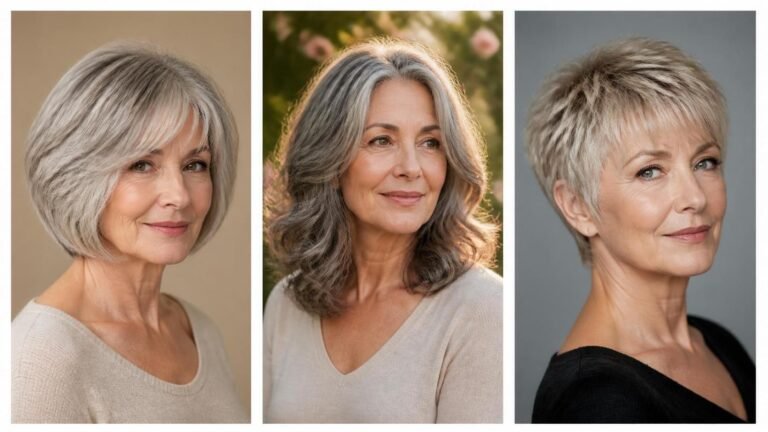
32 Stacked Bob Hairstyles for Fine Hair That Add Real Volume and Shape
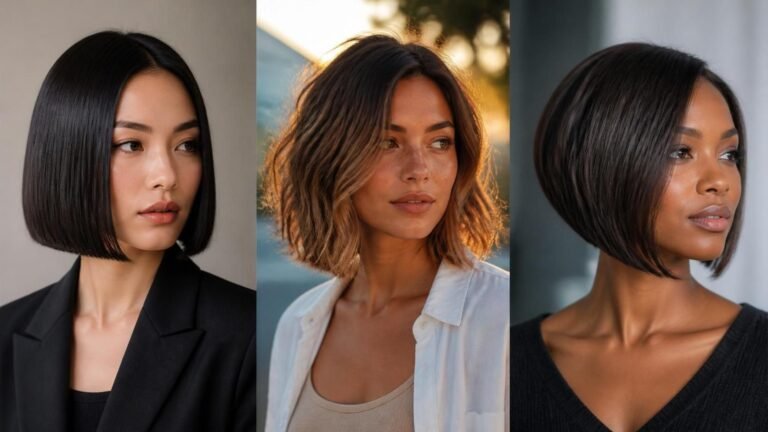
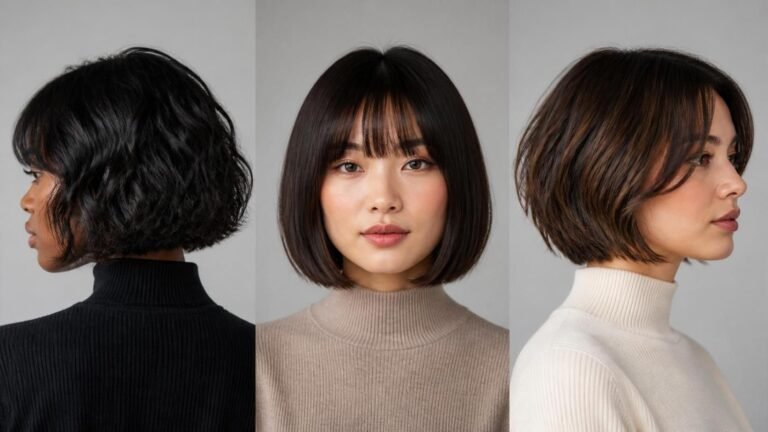
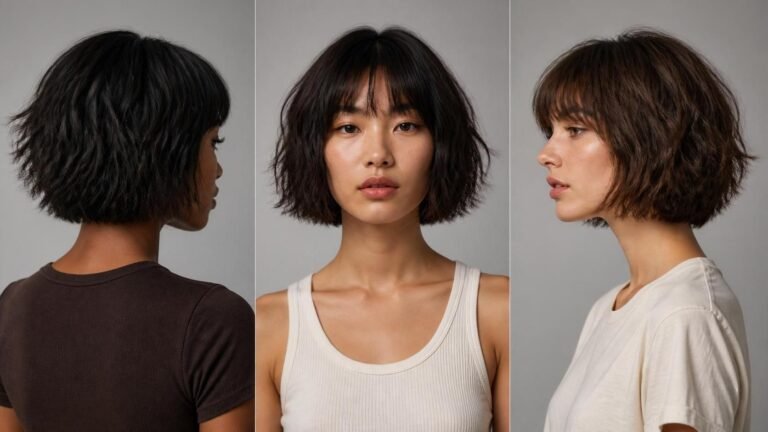
Fine hair and short cuts have a complicated relationship. Too many layers and the ends go see-through. Too blunt and the whole thing falls flat by noon. The stacked bob solves both problems at once. It builds fullness right into the back of the cut, lifts the crown naturally, and creates a silhouette that holds its shape without needing constant product support. Whether you want something sleek and sharp or soft and textured, the stacked bob has a version that works perfectly for fine hair.
Below are 32 stacked bob hairstyles for fine hair, chosen for shape, volume, wearability, and real-life styling ease.
1. Angled Stacked Bob
The angled stacked bob creates a clean, confident front line while building weight and fullness at the back. The shape feels intentional from every angle — structured without being stiff. Fine hair gains real support from the stacking at the crown, where flatness is usually the first problem.
Best for: Women who want a polished, directional bob with built-in structure and crown lift. Front line tip: Ask for a clean diagonal line through the front — not too sharp, not too gradual. Stack placement: The stacking should sit at the crown and upper back for the most effective fine hair lift. Air-dry friendly: The angled shape holds even without blowdrying, making it genuinely low-maintenance daily.
2. Ash Blonde Stacked Bob
Ash blonde tones do something beautiful with a stacked bob — they soften the overall shape and add dimension without any heavy styling needed. The layers blend closely against the head, keeping the cut smooth and sleek. For fine hair, that color variation creates the appearance of depth and density that the hair itself does not naturally have.
Best for: Women who want color and cut to work together to make fine hair look noticeably fuller. Color tip: Ask for tonal variation within the ash blonde — a single flat color removes the depth effect. Layer blending: Closely blended layers keep the shape smooth and prevent any harsh visible lines in fine hair. Low-maintenance bonus: Ash tones fade gracefully, so the grow-out looks intentional rather than neglected.
3. Bold Stacked Bob
This version of the stacked bob leans into strong contrast — a pronounced stack at the back paired with longer, more relaxed pieces through the top. The result is modern, confident, and refreshingly unfussy. Fine hair carries this shape beautifully because the cut does all the volume work without needing extra product.
Best for: Women who want a current, fashion-forward bob that still suits fine hair perfectly. Contrast balance: Ask for a clear stack at the back but keep the top transition gradual for a wearable result. Air-dry test: This style should look styled even after air-drying — if it does not, ask for more back structure. Statement pairing: Bold earrings and a clean neckline make this cut look especially striking and intentional.
4. Chin-Length Stacked Bob
A chin-length stacked bob keeps the overall silhouette compact and easy to manage throughout the day. The length frames the jaw gently rather than cutting aggressively straight across the face. This is a practical, flattering choice for fine hair that tends to go limp and lose shape at longer lengths.
Best for: Women who want a manageable, face-framing bob that holds its shape without daily heat styling. Length check: Chin length is the sweet spot — shorter can emphasize a round face, longer risks flatness in fine hair. Jaw framing: The soft curve at the chin draws attention to the jawline in the most flattering, natural way. Quick style: A round brush blowout takes five minutes and gives this length a polished, intentional finish.
5. Choppy Stacked Bob
Choppy layers bring a lighter, more relaxed energy to the stacked bob. The uneven texture breaks up the shape in a way that feels natural and effortless rather than perfectly groomed. Fine hair actually thrives with this approach because the textured pieces create the impression of more hair than is actually there.
Best for: Women who prefer a lived-in, low-effort style that still looks deliberately cut and shaped. Texture tip: A small amount of texturizing spray on dry hair activates the choppy layers beautifully with no effort. Avoid over-cutting: Ask your stylist to be conservative with the choppiness — a little goes a long way on fine hair. Grow-out grace: Choppy layers grow out softly and still look intentional between trims.
6. Classic Stacked Bob
The classic stacked bob is a balanced, timeless shape with clean layering and a smooth, rounded back. Nothing is exaggerated or overdone — it simply gives fine hair the structure and fullness it needs in a completely reliable way. This is the style to show your stylist if you want the stacked look without any drama.
Best for: Women who want a dependable, universally flattering stacked bob that never goes out of style. Rounded back: Ask for a gently rounded back rather than a flat one — the curve is what creates the fullness effect. Side movement: The sides should remain free to move naturally, which keeps the style feeling soft and wearable. Trim schedule: This classic shape looks its best with consistent 6-week trims to maintain the clean back line.
7. Classic Stacked Bob With Soft Finish
This version takes the traditional stacked bob and softens every edge slightly. The layering is a little less precise, the shape a little more relaxed. The result is a familiar silhouette that feels current and easy rather than dated or overly groomed. It is an excellent everyday option for fine hair of any density.
Best for: Women who love the stacked bob concept but want something softer and less structured day to day. Soft request: Ask your stylist for soft-blended layers rather than sharply cut ones throughout the back. Volume without edge: The softer finish still delivers fullness at the back without the sharp lines of a classic stack. Styling ease: A light mousse and quick blowdry with fingers is genuinely all this soft version needs.
8. Curly Stacked Bob
Natural curls interact with stacking in a completely unique and beautiful way. The curls provide volume that straight fine hair has to work for, while the stacked layers help organize the curl pattern into a neat, controlled shape. Fine curly hair especially benefits from the structured back, which supports the curls without letting them spread outward uncontrolled.
Best for: Women with fine naturally curly or wavy hair who want a short cut with organized shape. Curl support: The stacked back acts as a natural scaffold for curls, keeping them lifted and directed correctly. Layer caution: Ask for conservative layering — too much disrupts the curl pattern and creates frizz in fine curly hair. Diffuse method: Diffuse on low heat from underneath for the most controlled, voluminous curl result with this shape.
9. Disconnected Stacked Bob
The disconnected stacked bob deliberately separates the top section from the stacked back rather than blending them smoothly. This creates visible visual interest and a sense of depth that makes fine hair look considerably fuller. The contrast between the looser top and the structured back is striking in the best possible way.
Best for: Women who want a bold, edgy stacked bob with obvious visual contrast and depth. Depth illusion: The separation between sections creates shadow and depth that makes fine hair look much thicker. Top freedom: Keep the top section slightly longer and looser for the disconnection to read cleanly. Modern appeal: This is a current, editorial style that looks confident on fine hair at any age.
10. Inverted Long Stacked Bob
The inverted long stacked bob extends the front pieces significantly while keeping the back stacked and full. This creates a longer, softer profile from the front while the back delivers all the volume. It is a smart option for fine hair that wants lift and structure without sacrificing the coverage and length around the face.
Best for: Women who want the benefits of stacking but prefer more length and coverage around the face. Front length: Keep front pieces at or just below the jaw for the most flattering and balanced overall shape. Transition gradient: Ask for a smooth, gradual transition from the stacked back to the longer front pieces. Face coverage: The longer front sections frame the face beautifully and give fine hair more visual presence at the sides.
11. Inverted Stacked Bob
The inverted stacked bob keeps the back clean and tapered close while the front falls just a little longer. The contrast is intentional but understated — nothing dramatic, just a quiet refinement of the classic shape. Fine hair responds especially well to the crown lift this cut provides, helping the shape hold naturally throughout the day.
Best for: Women who want a neat, refined stacked bob with a subtle inverted angle and effortless shape. Crown lift: The inverted angle naturally pushes volume toward the crown, which is exactly where fine hair needs it. Tapered back: A clean, close-tapered back keeps the neckline tidy and the overall silhouette looking polished. Hold test: A good inverted stacked bob should hold its basic shape on air-dry days without any product.
12. Inverted Long Stacked Bob (Extended Version)
This extended version of the inverted stacked bob keeps even more length through the front and sides while maintaining a full, structured back. The longer front pieces offer maximum flexibility for styling — tucking behind the ear, sweeping to one side, or leaving loose. Fine hair benefits from the gentler transition and the more gradual volume build.
Best for: Women transitioning from longer hair who want stacking benefits without a dramatic length change. Gentle transition: The gradual shift from long front to stacked back suits women who want volume without commitment. Side versatility: Longer side pieces can be tucked, clipped, or styled differently for easy look variation. Blowdry tip: Focus heat and volume at the back during blowdrying — the longer front pieces will fall naturally.
13. Layered Blonde Stacked Bob
Light blonde tones and thoughtful layering are a powerful combination for fine hair. The highlights catch the light through the layers, making each section look distinct and dimensional. The cut delivers genuine structure while the color adds the impression of extra body and life that fine blonde hair often lacks.
Best for: Women with blonde or highlighted hair who want color and cut to work together for maximum fullness. Highlight placement: Face-framing highlights in the top layers catch light and make the stacking look even more dramatic. Layer visibility: Blonde tones make the individual layers more visible, which emphasizes the stacked shape beautifully. Color maintenance: A purple toning treatment every two weeks keeps the blonde bright and the layers looking crisp.
14. Layered Long Stacked Bob
This style keeps real length while still building shape and fullness at the back through careful layering. The layers help the hair fall with movement rather than collapsing flat against the sides of the head. It is the perfect bridge style for fine hair that wants stacking benefits but is not ready to go fully short.
Best for: Women who want a stacked look with more length and flexibility for everyday styling options. Layer placement: Layers should concentrate in the back and crown — keep the front pieces longer and less layered. Fall quality: Good layering makes fine hair fall with movement and bounce rather than sitting limp and flat. Versatile length: This length allows for ponytails, half-up styles, and easy tucking on days you want it off your face.
15. Layered Stacked Bob
Soft, well-placed layering gives this stacked bob an easy, naturally wearable feel. The back has genuine shape and body, but nothing about the cut feels overdone or stiff. Fine hair responds beautifully to this balance because the lift is built in by the cut, not forced by products or heat tools.
Best for: Women who want a shape that looks polished and styled without requiring a complicated daily routine. Layer softness: Ask for soft, graduated layering rather than sharp or disconnected layers in the back section. End integrity: Keep the ends relatively solid and un-thinned for the fullest possible fine hair result. Natural movement: This style should move freely and naturally — stiffness means too much product, not too little.
16. Medium-Length Stacked Bob
The medium-length stacked bob sits comfortably between short and long, offering a practical everyday length with real structure. The back still stacks for volume while the overall length gives you more styling flexibility than a shorter cut. Fine hair benefits from this middle ground because there is enough weight to keep things looking full without going too long.
Best for: Women who want a versatile, unfussy stacked style that works for both casual and professional settings. Length sweet spot: Collarbone to shoulder length gives enough weight for fine hair to feel full but not heavy. Back structure: Even at this length, ask for clear stacking at the back so the volume benefit is not lost. Styling options: This length works well with a half-up style, a quick tuck behind the ear, or worn fully loose.
17. Messy Chic Stacked Bob
The messy chic stacked bob is deliberately imperfect, with uneven layers and a relaxed, lived-in quality. The looseness is intentional and very appealing. For fine hair, this approach works well because texture and separation create an impression of fullness that tidy, smooth styles sometimes struggle to deliver.
Best for: Women who prefer effortless, undone styling and want a bob that looks good without being fussy. Texture product: A small amount of lightweight paste or sea salt spray on dry hair creates the perfect messy finish. Layer looseness: Ask for uneven, loosely cut layers rather than precisely graduated ones for the authentic messy look. Low effort daily: This style gets better as it settles — day two and three are often the best hair days with this cut.
18. Middle-Parted Long Bob
A center part transforms a longer stacked bob into something clean, balanced, and quietly modern. The stacking stays subtle, providing gentle shape without drawing obvious attention to itself. This is a calm, refined option for fine hair that prefers understated styling over dramatic cuts.
Best for: Women who want a subtle stacked bob that feels modern and balanced without any bold angles. Center part precision: A well-placed center part keeps both sides equal and makes the overall shape look very intentional. Subtle stack: Ask for understated stacking that supports the shape without creating a dramatic back line. Sleek finish: A smoothing serum and paddle brush blowdry gives this style a polished, editorial quality.
19. Modern Stacked Bob
This stacked bob version has a current, polished quality thanks to its smooth finish and controlled layering. The back is shaped with intention but the lines stay soft rather than sharp. Fine hair holds this cut very well, especially for women who prefer looking naturally groomed rather than heavily styled.
Best for: Women who want a contemporary, refined stacked bob that reads sophisticated and up-to-date. Smooth finish: Ask for a smooth, close blowout finish — this elevates the modern stacked bob significantly. Controlled layers: Layers should blend seamlessly rather than sitting in visible separated sections at the back. Polished everyday: This is a style that looks equally appropriate for work, events, and casual weekend wear.
20. Red Shaggy Stacked Bob
Warm red tones bring an entirely different energy to the stacked bob, making the layers more visible and the overall cut feel playful and full of personality. The shaggy layering adds texture and looseness that keeps the red color dynamic and interesting from every angle. Fine hair looks genuinely thicker here because the color depth and texture are working together.
Best for: Women who want to combine a bold hair color with a textured stacked bob for maximum impact. Red depth: Ask for dimensional red tones — flat single-process red loses the texture-enhancing layering effect. Shag balance: The shaggy element should feel relaxed but still structured at the back for fine hair support. Color maintenance: A color-protecting shampoo and weekly gloss treatment keeps red tones vivid between appointments.
21. Rounded Stacked Bob
The rounded stacked bob prioritizes softness over sharp lines, creating a back that curves gently rather than stacking into obvious layers. The silhouette is balanced and polished without any severity. Fine hair benefits from the rounded shape because it adds fullness in a natural-looking way that does not depend on visible layering.
Best for: Women who want the volume of a stacked bob with a softer, more feminine and rounded finish. Rounded curve: Ask specifically for a rounded back — flat stacking creates a different, less flattering silhouette. No harsh angles: This is a style where soft transitions throughout are more important than precision cutting. Polished result: The rounded shape photographs beautifully and looks consistently groomed with minimal daily effort.
22. Short Stacked Bob Back View
Seen from the back, a well-executed short stacked bob is genuinely impressive. The layers taper cleanly toward the nape while the crown area holds visible fullness and shape. This back view is what separates a great stacked bob from an ordinary short cut — the neatness and structure of the back is everything.
Best for: Women who want the classic short stacked bob neckline with a clean, close-tapered finish. Nape tightness: A close, clean nape keeps the back looking tidy and the overall shape looking precise and intentional. Crown volume: All the visual fullness should sit at the crown and upper back — avoid bulk at the nape. Show your stylist: If you love this back shape, bring a photo specifically of the back view to your appointment.
23. Short Stacked Bob
The short stacked bob is neat, controlled, and consistently reliable for fine hair. There is enough length to soften the profile slightly, but the shortness keeps everything looking full and compact rather than wispy. This cut holds its shape as it grows out, which means it still looks intentional even a few weeks past the ideal trim date.
Best for: Women who want a tidy, no-fuss short stacked bob that looks great with very little daily effort. Length note: Keeping a bit of length prevents the bob from looking too severe while the shortness controls fine ends. Grow-out strength: This shape softens gracefully as it grows — fine hair never looks neglected between trims. Minimal product: A light root spray and quick blowdry is genuinely all this short stacked bob needs each morning.
24. Sleek Asymmetrical Stacked Bob
A sleek finish enhances the asymmetry of this stacked bob beautifully, with one side sitting slightly longer than the other. The combination of the smooth surface and the uneven lengths creates a look that is modern, directional, and quietly bold. Fine hair suits this style particularly well because the sleek finish shows off the cut’s precision lines.
Best for: Women who want a sharp, fashion-forward stacked bob with a sleek finish and modern asymmetry. Asymmetry degree: Ask for a subtle difference between sides — extreme asymmetry can look too harsh on fine hair. Sleek technique: A flat iron pass over the final dried style smooths fine hair and intensifies the sleek, polished look. Clean lines: The sleek finish makes fine hair look denser and more substantial from every angle.
25. Stacked Long Bob
The stacked long bob is a generous, flexible shape that keeps meaningful length through the front while building fullness and lift at the back. The overall result is a balanced silhouette that gives fine hair both volume and versatility. It is a practical choice for women who want the benefits of stacking without committing to a noticeably short overall length.
Best for: Women who want stacked volume and structure while keeping enough length for easy, flexible styling. Length range: Collarbone to chest length works best — longer than this and the stacking effect gets lost in fine hair. Back volume: The back stacking should be clear and deliberate, not subtle, to justify the longer front length. Versatility: This length allows for loose wear, half-up styles, and easy tucking — rare in shorter stacked bobs.
26. Stacked Pixie
The stacked pixie is a short, dynamic cut that takes the principles of stacking and applies them to a pixie length. The crown section is lifted and full while the back and sides stay close and clean. Fine hair benefits enormously from this cut because the stacking creates natural volume in the area where fine hair always wants to collapse.
Best for: Women who want to go short and bold with a cut that adds crown volume without any product dependency. Crown focus: All stacking and layering should concentrate at the crown — this is what lifts fine hair most effectively. Clean sides: Keep the sides tight and close for the sharpest contrast and most flattering overall profile. Product-free volume: A well-cut stacked pixie holds its crown volume through the day without spray or mousse.
27. Subtle Stacking at the Back
This approach keeps the stacking understated and gentle — present enough to add shape and support, but quiet enough that the overall look stays calm and natural. It is ideal for women who like the idea of a stacked bob but find the stronger versions too dramatic for their daily style.
Best for: Women who want the gentle support of stacking without a dramatically layered or structured back. Subtle request: Tell your stylist you want just enough stacking to prevent flatness — not a pronounced layer build. Natural result: This version looks like excellent hair rather than an obviously architectural cut, which is its whole appeal. Low commitment: The subtle stacking maintains its effect even as the hair grows out between appointments.
28. Tapered Nape Bob
The tapered nape is a detail that takes a stacked bob from good to genuinely refined. The neckline is kept close and clean, creating a tidy finish that makes the whole cut look more considered and precise. For fine hair, tapering the nape removes any excess bulk that would otherwise weigh the lower section down and pull the shape out of proportion.
Best for: Women who want a polished, detailed stacked bob with a particularly clean and finished neckline. Nape clean-up: Ask your stylist to taper the nape rather than simply cutting it straight — the result is far more elegant. Bulk removal: Tapering removes low-sitting bulk from fine hair, letting the crown volume be the clear focal point. Between-trim maintenance: The tapered nape stays looking neat longer than a straight cut neckline.
29. Textured Stacked Pixie
Texture makes the stacked pixie even more dynamic and wearable. The layers break up the shape so it never reads as flat or one-dimensional, and the textured finish creates movement in fine hair that a smooth pixie sometimes lacks. This is a relaxed, effortless version of the stacked pixie that suits women who want style without effort.
Best for: Women who want a short stacked pixie with a casual, wearable texture and easy everyday styling. Texture product: Work a tiny amount of lightweight paste through dry hair and pinch the ends for perfect texture. Layer looseness: Textured layers should feel slightly undone — precision layering removes the relaxed quality. Grow-out appeal: The textured finish looks good at various lengths, making the grow-out phase genuinely enjoyable.
30. Tucked Deep Side Part
A deep side part changes the entire balance of a stacked bob, sweeping volume across the top and adding softness around the face. Tucking one side behind the ear while leaving the other loose creates an easy, asymmetric detail that adds interest without changing the cut. Fine hair looks fuller immediately with this simple part adjustment.
Best for: Women who want to change the feel of their stacked bob with styling rather than with a different cut. Part shift: Moving your part to the deepest possible side position creates an instant volume and fullness effect. Ear tuck detail: Tucking one side behind the ear shows off the stacked back and creates a clean, intentional look. Zero commitment: This is a styling trick rather than a cut change — try it on your existing stacked bob today.
31. Tucked Stacked Bob
Tucking the front pieces behind the ear on a stacked bob shifts all attention to the back, where the stacking creates its most impressive visual effect. The front stays soft and face-framing while the back shows off its structure and fullness. Fine hair benefits because the tuck lifts the front section slightly, preventing the flat-at-the-roots problem that often appears through the sides.
Best for: Women who want to highlight the back structure of their stacked bob while keeping the front soft and relaxed. Tuck position: Tuck firmly but not tightly — the ear tuck should look effortless rather than forced or pinned. Front softness: Leave a few pieces loose around the face so the tucked style does not look too severe. Occasion versatility: This tucked style transitions from casual daywear to polished evening looks without any restyling.
32. Wispy Stacked Bob With Bangs
Adding wispy, airy bangs to a stacked bob brings the whole style forward and creates a complete, intentional look. The bangs soften the forehead area and frame the eyes while the stacked back provides the shape and volume. Fine hair benefits from wispy rather than blunt bangs — the lighter fringe integrates naturally without creating heaviness at the front.
Best for: Women who want a complete, full-face-framing stacked bob with a soft, airy fringe. Wispy bangs: Ask for feathered, light bangs — blunt bangs on fine hair can look heavy and disconnect from the body. Fringe length: Keep bangs long enough to sweep to the side or wear straight down, depending on your mood. Complete look: Wispy bangs make this stacked bob feel like a fully composed, intentional hairstyle rather than just a cut.
FAQs
Q: Do stacked bobs actually work for very fine hair? Yes — when cut correctly they are one of the best shapes for fine hair. The stacking builds volume into the cut itself, so your hair looks fuller without relying on products. The key is asking for a solid perimeter and avoiding over-layering through the ends.
Q: How much daily styling does a stacked bob for fine hair require? Most stacked bobs are designed to hold their shape with very little effort. A light blowdry or simple air-dry is usually enough. Textured versions benefit from a touch of texturizing spray, while sleek styles might need a quick flat iron pass.
Q: How often does a stacked bob need trimming to look its best? Every 6 to 8 weeks keeps the shape sharp and the volume effect working properly. Shorter stacked bobs may need slightly more frequent visits, while longer stacked styles can stretch to 8 to 10 weeks.
Q: Which stacked bob is best for very fine, limp hair with no natural texture? The classic stacked bob, the one-length stacked shape, or the rounded stacked bob work best. These versions preserve end density and deliver structure without over-layering. Avoid disconnected or choppy versions if your hair is very limp.
Q: Can I get a stacked bob if I have naturally curly fine hair? Absolutely. The curly stacked bob is a beautiful option that uses natural texture to enhance the stacking effect. Ask for conservative layering so the curl pattern stays supported and controlled rather than frizzy.
Q: What should I tell my stylist when asking for a stacked bob for fine hair? Tell them you want a clean back stack for volume, minimal layering through the ends to preserve density, and a shape that holds without heavy product. Bring a photo from this list and describe whether you want the finish sleek, textured, or soft.
The Real Reason Stacked Bobs Work So Well for Fine Hair
Most short cuts fail fine hair because they try to add volume through layering alone. Remove weight with layers, the thinking goes, and the hair will lift. But fine hair does not work that way — removing weight just makes the ends look sparse and the overall shape look flat. The stacked bob takes a completely different approach. Instead of removing weight, it redistributes it. The back layers build upon each other to create fullness and height right at the crown, where fine hair collapses most visibly.
The stacked shape also creates a strong perimeter at the ends, which is one of the most important factors in making fine hair look thick. When all the strand ends sit together in a visible, defined line, they appear denser collectively than they are individually. This is the same principle behind blunt cuts, but the stacking adds the extra dimension of crown lift that blunt cuts alone cannot provide.
There is also an underrated psychological benefit. A stacked bob looks intentional and carefully considered from every angle. People around you notice a beautiful shape — they do not notice the fine texture underneath it. That kind of confidence is worth more than any volumizing product on the market.
Absolute Radiance — Final Thoughts
The right stacked bob is genuinely transformative for fine hair. It gives you structure the cut itself maintains, volume that does not wash out by noon, and a shape that looks polished whether you style it carefully or simply let it air dry. That combination is rare, and it is exactly why the stacked bob has remained one of the most beloved cuts for fine hair across every decade.
Choose the version from this list that most resonates with your lifestyle. If you love simple mornings, lean toward the classic or rounded stacked bob. If you enjoy a little personality in your cut, the choppy, messy chic, or disconnected versions will serve you well. And if you are not ready to go short all the way, the stacked long bob or layered long stacked bob give you every benefit with more length.
Save your favorites, take the photos to your stylist, and describe the finish you want — sleek, soft, textured, or relaxed. A stacked bob cut well for your specific fine hair density is one of the most confident and beautiful choices you can make.