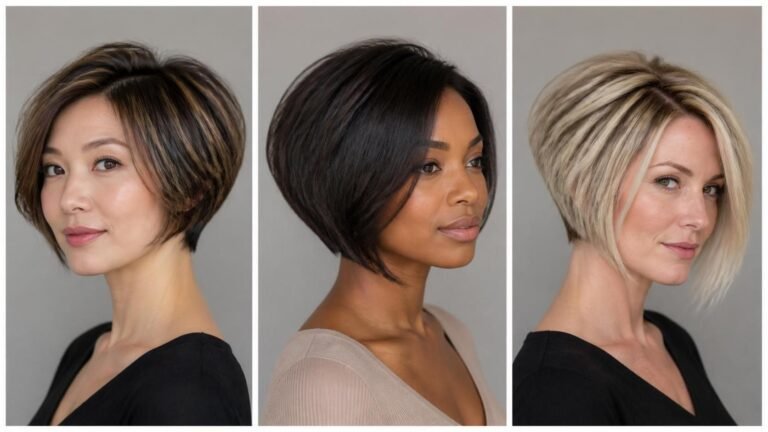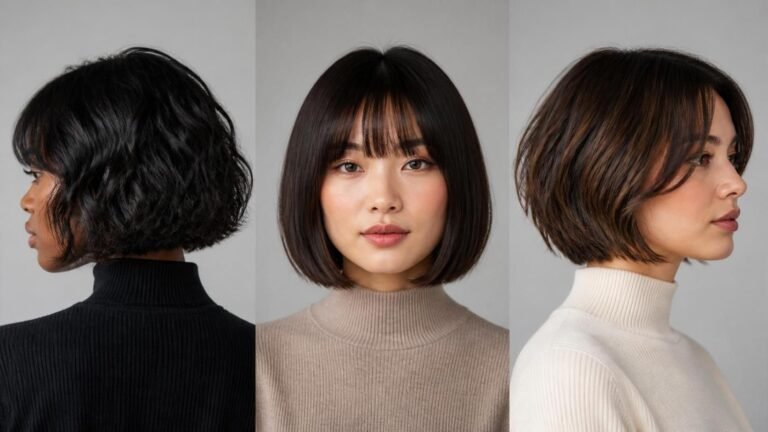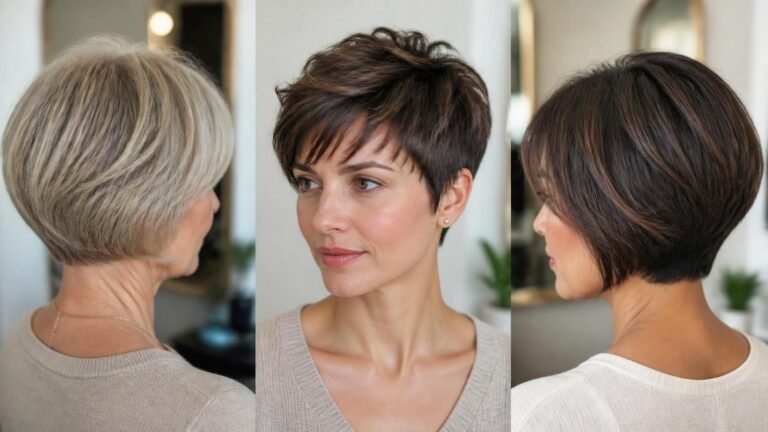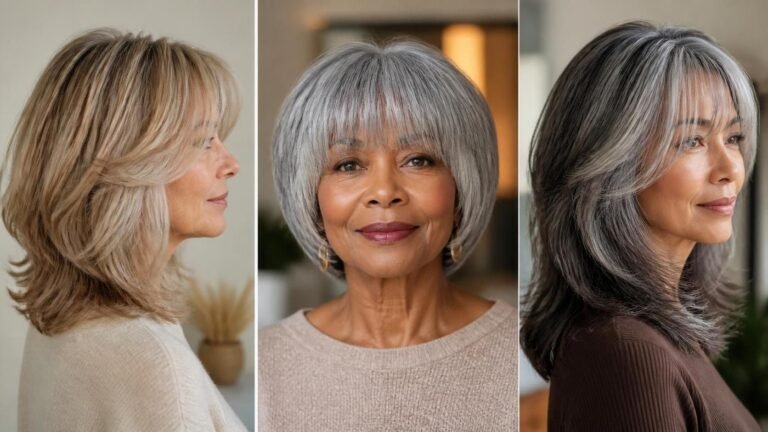
28 Winter Highlights for Brown Hair That Add Warmth, Depth, and Glow
Winter is actually one of the best times to refresh brown hair with highlights. The lower light, the darker clothing, and the shift in season all create the perfect backdrop for color that adds richness and dimension without needing to go dramatically bright.
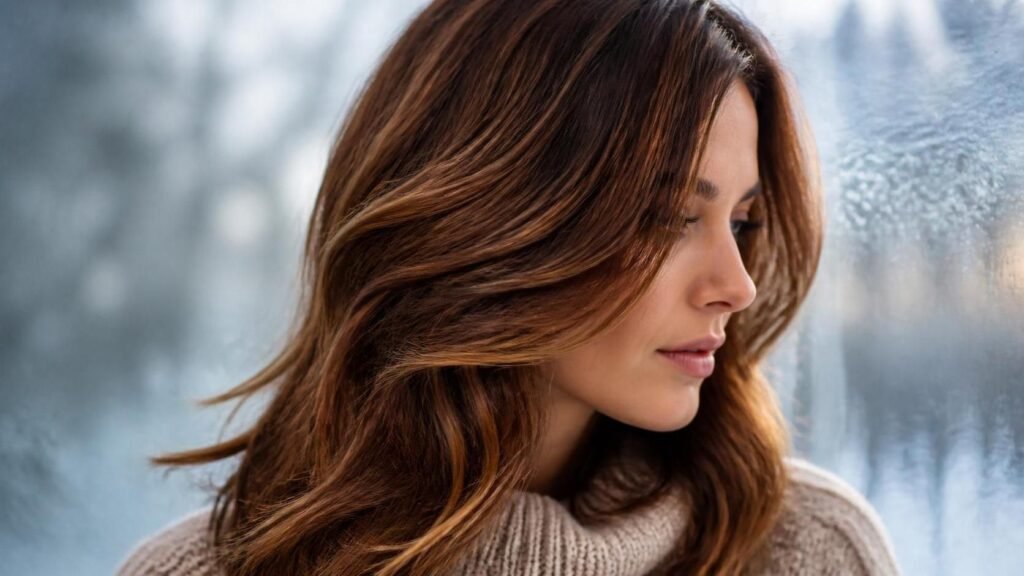
The good news is that a subtle approach works beautifully here. Fine ribbons, a gentle face frame, or a soft balayage melt can transform the way brown hair looks in indoor lighting — instantly fuller, glossier, and more alive.
This collection covers both ends of the spectrum. Warm tones like caramel, toffee, and cinnamon bring a cozy, glowing quality that suits winter perfectly. Cooler options like smoky ash and mushroom brown offer a more modern, muted dimension for those who prefer to stay away from gold and honey.
The real key to any highlight looking expensive is placement, not just shade. Where the color sits on the hair shaft changes everything.
Below are 28 winter highlight ideas for brown hair, chosen for their warmth, dimension, and genuine wearability through the colder months.
1. Soft Cappuccino Balayage Lob
A cappuccino balayage sits beautifully between warm and neutral — creamy enough to add brightness but never tipping into gold or yellow territory. On a lob, the color has just enough length to show off its gradient from a rich brunette base to lighter ends.
The blend is deliberately smooth and gradual. The regrowth is virtually invisible, which is one of the best arguments for this tone during a season when salon visits tend to space out.
Ask for the cappuccino tone rather than caramel: Cappuccino reads cooler and creamier than caramel, sitting in the beige-blonde family rather than the warm-gold one.
A beige gloss between appointments keeps it fresh: A toning gloss applied every six to eight weeks preserves the creamy character and prevents any drift toward brass.
Focus placement through the front and ends: Cappuccino highlights through the face-framing sections and ends brighten the overall look without making the crown feel too light or over-processed.
Lobs show this color off especially well: The collarbone-grazing length gives the balayage gradient enough room to develop fully from root to tip.
2. Caramel Ribbon Blowout with Curtain Bangs
This combination of a bouncy blowout, curtain bangs, and caramel ribbons on a chocolate base is one of the most flattering winter looks available. The caramel highlights bring warmth without overpowering the deep chocolate foundation, and the curtain bangs frame the face in a way that makes the color around the hairline particularly visible.
The blowout finish is what makes the caramel ribbons truly shine. Smooth, voluminous hair catches light evenly across each highlighted section, showing off the tonal contrast at its most polished.
Keep caramel ribbons high enough to avoid striping: Highlights that start closer to the mid-shaft rather than the root blend more naturally and prevent the streaky look that dates a blowout.
A round brush is essential for this finish: Blow-drying with a large round brush adds the lift and curve that makes caramel ribbons on a chocolate base look truly luxurious.
Ask for lighter pieces specifically around the curtain bangs: Brighter caramel at the front sections amplifies the face-framing effect of curtain bangs and adds a lit-from-within quality.
Light mousse through the lengths before blow-drying: A small amount of volumizing mousse through damp hair gives the blowout body and helps the highlighted sections hold their shape throughout the day.
3. Cozy Toffee Highlights on Cocoa Brown
Toffee and cocoa brown is one of the most naturally beautiful color pairings of the winter season. The toffee tone sits in that warm, amber-adjacent family that adds instant richness to a cocoa base — it reads as glowing and dimensional even in the flattest indoor light.
The placement through the mid-lengths and front layers is what makes this look feel cozy rather than obvious. It is a color that people notice without quite being able to identify what makes the hair look so good.
Toffee works best on a true medium-brown base: On very dark or very light brown bases, toffee can look too similar or too contrasting — a cocoa brown is the ideal partner.
Concentrate placement through the front layers: Toffee pieces through the top layer and face-framing sections create the most visible warmth without requiring highlights through the entire head.
Add a clear gloss if ends feel dry in winter: A clear gloss applied over the whole head adds moisture and shine while keeping the toffee tone vibrant rather than faded.
Trim the ends every eight weeks during winter: Dry winter air takes a toll on color-treated ends — a small trim keeps the toffee tips looking healthy and prevents splitting.
4. Cool Ash Blonde Balayage Bob
A cool ash blonde balayage on a wavy bob is the sharp, modern counterpart to all the warm toffee and caramel options. The ash tone is deliberately de-saturated — not icy or platinum, but a calm, sophisticated grey-blonde that gives brunette hair a crisp, contemporary edge.
The highlights are concentrated on the surface layers, keeping the inner sections of the bob deeper and richer. This creates a multi-dimensional quality that looks complex but requires only one color appointment.
Purple shampoo once weekly maintains the ash tone: Without regular toning, ash balayage on brown hair can shift warm — once-weekly purple shampoo keeps the cool quality intact.
Surface-only placement preserves inner depth: Asking your colorist to keep the highlights on the outer layers rather than underneath gives the bob maximum dimension without over-lightening.
A fitted bob shape shows ash balayage at its sharpest: Wavy or slightly textured bob styling lets the cooler highlighted surface and deeper inner sections separate visually, maximizing the dimensional effect.
Request a grey-ash toner rather than a yellow-blonde one: The toner choice is what determines whether the result reads as cool and sophisticated or warm and brassy — be specific about wanting a grey-ash finish.
5. Copper Kissed Highlights on Curly Brunette
Fine copper highlights scattered through tight brunette curls create one of the most naturally beautiful effects in hair coloring. The randomness of the placement — mimicking the way natural sunlight would have touched the hair — gives the result an organic quality that looks entirely unforced.
The copper tone has just enough warmth to pop against the deep brown base without looking too red or too yellow. It lands in a rich, spiced territory that suits winter dressing especially well.
Scatter highlights randomly rather than in sections: Asking for freehand placement rather than structured sections creates the natural, unselfconscious quality that makes copper on curls look so beautiful.
Use a leave-in conditioner to keep curls defined: Color-treated curls benefit enormously from daily moisture — a leave-in conditioner maintains definition and shows off the copper placement more clearly.
A small amount of lightweight gel sets the curl pattern: A light gel scrunched through damp, conditioned curls defines each coil and ensures the copper highlights catch light as the curls move.
Copper reads differently in various lights: One of the best things about this shade is that it shifts from subtle in dim indoor light to vibrantly warm in natural sunlight — make sure to show your colorist an example of the specific copper tone you want.
6. Golden Caramel Street Style Balayage
There is a casual, editorial energy to golden caramel balayage worn on loosely styled waves. The color starts at mid-shaft and melts progressively brighter toward the ends, creating a lived-in gradient that looks like the result of a long, well-lit summer stretching into winter.
The darker root is the low-maintenance anchor of this look. It means appointments can stretch without the style losing its integrity, which makes it particularly appealing as a winter color choice.
Start the balayage at the mid-shaft, not the root: Beginning the color lower on the hair keeps the root natural and eliminates the need for frequent root touch-ups between appointments.
A soft curl wand pass brings ribbons forward: Loose waves styled with a large-barrel wand naturally separate the golden pieces from the darker base and show the gradient most beautifully.
Golden caramel suits warm and neutral skin tones best: The warm-gold family is particularly flattering on golden, olive, and warm-toned complexions — if your skin is cool-toned, consider a beige-caramel instead.
Request the lightest pieces through the ends: Concentrating the brightest golden caramel through the lower sections and tips creates the most seamless gradient and the softest grow-out.
7. Espresso Brown with Cinnamon Face Frame
An espresso brown base is deeply rich and incredibly flattering, but without any variation it can occasionally feel flat in low winter light. Fine cinnamon highlights placed specifically around the face solve this immediately — they create warmth and brightness exactly where they have the most visual impact.
The micro-highlight effect along the hairline gives the skin a lit quality that works beautifully even with minimal makeup, which is often exactly what the colder months call for.
Ask specifically for micro-highlights at the hairline: Tiny, fine highlights directly around the hairline create a natural-looking glow that larger sections cannot replicate.
Keep cinnamon warm rather than red: True cinnamon sits in a warm amber-brown family — asking for something too red or too copper will pull the look in a different direction than the soft, spiced warmth this style is known for.
Espresso base benefits from a shine gloss: A clear gloss over a dark espresso base deepens the color and adds a reflective richness that makes the cinnamon highlights look even more luminous against it.
This combination works beautifully across all skin tones: Cinnamon on espresso is one of the most universally flattering highlight combinations — the warm-dark contrast suits cool, warm, and neutral complexions equally.
8. Glossy Chestnut Highlights on Soft Waves
Chestnut highlights occupy a gorgeous middle ground between warm and neutral — slightly reddish-brown, rich without being loud, and incredibly glossy when finished with the right toner. On soft waves, they emerge and disappear with each curl, creating a subtle, textured depth.
The base in this look stays deep and dark, which gives the chestnut pieces room to appear without dominating. The overall effect reads as naturally dimensional — the kind of color that makes people think the hair just looks particularly healthy.
Request a chestnut gloss to finish: A chestnut-tinted gloss over the entire head after the highlights are applied deepens the tone and adds an extraordinary surface shine.
Soft waves show chestnut highlights at their best: The slight wave movement continuously reveals different highlighted sections, creating a living, dimensional effect that straight hair cannot replicate in the same way.
A lightweight hair oil on the ends maximizes the gloss effect: Two drops of a lightweight oil through the mid-lengths and ends after styling makes chestnut highlights look genuinely glass-like in their reflectivity.
Chestnut suits medium to dark brown bases best: On very light brown bases, chestnut can read as simply adding red — the richest result comes from a medium or deeper brunette starting point.
9. Subtle Warm Ribbons on Brunette Waves
This is the kind of highlight that makes people ask if you did something different without being able to pinpoint what it was. Fine, warm-toned ribbons scattered through brunette waves add movement and luminosity without creating obvious contrast or requiring much maintenance.
It is a deliberate exercise in restraint — fewer, finer highlights that feel like a natural variation in the hair’s tone rather than an applied color. The waves keep everything beautifully diffused.
Choose fine ribbons over chunky sections: The subtlety that makes this look work depends entirely on thin, freehand placement — thicker sections would create the obvious contrast this style specifically avoids.
Warm ribbons through the crown add the most movement: Placing the warmest, brightest ribbons through the top sections means they catch light with every head movement and create the most noticeable but natural-looking effect.
This look grows out virtually invisibly: Because the highlights are fine and blended, regrowth lines never appear — this is one of the most genuinely low-maintenance highlight options available.
Waves do the blending work: The natural texture of waves softens and diffuses the highlight placement, which is why this look appears even more subtle and natural on wavy hair than on straight.
10. Honey Caramel Dimension Bob
A chin-length bob with honey and caramel highlights is a lesson in how color can replace volume. The highlights add visual depth and movement to the cut, making it appear layered and dimensional even if the actual cut is blunt and one-length.
The key is in how fine the color pieces are. Sliced, thin highlights rather than chunky sections maintain the clean geometry of the bob while adding just enough variation to make the color look genuinely rich.
Request sliced, fine highlights rather than foil panels: Slicing creates thinner, more natural-looking pieces that complement the precision of a bob rather than competing with its clean lines.
Blow-dry with a slight bend at the ends: A small inward or outward bend at the tips of the bob using a round brush or flat iron reveals each highlighted section against the darker base beautifully.
Honey and caramel together create more depth than one alone: Using two tones — a lighter honey and a mid-level caramel — in the same application adds real complexity that a single shade cannot achieve.
This look suits both warm and neutral skin tones: The honey-caramel family is warm but not aggressively golden, sitting in a range that flatters the majority of skin tones naturally.
11. Face Framing Caramel Highlights
Face framing highlights are one of the smartest and most targeted highlight investments available. Rather than coloring the entire head, the investment is concentrated exactly where highlights have the most visual impact — around the face, brightening the complexion and drawing attention to the eyes.
The caramel pieces begin close to the root near the front hairline and melt into softer color toward the ends. This placement creates the most natural-looking result and the most flattering frame around the face.
Start caramel face framing closer to the root at the hairline: Beginning the highlight higher on the hair shaft around the face creates a brighter, more impactful frame than starting too low.
Melt the color into softer ends rather than maintaining consistent brightness: A gradual lightening from root to end looks more natural and grows out more gracefully than a flat, even highlight throughout.
This works beautifully on any length: Whether the hair is short, medium, or long, face framing caramel highlights have the same brightening and lifting effect — length does not change the result.
Loose waves bring face framing highlights to their full potential: Lived-in, loosely waved styling parts the hair naturally around the face and shows off the caramel framing at its most flattering angle.
12. Soft Amber Ribbons on Deep Brown
Amber highlights on a deep brown base sit in a warm, richly spiced family that is deeply suited to winter. The tone is deeper than caramel and more orange-adjacent than toffee — it has a jewel-like quality that catches light in a distinctive way and reads as genuinely luxurious.
The balanced placement through the mid-lengths without over-concentrating in the ends is what gives this look its polished, intentional quality. It looks considered rather than casually applied.
Amber works best when the base is genuinely deep: On a lighter or medium brown base, amber can read as too orange — a truly deep brunette foundation makes the amber ribbons appear rich rather than brash.
Keep placement balanced across the whole length: Distributing the amber evenly from mid-shaft through the ends prevents the tips from looking over-lightened while the mid-lengths remain dark.
A warm-toned gloss seals the amber richness: After the highlights are applied, a golden or amber-tinted gloss over the whole head enhances the tone and adds a deep, luminous shine.
This shade photographs beautifully in natural winter light: The jewel-toned quality of amber on deep brown is particularly striking in the soft, diffused natural light of the colder months.
13. Chocolate Length with Toasty Highlights
Long chocolate brown hair with toasty, warm-toned highlights is a combination that photographs beautifully and looks genuinely premium in person. The highlights are spaced with deliberate breathing room between them — enough to add sparkle and movement without tipping into a heavily streaked look.
Toasty tones sit in a warm, lightly golden-brown family — less yellow than honey, less deep than toffee. They add brightness without pulling the entire color palette too light.
Space highlights generously rather than packing them in: Leaving the natural dark base clearly visible between each toasty piece maintains the richness and prevents the color from reading as over-highlighted or faded.
Soft mid-length bends show this combination beautifully: Styling with a light bend through the mid-lengths rather than curling all the way through keeps the long hair looking natural while revealing the color gradient.
Long hair benefits from a bond builder during highlighting: Extended lightening time on long lengths means more processing — a bond protector like Olaplex added to the bleach mixture significantly reduces damage.
A weekly deep conditioning mask is non-negotiable on highlighted long hair: The combination of length and color processing means moisture maintenance is the single most important element of keeping this look looking premium.
14. Smoky Ash Brunette for Winter
Smoky ash brunette highlights are the cool-toned winter choice for anyone who wants dimension without warmth. The highlights are slightly greyed rather than purely blonde — they add variation and movement to the base without pushing toward a golden or honey family.
The effect in winter light is particularly striking. The muted, slightly silvered quality of ash highlights against a brunette base creates a sophisticated, editorial finish that reads as genuinely modern.
Blue shampoo once weekly maintains the smoky ash quality: Ash tones are vulnerable to warming up over time — a weekly blue shampoo targeted specifically at brunette color preserves the cool, smoky character.
Request a grey-ash toner rather than a standard neutral: The smoky quality comes from a specifically grey-leaning toner — a standard blonde toner will give a warmer result that loses the smoky character quickly.
A shine gloss every six weeks keeps the ash looking intentional: Ash highlights can start to look dull before they look warm — a regular clear or cool-tinted gloss maintains the luminosity that makes this shade worth having.
Smoky ash suits cool and neutral skin tones most naturally: For warm skin tones, a slightly warmer ash or a beige-ash tone is often more flattering than a purely grey-toned ash highlight.
15. Bold Money Piece Glow
A bold money piece is the most face-transforming highlight option in this list. The concentrated brightness directly at the front hairline and beside the face creates an instant lifting effect that makes the whole complexion look brighter — even on a grey winter morning.
The warm beige tone of this particular money piece keeps it from reading as stark or high-contrast. It brightens without shocking, which makes it genuinely wearable rather than purely editorial.
Ask for a soft root smudge at the money piece base: A smudge of the brunette base color blurred into the bottom of the money piece eliminates the harsh line where the highlight starts and creates a much more natural grow-out.
Warm beige suits the widest range of skin tones: A beige-toned money piece rather than a platinum or golden one flatters both cool and warm complexions, making it a versatile choice for most people.
Keep the money piece well-toned throughout winter: The front placement means the money piece is the most visible section when color shifts warm — toning every six to eight weeks keeps it at its most flattering brightness.
The boldness can be calibrated: The width of the money piece determines how dramatic the effect is — a narrower piece reads as face framing, while a wider one creates a more striking, high-fashion result.
16. Mushroom Brown Babylights Blend
Mushroom brown babylights are one of the most sophisticated and underappreciated highlight options available. The tone sits in a cool, grey-beige family — creamy and muted, with enough variation to add genuine depth without any warmth or brassiness.
The babylight technique uses the finest possible highlight sections, creating a result that looks like the natural variation of healthy, multi-tonal hair rather than an applied color. In winter’s cooler, softer light, this reads as effortlessly beautiful.
Specify mushroom or greige rather than beige or taupe: Mushroom sits specifically in the cool grey-beige family — a beige or taupe toner can push warmer, while greige and mushroom stay reliably cool-neutral.
The finer the highlights, the more natural the result: Babylights are most effective when they are as fine as possible — thicker sections start to look like traditional foil highlights and lose the natural blended effect.
A cool-neutral gloss after babylights merges everything together: A toning gloss applied over mushroom babylights after the session brings all the fine pieces into a cohesive, seamless result rather than individual strands.
Mushroom brunette is one of the best low-maintenance options available: The cool-neutral tone sits close enough to most natural brown bases that grow-out is almost undetectable — appointments can stretch to four or five months comfortably.
17. Neutral Balayage with Soft Waves
A neutral balayage occupies the most versatile position in the color spectrum — neither warm nor cool, it complements every skin tone and suits every season. On soft waves, the seamless gradient from root to end looks so natural that people genuinely assume it might just be the hair’s own tonal variation.
The key characteristic of neutral balayage is its refusal to commit in any direction. It does not pull golden, it does not pull ashy — it simply adds brightness and dimension in the most universally flattering way possible.
Request a true neutral toner rather than a slightly warm or cool one: The neutral quality depends entirely on toner selection — ask specifically for a neutral or beige-neutral toner rather than letting your colorist default to their preferred tone.
Soft waves are the ideal styling choice for neutral balayage: The gentle wave pattern allows the gradual tonal shift to reveal itself naturally without any additional styling effort, making this one of the most effortless-looking color combinations.
A lightweight curl cream through damp hair before air-drying: A small amount of curl cream scrunched through the mid-lengths enhances the wave’s natural movement and prevents the ends from frizzing as they air-dry.
This is the right choice if you change your mind often: Neutral balayage is the easiest base to take in either a warmer or cooler direction at a future appointment — it commits to nothing and opens every option.
18. Warm Cinnamon Shine on Shoulder Length
Shoulder-length brown hair with cinnamon-toned highlights through the top layer is a winter look that adds visual volume as much as color. The placement specifically through the surface creates movement and separation that makes the hair appear thicker and more substantial.
Cinnamon sits in that perfect sweet spot between amber and caramel — warm enough to glow, spiced enough to feel seasonal, and rich enough to maintain depth without going too light.
Place cinnamon highlights through the top layer specifically: Surface-layer placement is the most effective position for adding volume and movement to shoulder-length hair that needs both.
Ask for brighter cinnamon pieces near the face if you air dry often: Air-dried hair naturally falls flatter at the front — having slightly brighter highlights near the face ensures the color reads clearly even without blow-dry volume.
Cinnamon suits warm and neutral undertones beautifully: The spiced, amber-adjacent quality of true cinnamon works most naturally on golden, peachy, or neutral skin tones.
A lightweight shine spray finishes this look perfectly: A few spritzes of a shine spray through dry, shoulder-length cinnamon-highlighted hair makes the warm tones look glossy and vibrant rather than matte and faded.
19. Sleek Straight with Subtle Dimension
Straight, sleek hair is the most rigorous test of a highlight’s quality because there is nowhere to hide. Every ribbon of color is fully visible from root to tip, which means both the placement and the tone need to be genuinely well-considered.
The reward for that precision is a finish that looks incredibly polished. Subtle dimension through the base of straight brown hair — lighter pieces peering through around the face and ends — creates a crisp, deliberate quality that waves and curls can only approximate.
Fine highlights are more important here than anywhere else: On straight hair, thick sections look blocky and artificial — only fine, precisely placed highlights read as dimensional rather than highlighted in the traditional sense.
Heat protectant before every flat iron pass is essential: Highlighted straight hair that is regularly flat-ironed without protection fades and damages faster than almost any other styling routine — protection is non-negotiable.
A shine spray on the surface completes the sleek finish: Running a shine spray over the top layer of straight hair after styling makes every highlighted ribbon reflective and polished, elevating the finish from simply straight to genuinely luxurious.
A glass serum on the ends prevents dryness in winter air: The ends of straight highlighted hair are the most vulnerable to dryness in cold weather — a light glass serum on the tips keeps them smooth and sealed throughout the day.
20. Cool Smoky Ash Highlights with Volume
Volume and smoky ash highlights together create a combination that is particularly well-suited to winter. The lifted crown creates softness and dimension in the shape, while the cool-toned highlights add a crisp, modern character that stands out against the grey quality of winter light.
The cool tone is also a practical choice. In winter, overheated indoor environments and dry air can accelerate brassiness in warm tones — cool ash highlights are inherently more resistant to this shift.
Request a toner refresh every six to eight weeks: Cool ash highlights need toner maintenance more regularly than warm ones — scheduling a quick gloss between full highlight appointments keeps the tone consistent.
Soft volume at the crown shows ash highlights at their best: A voluminous blow-dry through the root area separates highlighted sections and creates the multi-dimensional effect that makes this combination genuinely striking.
Ash on brunette works best when the base has cool-neutral undertones: If your natural brown pulls warm, discuss this with your colorist — they may recommend a cool-toned base gloss before adding ash highlights to keep everything tonally compatible.
Blue shampoo rather than purple preserves brunette ash best: For brown hair with cool highlights, a blue-tinted shampoo is more targeted than purple and does a better job of maintaining the smoky ash quality without over-toning the base.
21. Smoky Ash Brunette Highlights
This version of smoky ash brunette highlights leans into the cleanest, most refined version of the cool-toned look. The highlights are soft and fully blended rather than defined or obvious — they add tonal variation and dimension without drawing attention to themselves as separate sections.
In winter light specifically, this reads as a cool, luminous version of brown hair rather than obviously highlighted hair. That quiet sophistication is exactly what makes it so compelling.
Blended edges matter more than tone selection here: The seamless quality of this look depends on how the highlights are applied — feathered, blended edges create the smooth, seamless result while defined sections create contrast.
An ash toner applied to the full head unifies the look: After the highlights, toning the entire head with a cool ash toner blurs the line between highlighted and natural sections, creating a single cohesive cool-brunette result.
This look ages extremely well between appointments: Because the highlights are soft and fully blended, the grow-out phase looks intentional rather than neglected — appointments can stretch comfortably.
If your hair pulls warm fast, add a cool gloss at home: A cool brunette or ash toning conditioner used once weekly at home between salon visits is the most effective way to maintain the smoky quality without additional appointments.
22. Smooth Loose Waves with Golden Blend
Long, smooth, loosely waved hair with a golden blend is one of the most classically beautiful winter looks available. The golden highlights bring warmth and luminosity to the base without pushing the overall color too light — they add glow rather than brightness.
The strength of the placement is through the mid-lengths and ends, where the waves naturally separate and catch light. This keeps the root clean and dark while the movement of the wave reveals the golden dimension progressively down the length.
Ask for golden rather than honey to stay in a richer territory: Golden sits slightly deeper than honey and reads as more sophisticated — it brings warmth without the sweetness that honey tones can sometimes carry.
A large-barrel iron creates the perfect wave for this color: Large, loose waves styled with a one-and-a-half inch barrel create the smooth, open-coiled texture that shows the golden blend at its most flattering.
Brush out waves gently after styling for maximum volume: Running a natural bristle brush lightly through styled waves separates them softly and distributes the golden pieces across a wider area, maximizing the visual impact of the highlights.
Golden highlights in this placement look incredible in natural winter light: The golden-warm tone against a dark brunette base in diffused natural light creates a genuinely luminous effect that no other tone achieves quite as well.
23. Soft Waves with Natural Ribboning
Natural ribboning is the technique of placing highlights in a way that precisely mimics how sunlight would naturally have lightened the hair — focused on the sections that sit at the top and catch the most direct light. The result is so organic that it reads as the hair’s natural tonal variation rather than a color treatment.
The fine ribbons are best appreciated through soft waves, which diffuse and blend the lighter pieces into the base in a way that maximizes the natural-looking quality.
Ask for random, freehand placement rather than structured sections: Natural ribboning works because of its irregularity — perfectly spaced, symmetrical sections remove the organic quality that makes this look so believable.
The ribbons should be barely brighter than the base: The most natural-looking version of this technique uses highlights that are only two to three levels lighter than the base — too much lift creates contrast rather than natural variation.
Waves are more important here than any styling choice: The wave pattern is what makes the fine ribbons blend and emerge naturally — this look does not translate as convincingly on straight or heavily curled hair.
This is the ideal first-time highlight option: For anyone nervous about their first color appointment, natural ribboning offers the most gradual, reversible, and genuinely natural-looking result possible.
24. Soft Waves with Balanced Dimension
Balanced dimension means that no single section of the hair is dramatically lighter than another — the highlights are distributed evenly and with consistent weight across the whole head. The result is hair that reads as richly multi-tonal rather than highlighted in the traditional sense.
The base remains deep and present throughout, while the lighter pieces peek through at the face and ends, creating a finish that looks both healthy and well-considered.
Distribute highlights evenly from front to back: Balanced dimension requires consistent placement — ask your colorist to avoid over-concentrating highlights in the front sections at the expense of the back.
Keep a heat protectant on hand for winter styling: Soft waves on balanced highlighted hair look best when styled with a tool, but cold-weather hair is already drier than usual — consistent heat protection prevents the highlights from degrading.
A light hold spray over finished waves preserves the style: A flexible hold spray through completed waves keeps them looking smooth and separated in dry winter air without stiffening the texture.
This is the right choice if you prefer highlights that grow out invisibly: Balanced, even placement means no section is dramatically lighter than its neighbor — regrowth blends into the existing color almost seamlessly.
25. Toffee Highlights on Deep Brunette
Toffee highlights on a deep brunette base create one of the richest, most glossy color combinations of the season. The toffee tone has a deeper, more amber quality than caramel — it sits closer to the base shade in terms of depth, which means the contrast is flattering rather than stark.
The placement focusing on the front sections and ends is what keeps this look flattering rather than heavy. The lightest toffee pieces are where they have the most visual impact without needing to be everywhere.
Toffee reads differently than caramel — clarify with your colorist: Both are warm and brown-adjacent, but toffee sits deeper and more amber-toned than caramel — bringing a reference image prevents miscommunication at the salon.
Deep brunette bases make toffee look especially luxurious: The richer and darker the base, the more the toffee pieces stand out as genuinely dimensional rather than simply lighter.
This combination photographs beautifully in all lighting: Unlike very light highlights that can look washed out in some lights, toffee on deep brown reads as warm and rich in everything from indoor artificial light to overcast natural light.
Toffee highlights complement neutral and warm makeup palettes perfectly: The warm amber-brown of toffee works especially well with bronzed, peachy, and neutral-warm makeup looks that are typical of winter dressing.
26. Winter Glow Brunette Balayage
Winter glow balayage is designed specifically to perform in the lower, softer light of the colder season. Golden pieces through the front sections and crown create a targeted brightness that makes the face look lit and radiant even when natural light is at its most minimal.
The brown base stays soft and present rather than being heavily lightened, which is what gives this look its warmth and depth. The golden pieces are the accent, not the dominant feature.
Focus golden pieces specifically through the crown and face: Crown and face-adjacent placement creates the most visible brightness and the most flattering lifted effect on the complexion.
Ask for a root melt to ensure seamless grow-out: A root melt blurs the boundary between the natural base and the beginning of the golden pieces, which means regrowth looks intentional rather than obvious for months.
Golden balayage in winter works best with a warm toner: A golden or amber-tinted toner on the highlighted sections enhances the glow quality and prevents the highlights from shifting toward a more neutral or ashy tone.
This look suits everyone who wants brightness without drama: Winter glow balayage offers the most flattering brightness-to-subtlety ratio — enough to genuinely transform the look without committing to heavily lightened hair.
27. Winter Toned Color with Cool Beige Highlights
Cool beige highlights over a winter-toned brunette base are one of the most quietly sophisticated color combinations in this collection. The cool beige tone sits in a grey-blonde family — lighter than the base but never warm, never brassy, never drawing too much attention to itself.
The result is a polished, smoky finish that looks considered and deliberate without appearing as though significant color work has been done. In winter’s diffused light, this reads as genuinely expensive.
Request fine highlights over chunky sections here: The polished, seamless quality of cool beige on brunette depends on thin, precise color placement — thick sections create the contrast this look specifically avoids.
A neutral toner rather than a warm or cool extreme works best: Cool beige lives in the neutral family — a strictly warm or cool toner pushes it out of its most flattering character into either caramel or ash territory.
This is genuinely one of the lowest-maintenance options available: Cool beige on a winter-toned brunette is tonally close enough to the base that regrowth is barely visible — appointments can stretch to five or six months without the style looking neglected.
Pair with a blue-tinted shampoo once weekly: Even though cool beige is not a dramatically light tone, the occasional blue shampoo prevents any brass from building up in the highlighted sections over extended periods.
28. Mid Length Dark Brown with Soft Caramel Lights
Dark brown mid-length hair with fine, softly woven caramel lights is the most approachable and universally flattering entry point into winter highlights. The caramel is applied finely enough to blend naturally into the dark base, creating movement and warmth without any obvious contrast or visible line of demarcation.
The combination of dark base and fine caramel movement looks particularly rich on mid-length hair, where the waves can fully reveal the dimensional interplay between the two tones.
Keep caramel lights fine and well-spaced: Fine placement with visible dark base between each piece is what keeps this look natural and polished rather than obviously highlighted.
A warm caramel gloss every six weeks preserves the richness: A caramel-tinted gloss applied between highlight appointments keeps the tone warm and prevents the highlights from fading toward a dull, golden-blonde.
Mid-length styling with a light bend shows caramel lights at their best: A soft bend through the mid-lengths on a smooth blow-dry reveals the caramel pieces progressively through the length and maximizes the dimensional effect.
This is the ideal starting point for first-time highlights: Fine caramel lights on dark brown are subtle enough for anyone nervous about their first color appointment and stunning enough to make a real difference from the very first session.
Frequently Asked Questions
How do I choose between warm and cool winter highlights for brown hair? The decision usually comes down to skin tone and personal preference. Warm tones like caramel, toffee, and cinnamon are flattering on golden, peachy, and warm-neutral complexions — they add a richness that feels cozy and seasonal. Cool tones like smoky ash, mushroom, and cool beige suit cool and neutral undertones and provide a more modern, muted effect. If your hair pulls brassy quickly, a cooler tone with a neutral-ash toner will stay truer for longer between appointments.
What highlights grow out the most gracefully on brown hair? Balayage and babylights both grow out significantly more gracefully than traditional foil highlights because they start lower on the hair shaft and blend gradually rather than starting at the root. Adding a root melt or root smudge — a small amount of the base color blurred into the beginning of the highlight — further softens the regrowth line and can extend the time between appointments to four to six months comfortably.
How do I prevent winter highlights from looking dull or dry? Winter air is particularly drying for color-treated hair, and the combined effects of central heating, cold outdoor air, and hat wearing can accelerate color fading. A sulfate-free shampoo, a weekly deep conditioning mask, and consistent heat protectant use before any styling tool are the foundations of winter color maintenance. For cool highlights, a weekly purple or blue shampoo keeps brassiness at bay. A clear or tinted gloss every six to eight weeks restores shine and refreshes the tone without a full highlight appointment.
Can I get highlights on brown hair that need almost no maintenance? Yes — the most low-maintenance options in this list are mushroom brown babylights, neutral balayage, cool beige highlights, and the fine natural ribboning style. All of these combine a blended technique with a tone that sits close to the natural base, meaning regrowth is nearly invisible and appointments can be stretched significantly. A toning gloss in between visits is usually all that is needed to keep these looks looking intentional.
What should I tell my colorist to get the exact look I want? Bring reference images — ideally two or three that show the root depth, midlength placement, and end tone you prefer separately. Then describe the three things you want: how dark the root should stay, where the highlights should begin on the hair shaft, and what the overall tone should be (warm, cool, or neutral). Being specific about what you do not want is equally helpful — if you have had bad experiences with brassiness or stripe-like results, say so clearly.
Is it worth getting highlights specifically for winter rather than waiting for spring? Absolutely. Winter color works differently than summer color because the reduced natural light means subtler tones have more impact rather than less. Warm highlights that would look ordinary in summer appear genuinely glowing against the backdrop of darker winter clothing and softer lighting. Cool and smoky tones look especially refined in winter’s low, diffused light. It is one of the best seasons to invest in a color refresh precisely because the environment makes subtle dimension look its most beautiful.
The Science of Winter Hair Color: Why the Season Changes Everything
Hair color does not exist in isolation — it is always being read in the context of the light around it, the clothes worn beside it, and the skin tone it frames. Winter fundamentally changes all three of those variables, which is exactly why color that looks beautiful in this season sometimes needs reconsidering for summer and vice versa.
In winter, natural daylight is softer and more diffused. This means subtle tonal variations — fine babylights, gentle balayage, barely-there ribbons — show up more clearly rather than less. The low contrast light reveals dimension rather than flattening it, which is counterintuitive but makes winter one of the best seasons for investing in nuanced color work rather than bold transformation.
Dark winter clothing also plays a role. The deep navy, forest green, charcoal, and burgundy tones typical of a winter wardrobe create a dramatic backdrop against which warm-toned highlights on brown hair look particularly luminous. The contrast between dark fabric at the collar and warm caramel or toffee highlights at the face is a combination that consistently reads as polished and intentional.
Wrapped in Color
Winter hair color does not need to be dramatic to be worth doing. The best results in this season are often the most considered — a few well-placed ribbons, the right toner, and a maintenance routine that keeps everything looking alive through the colder months.
Start with the look that caught your eye first in this list. That instinctive pull toward a specific tone or placement style is usually the right signal — it is the version that suits your personality and your hair simultaneously.
Bring it to your stylist and describe not just what you like about the color but where specifically the brightness sits and what tone the highlights appear to be. Two minutes of specific conversation saves an hour of correction.
The best winter hair color is the kind that makes you feel good every morning when the light is grey outside and the coat comes on. That warmth — real or cool, subtle or bold — is entirely worth having.