20 Hairstyle Ideas for Long Layered Hair That Add Volume, Shape, and Real-Life Style
Long layered hair is one of those cuts that works quietly in the background — it keeps your length while giving the shape something to hold onto. The whole game comes down to where those layers are placed. Higher layers create lift and bounce at the crown. Lower layers keep the ends looking thick and the overall silhouette more polished.
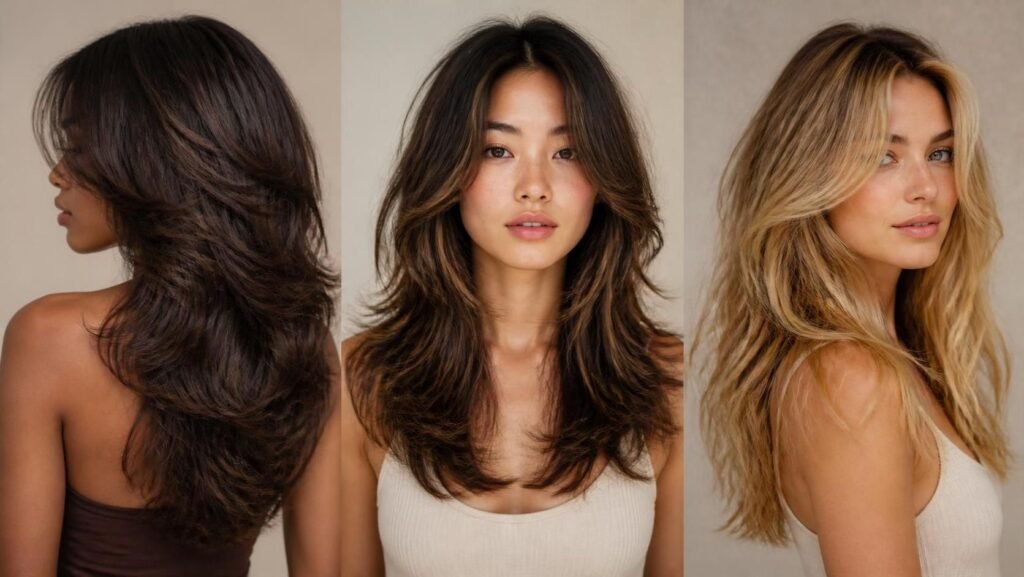
What makes long layers so versatile is how well they adapt to different styling habits. Whether you air-dry, do a quick blowout, or curl with a wand, the right layer placement makes every finish look more intentional. This roundup covers soft blends, strong face frames, bang options, and everything in between.
Before you take these to your next appointment, think about one thing: where do you want the shortest pieces to fall? Cheekbone length feels bold and defined. Chin length is softer and a little safer. Collarbone-length layers give you visible shape without making it feel like you lost much hair.
Pick the styles that match how you actually wear your hair on a regular day — not just on a good one.
Below are 20 hairstyle ideas for long layered hair, picked for shape, volume, and styles that genuinely work in real life.
1. Butterfly Layers for Soft Movement
Butterfly layers are named for the way the shorter pieces lift and spread around the mid-section like wings — it is one of the most flattering cuts for long hair right now. The shorter lengths wrap around the cheekbones while the longer layers underneath keep the ends looking full and healthy.
This cut is especially beautiful when styled with a round brush or large velcro rollers for that bouncy, airy finish. It suits most hair types and does not require daily heat to look good.
Ask your stylist for: Shorter interior layers starting around the cheekbone that blend gradually into longer lengths. Styling tip: A round brush rolled inward at the roots and outward at the ends gives the best butterfly shape. Hair type note: Works best on medium to thick hair — fine hair may need careful blending to avoid gaps. Maintenance: Trim every 8 to 10 weeks to keep the shorter layers from looking scraggly as they grow.
2. Ghost Layers for a Seamless Blend
Ghost layers are the option for women who want all the benefits of layering — lightness, movement, body — without any visible choppiness on the outside. The layers are cut inside the hair, leaving the surface looking clean and seamless.
This is a smart pick if your hair feels heavy or falls completely flat by midday. The interior shaping removes bulk and allows air to move through the hair without disturbing the outer silhouette.
Ask your stylist for: Internal layering only, keeping the perimeter line intact and smooth. Best for: Anyone who has avoided layers because they did not want obvious lines or choppy ends. Styling bonus: Ghost layers make blowouts feel easier because the hair is lighter and dries faster. Grow-out: Because the outside stays uncut, these layers grow out extremely gracefully with no awkward stage.
3. Korean-Inspired Long Layers
Korean-inspired layering focuses on a soft, face-hugging shape that feels polished without being stiff. The layers start gently around the chin and taper downward in a gradual, flowing blend that makes hair look almost glossy in its movement.
This is one of the most flattering options for straight or lightly wavy hair. It sits beautifully after a simple blowout and looks expensive with even minimal effort.
Ask your stylist for: Soft layers starting at the chin that blend gradually — avoid anything too choppy or heavily razored. Styling finish: A light shine serum on the ends after blowdrying makes this look immediately more polished. Part tip: A center part or slight side part both work — the cut is forgiving and versatile. Best for: Straight to lightly wavy hair that wants movement without losing a sleek, composed shape.
4. Layered Blowout With Flipped Ends
This is the cut that makes a salon-quality blowout achievable at home. The layers are shaped so the ends naturally want to flip outward when styled with a round brush, giving that classic, playful finish that reads polished without looking too serious.
The key is in the final inch of the blowout — turn the brush outward as you finish each section and the flip happens almost automatically. It looks modern, not retro, when paired with soft movement through the lengths.
Ask your stylist for: Layers that are shaped to encourage outward movement at the ends, not just blunt or inward. Round brush technique: Roll outward in the last inch of each section to create the flip naturally. Best for: Medium to long hair with a little natural weight — too-fine hair may not hold the flip. Day two: A quick curl wand pass on the ends refreshes the flip without redoing the whole style.
5. Long Feathered Layers
Feathered layers are a soft, forgiving option for women who want their long hair to feel lighter without any dramatic changes. The ends are tapered gently so the hair moves freely even on days you barely touch it.
This cut is especially good for hair that tends to look heavy and weighed down by the end of the day. The tapered finish lets the lengths swing and separate naturally.
Ask your stylist for: Light point-cutting or feathering through the ends — no heavy razoring or thinning shears. Movement benefit: Feathered ends separate and swing with very little styling effort or product. Trim schedule: Keep up with trims every 8 weeks — feathered ends can start to look stringy if they are left too long. Works on: Thick, medium, and coarse hair that needs weight removed without losing the overall length.
6. Long Layers With Light Side-Swept Bangs
Side-swept bangs add a gentle framing element at the front that gives long hair a little more personality and lift without requiring any real commitment. They blend easily into the layers and grow out so naturally that the in-between phase is barely noticeable.
This is a great choice for anyone who wants a small change without going anywhere near a full fringe. They are easy to pin back on days you do not want to deal with them.
Ask your stylist for: Light side-swept pieces that blend into the face frame — not a hard-cut separate bang. Styling tip: A quick blowdry with a small round brush sets the swoop direction and keeps it in place. Versatility: These bangs pin back completely on days you want a cleaner, pulled-back look. Grow-out: Side sweeps grow out more gracefully than any other bang style — minimal awkward stages.
7. Long Layers With Wispy Curtain Bangs
Curtain bangs are one of the most requested additions to long layered hair right now — and for good reason. They sit soft and parted at the center of the forehead, framing the face without covering it, and they blend seamlessly into the layers on either side.
Keep the bang pieces airy and wispy rather than thick and heavy. A dense curtain fringe weighs down the face, but a light one makes the whole look feel softer and more open.
Ask your stylist for: Wispy curtain pieces that start at the mid-forehead and blend out toward the temples. Styling tip: A small round brush used to blow the fringe outward from the center creates the perfect curtain shape. Bang weight: Request a lighter density — thick curtain bangs feel heavy and require more maintenance. Best paired with: A soft wave through the lengths, which makes curtain bangs look their most intentional.
8. Long Layers Designed for Straight Fine Hair
Fine, straight hair needs a specific kind of layering to look full rather than flat. The goal is spaced-out layers that add movement through the mid-lengths while keeping the ends looking as thick as possible.
Over-thinning fine hair with too many close layers or heavy shear work is the most common mistake — it makes the ends look wispy and sparse. The right approach is restrained and strategic.
Ask your stylist for: Spaced-out layers with blunt-ish ends — specifically request no thinning shears at the perimeter. Root volume: A root-lifting spray applied before blowdrying gives fine hair the crown lift it needs. Styling note: Blowdry from roots to ends rather than flipping the head — it builds more controlled volume. Length tip: Keep the length at or below the collarbone so the layers have enough distance to show their shape.
9. Long Layers With a Deep Side Part
A deep side part is one of the easiest ways to completely transform the way long layers look without touching the scissors. Shifting your part dramatically to one side creates instant root volume and makes the face-framing pieces stand out with more definition.
This styling trick works particularly well on days when layers feel flat or the hair needs a refresh without any heat. It is also a smart go-to before appointments when you want to see whether you want more layering or not.
Parting tip: Use a fine-tooth comb or the tip of a rat-tail comb to place the part cleanly and precisely. Volume boost: The scalp lift created by a deep part naturally adds root volume on both sides. Set it: A light mist of flexible hairspray at the roots keeps the part in place throughout the day. No cut needed: This is a pure styling change — no appointment required to try it out today.
10. Long Layers With a Stronger Face Frame
A stronger face frame takes the cheekbone-grazing pieces further — they are cut shorter and more distinctly so they genuinely frame the face rather than just blend into the rest of the hair. The effect is defined, intentional, and makes a real difference in photos.
This works especially well for women who feel like their long layers have no visual impact and the face seems to disappear. A sharper frame fixes that immediately.
Ask your stylist for: Face-framing pieces starting at the cheekbone or just below it, blending down gradually. Photo tip: Stronger face frames show up clearly in images — this is the cut to ask for if you want more dimension on camera. Styling note: Curl the face-frame pieces away from the face with a small wand to make them really pop. Best for: Oval, heart, and long face shapes where cheekbone-level framing adds the most flattering structure.
11. Long Layers With Bottleneck Bangs
Bottleneck bangs sit in an interesting middle ground between curtain bangs and a full fringe. They pinch slightly toward the center of the forehead and then flare outward past the temples — the shape resembles, as the name suggests, the neck of a bottle.
With long layers, they give just enough face framing to feel like a style statement without the high-maintenance commitment of a blunt fringe. They are also very forgiving as they grow out.
Ask your stylist for: A center-heavy fringe that widens significantly past the temples, not a straight or even bang. Styling technique: Blowdry bangs forward first to set them flat, then sweep outward with the brush at the end. Grow-out: Bottleneck bangs blend into curtain bangs as they grow — a very easy and flattering in-between phase. Best for: Round or wide face shapes where the widening shape at the temples creates a naturally elongating effect.
12. Long Layers With Soft Waves
Soft waves and long layers are one of the best pairings in hair styling — the bends through the mid-lengths show off the shape of the cut in a way that straight hair simply cannot. Every layer becomes visible and the ends look full rather than thin.
The key is keeping the wave relaxed rather than tight. A large barrel iron with sections left slightly unset gives the most natural result.
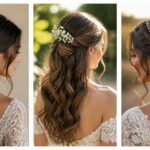
Barrel size: Use a 1.25 to 1.5 inch barrel for a wave that is loose and touchable, not ringlet-tight. Leave the ends: Clamp the iron mid-shaft and release before the very ends for a naturally undone finish. Texture spray: A light mist of texture spray after waving sets the shape and gives hold without stiffness. Air-dry option: If your hair has natural wave, enhance it with a curl cream and diffuse for a similar look.
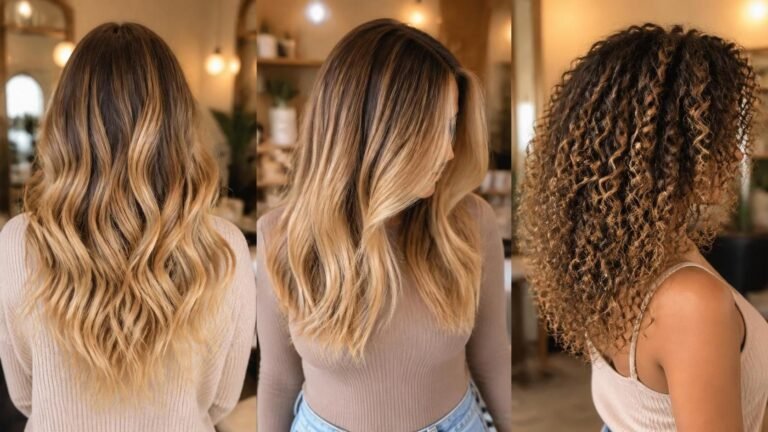
13. Long Layers With Subtle Balayage
Balayage and long layers are a natural pairing because the color and the cut work together to create depth. The lighter pieces catch on the face frame and the ends, making the layered shape look more dimensional and alive even in a simple blowout.
Subtle balayage is the low-maintenance version — it requires very little upkeep and grows out beautifully without harsh lines or roots that demand immediate attention.
Color placement: Ask for lighter pieces concentrated around the face frame and mid-lengths — not just the very ends. Maintenance: Subtle balayage typically needs touching up only every four to six months. Gloss tip: A clear or tinted gloss treatment between appointments keeps balayage looking fresh and glossy. Best for: Brunettes and darker natural tones where even a small amount of contrast creates significant visual dimension.
14. Classic Long Layers
Classic long layers are the foundation of everything in this list. The layers start lower on the head — typically around the collarbone area — which preserves fullness through the bottom half of the hair while still adding movement and shape through the mid-lengths.
This cut is the most versatile option in the entire roundup. It works worn straight, wavy, or curled, and it grows out evenly so you do not need frequent trims to keep it looking decent.
Ask your stylist for: Clean, blended layers starting at or below the collarbone with minimal thinning at the ends. Styling flexibility: This cut styles equally well straight, wavy, or in a half-up — it suits all techniques. Grow-out: Because layers are kept low and blended, this shape grows out cleanly over several months. Best for: Any hair type — this is genuinely one of the most universally flattering haircuts available.
15. Shaggy Long Layers
Shaggy long layers are for women who want texture and attitude rather than a smooth, polished finish. The crown is lighter with more lift, and the ends are deliberately piecey — not blunt, not smooth, not trying to be anything other than interesting.
This cut looks its absolute best with natural texture, a quick scrunch with mousse, or a loose messy bend. It does not want to be flat-ironed into submission.
Ask your stylist for: Heavier layering through the top and crown with point-cut or razored ends throughout. Styling product: A volumizing mousse scrunched through damp hair and left to air-dry gives the best texture. Heat alternative: A loose curl wand used on random sections — not all of them — creates the right undone quality. Best for: Medium to thick hair with some natural wave or texture that can support the piecey, light shape.
16. Soft Long Layers
Soft long layers are the opposite of shaggy — the blending is smooth, the face frame is gentle, and the ends finish cleanly without any piecey interruption. It is a classic, composed look that suits almost everyone.
The real appeal of this style is how gracefully it grows out and how little effort it takes to maintain. A quick flat iron pass or a simple blowout keeps it looking fresh for weeks.
Ask your stylist for: Softly blended layers with a clean, slightly beveled perimeter — avoid heavy point-cutting. Flat iron tip: One smooth pass on the mid-lengths and a slight curve inward at the ends gives the polished finish. Grow-out: Soft layers grow out cleanly and rarely need trimming more than every 10 to 12 weeks. Best for: Women who prefer a low-maintenance, smooth style that looks put-together with minimal daily effort.
17. Soft Shag Layers
A soft shag sits right between polished and textured — you get the crown volume and movement of a shag cut, but everything blends more smoothly so it never looks harsh or overly choppy. It is the most wearable version of the shag style.
This is a particularly smart option for thick or dense hair that feels heavy and stiff. The lighter crown and textured mid-lengths change the whole weight distribution of the hair.
Ask your stylist for: A shag-inspired layer structure with softer blending — no overly dramatic disconnection between sections. Styling method: A diffuser on low heat with curl cream gives soft shag layers their best shape without frizz. Alternative: Finger-comb a small amount of mousse through damp hair and air-dry for a relaxed, effortless result. Best for: Thick, dense, or wavy hair that needs the weight redistributed without a dramatic or extreme cut.
18. Subtle V-Shaped Long Layers
A V-shaped hem at the back gives long layers a direction and a purpose that a completely straight perimeter does not. The V draws the eye downward and gives the whole silhouette a more intentional, designed quality — especially noticeable from behind.
The subtle version is key here — a soft, gentle V looks elegant and refined. A sharp, deep V can look dated and too styled.
Ask your stylist for: A soft V at the back perimeter — emphasize subtle and gradual, not sharp or extreme. Photo appeal: A V-shaped hem reads beautifully in photos, especially from the back — ideal for styled shoots. Best for: Women who wear their hair down often and want the back view to look as polished as the front. Length tip: This shape looks best when the hair reaches at least mid-back so the V has enough length to show.
19. Textured Wavy Choppy Bob
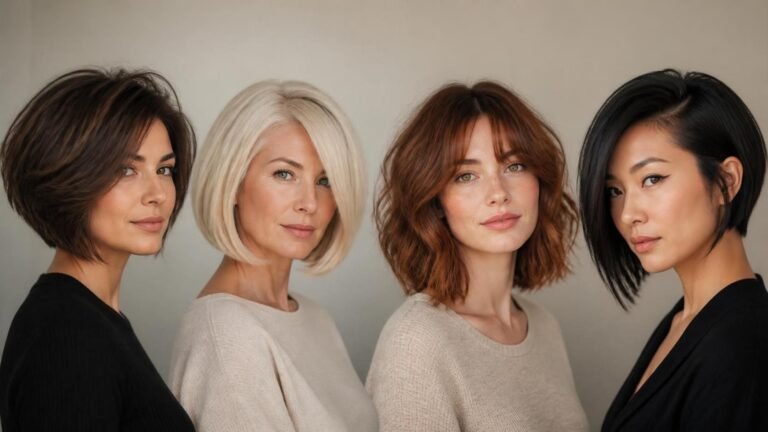
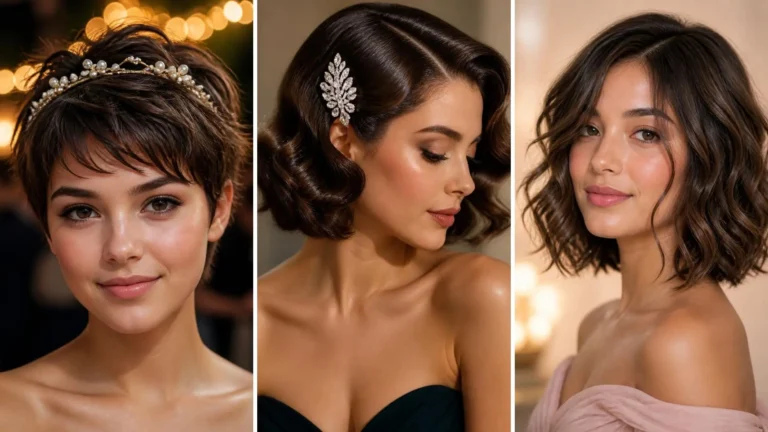
This one is a departure from the rest of the list — it is a choppy, textured bob rather than a long layered cut. But it earns its place here as a save-worthy option for anyone considering a more significant change from long hair.
The texture creates instant volume, and the waves camouflage grow-out lines perfectly. It is one of the most forgiving shapes for fine hair that desperately needs body.
Ask your stylist for: A textured, point-cut bob with internal layering — not a blunt or one-length bob. Wave tip: A sea-salt spray scrunched through damp hair and left to air-dry gives the best version of this texture. Volume note: The combination of choppy ends and wave makes even very fine hair look noticeably fuller. Grow-out: The textured layers grow into a shaggy lob phase rather than anything awkward — a very easy transition.
20. Two-Layer Long Haircut
The two-layer cut is exactly what it sounds like — one shorter top layer that creates volume and shape, and one longer bottom layer that protects the length and adds weight. It is a simplified, bold version of layering that gives maximum impact with minimal complexity.
This is a particularly good option for women who have tried multiple layer configurations and ended up with results that felt messy or unclear. Two distinct layers create a shape you can actually see and style with confidence.
Ask your stylist for: Two clearly defined layers — one at a shorter interior length for volume, one longer layer for the perimeter. Styling order: Blowdry the top layer first, directing it upward for lift, before moving to the longer bottom section. Simple styling: The defined structure means even a basic blowout gives this cut a clear, polished shape. Best for: Women who want obvious, visible shape from their layers rather than subtle blending.
Frequently Asked Questions
Will long layers make my hair look thinner? They can if the layers are placed too high or the stylist uses heavy thinning shears. To preserve fullness, ask for layers starting at the collarbone or lower and request blunt-ish ends with minimal thinning. The lower the layer placement, the thicker the ends will appear.
What is the best way to explain what I want to my stylist? Be specific about where you want the shortest pieces to land — cheekbone, chin, or collarbone. Also tell them how you style your hair most days. Air-drying, blowouts, and heat waves all respond better to slightly different layer placements, and a good stylist will adjust based on your routine.
How do I style long layers quickly without a full blowout? Apply a volumizing root spray or mousse before rough-drying the roots for lift. Then take a large barrel iron and add one loose wave through the mid-lengths, leaving the ends free. Finish with a small amount of lightweight oil on the very tips only and finger-comb through for a fast, effortless result.
How often should I trim long layered hair? Every 8 to 10 weeks keeps the shape looking intentional and the ends healthy. Waiting longer than 12 weeks often leads to the layers blending together and losing their definition — especially on finer hair types.
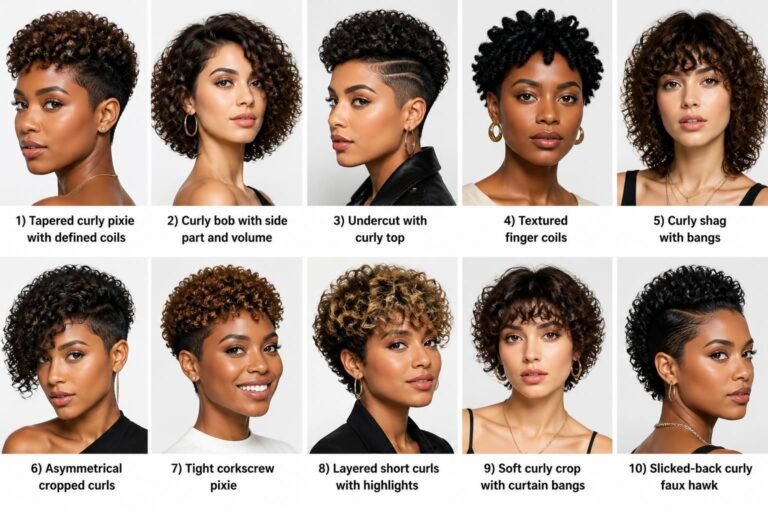
Can long layers work on naturally curly hair? Yes, but the technique matters. Ask for dry cutting on curly hair so the stylist can see exactly how each curl spring will fall. Layers cut when the hair is wet often end up shorter than expected once the curls contract.
Which of these layer styles grows out the most gracefully? Classic long layers, ghost layers, and soft long layers all have the most forgiving grow-out. The layers are gradual and blended enough that they simply get longer rather than passing through an awkward phase.
The Real Reason Layers Change Everything About Long Hair
Long hair without any layering is essentially a single curtain of weight — it falls, it sits flat, and it does very little unless you heat-style it thoroughly. Layers interrupt that weight in strategic places, which is why even a subtle cut can completely transform the way the same length of hair moves and behaves.
The difference is not just visual. Layered hair is physically lighter, dries faster, and responds better to natural texture. If you have been avoiding layers because of a past experience with too-choppy results, the styles in this list — especially ghost layers and soft long layers — offer all the benefits with none of the risk.
How Layer Placement Shapes Your Face
One of the most underutilized benefits of long layered hair is what it can do for face shape. Layers are not just about movement — they are also a framing tool. Where the shortest pieces fall determines whether the face looks broader, longer, more oval, or more heart-shaped.
Cheekbone-length face frames create definition and structure around the widest part of the face. Chin-length pieces soften a strong jawline. Collarbone layers are the most universally flattering because they sit at a length that works for almost every face shape without dramatically shortening or elongating anything. If you have never thought about layer placement in terms of face shape, bring it up at your next appointment — it changes the conversation completely.
Grow Through It — Final Thoughts
The best thing about long layered hair is that even if you try something new and do not love it, you are working with length you already have. Layers grow out, blends soften, and the hair continues forward. There is very little here that cannot be adjusted at the next appointment with a few targeted changes.
If you cannot decide between two or three options, choose based on what you want the cut to solve. More volume at the roots, cleaner ends, better face framing, or a shape that adapts to both straight and wavy styling days — that practical question will narrow the list faster than aesthetics alone.
Save two or three images from this roundup and bring them to your appointment. Point out the specific things you like about each — the bang density, the face frame length, how blended or distinct the ends look. That level of detail gets you a much closer result than a general description.
Then enjoy it. Long layered hair, styled or air-dried, is genuinely one of the most wearable and flattering cuts there is.