How to Dress Over 50: 12 Style Rules That Make You Look Chic, Current, and Confident
Nobody told you that your fifties would feel this good — and your wardrobe should absolutely reflect that. This is not the decade to disappear into safe, forgettable clothes that don’t do you justice.
Dressing well over 50 is less about following rules and more about finally knowing yourself well enough to dress with real intention. You know what you love, what you don’t, and what makes you feel like the most confident version of yourself.
The goal is never to look younger — it’s to look vibrant, refined, and genuinely current.
It’s about wearing clothes that feel as good as they look, in colors that light up your face and silhouettes that work with your body right now.
Below are 12 honest, practical style secrets for how to dress over 50 — chosen for confidence, elegance, and real-life wearability.
1. Make Fit the Non-Negotiable Foundation
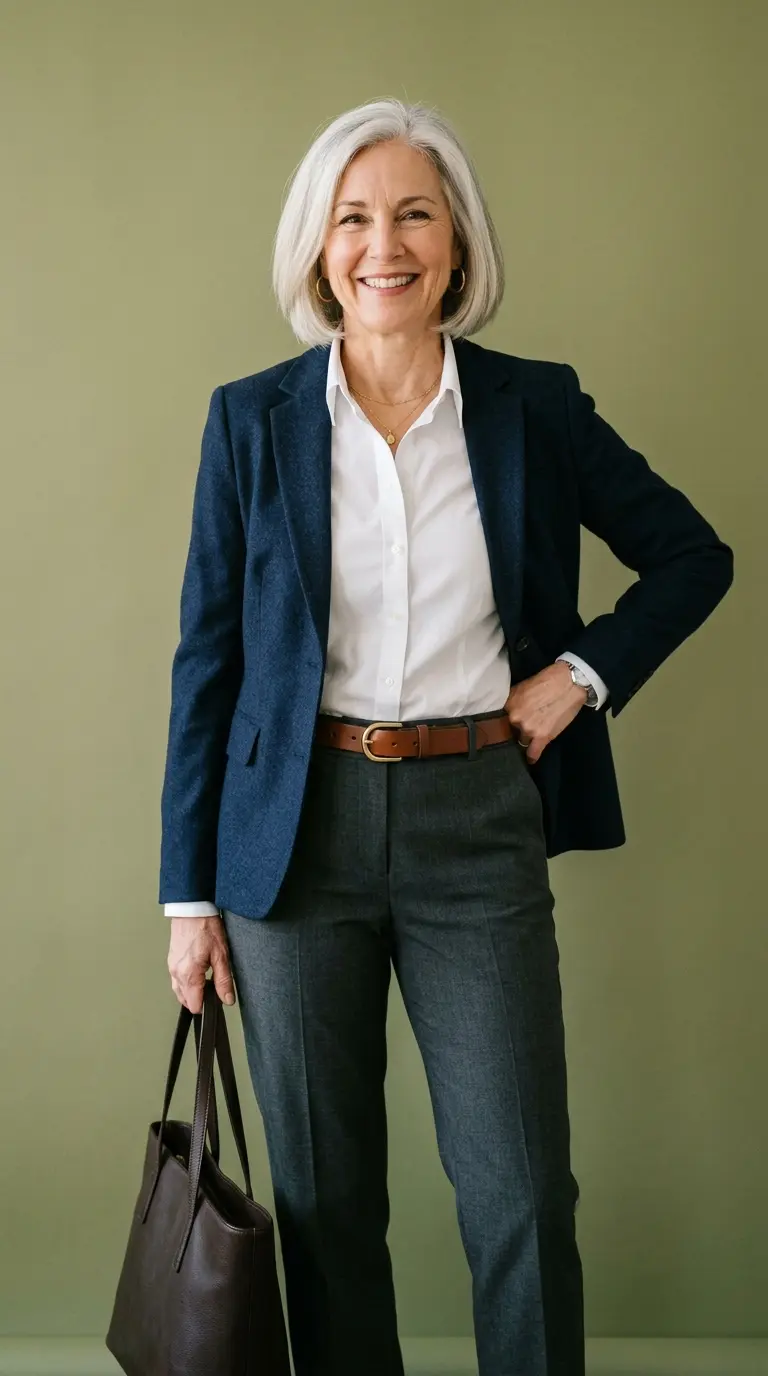
Fit is the single most important element of any outfit, at any age — but it becomes truly transformative in your fifties. Bodies change, proportions shift, and the clothes hanging in your wardrobe may no longer sit the way they once did.
That’s not a problem. It’s simply useful information.
Getting to know your current proportions is the smartest style investment you can make right now. Maybe you need a little more ease in the waist, or perhaps your shoulders sit differently than they used to. Small differences like these completely change how a garment falls on your frame.
Find a reliable tailor: A trusted tailor is genuinely one of the most powerful style tools available — they transform good clothes into great ones.
Shorten sleeves to the wrist bone: This single alteration instantly makes any top or jacket look more polished and intentional.
Taper trousers for a cleaner line: Even mid-range trousers look expensive when they’re properly fitted through the leg.
Size to your largest measurement first: Always buy for the part of your body that needs the most room, then tailor the rest to fit.
Stop settling for “almost right”: Clothes that nearly fit are the biggest source of wardrobe frustration — and a tailor solves this permanently.
The difference between an outfit that looks put-together and one that looks uncertain often comes down to a few centimeters of fabric in the right places.
FAQs: Dressing Over 50 — Fit
Q: Should I size up or size down if a garment doesn’t fit perfectly? A: Always size to your largest measurement and have a tailor adjust the rest — sizing down rarely works as well as people hope.
Q: How often should women over 50 re-evaluate their wardrobe fit? A: Once a year is ideal — bodies and preferences shift, and a seasonal try-on session keeps your wardrobe aligned with your current shape.
Q: Is tailoring worth the cost for everyday clothes? A: Absolutely — even a modest alteration budget spent on a few key pieces delivers far more value than buying new items that still don’t fit right.
Q: What are the most impactful alterations for women over 50? A: Sleeve shortening, waist tapering, and hemline adjustments give the most noticeable improvement for the least cost.
Q: Can I tailor clothes from fast fashion brands? A: Yes — a well-tailored affordable piece often looks better than an expensive one that doesn’t fit properly.
Q: How do I know if something is worth tailoring vs. replacing? A: If the fabric quality is good and the style suits you, tailor it. If the fabric is poor or the style no longer works, replace it.
2. Polish Your Look Without Making It Stiff
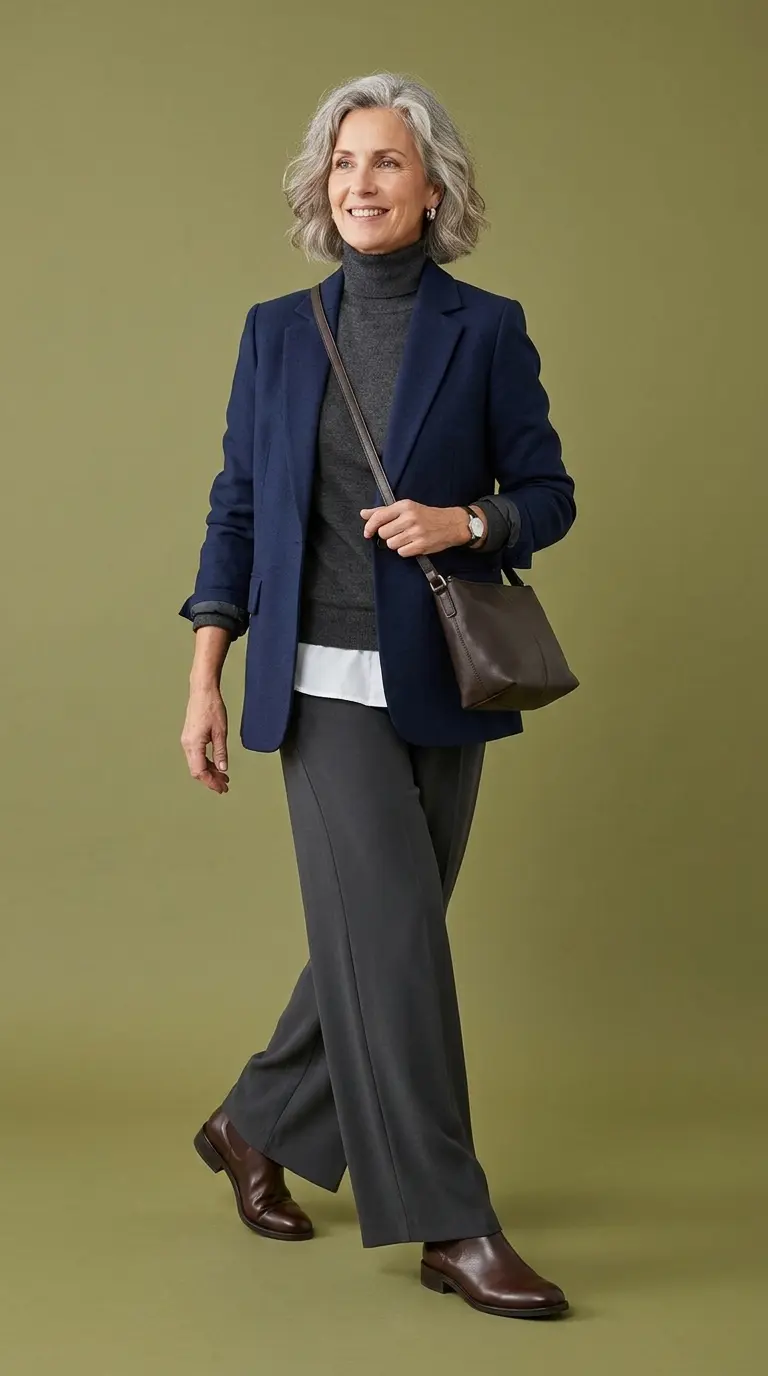
There’s a meaningful difference between looking polished and looking prissy. Polished means intentional, structured, and considered. Prissy means overly formal, uncomfortable, and a little dated.
The sweet spot is where timeless classics meet one unexpected detail. That contrast is what keeps a look feeling alive and modern rather than stiff and predictable.
A crisp white shirt with wide-leg trousers is classic. Add a bold pair of loafers or a sculptural bag and it becomes genuinely stylish.
Ask yourself “is this too safe?”: If every element of an outfit feels predictable, introduce one playful detail — bold eyewear, colorful footwear, or a textured bag.
Lean on juxtaposition: A structured blazer over a soft floral blouse creates exactly the kind of visual tension that makes an outfit interesting.
Choose updated silhouettes: Cropped jackets, straight-leg trousers, and midi skirts feel current without chasing fast-fashion trends.
Let one item lead: When one piece in your outfit is doing something interesting, keep everything else simple and let it shine.
Invest in fit, fabric, and finish: These three things matter far more than trend relevance for a consistently polished look.
Polished doesn’t have to mean restrained — it just means that every choice was made with awareness and intention.
FAQs: Dressing Over 50 — Polish
Q: How do I look polished without looking overdressed for everyday life? A: Focus on well-fitted basics in quality fabrics, then add one intentional accessory — this reads as effortlessly put-together, not overdressed.
Q: What silhouettes feel most current for women over 50? A: Straight-leg trousers, midi skirts, cropped blazers, and relaxed wide-leg pants are all modern and flattering for this age group.
Q: How do I add personality to a classic outfit? A: Shoes, eyewear, and bags are the easiest places to introduce character without disrupting the overall balance of an outfit.
Q: Is it okay to mix casual and formal pieces over 50? A: It’s more than okay — it’s actually one of the most effective styling techniques. A blazer over jeans or sneakers with a tailored dress creates a modern, current look.
Q: What makes an outfit look dated rather than classic? A: Outdated accessories, poor fit, and overly matchy-matchy combinations are the most common culprits.
Q: How do I find my personal style over 50? A: Start by identifying the three adjectives you want your style to communicate — then build your wardrobe around pieces that consistently deliver those qualities.
3. Discover the Colors That Make Your Skin Glow
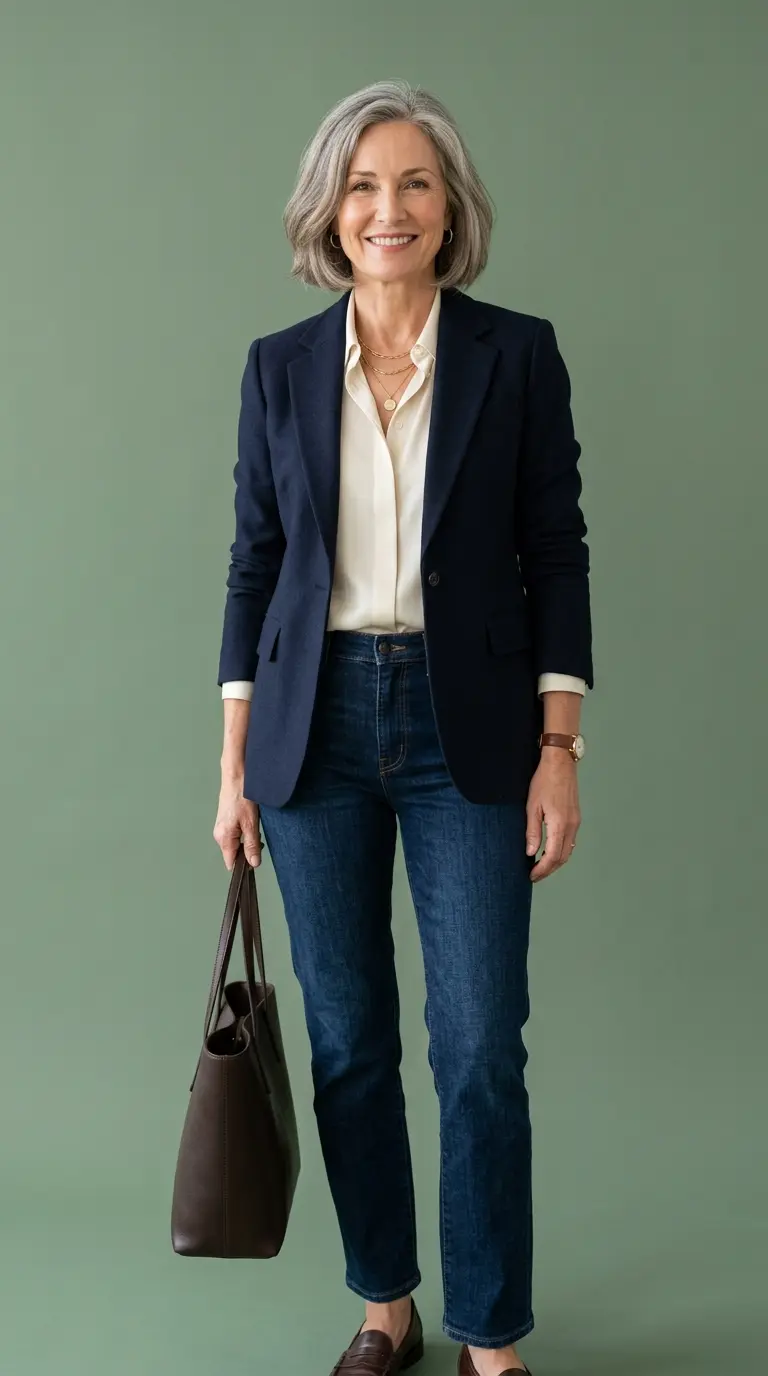
Color has a profound effect on how your complexion looks and how alive your whole face appears. Skin tone naturally softens and shifts over time, which means the colors that served you brilliantly in your thirties may now feel too stark, too bright, or simply off.
This isn’t a loss — it’s genuinely an opportunity to explore a more sophisticated, flattering palette.
Warm, rich shades tend to be universally more flattering on mature skin than harsh contrasts. Deep jewel tones, soft neutrals, and muted earthy shades bring warmth to the face in a way that washed-out or overly bright colors simply don’t.
Swap stark white for ivory or cream: These softer whites are far more flattering on mature skin tones than a bright, stark white.
Embrace jewel tones wholeheartedly: Sapphire, emerald, deep burgundy, and rich plum are incredibly flattering and vibrantly beautiful on women over 50.
Explore warm undertones in every color: Warm coral instead of neon pink, dusty teal instead of electric turquoise — depth always flatters more than intensity.
Hold fabric near your face before buying: The most reliable test for any color is how it reads against your actual complexion in natural light.
Use color near your face intentionally: A vibrant scarf, statement necklace, or colorful top near the face makes the biggest impact on how fresh and radiant you look overall.
Discovering your updated color palette is one of the most energizing style upgrades available to you right now.
FAQs: Color Choices for Women Over 50
Q: What colors are most flattering for women over 50? A: Jewel tones like sapphire, emerald, and burgundy, plus soft warm neutrals like ivory, camel, and taupe, tend to be the most universally flattering.
Q: Should women over 50 avoid black? A: Black can look stark near the face as skin tone softens — try navy, charcoal, or deep chocolate as alternatives, or soften black with a warm-toned scarf or necklace.
Q: How do I find my most flattering colors? A: Hold fabrics near your face in natural daylight and observe which ones make your complexion look brighter and more rested.
Q: Is wearing all-neutral outfits a safe choice over 50? A: Neutrals are always elegant, but mixing them with one warm accent color prevents the look from feeling flat or faded.
Q: Can women over 50 wear bold, bright colors? A: Absolutely — just choose bold shades with warm or rich undertones rather than harsh, cold brights.
Q: What colors should I avoid with graying hair? A: Very pale yellow and overly warm oranges can clash with silver tones — cool blues, purples, and crisp whites tend to look stunning against gray hair.
4. Embrace Modern Minimalism and Quiet Luxury
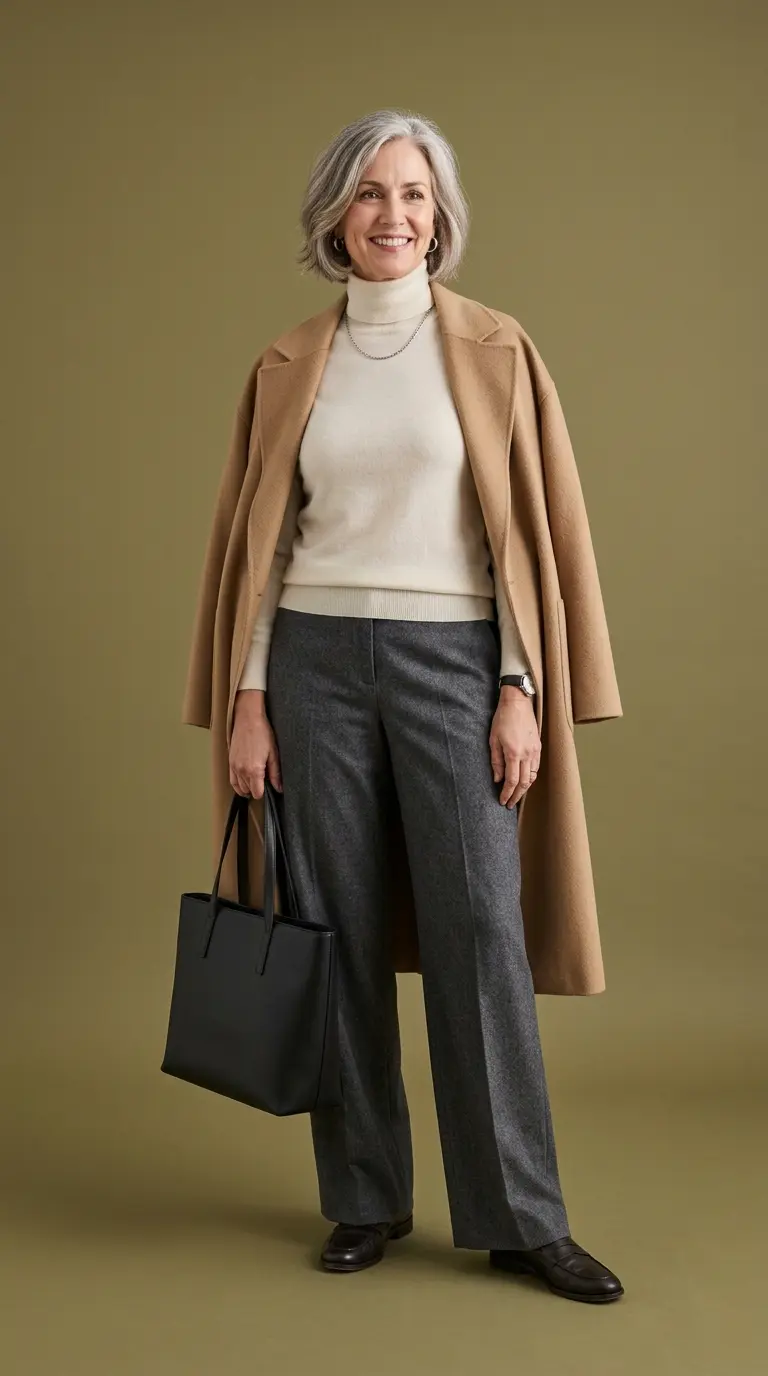
Minimalism at its most powerful is not about having fewer things — it’s about choosing better things and letting them speak for themselves. This is the essence of quiet luxury: beautiful fabrics, precise cuts, and deliberate simplicity.
You don’t need a logo, a loud print, or a statement piece in every outfit to look noteworthy. The right fabric in the right silhouette, worn with confidence, is genuinely striking.
This approach to dressing is both practical and elegant — a small wardrobe of genuinely excellent pieces delivers more daily satisfaction than a crowded closet of average ones.
Choose natural, high-quality fabrics: Silk, linen, merino wool, and fine cotton drape beautifully and age gracefully in a way synthetic fabrics never do.
Look for elevated small details: Mother-of-pearl buttons, subtle tonal stitching, and precise seam placement separate quality pieces from forgettable ones.
Invest in fewer, better pieces: Two perfectly fitted blouses will serve you infinitely better than ten average ones crowding your wardrobe.
Mix soft and structured fabrics: Pairing a cashmere knit with crisp cotton, or silk with linen, adds depth and visual interest to even the simplest outfit.
Let the fabric do the work: When you’re wearing a beautiful material, simple silhouettes look more luxurious than complicated designs in cheap fabric.
Minimalism over 50 is one of the most sophisticated, confidence-building approaches to style that exists — and it gets better the more intentionally you practice it.
FAQs: Minimalism and Quiet Luxury Over 50
Q: What is “quiet luxury” in fashion? A: Quiet luxury refers to clothing that communicates quality and elegance through excellent fabric, precise fit, and subtle details rather than visible logos or bold statements.
Q: How do I build a minimalist wardrobe over 50? A: Start with 10–12 high-quality pieces that you genuinely love and that work well together, then add selectively from there.
Q: What fabrics feel most luxurious for everyday wear? A: Merino wool, silk blends, fine linen, and quality ponte are all excellent choices for everyday pieces that still feel special.
Q: Is minimalist style boring? A: Not at all — texture, proportion, and precise fit create visual interest without needing pattern or color to carry the look.
Q: How do I add interest to a monochromatic minimalist outfit? A: Layer different textures within the same color family, or add one beautiful accessory like a sculptural ring or quality leather bag.
Q: Can minimalism work for curvy or petite women over 50? A: Absolutely — minimalist dressing works beautifully for all body types when the silhouettes and proportions are thoughtfully chosen.
5. Show Skin with Intention and Confidence
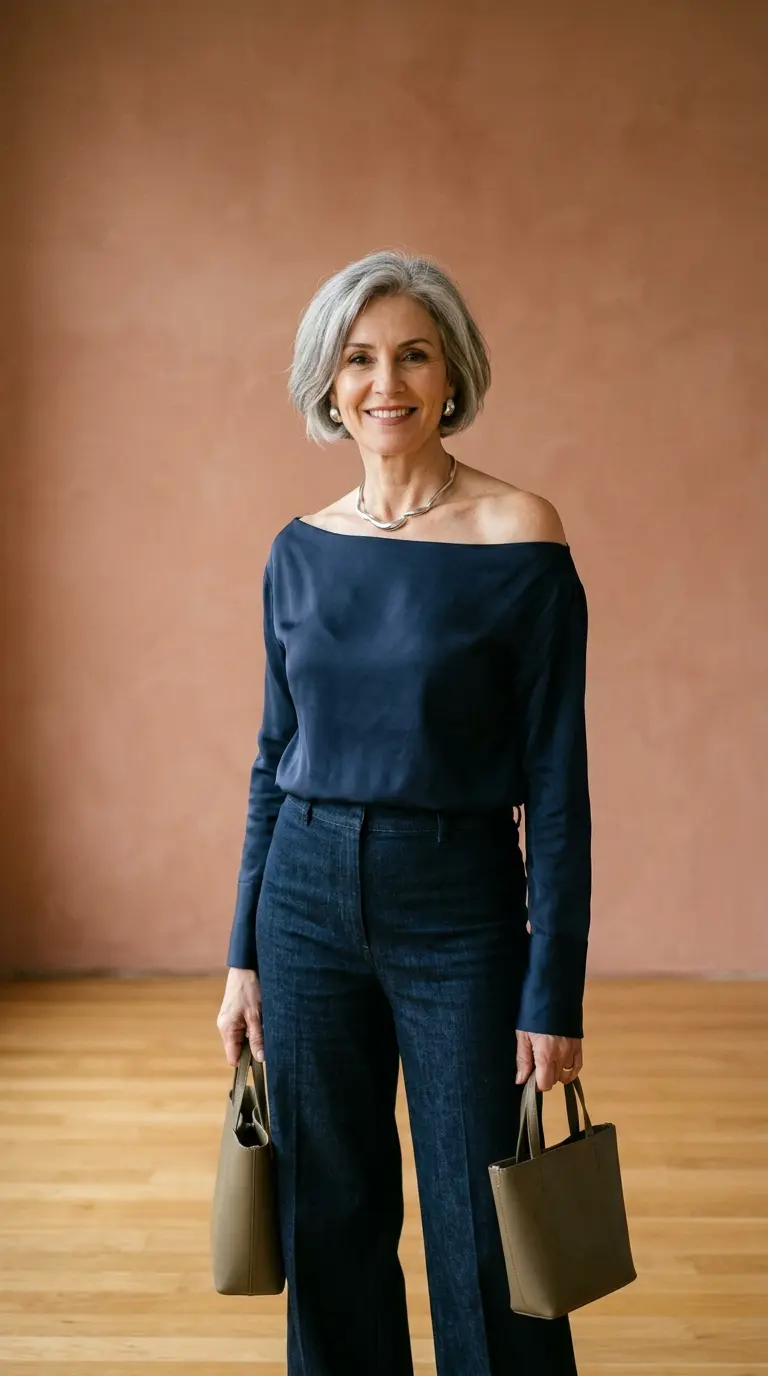
Confidence is not about covering everything up and hoping no one looks too closely — it’s about understanding what to show, and showing it beautifully. A glimpse of collarbone, a bare wrist, or an ankle peeking out from a midi hem can make an outfit feel infinitely more feminine and elegant.
Strategic skin-showing is one of the most underrated styling tools for women over 50.
The key is choosing the right areas to highlight based on what you feel good about, and styling everything else to support and frame those choices.
A gentle V-neckline is universally flattering: It elongates the neck, opens the chest, and creates a soft, feminine focal point without overexposing.
Three-quarter sleeves are a brilliant compromise: They offer coverage while still feeling light, elegant, and far less covered-up than a full-length sleeve.
Midi skirts hit the most flattering hemline: Just below the knee or mid-calf skims the leg in a way that is both modest and genuinely elongating.
Sheer fabric over arms is a graceful option: A sheer or chiffon sleeve gives coverage while remaining light, delicate, and summer-appropriate.
Layered necklaces draw the eye upward beautifully: Dainty chains layered around a V or scoop neckline highlight the collarbone area in the most elegant way.
Dressing with intention means knowing what makes you feel beautiful and building your outfits around those choices — always.
FAQs: Showing Skin Gracefully Over 50
Q: What are the most flattering necklines for women over 50? A: A gentle V-neck, scoop neck, and square neckline are the most consistently flattering options for mature women.
Q: Is it appropriate to show arms over 50? A: Absolutely — wear whatever feels comfortable and confident. Three-quarter sleeves and sheer overlays are elegant options if full arm exposure feels uncomfortable.
Q: What skirt length is most flattering for women over 50? A: Midi lengths that hit just below the knee or at mid-calf are widely considered the most flattering and modern choice.
Q: How do I make my legs look longer with a skirt? A: Pair your skirt with a heel or pointed-toe flat and choose a hemline that falls at the narrowest part of your calf for the most elongating effect.
Q: Should women over 50 wear sleeveless tops? A: If it makes you feel confident, absolutely wear them. Layering a soft open cardigan or duster adds the option for coverage without committing to it.
Q: How can I highlight my best features through clothing? A: Identify the two or three areas you feel best about, then choose necklines, hemlines, and cuts that naturally draw the eye to those areas.
6. Use Texture to Add Depth and Dimension
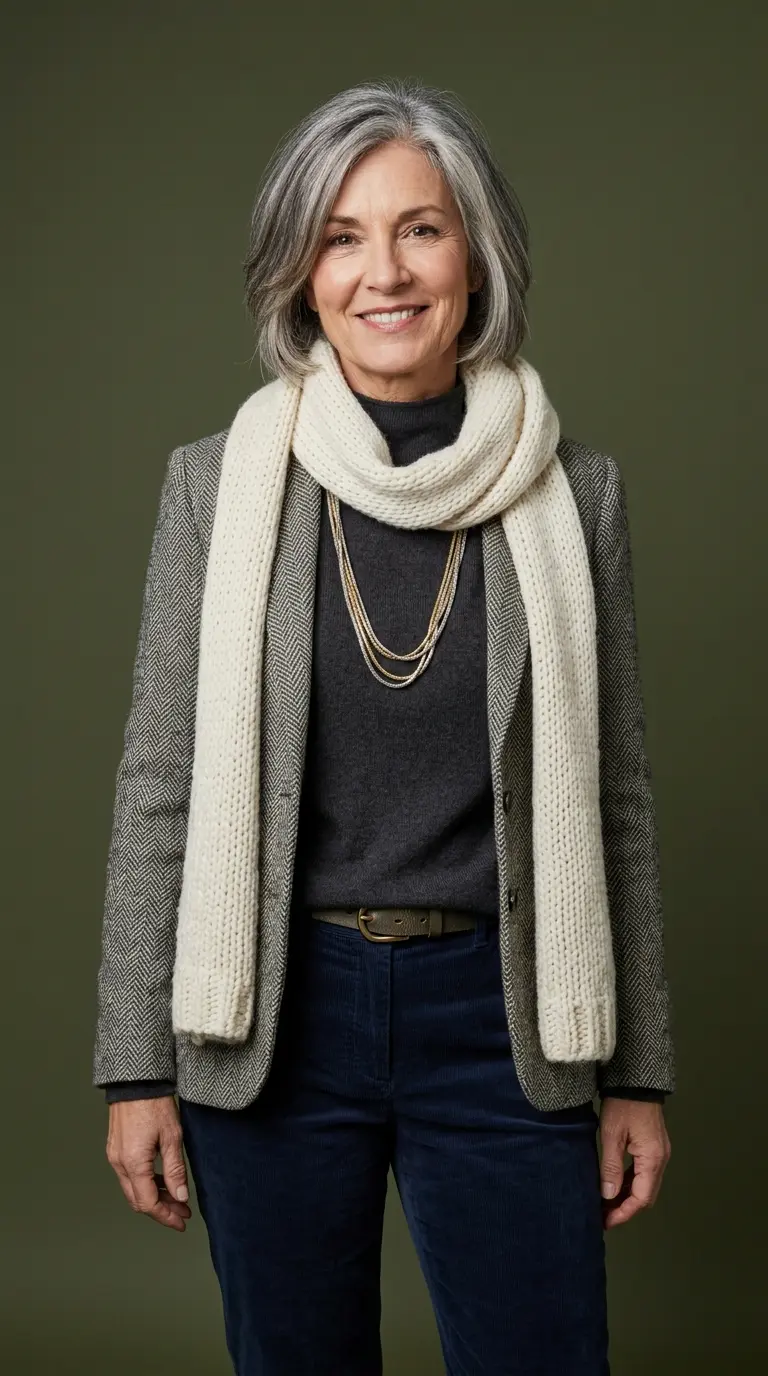
As skin changes over time, the fabrics you choose become increasingly important. Shiny, synthetic materials have a way of drawing attention to skin texture and fine lines, while matte, natural fabrics create a far more flattering, softened effect.
Beyond flattery, texture mixing is also one of the most effective ways to make a simple, neutral outfit look genuinely rich and considered.
A monochrome outfit in a single flat fabric can look flat. That same outfit in two contrasting textures suddenly looks deliberate and visually complex.
Choose matte over shiny for tops and dresses: Matte fabrics like crepe, ponte, and fine cotton are more forgiving and more flattering against mature skin.
Mix chunky knits with smooth fabrics: A chunky knit layered over satin or silk creates a beautiful, luxurious contrast that elevates both pieces.
Try suede with crisp cotton: This is one of the most effortlessly elegant texture combinations available for casual and smart-casual dressing.
Combine a silk blouse with a structured wool blazer: The contrast between fluid and structured fabric is both tactile and visually striking.
Keep texture in the same color family for a polished result: Tonal texture mixing looks far more sophisticated than mixing textures across clashing colors.
Texture is one of the simplest and most effective styling tools you have — use it deliberately and it transforms the entire mood of your outfit.
FAQs: Using Texture in Outfits Over 50
Q: Why should women over 50 avoid shiny fabrics? A: Reflective fabrics can draw attention to skin texture and fine lines — matte fabrics create a softer, more flattering visual effect.
Q: What are the best fabric combinations for texture mixing? A: Chunky knit with satin, silk with structured wool, suede with crisp cotton, and velvet with linen are all excellent combinations.
Q: Does texture mixing work in an all-neutral outfit? A: Brilliantly — tonal texture mixing in neutral tones is one of the hallmarks of quiet luxury dressing and looks incredibly refined.
Q: Can I mix textures in a casual everyday outfit? A: Absolutely — even something as simple as a soft cotton tee under a suede jacket qualifies as intentional texture mixing.
Q: Is velvet appropriate for women over 50? A: Yes — velvet is a beautiful, rich texture that works wonderfully in structured pieces like blazers, trousers, and accessories.
Q: What textures work best in warm weather dressing? A: Linen, cotton gauze, and lightweight silk are beautiful warm-weather textures that are both practical and visually interesting.
7. Upgrade Your Denim Game
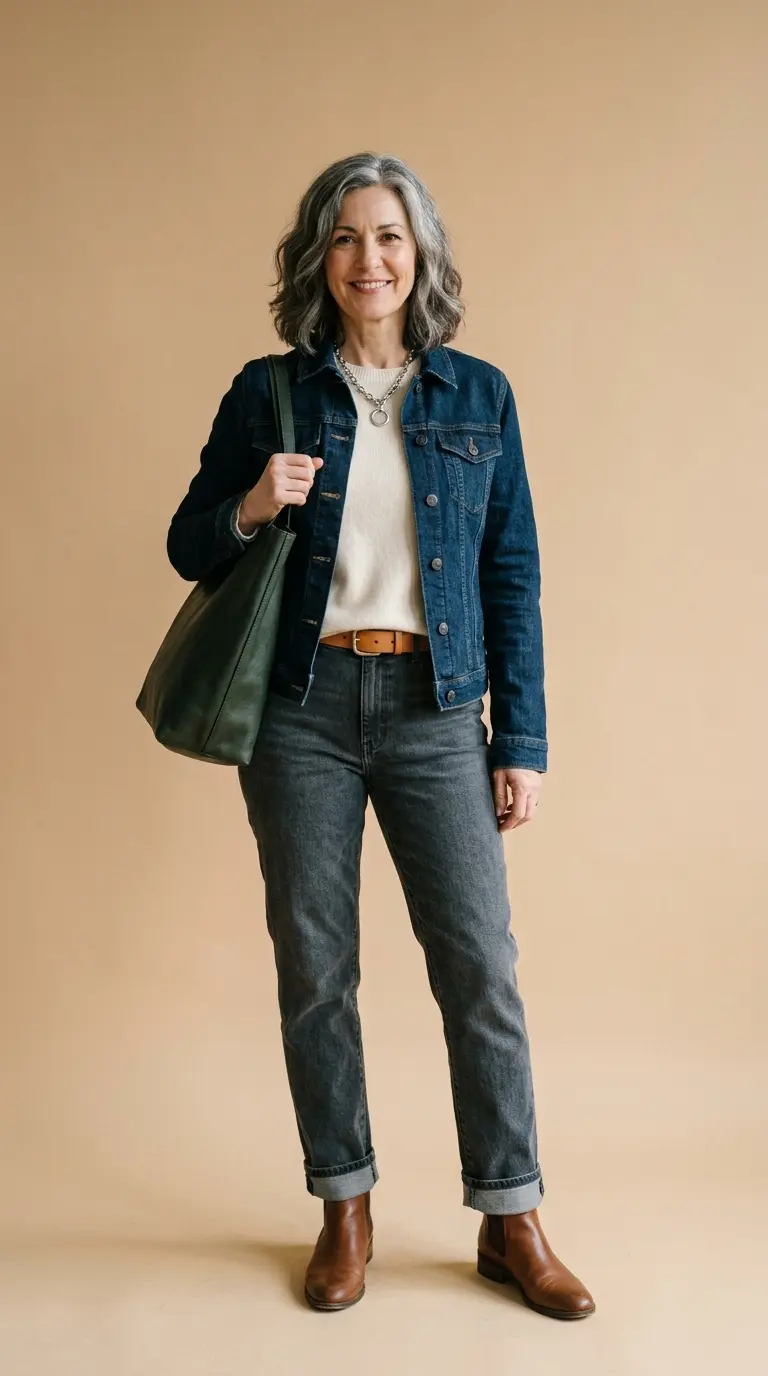
Denim is genuinely ageless — but the specific fit and wash you choose matters enormously for a modern, flattering result. The low-rise, heavily distressed styles of earlier decades can feel dated and unflattering on a changing body, while cleaner, more structured cuts look fresh and current.
This is not about giving up denim — it’s about upgrading it.


Dark wash jeans in classic cuts like straight-leg, slim, or relaxed wide-leg are among the most versatile and flattering options available to women over 50 right now.
Choose a dark, clean wash: Dark indigo or black denim is more slimming, more elegant, and more versatile than faded or distressed styles.
High-waist sits better on a changing waistline: A high-rise cut defines the waist and creates a longer, leaner visual line from hip to hem.
Straight and wide-leg cuts elongate beautifully: Both styles add visual length to the legs and balance out a fuller upper body.
Look for 98% cotton, 2% elastane: This ratio gives you the clean, structured look of denim with just enough give for all-day comfort.
Check back pocket placement carefully: Slightly higher, smaller back pockets create a naturally lifted and lengthened effect on the seat.
Pair with elevated pieces: A silk blouse, fine knit, or sleek loafer transforms great-fitting jeans into a genuinely polished outfit.
Denim done right is one of the most effortlessly chic foundations in any wardrobe — and the right pair genuinely changes everything.
FAQs: Denim for Women Over 50
Q: What jeans cut is most flattering for women over 50? A: Straight-leg and relaxed wide-leg cuts in high-rise styles are consistently the most flattering and modern choices.
Q: Should women over 50 avoid skinny jeans? A: Skinny jeans can still work beautifully — just choose a high-rise style in a quality stretch denim and pair with a proportionally balanced top.
Q: What denim wash looks most flattering over 50? A: Dark indigo or black denim is the most slimming, polished, and versatile wash for mature women.
Q: How do I style jeans for a smart-casual look over 50? A: Pair dark-wash straight-leg jeans with a silk or fine-knit blouse, structured flats or heeled boots, and a structured bag.
Q: Can women over 50 wear wide-leg jeans? A: Absolutely — wide-leg denim is one of the strongest current trends and is genuinely flattering for most body types when styled with a fitted or tucked top.
Q: What should I look for in quality denim over 50? A: Look for a fabric with a small percentage of stretch, clean stitching, minimal distressing, and pocket placement that flatters your seat.
8. Build a Curated, Intentional Wardrobe
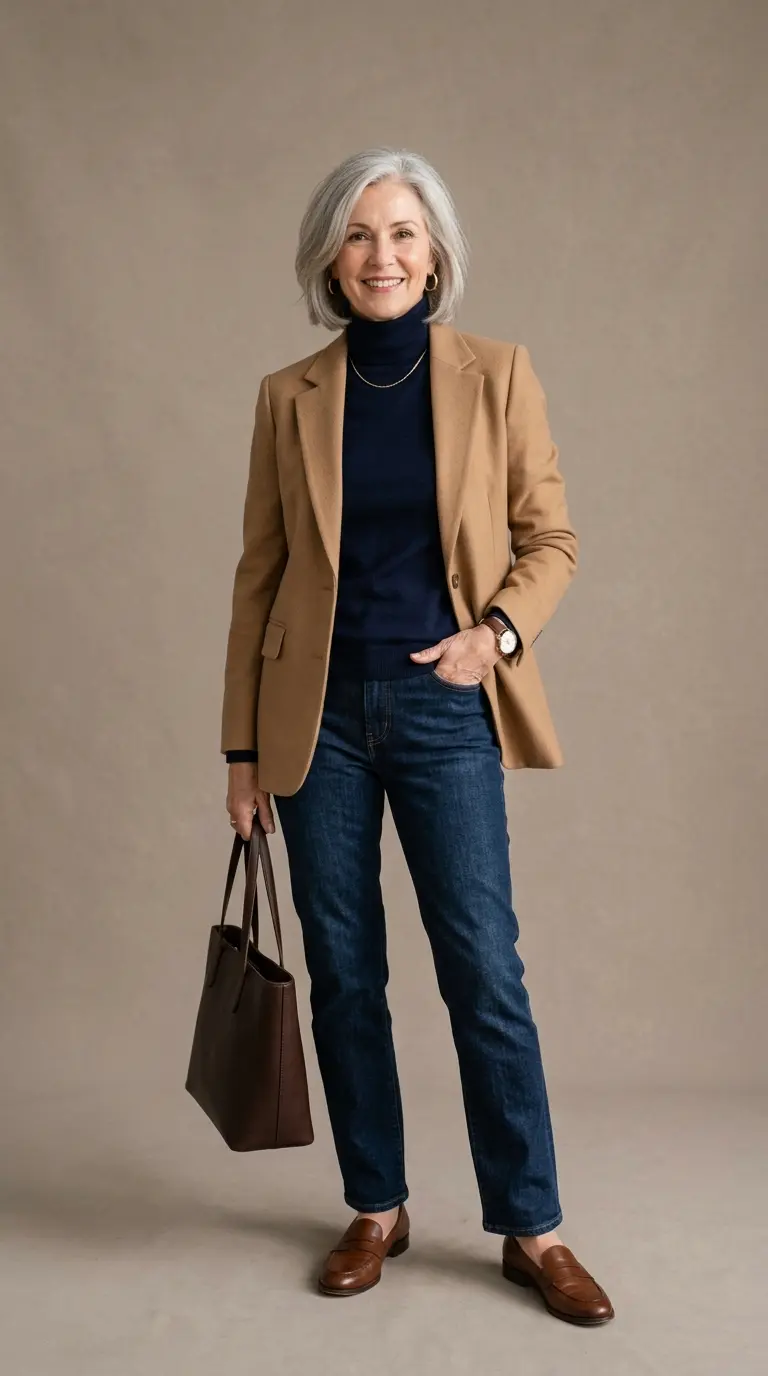
By your fifties, you’ve likely accumulated a wardrobe that reflects decades of different seasons, trends, and versions of yourself. Now is the time to edit it down to a collection that genuinely reflects who you are right now — and makes getting dressed feel easy and enjoyable every single morning.
An intentional wardrobe is not a small wardrobe. It’s a wardrobe where everything earns its place.
Every piece should fit well, feel good, and align with how you actually live your life. The items that make you feel uncertain, uncomfortable, or unlike yourself have no place there anymore.
Identify your personal “uniform”: Discover the two or three outfit formulas that consistently make you feel confident, then build more of those.
Apply a “confident or not?” test to everything: If a garment doesn’t make you feel genuinely good, it doesn’t belong in your wardrobe regardless of cost or sentiment.
Shop with intention, not impulse: Before buying anything new, ask whether it genuinely adds to what you already have or simply adds more.
Build around three or four core neutrals: A tight neutral palette makes everything easier to combine and reduces decision fatigue dramatically.
Prioritize joy as much as practicality: Your wardrobe should contain clothes you genuinely look forward to wearing — not just clothes that are sensible.
A curated wardrobe is one of the most meaningful acts of self-care available — it removes daily friction and replaces it with daily confidence.
FAQs: Building a Wardrobe Over 50
Q: How many items should a capsule wardrobe for women over 50 contain? A: There’s no single number — focus on quality and cohesion rather than quantity. Most stylists suggest 30–40 versatile, well-loved pieces as a starting point.
Q: How do I declutter my wardrobe without regretting it? A: Try on every piece and ask honestly — does this fit well right now and make me feel confident? If both answers aren’t yes, donate it.
Q: What are the wardrobe essentials for women over 50? A: Tailored trousers, a great blazer, quality dark-wash jeans, a silk or fine-knit blouse, a wrap dress, comfortable elegant shoes, and a structured bag cover most occasions beautifully.
Q: How do I stop buying things I never wear? A: Shop with a list of specific gaps in your wardrobe rather than browsing — intentional shopping dramatically reduces regrettable purchases.
Q: Is it worth spending more on wardrobe basics? A: Yes — pieces you wear constantly, like trousers, blazers, and knitwear, are always worth the investment in quality.
Q: How often should I refresh my wardrobe over 50? A: A seasonal edit twice a year — adding a few carefully chosen pieces and removing anything that no longer serves you — keeps your wardrobe feeling current and intentional.
9. Update Your Accessories Regularly
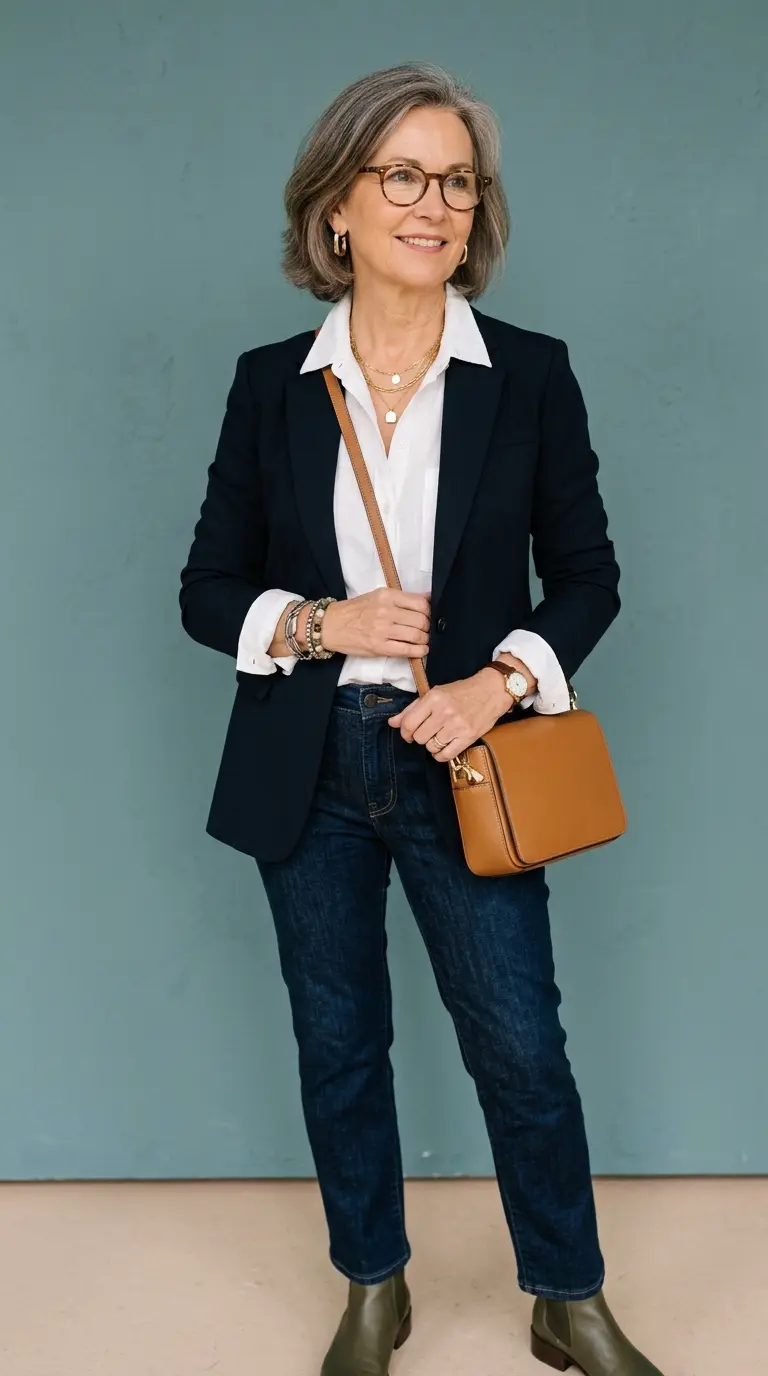
Accessories are the element of an outfit that most women unknowingly neglect — and yet they have an extraordinary ability to date or refresh a look. The wrong bag, an outdated jewelry style, or old-fashioned eyewear can make even excellent clothes feel tired and behind the times.
Refreshing your accessories is often more impactful than buying new clothes.
You don’t need to replace everything at once — a few thoughtful updates each season, focused on the pieces that appear in your outfits most often, make a dramatic cumulative difference.
Edit jewelry down to clean, modern pieces: Sculptural hoops, fine layered chains, and a single statement ring look current and sophisticated.
Swap oversized totes for structured bags: A crossbody, structured shoulder bag, or elegant clutch looks more refined and proportional for most occasions.
Treat eyewear as a style statement: A modern frame shape — particularly a slightly oversized square or a cat-eye — can update your entire appearance.
Choose accessories in quality materials: Real leather, genuine gold or silver tones, and natural stones always read as more luxurious than plastic or cheap metal.
Refresh one category each season: Rather than overhauling everything at once, focus each season on one area — shoes this autumn, bags next spring.
The right accessories don’t just finish an outfit — they elevate it into something genuinely memorable.
FAQs: Accessories for Women Over 50
Q: What jewelry looks most modern on women over 50? A: Sculptural hoops, simple gold or silver chains layered at varying lengths, and a single statement ring are among the most consistently chic and current choices.
Q: What bag styles are most flattering for women over 50? A: Structured crossbody bags, elegant shoulder bags, and small leather totes are all proportionally flattering and stylistically current.
Q: How do I know if my accessories look dated? A: If your jewelry is very chunky and plastic, your bags are overstuffed and shapeless, or your eyewear frames are small and wire-rimmed, an update will make a noticeable difference.
Q: How much should I spend on accessories? A: Spend the most on the accessories you wear daily — a quality bag and great eyewear frames deliver enormous visual return on investment.
Q: Can I mix gold and silver jewelry over 50? A: Absolutely — mixing metals is widely accepted and looks deliberately eclectic rather than mismatched when done with intention.
Q: How often should I update my eyewear? A: Every two to three years is reasonable — frame shapes evolve and even small updates to this highly visible accessory make a disproportionate difference to your overall appearance.
10. Never Compromise on Shoes
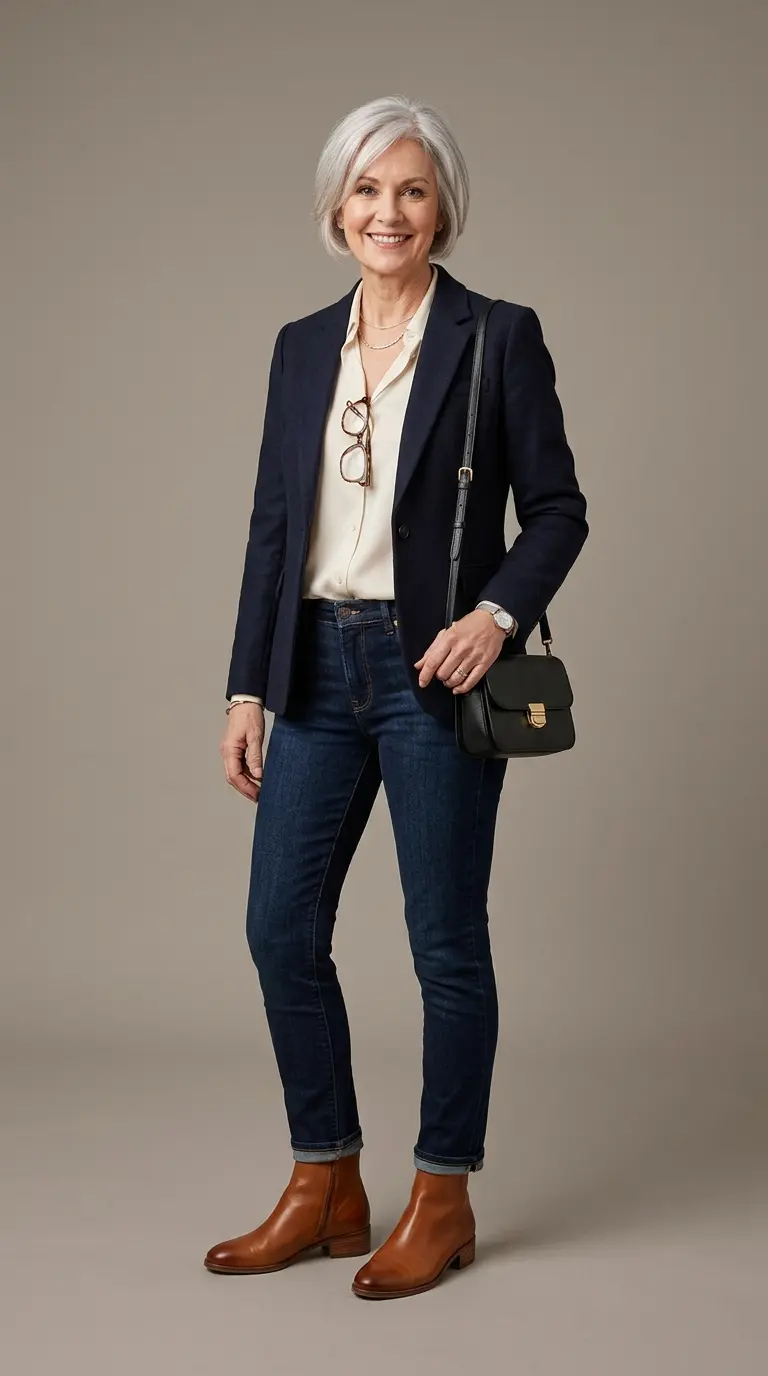
Shoes might be the single most transformative item in any outfit. They change proportions, communicate style sensibility, and — perhaps most importantly — determine how you carry yourself and how you feel in your clothes all day long.
A pointed toe lengthens the visual line of the leg. A sleek loafer adds instant polish to even the most casual outfit. A clean white leather sneaker keeps your look modern and approachable.
Invest in leather and quality construction: Well-made shoes in genuine leather look better, last longer, and develop a beautiful patina over time.
Prioritize comfort alongside style: Block heels, wedges, and cushioned pointed flats offer elegance without sacrificing the comfort your day requires.
Keep shoes impeccably maintained: Clean, polished footwear makes everything you wear look more considered and expensive.
Build a foundation of three to four versatile pairs: A quality sneaker, a flat or low heel, a loafer, and a dressier sandal or boot cover virtually every occasion beautifully.
Own at least one pair that makes you feel extraordinary: The shoes that light you up — even on an unremarkable Tuesday — are always worth having.
Shoes done well are the finishing touch that completes the story your outfit is telling — make sure yours is saying something wonderful.
FAQs: Shoes for Women Over 50
Q: What shoe styles are most flattering for women over 50? A: Pointed-toe flats and low heels, sleek loafers, block-heeled boots, and clean leather sneakers are all flattering and practical choices.
Q: Can women over 50 wear high heels? A: Yes — if they feel comfortable and confident wearing them. Block heels and kitten heels offer the elegance of a heel with much greater stability.
Q: How do I elongate my legs with shoes? A: A pointed or almond-toe silhouette in a skin-toned shade, or a shoe that matches your hemline color, creates the longest visual line.
Q: Are sneakers appropriate for women over 50? A: Absolutely — clean, sleek leather sneakers are one of the most stylish and practical footwear choices available and look great with dresses, trousers, and jeans alike.
Q: How many pairs of shoes does a woman over 50 really need? A: Four to six carefully chosen, high-quality pairs that cover your lifestyle’s actual occasions will serve you better than a large collection of mediocre options.
Q: How do I care for quality leather shoes? A: Clean regularly with a soft cloth, condition leather every few months, use cedar shoe trees to maintain shape, and resole before the sole wears completely through.
11. Align Your Hair and Makeup With Your Style
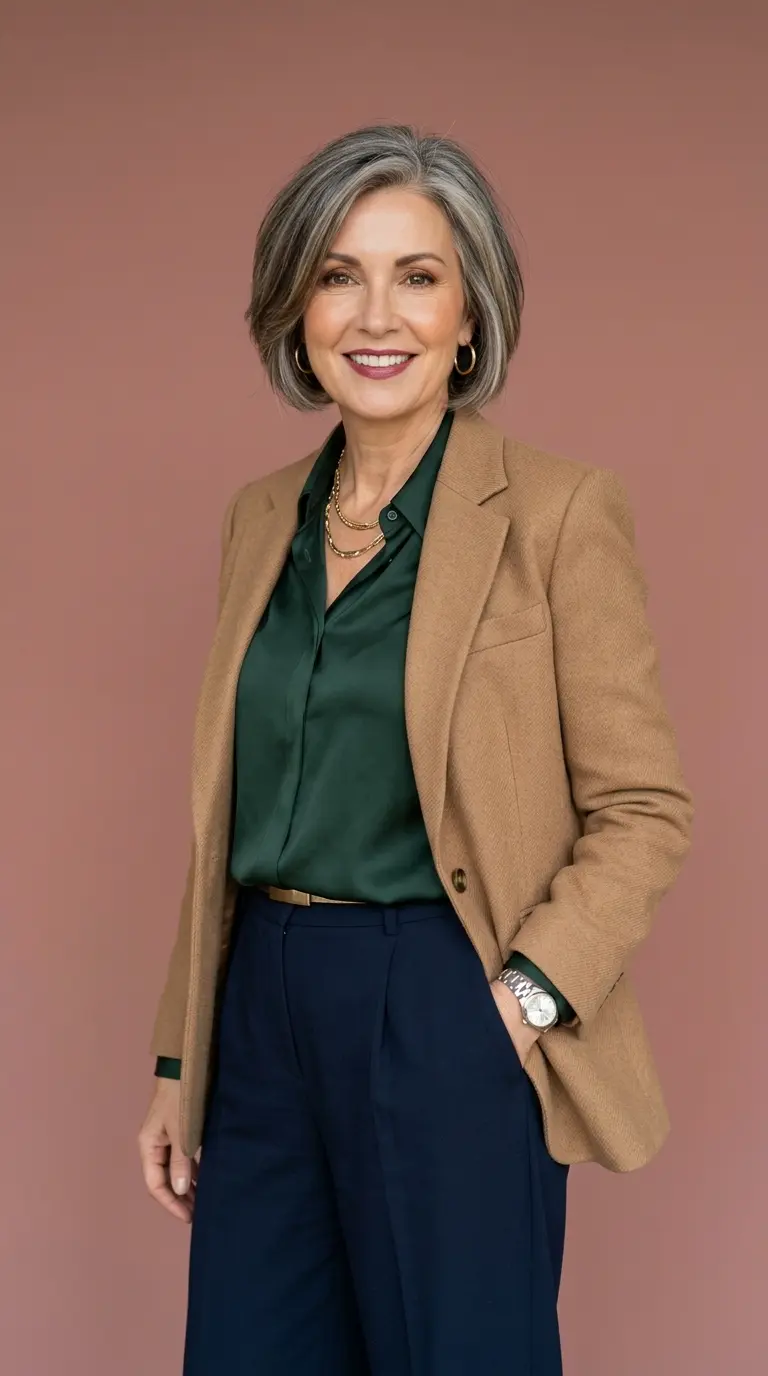
Your outfit can be impeccable, but if your hair and makeup feel disconnected from it, the overall impression loses coherence. Hair and makeup are the final chapters of the story your style is telling — and they deserve just as much thoughtfulness as the clothes themselves.
Outdated grooming habits can inadvertently pull the whole look backward regardless of how current your wardrobe is.
The most flattering approach over 50 tends to celebrate natural radiance rather than trying to cover, minimize, or heavily sculpt.
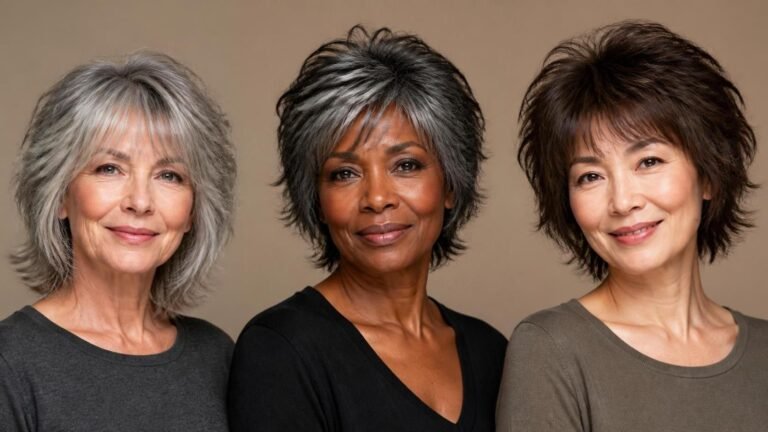
Opt for movement and softness in your hairstyle: Soft layers, textured bobs, and flowing cuts look naturally modern in a way that very blunt or very structured cuts often don’t.
Focus makeup on radiance rather than coverage: A dewy base, soft blush, brushed-up brows, and a hydrating lip tint look more youthful and alive than heavy, matte coverage.
Update your brow approach: Full, softly defined brows frame the face beautifully — sparse, heavily drawn brows can inadvertently age you.
Choose hydrating formulas over powder: Cream-based blush, highlighter, and foundation sit more naturally on mature skin and last throughout the day.
Review your hair color regularly: As your natural tone changes, your highlights or color formula may need adjusting to remain flattering against your complexion.
When your hair and makeup feel aligned with your clothing choices, the whole look reads as intentional, cohesive, and genuinely stylish.
FAQs: Hair and Makeup Over 50
Q: What haircuts are most flattering for women over 50? A: Soft layers, textured lobs, and tousled bobs are widely considered the most modern and flattering options — they add movement without looking severe.
Q: What makeup mistakes age women over 50? A: Heavy matte foundation, drawn-on brows, very dark lip liner, and glittery eyeshadow all tend to be aging rather than flattering on mature skin.
Q: Should women over 50 embrace gray hair? A: Absolutely — beautifully maintained gray hair is one of the most striking and elegant choices available, and it photographs beautifully.
Q: What foundation works best on mature skin? A: Lightweight, hydrating foundations or tinted moisturizers with a satin finish sit most naturally on mature skin and look genuinely radiant.
Q: How do I make my eyes look more awake with makeup over 50? A: A light inner corner highlight, a soft brown eyeliner on the upper lash line only, and a lengthening mascara open the eyes beautifully without looking overdone.
Q: How often should I update my hair color formula over 50? A: Reassess with your colorist every six to twelve months — as skin tone and natural pigment shift, your color formula should evolve alongside them.
12. Dress for Your Own Energy, Not a Number
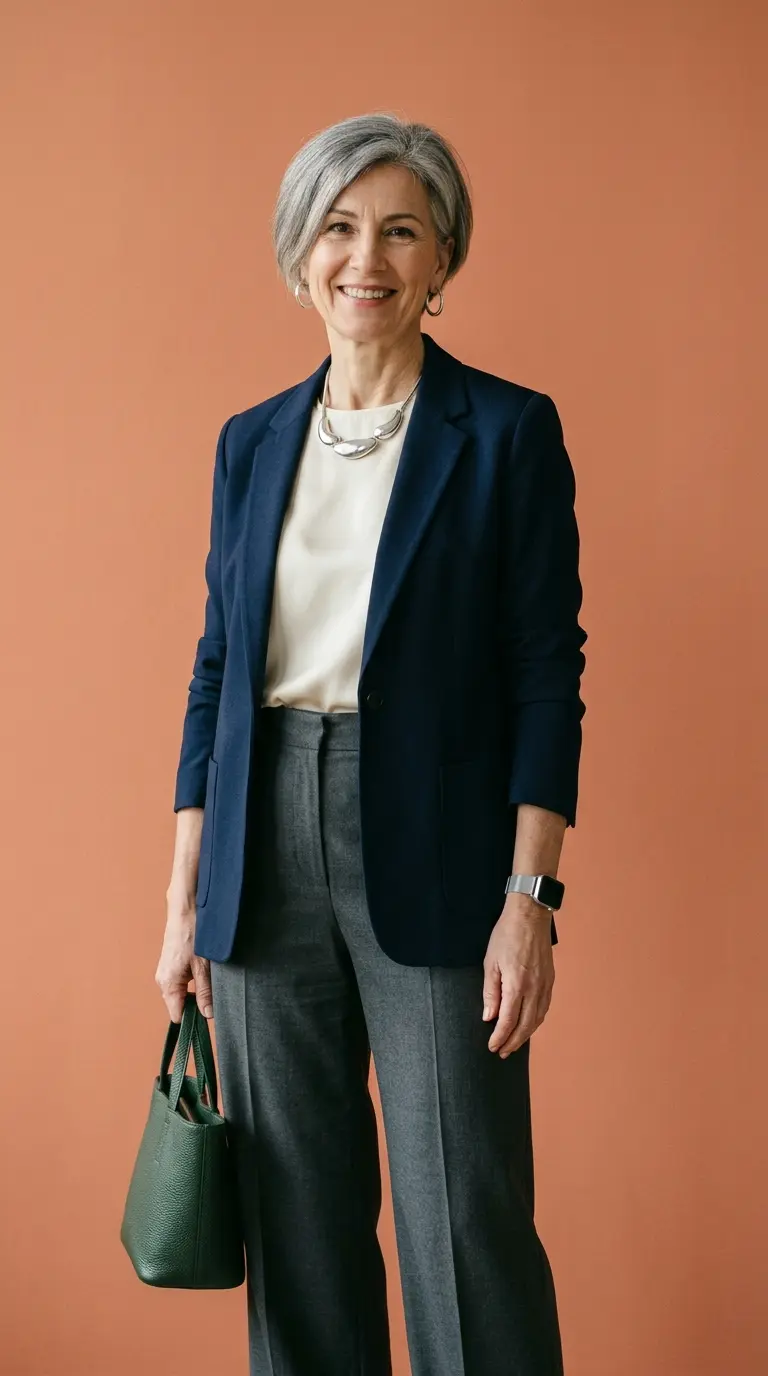
The most important style principle of all has nothing to do with cuts, colors, or fabrics — it has to do with permission. Permission to dress exactly as you feel, without reference to what someone your age is supposedly supposed to wear.
Some mornings call for wide-leg trousers and a silk blouse. Others call for jeans, sneakers, and a great leather jacket. Both are completely valid. Both are genuinely stylish. The only thing that matters is that the choice belongs to you.
Your energy is the starting point for every outfit — not a calendar, not a mirror, not someone else’s opinion.
Start each season with a brief style edit: Try on your favourite pieces and honestly ask whether they still reflect how you want to feel — let go of anything that doesn’t.
Dress for how you want to feel today: Some days that’s polished and pulled-together; others it’s relaxed and effortless. Honor both with equal intention.
Stop dressing to manage other people’s perceptions: Style over 50 is about pleasing yourself first — this shift alone is profoundly liberating.
Wear the thing you’ve been saving for a special occasion: The special occasion is your regular life. Wear the beautiful blouse on a Tuesday.
Update your style story regularly: You are not the same person you were at 35, and your clothes shouldn’t be either. Evolution is not loss — it’s refinement.
Style at its best is not about age at all. It’s about self-knowledge, confidence, and the quiet joy of wearing something that makes you feel genuinely like yourself.
FAQs: Style Mindset Over 50
Q: How do I stop feeling invisible in my clothes over 50? A: Start by identifying what genuinely excites you about fashion right now — then build your wardrobe around those things rather than perceived age-appropriateness.
Q: Is it too late to develop a personal style at 50? A: Not at all — many women find their truest personal style in their fifties precisely because they finally know themselves well enough to dress for no one but themselves.
Q: How do I build confidence in how I dress over 50? A: Wear the things that make you feel genuinely good, invest in proper fit, and stop seeking external validation for your choices.
Q: Should women over 50 follow fashion trends? A: Selectively — adopt the elements of current trends that genuinely work for your body and lifestyle, and discard the rest without guilt.
Q: What does “age-appropriate dressing” actually mean? A: Very little, in practice. Dressing appropriately for your life, your body, and your personal values matters far more than dressing appropriately for your age.
Q: How do I stop comparing my style to younger women? A: Curate your social media to follow stylish women in your own age group — representation shapes perception, and seeing women who look like you dressed beautifully is genuinely inspiring.
The Quiet Power of Knowing Exactly Who You Are
There is something deeply compelling about a woman over 50 who dresses with genuine intention — not to impress, not to compete, not to look like anyone other than herself. That quality is impossible to manufacture in your twenties and comes quite naturally by your fifties, if you let it.
Your style history is an asset. Every decade of dressing has taught you something about what works, what doesn’t, what makes you light up, and what makes you shrink. Those lessons are worth more than any trend report or fashion magazine.
The women who look most effortlessly stylish at this age are almost always the ones who have stopped trying to be stylish and simply started being themselves — consistently, confidently, and with a great tailor on speed dial.
Beautifully Unbothered — A Note to Close With
Getting dressed in your fifties should feel like a pleasure, not a challenge. The tools, the knowledge, and the self-awareness are all here — the only thing left is to use them without apology.
Start with fit. Add color that makes your face glow. Choose fabrics that feel beautiful against your skin. And then walk out the door wearing the version of yourself you’ve spent five decades becoming.
The most stylish thing you own is the confidence of a woman who knows her own mind. Wear that first, and let everything else follow.
Your best style decade is the one you’re living right now — make it count.