
How to Wear a Shacket Over 50: The Easy Layer You’ll Wear All Fall
A shacket works over 50 because it adds structure to soft fall clothes without the stiffness of a blazer. That shirt-jacket weight is the point: it holds a line at the shoulder, gives your waist something to read against, and still feels like a shirt when you sit down.
The catch is that most shackets are cut for a 25-year-old in an oversized mood. The difference between chic and swallowed is roughly three inches of ease and one good length. Get those two things right and the rest is styling.
Below are 10 genuinely wearable ways to style one this fall, plus the fit rules that make the difference.
How to Pick the Right Shacket for Your Body and Lifestyle
Before you look at a single outfit, decide what job the shacket is doing. Good structure at the shoulder and a defined collar will do more for you than any pattern or color.
- Measure before you shop. Look for a chest width about 3 inches larger than your bust. More than that and you’re wearing the jacket, not the other way around.
- Check the shoulder seam. It should sit at your natural shoulder or just barely past it. If it droops toward mid-upper-arm, size down.
- Match length to how you’ll wear it. Hip-grazing (24–26 inches) suits most frames. Mid-thigh (30–34 inches) works if you’re tall or want a light coat over leggings and dresses.
- Weigh the fabric in your hand. Brushed cotton-twill, corduroy or a wool blend hangs and skims. Thin flannel clings and shows every lump underneath.
1. Start With the Right Fit
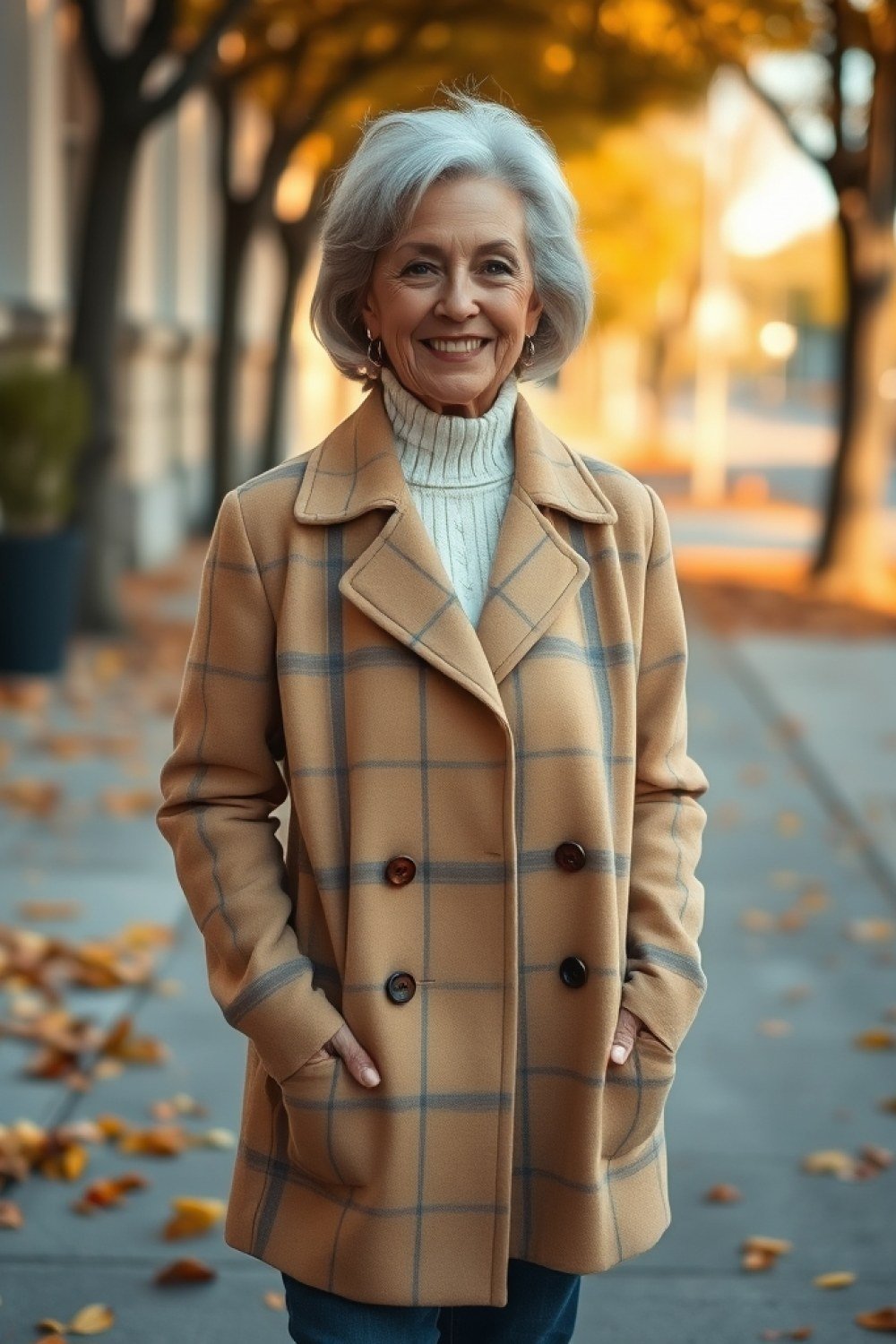
Everything else depends on this step, so it’s worth ten extra minutes in the fitting room. A shacket should skim your body with 2–3 inches of ease, not 6. Sleeves should end at the wrist bone — long enough that you can push them up one cuff and have them stay.
Fabric carries as much weight as cut. A brushed cotton-twill or wool-blend shacket with body hangs in clean lines, while thin flannel collapses into creases. Heavier isn’t better either — sherpa linings add bulk right where you don’t want it.
How to Check the Fit in 30 Seconds
- Button it up and slide two fingers under the front closure — that’s your 2–3 inches of ease.
- Check the shoulder seam sits at your natural shoulder, not sliding down your arm.
- Raise both arms; if the hem jumps above your waistband, the body is too short or too narrow.
- Look at the side profile — you want a straight drop, not a barrel shape through the waist.
2. The Jeans-and-Tee Formula

Your easiest starting point. Dark or mid-wash straight-leg or slim-bootcut jeans, a fitted crewneck or v-neck tee tucked in, shacket open on top. A belt in the same tone as your shoes breaks up the vertical line so you don’t read as one long column of denim.
It works because the open front creates two vertical lines down your torso, which lengthens rather than widens. Roll the cuffs once and keep the tee fitted — a loose tee under a loose shacket is the quickest route to sloppy.
How to Style It
- Tuck the tee fully, then do a small blouson pull at the front so it isn’t strained flat.
- Choose a belt 1–1.5 inches wide in the same family as your shoes or bag.
- Wear the shacket open, sleeves rolled one turn to just above the wrist bone.
- Finish with a low boot, loafer or clean sneaker.
3. Layer Over a Knit Dress
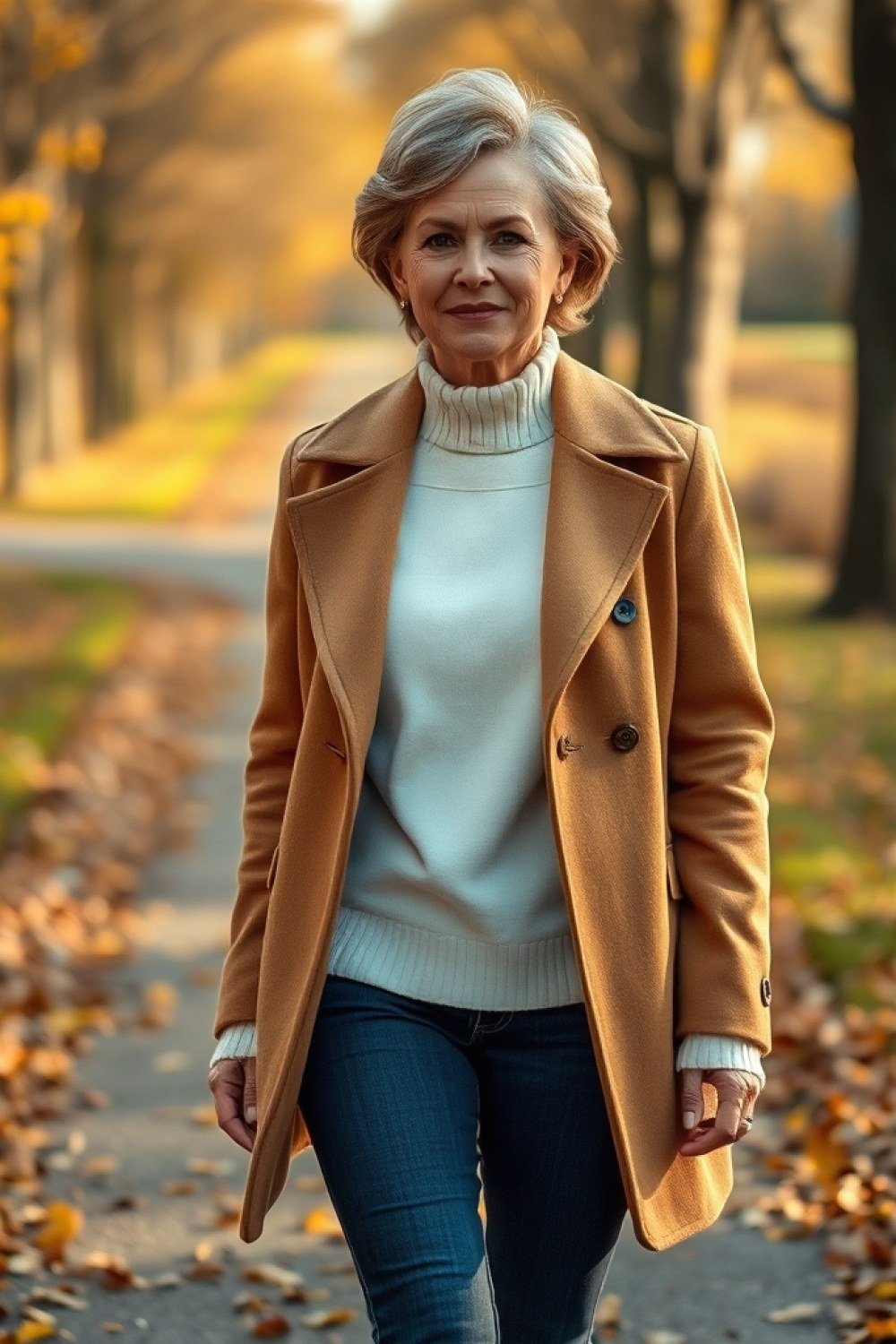
A shacket over a fine-gauge knit or sweater dress is the most elegant pairing on this list. Pick a dress that hits just above or below the knee and is slim enough that the shacket is clearly the bulk, not the other way around.
Add opaque tights and ankle boots, and keep the shacket unbuttoned and shorter than the dress hem — a long shacket over a short dress chops your leg line in half. For definition, belt the dress before you put the shacket on; that cinch stays put and keeps the silhouette clean.
How to Recreate It
- Start with a fine-gauge knit or ponte dress, not a chunky cable knit.
- Add a slim belt at your natural waist over the dress.
- Layer the hip-length shacket open on top, sleeves pushed up one cuff.
- Finish with opaque tights in the same tone as your boots for an unbroken line.
4. Belt It to Beat the Boxy

The fastest fix for a shacket that feels shapeless. Button the shacket, then add a slim or medium-width leather belt (1–1.5 inches) over the top at your natural waist — not your hips. Cinch it loosely. You want a waist, not a corset; a deep cinch pulls the fabric into folds across your back.
This works best with a mid-thigh shacket in a lighter weight, ideally with a straight hem so the belt sits flat. Skip it entirely with heavy sherpa-lined shackets — far too thick to belt cleanly.
How to Belt It Well
- Button all but the bottom button so the hem stays open and doesn’t strain.
- Find your natural waist by bending sideways — belt at that crease, not lower.
- Pull the belt snug, then let it out one notch so you can sit comfortably.
- Keep the rest of the outfit slim: skinny or straight jeans, fitted knit underneath.
5. Shacket Over Leggings, Done Right

Leggings plus a shacket is a great errand outfit, but balance is everything. Choose ponte or heavy-weight leggings rather than thin athletic ones, and pick a shacket long enough to cover your seat — 28–32 inches does it. Underneath, wear a longer tunic tee or slim turtleneck that also covers your hips.
The proportion rule is full coverage on top, fitted on the bottom. Finish with a chunky sneaker or lug-sole boot to ground the look; a delicate flat leaves your ankles looking exposed and the outfit top-heavy.
How to Get the Balance Right
- Layer a tunic tee or slim turtleneck that ends below your hip bone.
- Add ponte leggings in black, charcoal or chocolate — never thin or shiny.
- Wear the shacket open so the vertical lines continue past your hips.
- Ground it with a chunky sneaker or lug-sole boot, and push the sleeves up.
6. Tone-on-Tone for Instant Polish
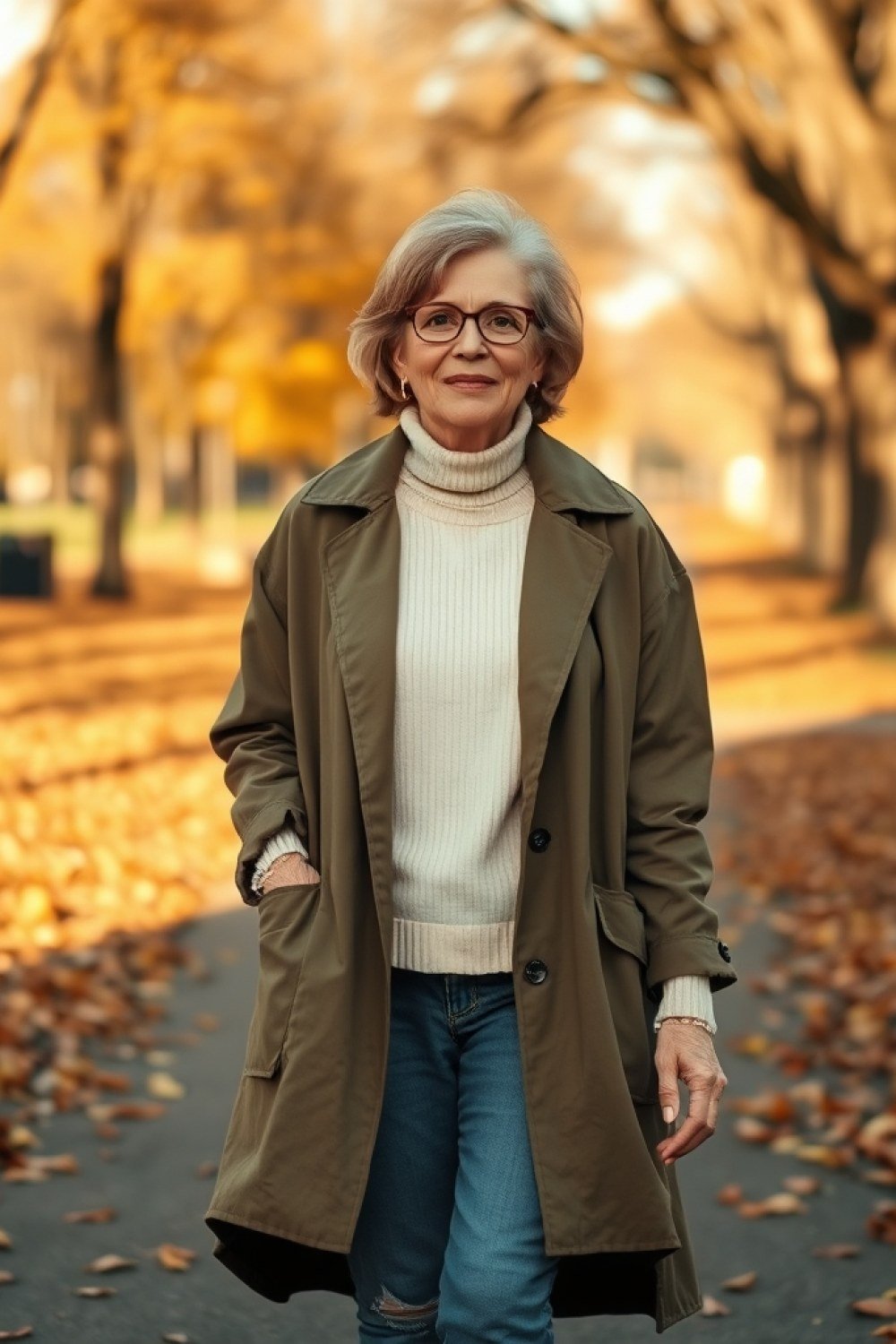
Match your shacket to your base layer or trousers within the same color family — camel shacket with a cream knit and beige trousers, or olive with olive jeans and a lighter olive tee. Vary the textures so it doesn’t read as a uniform: wool against cotton against denim gives each piece its own edge.
Monochromatic dressing is the most flattering trick here for adding height and looking deliberately styled. It’s also the easiest way to wear a shacket somewhere slightly dressy without changing a single silhouette rule.
How to Build a Tone-on-Tone Look
- Pick one base color — camel, olive, grey or chocolate — and stay inside it.
- Go two shades lighter for the layer closest to your face to brighten your skin.
- Mix at least three textures: knit, denim, leather or wool.
- Keep shoes and bag in the same family, one shade darker than the trousers.
7. Smart Casual for Work

Swap your blazer for a tailored shacket in a solid dark color — navy, charcoal or chocolate brown — over a fine knit and slim ankle trousers. Keep it structured, with a defined collar and clean buttons. Avoid patch pockets and frayed hems; those details tip a shacket from modern to weekend.
Add a low heel, loafers or a sleek flat. It reads as intentional and current in casual offices while being comfortable enough for a full day of meetings and a commute.
How to Make It Office-Ready
- Choose solid dark colors only — no plaid, no distressing, no contrast stitching.
- Layer over a fine-gauge knit or silk-blend shell, tucked or neatly skimming.
- Pair with slim ankle trousers that stop at the ankle bone.
- Add loafers or a low block heel and a structured tote.
8. Dress It Up for Dinner
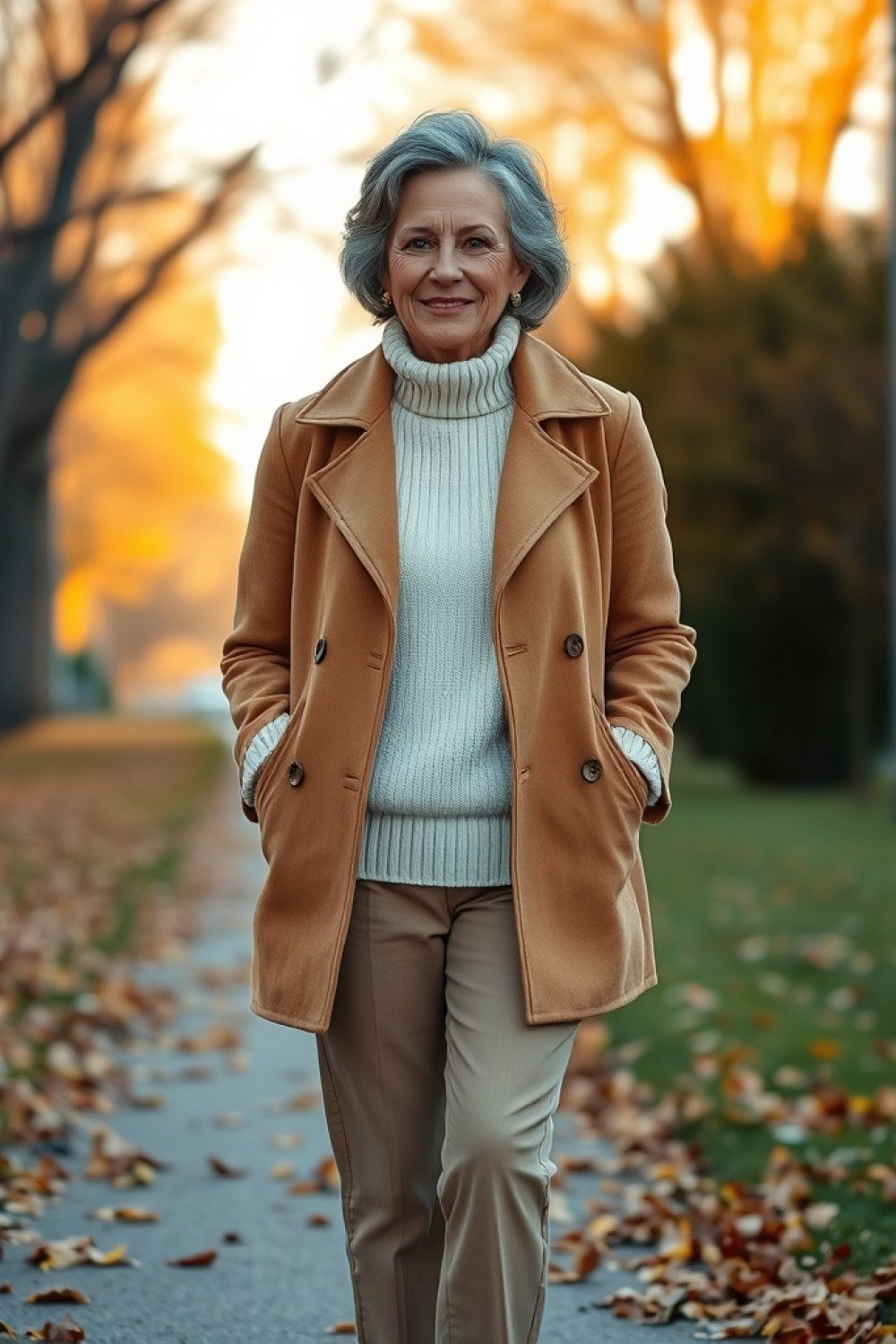
A shacket can work for dinner if the fabric is elevated — a wool blend, subtle windowpane or herringbone, or a vegan suede in a rich tone. Wear it over a silk camisole or satin blouse with dark slim jeans or tailored black trousers and a pointed-toe boot or heel.
Add gold or pearl earrings and skip casual accessories entirely — no canvas totes, no chunky sneakers. The contrast between the utilitarian jacket and the dressy base is what makes it look expensive.
How to Take It From Day to Dinner
- Switch the base layer to silk, satin or a fine cashmere knit.
- Swap jeans for tailored black trousers or dark, clean-rinse denim.
- Change shoes to a pointed toe — boot, pump or slingback.
- Add one piece of good-quality jewelry and leave it at that.
9. Style It With Skirts and Boots
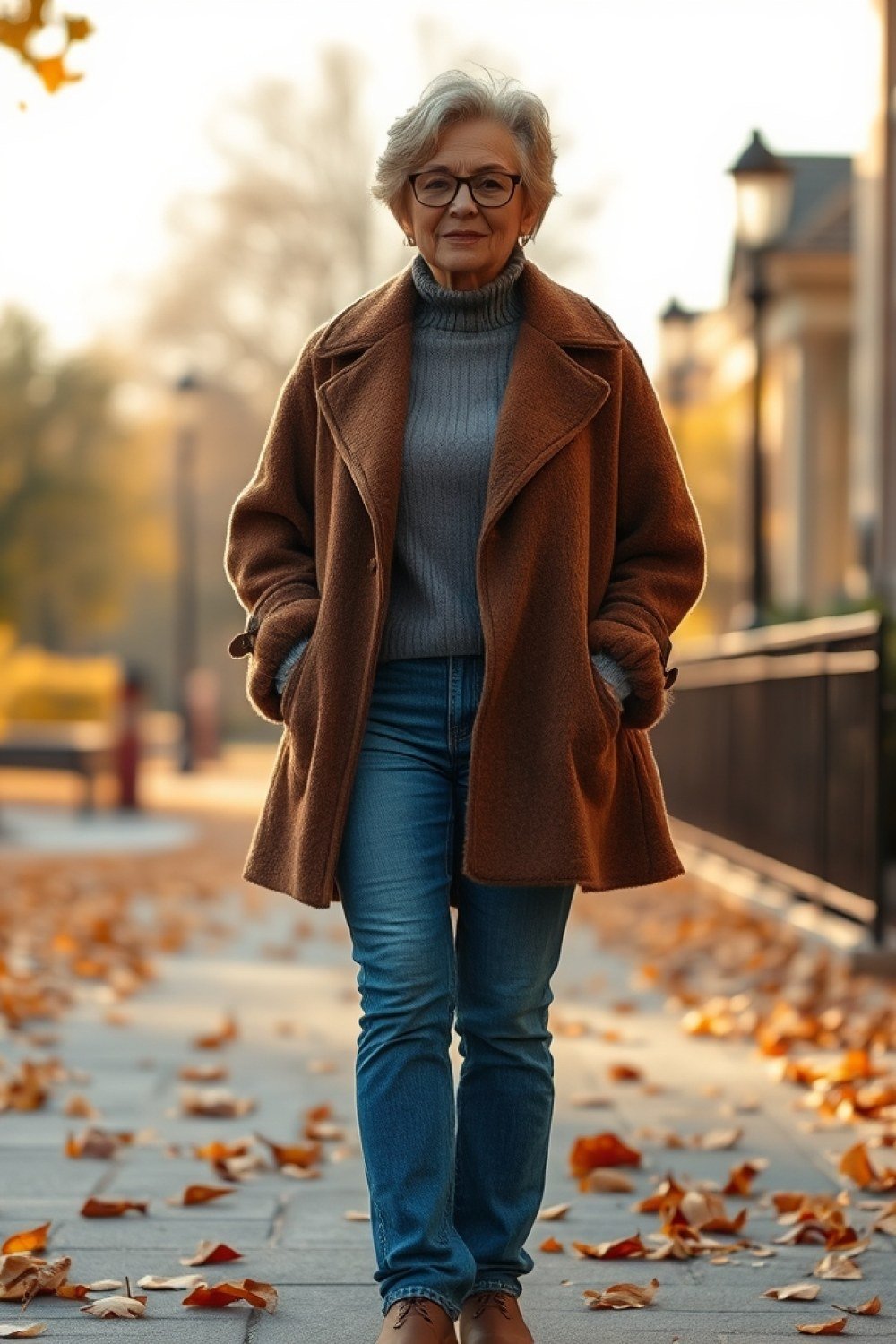
A softer, more feminine take: a midi skirt — A-line, bias-cut or pleated — with a fitted knit tucked in, the shacket open on top and knee-high boots. Keep the shacket shorter than the skirt’s widest point so you don’t lose your waist in the volume.
A corduroy or suede shacket pairs beautifully with a floral or bias midi in a matching autumn tone. This is the outfit for a fall lunch, a gallery afternoon or casual Friday.
How to Get the Proportions Right
- Tuck a fitted knit into a midi skirt that falls mid-calf.
- Check the shacket hem ends above the skirt’s widest point.
- Add knee-high boots in the same tone as your tights or skirt.
- Keep jewelry small and let the textures do the talking.
10. Weekend Errand Uniform

The no-thinking version: straight jeans, a striped long-sleeve tee, white sneakers and a plaid or checked shacket worn open with the sleeves pushed up. Add a crossbody bag and simple studs, and you’re out the door in four minutes.
Keep the plaid scale medium. Tiny checks look fussy on a jacket this size, while oversized buffalo checks overwhelm a smaller frame. Medium is the sweet spot, and the reason this outfit works three times a week from September through November.
How to Pull It Together Fast
- Straight or slim jeans in a mid wash, no distressing.
- A Breton stripe or plain long-sleeve tee, half-tucked at the front.
- Plaid shacket open, sleeves pushed to just below the elbow.
- White sneakers, crossbody bag, small studs — done.
FAQs
Are shackets flattering on women over 50?
Yes, when the fit is right. Choose one with 2–3 inches of ease rather than an oversized cut, so it skims instead of adding bulk. Worn open or belted, a shacket creates clean vertical lines that flatter most body types.
What’s the difference between a shacket and an oversized flannel?
A shacket is a shirt-jacket hybrid with structure — usually a heavier twill, wool blend or corduroy, with a defined collar and shape through the body. An oversized flannel is a soft, thin plaid shirt cut big. For a polished fall layer over 50, choose the shacket.
Can I wear a shacket to a casual office or lunch?
Absolutely. Choose a solid dark color with a clean collar and no frayed hems, and pair it with slim ankle trousers or dark jeans and loafers. It reads as a modern, relaxed alternative to a blazer.
How do I keep a shacket from looking sloppy?
Three fixes: wear it open or belted rather than hanging loose and closed, keep your base layer fitted and tucked, and choose a length that ends at your hip or mid-thigh rather than mid-hip where it cuts you in half. Push the sleeves up one cuff.
Picking Your One Shacket for Fall
If you’re buying just one, choose a solid neutral — camel, olive, chocolate or charcoal — in a mid-weight wool or cotton blend that hits at your hip, and let the plaid version be your second purchase. A solid color styles with everything you already own, while a plaid locks you into a narrower set of outfits.
Before you shop, try each of these looks with pieces already in your closet. Wear the jeans-and-tee formula one day, the knit dress the next, and belt it on the third. You’ll quickly learn whether your gap is a shorter hip-length shacket or a longer mid-thigh one, and you’ll buy the color that solves the most outfits.
